2025 Top 10 Metal Enclosure Box Options for All Your Electronics Needs
In the ever-evolving electronics industry, the importance of robust and reliable housing solutions cannot be overstated. The rise in demand for high-quality Metal Enclosure Boxes reflects a growing awareness of their crucial role in safeguarding sensitive electronic components. According to a recent industry report by Research and Markets, the global market for enclosure boxes is projected to grow at a compound annual growth rate (CAGR) of 5.6% between 2021 and 2026. This growth is driven by the increasing need for protective solutions in diverse applications ranging from industrial automation to consumer electronics.
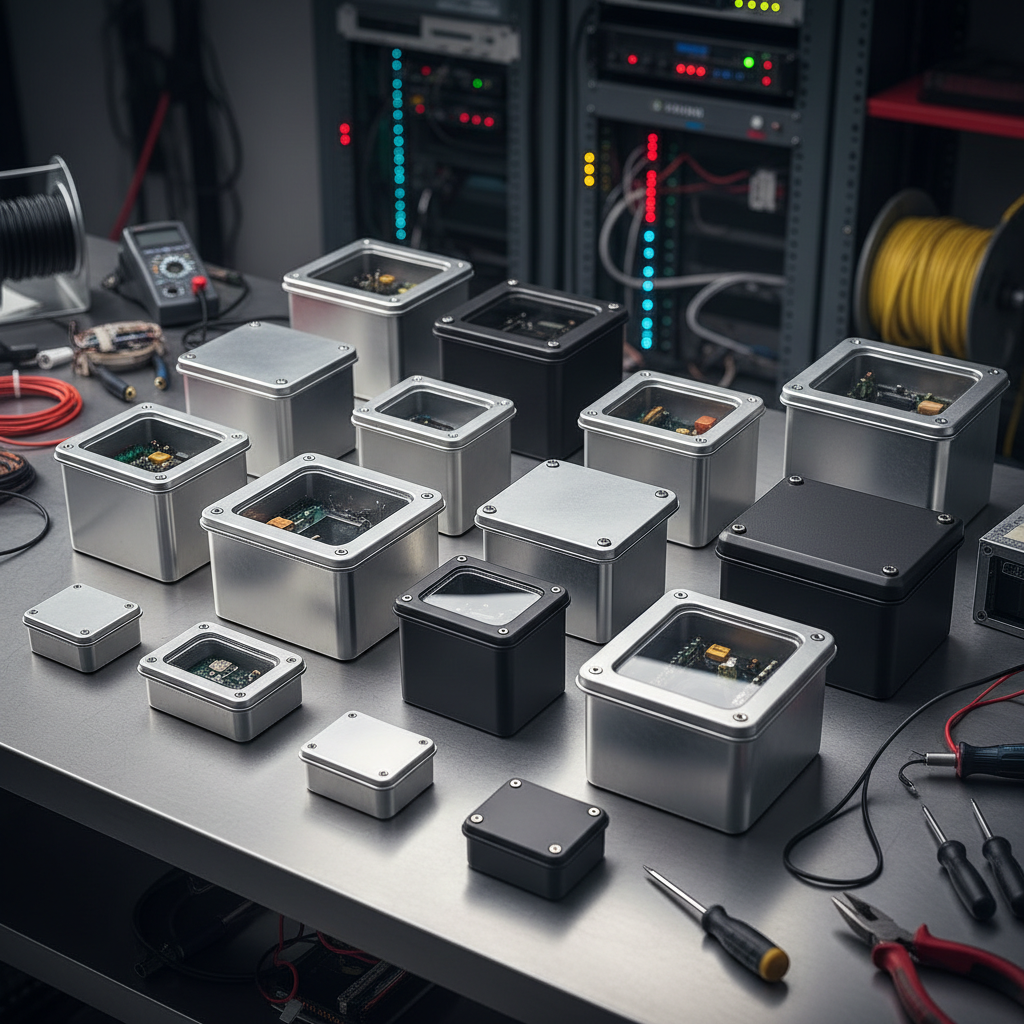
As technology advances, the specifications and requirements for Metal Enclosure Boxes are becoming more stringent. These enclosures not only provide physical protection but also enhance electromagnetic interference (EMI) shielding, which is essential in maintaining the integrity of electronic devices. Additionally, the trend toward miniaturization of electronics has led manufacturers to innovate, creating compact yet durable enclosures that can effectively meet both aesthetic and functional demands. This article delves into the top 10 Metal Enclosure Box options for 2025, offering insights that cater to a wide range of electronic needs, ensuring that industry professionals and hobbyists alike can make informed decisions for their projects.
Top 5 Metal Enclosure Box Options for Electronics: A 2025 Overview
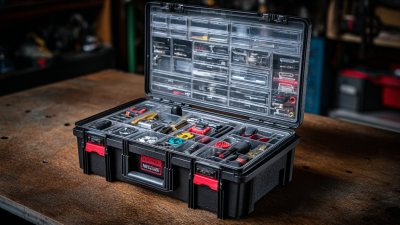
When it comes to protecting sensitive electronic components, selecting the right metal enclosure box is crucial. In 2025, the market offers several standout options tailored to various needs. The first notable choice is the extruded aluminum enclosure, which combines durability with lightweight properties. These enclosures often come with built-in heat dissipation features, making them ideal for housing high-performance circuit boards.
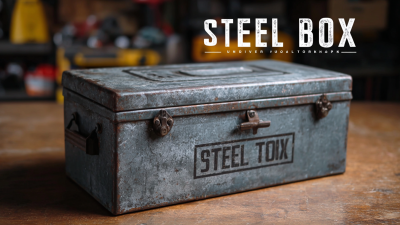
Another excellent option to consider is the stainless steel enclosure. Known for its corrosion resistance, this type of enclosure is perfect for outdoor applications or harsh environments. Additionally, many manufacturers now offer customizable stainless steel boxes, allowing for tailored designs that fit specific project requirements. Lastly, the die-cast aluminum option stands out for its robustness and ease of manufacturing, providing an excellent balance between protection and aesthetic appeal. Each of these five metal enclosure options provides reliable security for electronic devices while meeting evolving technology demands in 2025.
Key Features to Consider When Choosing Metal Enclosure Boxes for Electronics
When selecting metal enclosure boxes for your electronic projects, it's crucial to consider several key features that can greatly impact functionality and performance. First and foremost, the material thickness is vital; a thicker gauge metal provides better durability and protection against physical impacts, while also helping to shield sensitive components from electromagnetic interference (EMI). Additionally, look for enclosures with proper sealing options, like gaskets or reinforced edges, to ensure that they can withstand environmental factors such as dust, moisture, and temperature fluctuations.
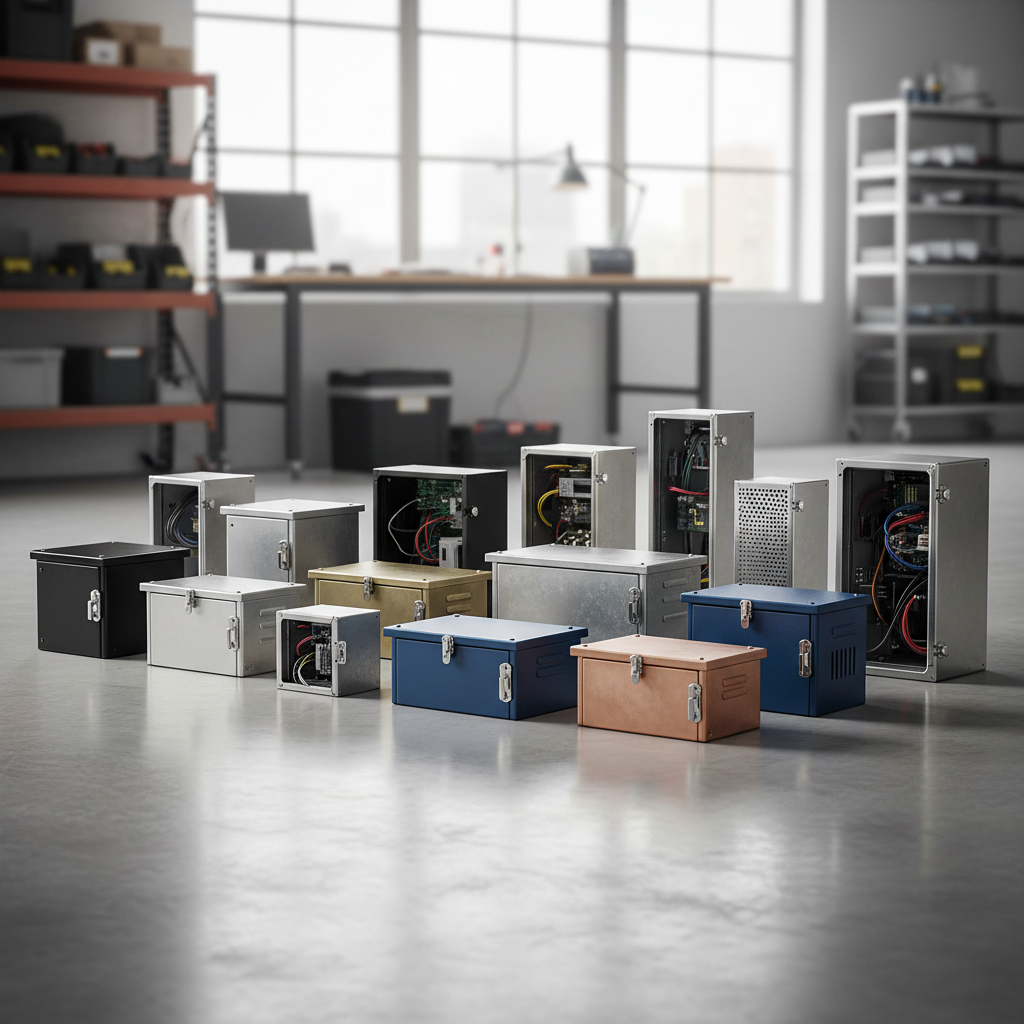
Another important consideration is the internal layout of the enclosure. Features such as mounting options, ventilation, and cable management are essential for maintaining an organized and efficient electronics system. Ensure the enclosure has adequate space for the components you intend to use, as well as built-in supports for circuit boards or other hardware. Lastly, assess the accessibility of the enclosure; options such as removable panels, hinged doors, and proper port placements can facilitate easier maintenance and modifications over time, ultimately enhancing the overall usability of your electronic setup.
Market Trends: The Growing Demand for Durable Metal Enclosures in Electronics
The demand for durable metal enclosures in the electronics sector is on the rise, driven by the increasing need for robust and reliable housing for sensitive electronic components. As electronic devices become more advanced, their vulnerability to environmental factors such as moisture, dust, and electromagnetic interference grows. This has led to a significant shift towards utilizing metal enclosures, which offer enhanced protection and durability compared to traditional plastic options.
Market forecasts display a clear upward trend, with the global electrical enclosure market projected to grow from $7.83 billion in 2025 to $13.15 billion by 2032. This translates to a compound annual growth rate (CAGR) of approximately 7.6%. Additionally, the polycarbonate resin market is expected to reach $20.95 billion by 2032, underlining a broader trend of increasing investment in materials designed for longevity and performance. Ultimately, as industries strive for higher efficiency and quality in their electronic products, the role of durable metal enclosures is expected to become ever more critical.
Cost Analysis: Comparing Pricing of Top Metal Enclosure Boxes for 2025
In 2025, the demand for metal enclosure boxes in the electronics industry is projected to rise significantly, driven by advancements in technology and increasing requirements for equipment protection. According to a recent market analysis by Grand View Research, the global metal enclosure market is expected to reach $4.5 billion by 2027, growing at a CAGR of 5.2% over the forecast period. This growth reflects the crucial role that durable enclosures play in safeguarding sensitive equipment from environmental hazards, electromagnetic interference, and physical damage.
When it comes to pricing, a detailed cost analysis reveals notable variations among the top ten metal enclosure box options. For instance, premium brands such as Teko and Hammond Manufacturing are priced between $150 to $300, reflective of their robust materials and excellent thermal management features. In contrast, more economical choices like Bud Industries offer reliable solutions in the $50 to $100 range. As industries continue to assess their operational budgets, understanding these price discrepancies alongside product specifications can help businesses make informed purchasing decisions, optimizing both performance and cost-efficiency.
2025 Top 10 Metal Enclosure Box Options for All Your Electronics Needs - Cost Analysis
| Model |
Dimensions (mm) |
Material Thickness (mm) |
Weight (kg) |
Estimated Price (USD) |
| Model A |
200 x 150 x 100 |
1.5 |
1.2 |
45.00 |
| Model B |
300 x 250 x 150 |
2.0 |
1.5 |
65.00 |
| Model C |
250 x 200 x 100 |
1.2 |
1.0 |
55.00 |
| Model D |
350 x 300 x 200 |
2.5 |
2.0 |
85.00 |
| Model E |
400 x 300 x 100 |
1.8 |
1.8 |
75.00 |
| Model F |
500 x 400 x 200 |
3.0 |
3.0 |
120.00 |
| Model G |
450 x 350 x 150 |
2.2 |
2.5 |
95.00 |
| Model H |
300 x 200 x 75 |
1.0 |
0.8 |
35.00 |
| Model I |
600 x 400 x 250 |
3.5 |
4.0 |
150.00 |
| Model J |
550 x 450 x 100 |
1.5 |
2.2 |
80.00 |
Material Performance: Evaluating Aluminum vs. Steel in Metal Enclosure Applications
When evaluating material performance for metal enclosure applications, aluminum and steel are two leading contenders, each offering distinct advantages. Aluminum is increasingly favored in sectors like aerospace and automotive due to its lightweight nature and corrosion resistance. Recent trends indicate aluminum's pivotal role in additive manufacturing, transforming production processes and allowing for more complex designs. As the market for 3D-printed components continues to grow, driven by industries expecting faster delivery and lower costs, aluminum's properties will likely propel its demand further.
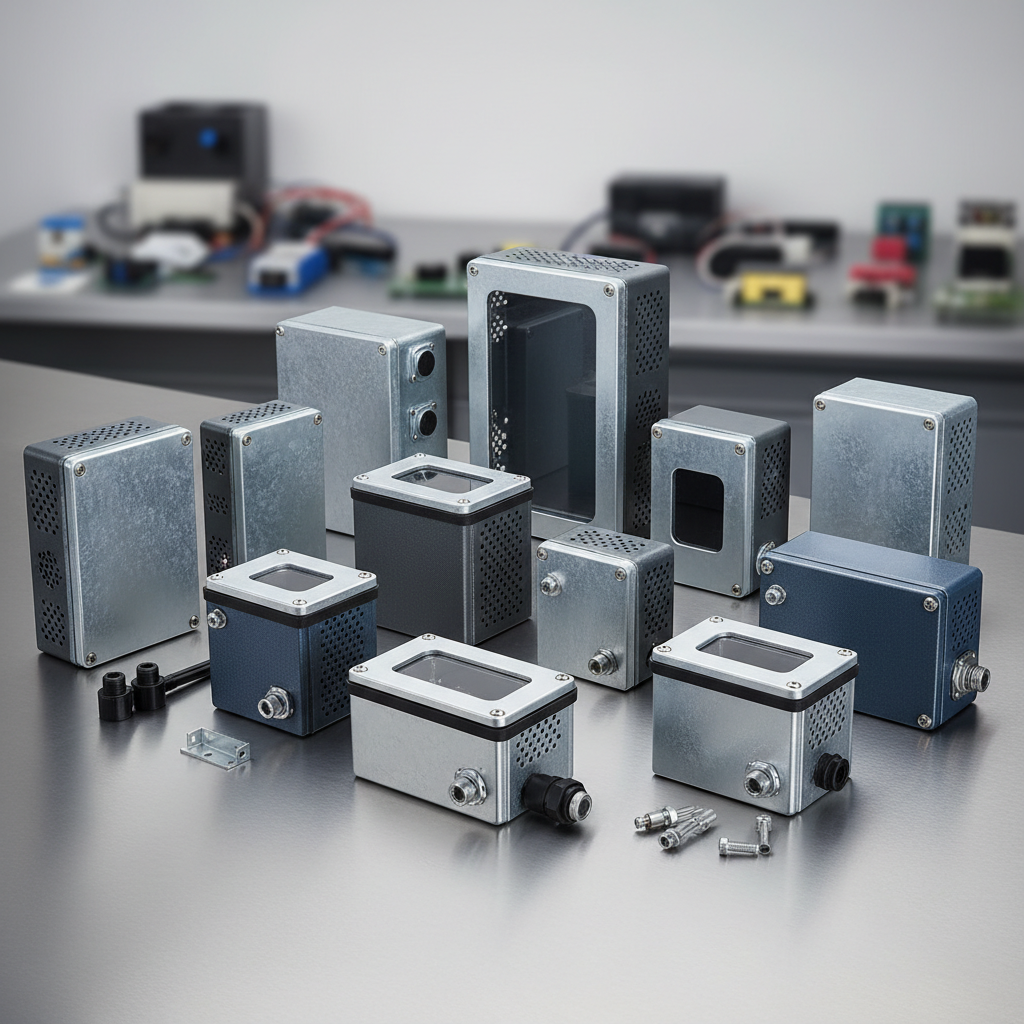
On the other hand, steel remains a staple in applications requiring durability and strength. According to industry analyses, the European Electric Vehicle Battery Housing Market is projected to expand significantly, with steel and aluminum competing for dominance as materials. In 2025, the global metal stamping market is expected to reach approximately USD 254.36 billion, underscoring the ongoing reliance on these metals in manufacturing.
Tips: When selecting materials for your metal enclosure needs, consider the specific environmental factors and regulations your product will face. Ensure you assess both initial costs and long-term durability. Additionally, be aware of the latest developments in additive manufacturing techniques, as they can offer significant advantages in production efficiency and component quality.