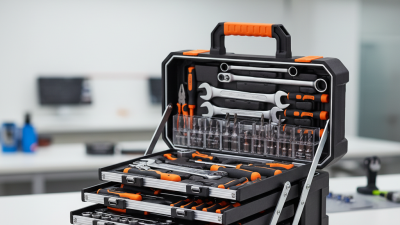
Best Tool Box Organizer for 2026 Your Essential Guide?
When it comes to managing your tools efficiently, a reliable Tool Box Organizer is essential. With the growing variety of tools, maintaining order can be a challenge. The right organizer not only saves time but also enhances productivity. Imagine being able to find that specific screwdriver or wrench quickly. This is where an effective organizer shines.
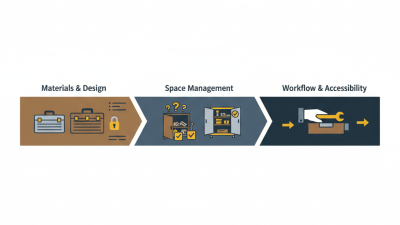
In 2026, tool box organizers have evolved considerably. New materials and designs offer improved durability and functionality. However, not all organizers are created equal. Some may look appealing but lack practical features. Reflecting on user experiences reveals that many overlooked essential qualities like portability and ease of access.
Choosing the right Tool Box Organizer requires careful thought. It involves weighing factors like size, compartmentalization, and material. Many users find themselves wishing they had selected differently after facing clutter. This guide will explore top options for 2026, empowering you to make an informed decision. Your tools deserve the best home possible.
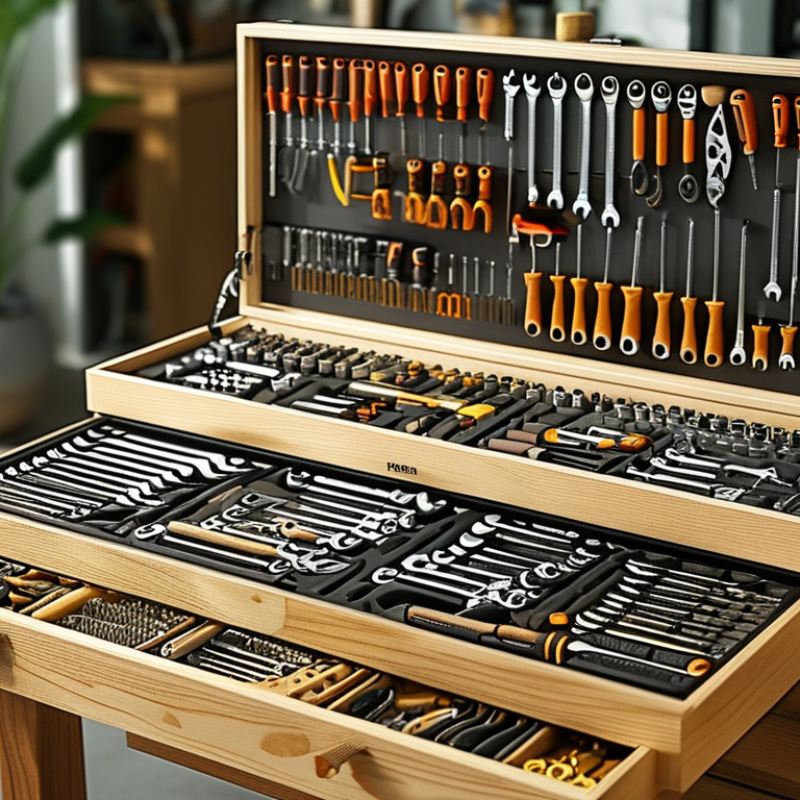
Key Features to Look for in a Tool Box Organizer
When choosing the best toolbox organizer, it's crucial to focus on essential features that cater to your needs. Firstly, consider the material and durability of the organizer. A sturdy design made from high-quality materials ensures longevity and protection for your tools. Look for water-resistant options when working in humid environments.
Storage space is another key feature. An effective organizer will have various compartments in different sizes. This allows for flexible storage of tools, accessories, and equipment. A well-designed layout prevents clutter, making it easier to find what you need quickly. A toolbox with removable trays can add versatility.
Think about transportability. Lightweight organizers with comfortable handles or wheels enhance mobility. You may need to move to different work locations frequently.
Pay attention to available customization options. Some organizers allow for adjustable dividers. This feature lets you shape the storage space according to your tool collection. Reflect on how your needs might change over time.
Opt for an organizer that suits your specific requirements. Sometimes, a bigger organizer may seem ideal but could lead to overpacking. Experimenting with different tools in your organizer can help you find the best arrangement.
Tool Box Organizer Comparison for 2026
Types of Tool Box Organizers: A Comprehensive Overview
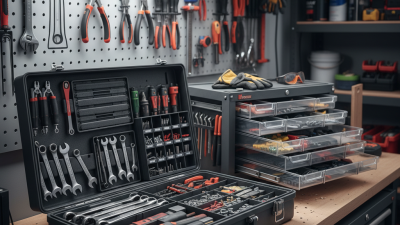
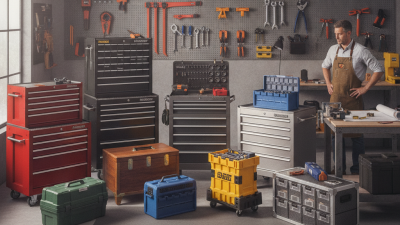
When it comes to organizing your tools, understanding the various types of tool box organizers is essential. Tool box organizers can vastly improve efficiency. They can help you find tools quickly without unnecessary digging. One popular type is the stackable organizer, which allows you to customize your setup. These often feature clear bins for visibility, simplifying the process of finding specific items.
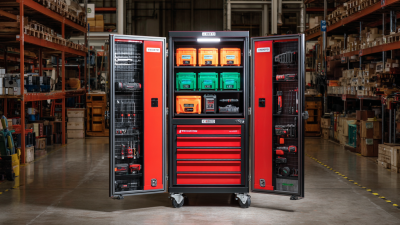
Another option is the portable tool chest. This type is designed for mobility, making it a great choice for projects on the go. Portable chests often have compartments for both large and small tools. However, they might not provide as much durability as their stationary counterparts. Consider your primary need when choosing the right type.
Lastly, wall-mounted organizers can save floor space. They keep tools off the ground, making it easier to access frequently used items. While these organizers promote efficiency, they can become cluttered quickly if not maintained. Regularly evaluating your tool organization method helps ensure you have the right setup for your needs.
Top Brands to Consider for Tool Box Organizers in 2026
In 2026, choosing the right tool box organizer is crucial for efficiency and effectiveness. A recent market report indicated that 75% of professional tradespeople noted improved productivity with an organized tool box. To achieve this, selecting the right brands is essential. Several brands stand out for their quality, durability, and functionality. They offer various designs catering to different needs, from compact kits for home users to heavy-duty options for professionals.
Durability is a common concern; a survey showed that 60% of users experience wear and tear within the first year. This statistic highlights the necessity of selecting robust materials. Certain brands focus on ensuring products withstand heavy use, which appeals to many professionals. Features like modular designs and customizable compartments can make a significant difference in daily operations. A well-organized setup minimizes the time spent searching for tools, directly impacting project timelines.
Additionally, reviews indicate that less than 50% of users are satisfied with their current organizers, often due to mismatched sizes and functionalities. Many professionals have reflected on the frustration of tools jumbled together. They argue that an efficient organizer should make accessing tools quick and intuitive. Thus, researching the right brands can save not only time but also money by preventing unnecessary replacements.
How to Choose the Right Tool Box Organizer for Your Needs
Choosing the right tool box organizer can make a significant difference in your workspace. When you start looking, think about your specific needs. Do you need a portable solution, or will a stationary organizer suffice? Consider the type of tools you own. If you have a variety of tools, a multi-compartment organizer might be best. For smaller projects, a compact design could work.
Materials matter too. Look for organizers made from durable materials that can withstand wear and tear. The weight of the organizer is another factor. A heavier box may offer more stability, while a lighter one is easier to transport. Many organizers come with customizable compartments. This feature allows you to design the interior to fit your tools perfectly.
Reflect on your habits. Do you often misplace tools? If so, choose an organizer with clear visibility. Some organizers come with translucent lids or cases. They help you find tools quickly. The organization system should match your workflow. Test out options at a store if you can. Make a list of what you like and dislike. This can simplify your decision-making process.
Maintenance Tips for Keeping Your Tool Box Organizer in Top Shape
A well-organized tool box can save time and enhance productivity. According to a report by the American Society of Tool Users, 70% of professionals believe that an organized workspace directly improves efficiency. Regular maintenance is crucial to ensure your tool box remains functional. Start by cleaning it weekly. Dust and debris can accumulate, making it hard to find tools. A simple wipe down with a damp cloth can work wonders.
Inspection is equally important. Check for any signs of wear, such as rust or broken clasps. The National Hardware Association reports that 40% of tool-related injuries are linked to malfunctioning storage equipment. Tightening screws and replacing damaged parts can prevent accidents. Remember, an organized tool box not only protects your tools but also shows a level of professionalism that can impress clients and coworkers.
Additionally, categorize your tools. Use dividers or small bins to separate different types. This habit minimizes chaos and helps in quickly locating items. A study by the Tool Management Institute stated that effective categorization can reduce retrieval time by up to 50%. Being reflective about your organization methods can lead to better efficiency and safety in your work area.