2026 Best Tool Cabinets for Every Budget and Need?
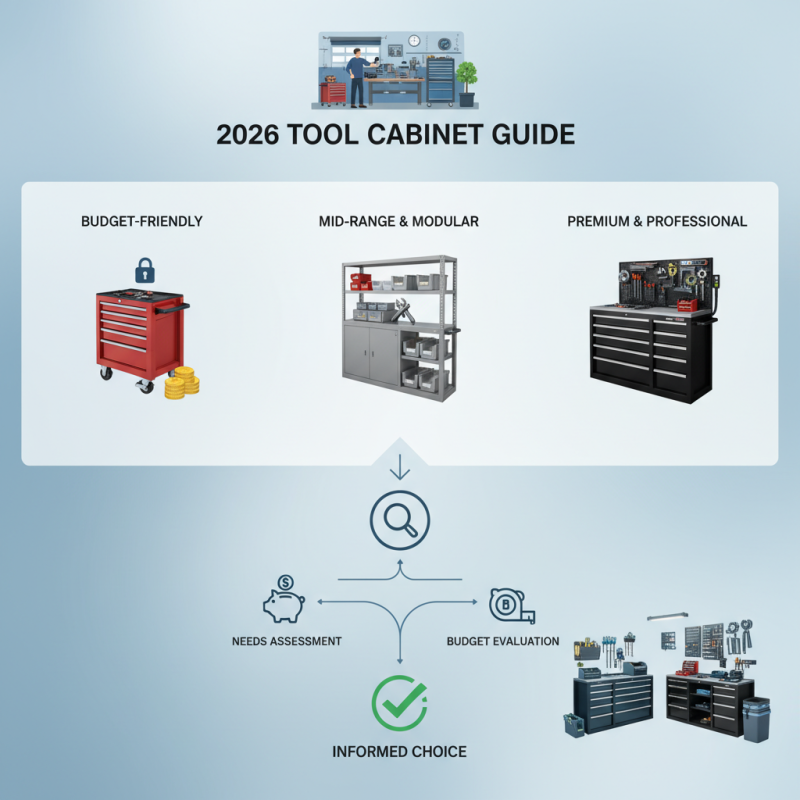
When organizing your workspace, a suitable tool cabinet is essential. It not only stores tools but enhances efficiency. In 2026, the market offers various tool cabinets tailored to every budget and need. With such a plethora of options, it can be a challenge to find the right one.
A quality tool cabinet should prioritize durability and organization. Look for features like sturdy locks and adjustable shelves. These ensure safety and accessibility. Additionally, color and design can influence your workspace’s aesthetics. While functionality is key, appearance shouldn't be overlooked. Some might find it difficult to balance these factors.
In a world filled with choices, it's easy to feel overwhelmed. The perfect tool cabinet is out there, but it requires some research. Evaluating both your needs and budget leads to better decisions. A thoughtful choice can save time and increase productivity in the long run.
2026 Tool Cabinet Market Overview: Trends and Consumer Insights
The 2026 tool cabinet market is evolving rapidly. Consumers increasingly seek customizable storage solutions tailored to specific needs. Clear organization remains critical, with modular designs gaining popularity. Many users prefer cabinets that integrate functionality with efficient space management.
Budget is a major factor influencing purchasing decisions. Consumers want quality but also affordability. Premium materials are in demand, yet lower-priced options are often seen as insufficient. Some users report frustration with flimsy construction in budget models. This reflects a need for greater transparency about product durability and craftsmanship.
Trends show a shift toward sustainability. More consumers prioritize eco-friendly materials. This highlights a growing awareness of environmental impact. Reviews indicate that many tool cabinets lack sufficient space for power tools. This leaves users navigating cluttered work areas. Overall, the market demands balance between affordability, functionality, and environmental responsibility.
Budget-Friendly Tool Cabinets: Features and Price Ranges
When it comes to tool cabinets, budget-friendly options are abundant. These cabinets can vary widely in features and price. For instance, some affordable models offer basic storage with a few shelves and drawers. These are perfect if you have limited tools. Expect to pay between $100 to $300 for such models.
More versatile options provide added features. Look for cabinets with locking mechanisms and adjustable shelves. These enhance security and flexibility for organizing various tools. Prices for these cabinets can range from $300 to $600. Some may even come with wheels for easy mobility, making them convenient for any workspace. However, keep in mind that lower-priced models may lack durability. Regular wear and tear can diminish their lifespan.
Quality should not be overlooked. Sometimes, spending a little more can yield better results. Assessing your storage needs is crucial. Are you a casual DIYer or a serious hobbyist? Reflecting on this can help ensure you make a smart investment. Whatever you choose, every budget has viable options.
2026 Best Tool Cabinets for Every Budget and Need
| Cabinet Type |
Storage Capacity |
Material |
Price Range |
Features |
| Rolling Tool Cabinet |
Large (up to 1000 lbs) |
Steel |
$300 - $800 |
Lockable drawers, wheels for mobility |
| Workbench Tool Cabinet |
Medium (up to 500 lbs) |
Wood and Metal |
$200 - $500 |
Integrated work surface, shelves |
| Wall-Mounted Tool Cabinet |
Small (up to 150 lbs) |
Metal or Plastic |
$100 - $250 |
Space-saving design, easy access |
| Portable Tool Chest |
Small (up to 75 lbs) |
Plastic |
$50 - $150 |
Lightweight, handle for easy carrying |
| Heavy-Duty Tool Cabinet |
Extra Large (up to 2000 lbs) |
Heavy Gauge Steel |
$700 - $1500 |
Multiple lockable drawers, high capacity |
Premium Tool Cabinets: Materials, Durability, and Warranty Considerations
When shopping for premium tool cabinets, consider the materials used in construction. High-quality steel provides strength and longevity. Look for cabinets with a powder-coated finish. This feature protects against rust and scratches. Wood options can be appealing but often lack the durability found in metals.
Durability is more than just the material. Check the hinges and drawer slides. Heavy-duty components ensure smooth operation over time. A well-made cabinet can endure the wear and tear of daily use. Test the drawers for a solid feel; they should slide effortlessly.
Warranties matter in gauging reliability. A lengthy warranty indicates manufacturer confidence. However, read the fine print. Some warranties cover only specific parts, while others may have exclusions. It’s essential to know exactly what is covered. A good warranty enhances your purchase, but always question its terms.
Specialized Tool Cabinets for Specific Trades: A Comparative Analysis
When selecting tool cabinets for specific trades, customization is key. Different professions have unique storage needs. For instance, carpenters require cabinets with plenty of vertical space for long tools. Electricians often need compartments for small components. According to the Bureau of Labor Statistics, over 2 million tradespeople rely on specialized storage solutions, highlighting the need for tailored designs.
Research indicates that a well-organized cabinet can increase productivity by up to 15%. Mechanics, for example, benefit from modular designs that adapt to various tools. However, not all cabinets meet these requirements. Some may lack durability or efficiency, leading to wasted time. In a survey of tool users, 30% reported frustration with poorly designed shelves and drawers.
Trade professionals should conduct a thorough analysis before investing in a cabinet. Look for features like heavy-duty construction and adjustable shelving. This reduces the risk of damage to valuable tools and improves accessibility. Remember, a cabinet is only effective if it fits your specific needs and workspace. Over time, assessing your cabinet's performance will reveal whether it truly supports your trade.
Top Brands in Tool Cabinets: Industry Leaders and Customer Satisfaction Ratings
Choosing the right tool cabinet requires understanding brand performance and customer satisfaction.
Top brands consistently score high on durability,
design, and functionality.
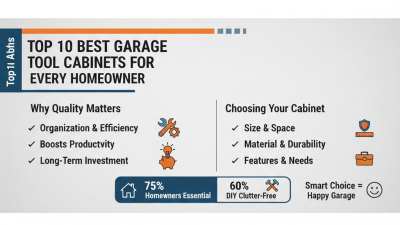
According to a recent industry report, 75% of customers
rate their tool cabinets' organizational features as essential. A well-organized tool cabinet enhances
workflow and efficiency.
When considering options, think about the cabinet size and layout. A recent survey revealed
that 60% of users prefer
modular designs, allowing for customization based on their workspace needs.
Properly assessing your requirements can lead to improved productivity.
Tip: Regularly clean and organize your tool cabinet. A cluttered space can lead to
frustration and wasted time.
Another consideration is the material quality. Tool cabinets made from heavy-duty steel offer
better resilience, especially in professional settings. Studies show that
85% of professionals recommend investing in
quality materials for long-term use.
Tip: Check customer reviews before purchasing. Real-life experiences can provide
valuable insights.