How to Choose the Best Portable Box Tool for Your DIY Projects
When embarking on DIY projects, having the right tools can significantly impact the outcome and efficiency of your work. One vital component in the toolkit of any DIY enthusiast is the Portable Box Tool. This versatile solution not only keeps your tools organized but also enhances mobility, allowing for easy access to everything you need, whether you are working at home or on-site. However, with a plethora of options available in the market, choosing the best Portable Box Tool can be a daunting task for many.
To make an informed decision, it's essential to consider several critical factors that influence the functionality, durability, and convenience of the Portable Box Tool. From evaluating the material and size to assessing the number of compartments and overall weight, each aspect can play a crucial role in how effectively the tool serves your needs. Additionally, understanding your specific project requirements and personal preferences will guide you in selecting a Portable Box Tool that not only accommodates your current tools but also adapts to future projects. By carefully reviewing these factors, you can ensure that your Portable Box Tool becomes an indispensable ally in all your DIY endeavors.
Factors to Consider When Selecting a Portable Tool Box for DIY Projects
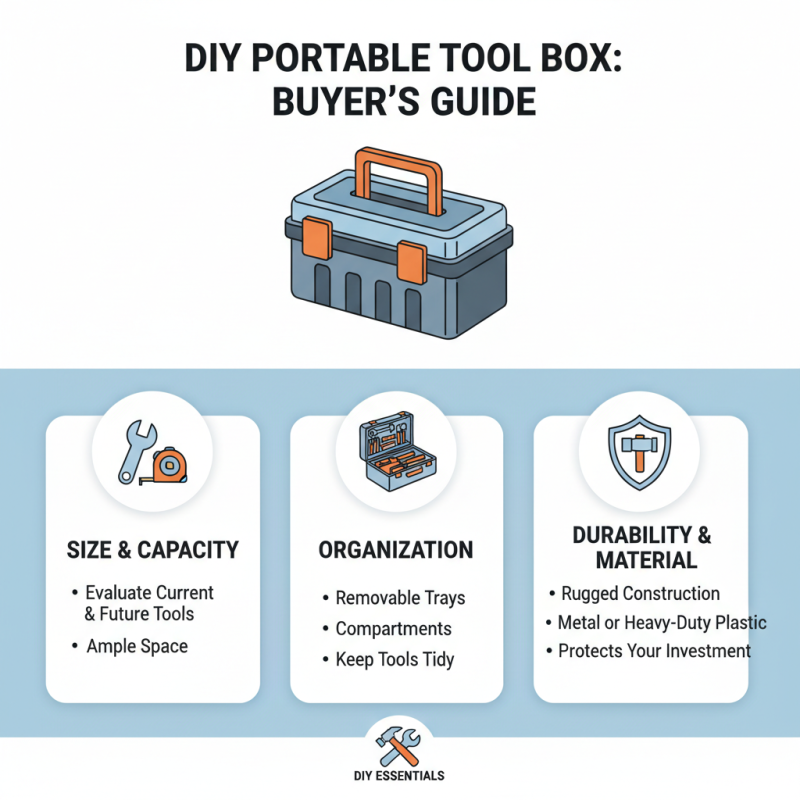
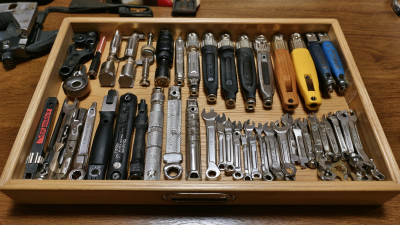
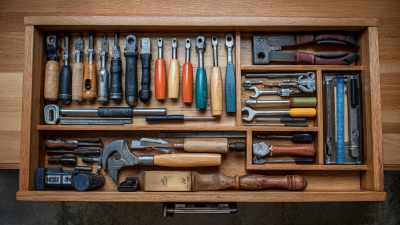
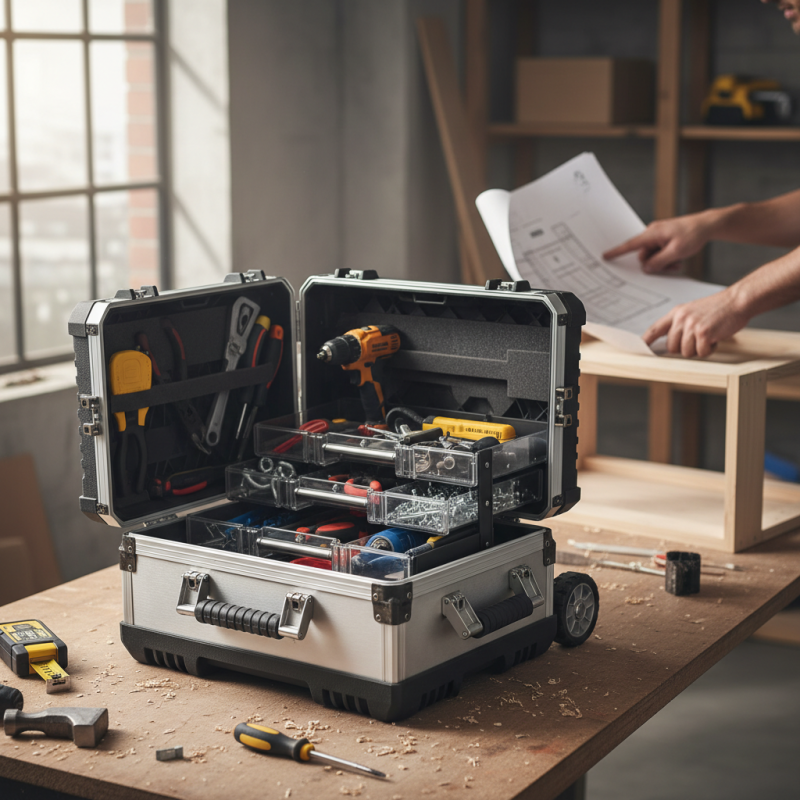
When selecting the best portable tool box for your DIY projects, there are several key factors to consider. Firstly, the size and capacity of the tool box are essential. Depending on the scope of your projects, you’ll need a box that can accommodate your tools without being too cumbersome to carry. Evaluate the tools you already have and those you plan to acquire, ensuring that your chosen box has sufficient space and organization features, such as removable trays or compartments, to keep everything neatly arranged.
Another important consideration is the material and durability of the tool box. A sturdy box made from high-quality materials will withstand the rigors of transportation and frequent use. Look for options that offer weather resistance, especially if you work outdoors or in varying conditions. Additionally, check for features like reinforced corners, secure latches, and comfortable handles, which enhance both functionality and convenience during your DIY tasks. Prioritizing these elements will help ensure that your portable tool box effectively supports your projects.
Different Types of Portable Tool Boxes: Which One Suits Your Needs?
When selecting a portable tool box for your DIY projects, it's essential to understand the different types available and how they cater to diverse needs. A classic option is the hard-shell tool box, which offers durability and protection for your tools. Typically made of sturdy materials, these boxes are ideal for mechanics or contractors who need to transport tools safely across job sites. On the other hand, soft-sided tool bags provide flexibility and lightweight portability, making them suitable for hobbyists or DIY enthusiasts who prefer easy access and organization.
Another important type to consider is the modular tool box system. These systems often consist of interlocking boxes that allow for customizable storage solutions. They can accommodate various tools and accessories according to the specific requirements of your project. For those who prioritize essential items and minimalism, a compact tool organizer, usually featuring a single compartment or a few dividers, might suffice. Ultimately, the right portable tool box depends on the tools you use, the scope of your projects, and your personal preference for accessibility and organization.
Comparison of Different Types of Portable Tool Boxes
Material Durability: The Importance of Strength in a Tool Box
When selecting a portable box tool for your DIY projects, one of the most critical factors to consider is material durability. A tool box made from high-quality materials ensures that it can withstand the wear and tear of frequent use, protecting your tools and providing you with reliable performance over time. Materials such as high-density plastic or steel offer excellent resistance to impact, corrosion, and various environmental conditions, making them ideal choices for those who regularly work on projects both indoors and outdoors.
Moreover, strength in a tool box can significantly influence its functionality. A sturdy design can handle heavy loads without warping or breaking, which is essential for safeguarding your valuable tools. Additionally, a well-constructed tool box will provide better organization, preventing tools from jostling around and ensuring that everything has its place. The investment in a durable material not only extends the life of the tool box but also enhances your overall DIY experience, giving you confidence that your tools are adequately protected while you work on your projects.
How to Choose the Best Portable Box Tool for Your DIY Projects - Material Durability: The Importance of Strength in a Tool Box
| Tool Box Material |
Durability Rating (1-5) |
Weight (lbs) |
Water Resistance (Yes/No) |
Price Range ($) |
| Plastic |
3 |
5 |
No |
20-50 |
| Metal |
5 |
10 |
Yes |
50-150 |
| Composite |
4 |
7 |
Yes |
30-80 |
| Aluminum |
4 |
8 |
No |
40-120 |
| Wood |
3 |
12 |
No |
25-70 |
Size and Weight Considerations for Optimal Portability and Storage
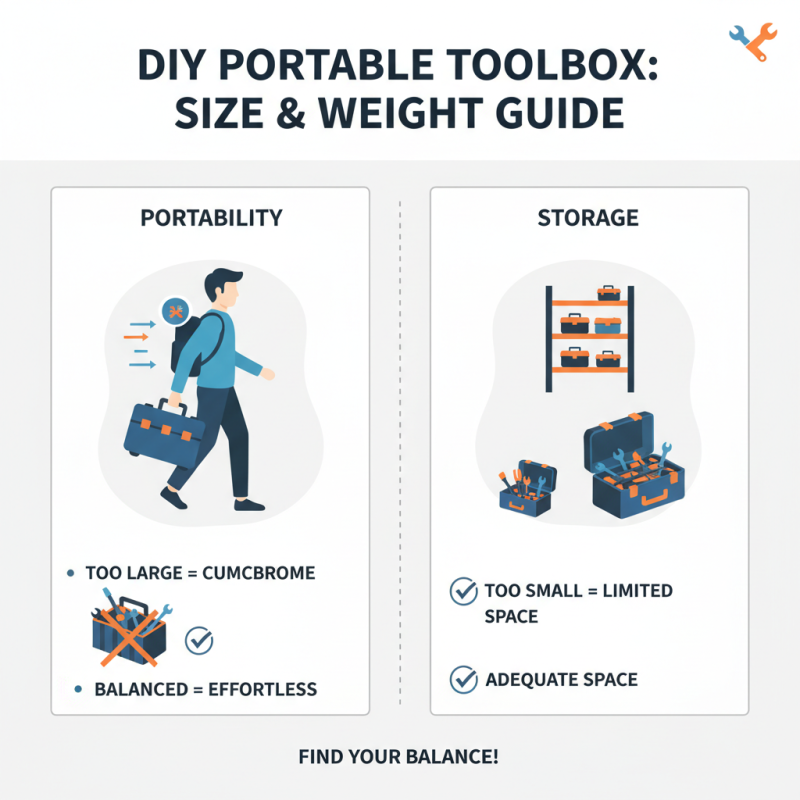
When selecting a portable box tool for your DIY projects, understanding size and weight considerations is crucial for both portability and storage. A tool box that is too large may become cumbersome to carry, while one that is too small might not accommodate all your essential tools. Aim for a balance that allows you to transport your tools effortlessly while still providing adequate space for your equipment.
Tips: Always measure the dimensions of your tools before choosing a box to ensure a snug fit. Consider how you will transport the box; if you will be carrying it in a vehicle, make sure it fits comfortably in your trunk or back seat. Additionally, look for lightweight materials that still provide durability, as this can make a significant difference in ease of handling.
Weight also plays a crucial role in the usability of your portable tool box. A lightweight box can greatly reduce fatigue during transport, especially when working on lengthy projects. However, prioritize stability and sturdiness to protect your tools. Opt for a design that includes handles or straps for easier carrying.
Tips: Test out the box for comfort before purchase. If possible, load it with tools to see how it handles weight distribution. A well-balanced box is easier to carry and will save you from unnecessary strain during your DIY endeavors.
Cost vs. Quality: Finding the Best Value in Portable Tool Boxes
When it comes to selecting a portable tool box for your DIY projects, the balance between cost and quality is pivotal. Many consumers often lean towards cheaper options, but this can be a false economy. A low-priced tool box may save you money upfront, yet it could compromise on durability, security, and functionality. Investing in a higher-quality tool box not only ensures that your tools are well-organized and protected but also provides longevity, making it a better investment in the long run. Therefore, examining the materials, construction quality, and user reviews is essential to avoid frequent replacements.
On the other hand, it’s important to understand that high price doesn’t always equate to high quality. Some tool boxes may carry a hefty price tag due to branding rather than superior functionality or materials. Therefore, it’s crucial to assess which features are essential for your needs—such as size, weight, and interior organization—while also considering comparable options within a similar price range. By evaluating both cost and quality in tandem, you can find a portable tool box that offers the best value, ensuring that your DIY projects proceed smoothly without unnecessary expenditures.