How to Choose the Best Storage Tool Box for Your Needs?
Choosing the right Storage Tool Box can be a challenging task. With numerous options available, it’s easy to feel overwhelmed. Different needs demand different solutions.
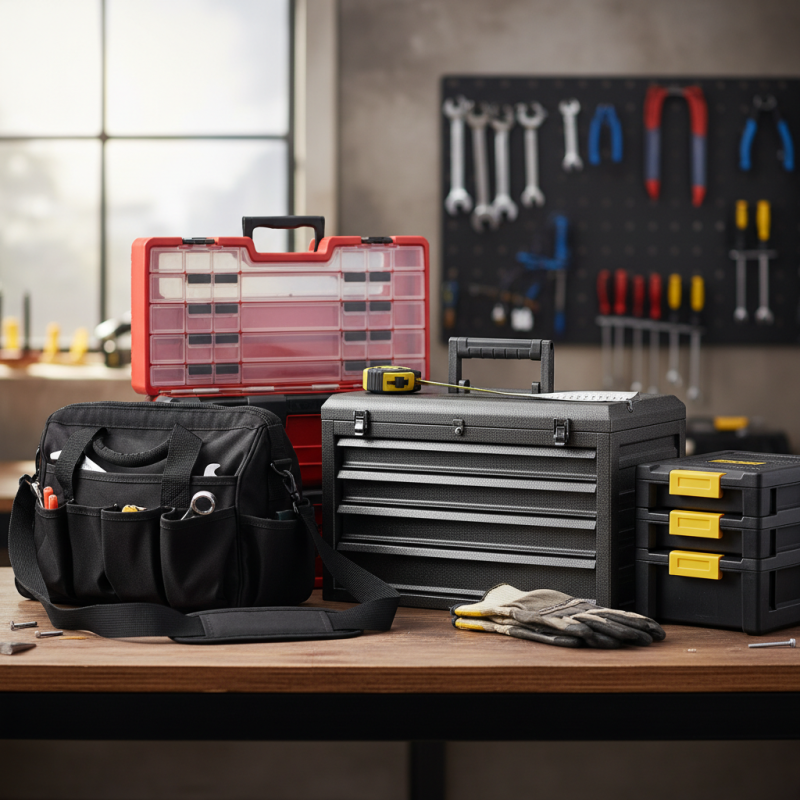
Consider your storage requirements. Do you need it for tools, crafts, or personal items? A well-chosen Storage Tool Box should fit your specific needs. Size matters. A small box might be convenient but could limit your storage capacity. On the other hand, a large box may be cumbersome to carry.
Think about the material as well. Plastic boxes are lightweight and often waterproof, but they may lack durability. Metal options can last longer but might be heavier. Each choice has its pros and cons. Reflect on what works best for your situation. A well-considered decision can lead to better organization and time savings.
Factors to Consider When Selecting a Storage Tool Box
When selecting a storage tool box, it’s essential to consider several factors. Size is crucial. You need a box that accommodates all your tools without wasting space. If it’s too small, tools can get cramped. If it’s too big, extra space can become a mess. The material of the box matters too. Metal offers durability, while plastic is lightweight and often less expensive.
Another aspect to think about is organization. Some boxes have compartments, while others are open. Compartmentalized boxes help keep items sorted. This can save you time when searching for a tool. Additionally, consider the weight of the storage box. If you transport your tools often, a lightweight option may be more convenient.
Keep in mind the weather conditions you face. If you work outdoors, a weatherproof box can protect your tools. However, many overlook the importance of accessibility. Boxes should allow for easy access to your most-used items. It's all about finding a balance. Sometimes what seems perfect in store may not work in real life. Evaluating your unique needs is key.
Types of Storage Tool Boxes and Their Specific Uses
When choosing a storage tool box, it’s important to consider the specific type that best fits your needs. There are several types available, each serving different purposes. For instance, portable tool boxes are ideal for professionals who require mobility. According to recent industry data, 48% of tradespeople prefer these boxes for their lightweight design and easy access.
Another popular option is the modular storage system. These systems provide customizable solutions that adapt to various tools. They are beneficial for workshops where space is limited. In fact, about 35% of users reported that modular boxes improved their productivity by organizing tools more efficiently.
Stackable storage boxes are also noteworthy. They allow users to save space and keep items tidy. However, stacking can lead to instability if not arranged properly. It's estimated that 22% of users have encountered issues due to poorly stacked boxes. Reflecting on these options can help you understand what suits you best and what could work better.
Assessing Size and Capacity for Your Storage Needs
When choosing a storage toolbox, size and capacity are critical factors. A recent industry report indicates that 70% of users struggle with insufficient storage space. This often leads to disorganization and wasted time. Assess your storage needs carefully. Think about the items you will store. Tools, supplies, and equipment vary significantly in size. A tool longer than 24 inches requires more space.
It’s vital to consider how often you'll access these items. Frequent usage needs easy-to-reach storage. A toolbox with a capacity exceeding 25 gallons might feel overwhelming for occasional use. Balance is key. On the one hand, too large a box can lead to clutter. On the other, too small a box means items may not fit. Research shows that nearly 60% of users regret not planning their space better.
Many overlook the weight limit of their storage tools. An overly packed toolbox can be problematic, with reports highlighting that overloading increases physical strain. Ensure the toolbox you choose has the right dimensions and weight tolerance. This can prevent injuries and improve your workflow. Reflect on your toolbox needs before making a choice.итель keenly aware of storage size can bring meaningful organization to your workspace.
How to Choose the Best Storage Tool Box for Your Needs? - Assessing Size and Capacity for Your Storage Needs
| Tool Box Type |
Dimensions (L x W x H) |
Capacity (Liters) |
Material |
Weight (kg) |
| Portable Tool Box |
40 x 20 x 20 cm |
10 |
Plastic |
2.5 |
| Stackable Tool Box |
50 x 30 x 25 cm |
20 |
Metal |
5 |
| Rolling Tool Box |
60 x 40 x 40 cm |
35 |
Plastic |
4 |
| Tool Chest |
80 x 50 x 50 cm |
60 |
Steel |
10 |
| Tool Organizer |
30 x 30 x 15 cm |
5 |
Plastic |
1.2 |
Material Comparisons: Durability and Weight Considerations
When choosing a storage tool box, material plays a crucial role in your selection process. Plastic tool boxes are common. They are lightweight and resistant to rust. However, they may not withstand heavy impacts. Metal options are sturdier but can be heavier. Steel tool boxes provide excellent durability. Yet, their weight can be a disadvantage for some users. Consider your needs carefully.
Beyond weight, think about weather resistance. Some materials offer better protection against moisture. If you work outdoors, a weather-resistant box is essential. Wood also comes into play but may not be as durable over time. It can swell or warp with moisture. Each material brings advantages and drawbacks. Reflecting on these factors ensures you make an informed decision. Finding the right balance between durability and weight is key to your satisfaction.
Durability and Weight Comparison of Storage Tool Box Materials
Budgeting and Cost-Effectiveness in Tool Box Selection
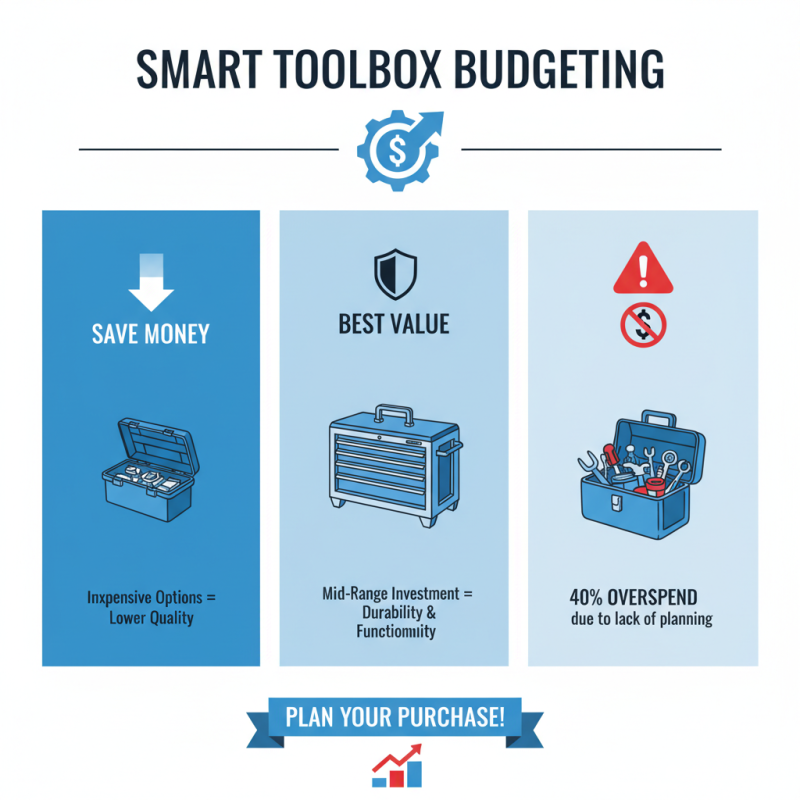
When selecting a storage tool box, budgeting is crucial. Many consumers underestimate costs. A recent industry report showed that 40% of users overspend on tool storage, often due to lack of planning. Tool boxes range widely in price. While inexpensive options can save money, they may compromise quality. Investing in a mid-range toolbox often yields better durability and functionality.
Tip: Set a realistic budget. Consider your storage needs and research options within that limit. Sometimes, a more expensive toolbox lasts longer, reducing replacement costs.
Quality is key, but overpaying isn’t wise. Compare features, sizes, and materials. A budget-conscious shopper should look for discounts, sales, or second-hand options. However, tread carefully with used boxes; they may hide damage. Remember, a sturdy tool box protects your investments.
Tip: Don’t skip warranty checks. A long warranty can enhance cost-effectiveness. It also reflects the manufacturer's confidence in their product. Always read reviews to gauge user satisfaction before purchasing.