How to Choose the Best Tool Storage Solutions for Your Needs?
Choosing the right tool storage solutions is essential for any DIY enthusiast or professional tradesperson. A well-organized workspace enhances efficiency and productivity. Tool storage plays a vital role in achieving this organization. It can prevent clutter and streamline your workflow.
Selecting the best tool storage is not always straightforward. There are many factors to consider, including the types of tools you have, the space available, and your work habits. For example, heavy power tools may require sturdy cabinets, while smaller hand tools can be stored in lightweight organizers. Evaluating your needs will ensure you invest in a solution that truly works for you.
While many options promise to meet your needs, not all are created equal. Some may lack durability or accessibility. The perfect tool storage solution may take time to find. It's important to reflect on what works and what doesn't in your current setup. This thought process will guide you towards a more functional storage system.
Understanding Your Tool Storage Needs
When selecting tool storage solutions, understanding your specific needs is crucial. Every toolkit is unique, shaped by the types of tools you own and how often you use them. Consider the frequency of use and the environment where you work. If you are a weekend DIYer, a compact solution might suffice. However, professionals often require larger, more durable storage options.
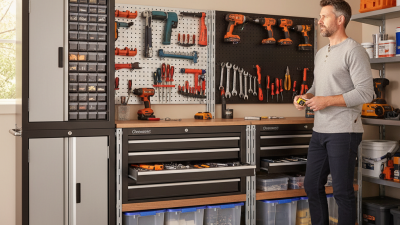
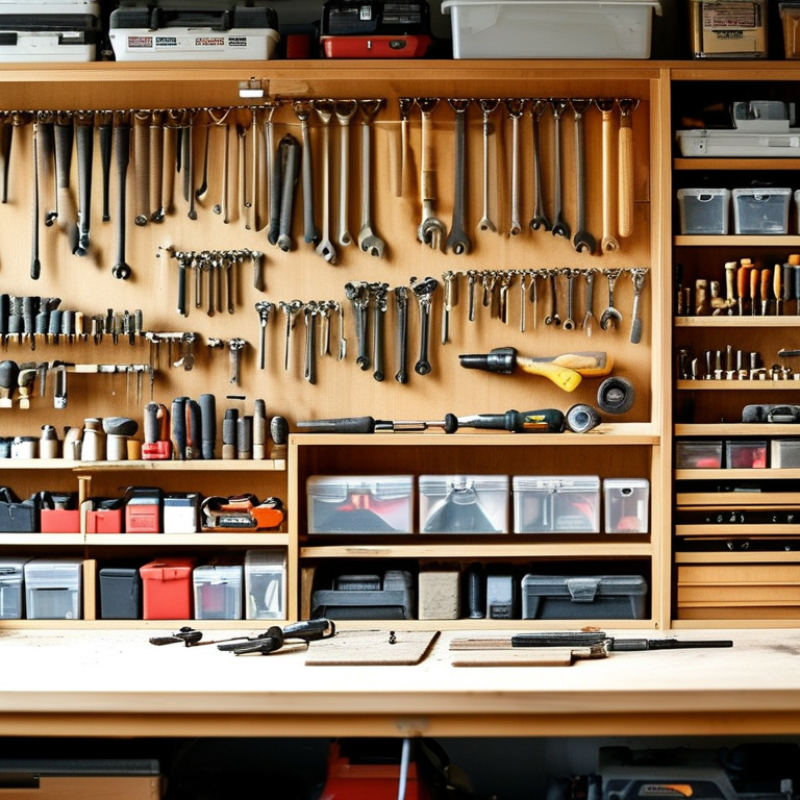
Think about the organization of your tools. A disorganized workspace can lead to frustration and wasted time. Visualize your workflow and plan storage accordingly. A pegboard could work well for smaller items, while large, mobile storage units might suit those with heavier equipment. Reflect on the accessibility of your tools too. If you frequently reach for certain items, let them occupy prime locations in your storage setup.
Finally, don't shy away from imperfection in your tool storage. It’s a journey of trial and error. You might invest in a solution that doesn’t meet your expectations. Learn from those experiences. Your storage should evolve with your needs, adapting as you acquire new tools or change projects.
Tool Storage Solutions Comparison
Assessing Available Space for Tool Storage
When assessing available space for tool storage, careful planning is essential. Many homeowners and professionals underestimate the importance of utilizing vertical space. According to a 2022 survey by the Home Improvement Research Institute, over 40% of respondents indicated that cluttered work areas hinder their efficiency. Using wall-mounted racks and pegboards can maximize storage without sacrificing floor space.
Consider the dimensions of your tools and storage units. Standard tool chests can occupy significant floor area, which might be unsuitable for smaller workshops. A study by the National Association of Home Builders found that tools taking up meeting space can reduce productivity by 30%. Assess your layout carefully—sometimes, a compact foldable solution can be more efficient than a bulky cabinet.
Another factor is accessibility. A well-organized storage area saves time and frustration. The National Institute of Standards and Technology emphasizes that products should be reachable without excessive bending or stretching. It’s essential to create a flow that matches your workflow. Reflect on your tools' frequency of use; plan to store frequently used items within easy reach. This approach not only optimizes your space but also enhances overall effectiveness.
Evaluating Different Types of Tool Storage Solutions
When evaluating different types of tool storage solutions, it’s essential to consider your specific needs. Start by identifying the tools you own. Heavy-duty tools require robust storage options. Lighter tools might fit in simpler organizers. Think about how often you use each tool. Frequently used tools should be accessible. Rarely used ones can be stored away.
Materials matter too. Metal cabinets offer durability but can be heavy. Plastic organizers are lightweight and easy to move. However, they might not withstand heavy use. Consider your workspace. Limited space calls for vertical storage or wall-mounted solutions. These can maximize storage without sacrificing floor space.
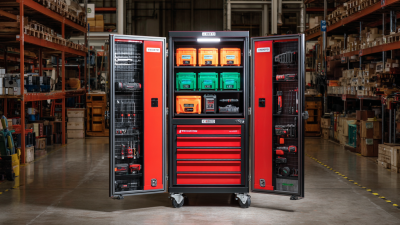
Reflect on your organization habits. Will you keep everything tidy? If not, simple bins may work best. If you thrive on order, choose solutions with drawers and compartments. Think about mobility. Will you move tools to different locations? If so, invest in wheeled storage. It’s easy to overlook these factors. Taking the time to reflect will lead you to the best choice for your tool storage needs.
Comparing Material and Durability of Storage Options
When selecting tool storage options, durability and material are key factors. Metal solutions, like steel chests, offer security and long-lasting strength. They can withstand heavy use, but they may corrode if not properly maintained. Plastic storage bins are lightweight and resistant to moisture. However, they might not be as durable under heavy stress.
Consider your working environment carefully. Humid conditions may lead to rust in metal units, while outdoor use can damage plastic. Choose materials based on your specific needs. For example, wooden cabinets provide a timeless look but are less resistant to wear and tear.
Tips for making the best choice: Evaluate the climate in which your tools are stored. Look for items that come with warranties, indicating manufacturer confidence. Think about your tools' weight and size too. Ensure the storage can handle them. Finally, organizing tools by frequency of use can extend the life of your storage solution.
How to Choose the Best Tool Storage Solutions for Your Needs?
| Storage Type |
Material |
Durability Rating |
Weight Capacity |
Price Range |
| Tool Chest |
Steel |
High |
300 lbs |
$150 - $300 |
| Portable Toolbox |
Plastic |
Medium |
50 lbs |
$30 - $70 |
| Wall-mounted Storage |
Metal |
High |
200 lbs |
$100 - $250 |
| Storage Bin |
Plastic |
Low |
30 lbs |
$10 - $25 |
| Rolling Tool Cart |
Steel |
Medium |
200 lbs |
$80 - $200 |
Budget Considerations when Choosing Tool Storage Solutions
When selecting tool storage solutions, budget considerations play a crucial role. It’s vital to assess what you can afford without compromising quality. Investing in cheaper options might seem appealing initially, but they can lead to added costs down the line. For instance, low-quality storage may not withstand wear and tear, leading to replacements sooner than expected.
Consider the size and volume of your tools. Analyze how much space you require. Smaller, modular solutions can often offer flexibility within a limited budget. Look for options that allow you to expand as needed. This can provide longer-term savings, as you won’t have to buy a complete new system later.
Also, evaluate the available features. While it’s tempting to choose items with numerous bells and whistles, focus on what you truly need. Sometimes, simpler storage can be more effective. Reflect on your habits and choose accordingly. Making informed decisions can lead to satisfying results, both functionally and financially.