Essential Tips for Choosing Garage Storage Systems?
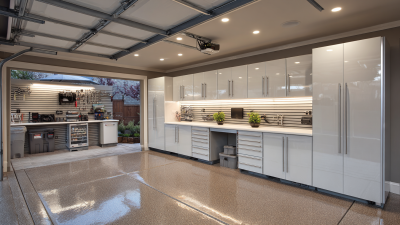
Choosing the right Garage Storage Systems can greatly enhance your home's functionality. With 30% of homeowners reporting their garages as cluttered spaces, the need for efficient storage solutions is clear. Industry expert John Mercer states, "A well-organized garage transforms clutter into productivity." His insights underline the importance of strategic planning in selecting storage systems.
Recent studies show that about 70% of homeowners are unhappy with their current garage organization. Many struggle with wasted space and inadequate solutions. Understanding your needs is vital. You may need shelving, cabinets, or overhead storage. Each option serves a different purpose. Identifying which items require easy access is crucial.
An effective storage system should fit your lifestyle. Avoid one-size-fits-all solutions that may not address your specific requirements. Remember, clutter can accumulate quickly, leading to frustration. Take time to assess your garage's potential. Embrace the challenge of reorganization to create a space that truly works for you.
Understanding Garage Storage Needs: Assess Your Space and Items
When it comes to garage storage, understanding your needs is crucial. Start by assessing your space. Measure the dimensions of your garage. Take note of any obstructions, like pipes or windows. Write down the total area available for storage. This will help you visualize how to utilize the space efficiently.
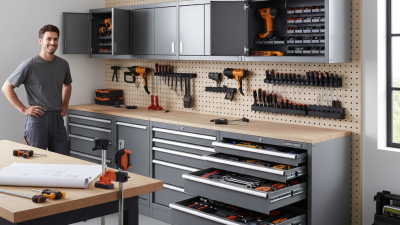
Next, think about the items you need to store. Categorizing these items can simplify your planning process. Group tools, seasonal decorations, and sporting equipment together. This approach makes it easier to determine the type of storage you require. For instance, heavy items may need sturdier shelves or cabinets. A good tip is to leave clear pathways. Avoid overcrowding your storage areas. This allows easy access to frequently used items.
Consider multi-functional units. They maximize utility without taking up unnecessary space. Also, invest in clear bins. They help you see what's inside without opening every box. Finally, take a step back and reflect on your layout. Is it practical? Does it meet your changing needs over time? Adjust as necessary. Your garage should work for you, not the other way around.
Evaluating Different Garage Storage Solutions: Shelving, Cabinets, and Racks
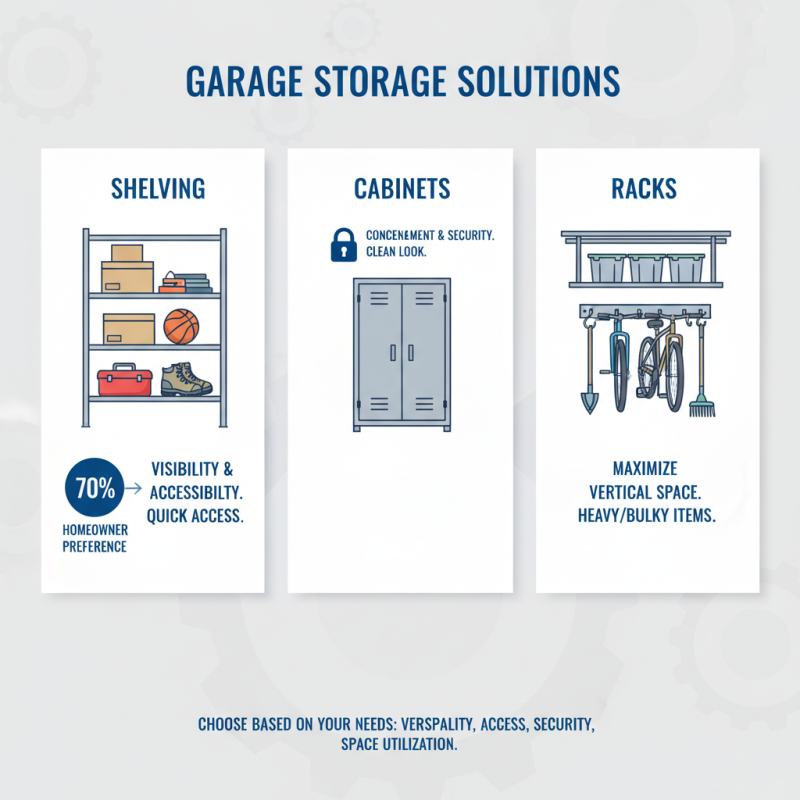
When it comes to selecting garage storage systems, evaluating shelving, cabinets, and racks is crucial. Each option has its own benefits. Shelving is versatile. It can hold boxes, tools, and sporting equipment. According to the American Society of Interior Designers, 70% of homeowners prefer open shelving for visibility and accessibility. This format allows quick access to frequently used items.
Cabinets offer a different appeal. They provide concealed storage, reducing visual clutter. Research shows that 62% of people prefer cabinets for keeping items dust-free. Cabinets can be customized to fit specific needs. This flexibility can be essential for unique garage layouts.
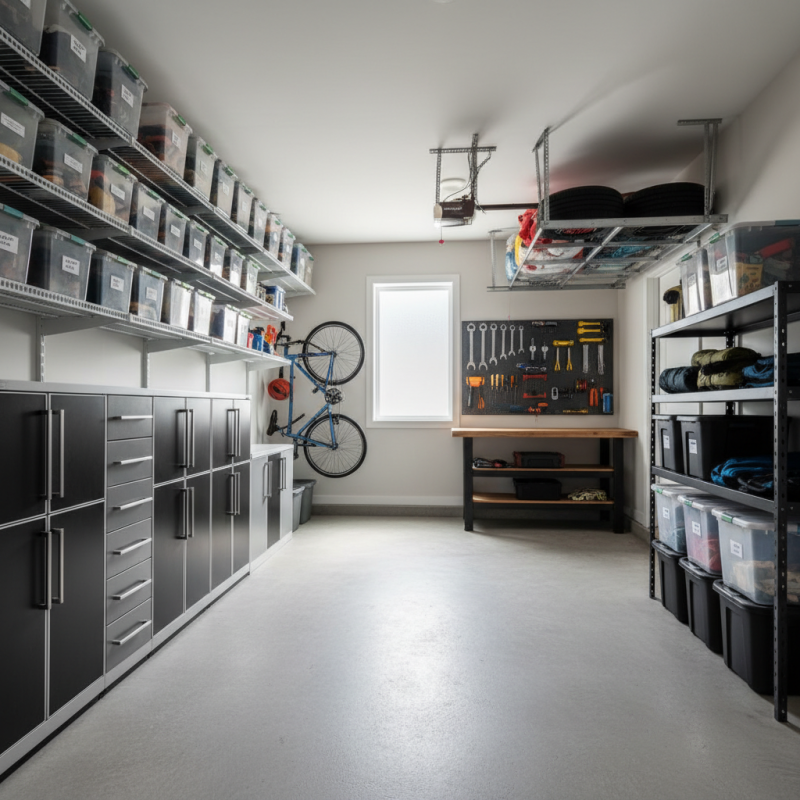
Racks are great for optimizing vertical space. They can hold heavy items like tires or ladders. A report by the National Association of Professional Organizers states that using vertical space can increase storage capacity by up to 50%. However, it’s important to consider the weight limits and installation. Many forget to check these details, leading to poor organization or even accidents. Reflecting on these factors can significantly affect the efficiency of your garage storage setup.
Material Durability: Comparing Steel, Plastic, and Wood for Garage Use
When it comes to garage storage systems, material durability is key. Each material offers unique advantages and drawbacks. Steel is known for its strength. It can support heavy tools and equipment well. However, it is prone to rust without proper treatment. This can be a major issue in humid climates. On the other hand, plastic is lightweight and resistant to moisture. It won’t corrode, but it might not hold up under extreme weight. If you stack too much, it may bend or break.
Wood presents a different challenge. It provides aesthetic appeal and can handle weight effectively. However, it does require maintenance. Untreated wood can warp when exposed to moisture. Also, its lifespan can diminish if not cared for properly. Think about where you live. Will the weather affect your storage?
Consider your unique needs. How much weight do you need to store? Will your garage be exposed to humidity? Look around at what you have. A mix of materials could be beneficial. You might find your perfect balance with a combination. Evaluate each option carefully. Your garage should be both functional and durable.
Material Durability Comparison for Garage Storage Systems
This chart compares the durability ratings of three common materials used for garage storage systems: Steel, Plastic, and Wood. A higher score indicates greater durability, making Steel the best choice for long-lasting storage solutions.
Space Optimization Techniques: Vertical Storage and Modular Systems
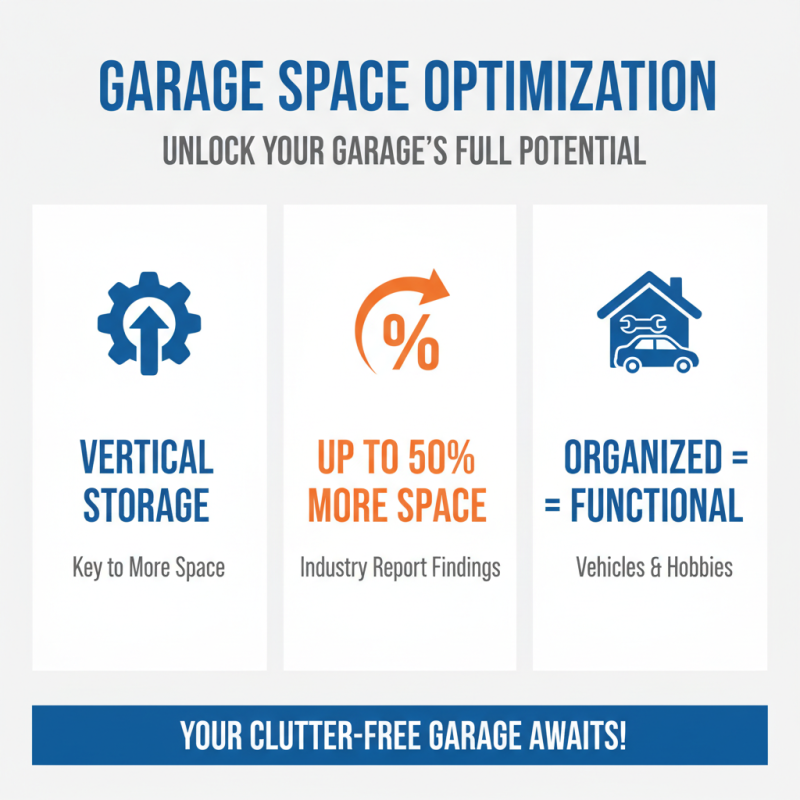
When it comes to garage storage, space optimization is key. Utilizing vertical storage can dramatically increase your workspace. According to a recent industry report, vertical storage systems can help maximize space by up to 50%. By staying organized, you can turn a cluttered garage into a functional area for both vehicles and hobbies.
Think about modular systems. They allow you to customize your storage based on your needs. This flexibility means you can adapt as your storage demands change. Many homeowners overlook the potential of wall-mounted shelves and hooks. These elements can transform walls into powerful storage solutions.
Tip: Start small. Assess your garage and identify underutilized areas. You might find empty wall space or corners just waiting for shelves. Consider clearing the floor if possible. Creating a neat garage workspace can enhance productivity and make maintenance easier. Reflect on what items you truly need, and let go of the rest. Letting go can be a challenge, but it's essential for an organized space.
Budgeting for Garage Storage: Average Costs and Long-Term Investment Benefits
When choosing garage storage systems, budgeting is crucial. Understanding average costs can prevent overspending. Basic shelving units might cost around $50 to $150. More elaborate systems can reach upwards of $500. Consider how much space you really need. Sometimes, less is more.
Long-term investment benefits often outweigh initial costs. Quality storage can last years, reducing future expenses. Think about what you want to store. Tools, bikes, and seasonal decorations need different solutions. Investing in durable materials can save money over time. However, it's easy to overbuy or get distracted by flashy options.
Reflect on your garage layout before making purchases. Plan everything meticulously. Sketching your ideal storage can bring clarity. It allows you to visualize the space better. Avoid impulse buying; it often leads to regret. Instead, take your time and reassess your needs before committing.