Leave Your Message

How to Choose the Best Hardware Tool Set?

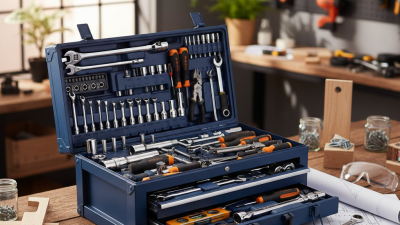
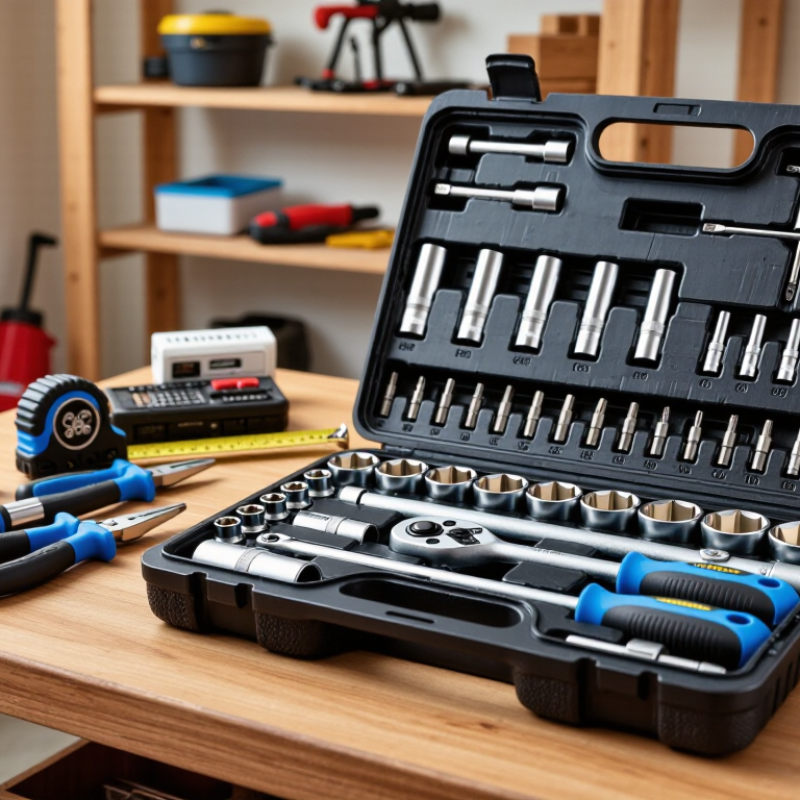
Choosing the best Hardware Tool Set is not about collecting the largest number of tools. It is about matching reliable equipment to real tasks, working habits, and future repairs. A drawer filled with unused pieces may look impressive, but it can waste money and space. A smaller set with strong ratchets, comfortable screwdrivers, durable pliers, and accurate measuring tools often performs better.

Tom Silva, a respected master carpenter and television tool expert, offers practical advice: “The right tool makes the job easier, safer, and more accurate.” That principle matters when comparing tool sets. Check the steel quality, handle comfort, socket sizes, storage design, and warranty. A smooth ratchet should not slip under pressure. Screwdriver tips should fit fasteners without wobbling. Pliers should open evenly and grip firmly.

Look closely.

Your project list should guide the purchase. Homeowners may need a versatile metric and imperial selection for furniture, bicycles, appliances, and basic maintenance. Automotive users may require deeper sockets, extensions, and stronger torque tools. Professional tradespeople usually need higher durability and faster access.

There is no perfect set.

I have learned that even an expensive Hardware Tool Set can disappoint when its case breaks or its most-used sizes are missing. Brand reputation helps, but it should not replace hands-on inspection. Compare specifications, read verified user experiences, and consider replacement availability. A thoughtful choice saves time at the workbench and reduces frustration during unexpected repairs. The best set is the one you will actually use, maintain, and trust when the job becomes difficult.
How to Choose the Best Hardware Tool Set?

Define Your Typical Projects and Tool Requirements

How to Choose the Best Hardware Tool Set?

Define your typical projects before comparing tool counts. A basic household set suits hanging shelves, tightening fixtures, and assembling furniture. Repairs involving plumbing, electrical work, or masonry require different tools and safety equipment. Write down five projects completed during the past year. Note the fasteners, materials, and working spaces involved. A compact set may be enough for an apartment. A house with a garage demands deeper coverage.

The Harvard Joint Center for Housing Studies reported that homeowner improvement and maintenance spending was projected to reach about $485 billion by early 2025. That figure reflects constant repair activity, not a reason to buy everything. Choose tools around recurring tasks. For woodwork, prioritize measuring, marking, cutting, and clamping tools. For bicycle or appliance maintenance, select compatible sockets, hex keys, and torque tools. Check handle comfort and storage quality during an actual trial. I once overvalued a large wrench selection and ignored awkward grip design. That mistake still matters.

Tips: Build a project-based checklist. Buy gaps, not duplicates. Confirm measurement systems before purchase. Read safety guidance from recognized trade organizations and government agencies. The U.S. Bureau of Labor Statistics continues to report significant hand and power tool injuries, so eye protection and correct tool use deserve space in the budget. Do not treat a kit as complete forever. Your projects will expose its weak points. That is useful evidence.

How to Choose the Best Hardware Tool Set? - Define Your Typical Projects and Tool Requirements

Match the tool set to the materials, fasteners, workspace, and frequency of your typical projects.

Typical Project Common Materials and Fasteners Essential Tools Recommended Specifications Useful Accessories Set Priority
Furniture Assembly Wood panels, particleboard, threaded inserts, Phillips and hex fasteners Screwdriver set, hex-key set, adjustable wrench, tape measure, level Metric hex keys from 1.5–10 mm; screwdriver tips for Phillips, slotted, Pozidriv, and Torx fasteners; 3–5 m tape measure Bit holder, magnetic parts tray, felt pads, spare batteries if using a cordless driver High
Wall Mounting and Shelving Drywall, wood studs, masonry, wood screws, wall plugs, anchors Drill/driver, drill-bit set, stud finder, level, screwdriver, hammer Variable-speed drill; masonry bits for brick or concrete; 6–10 mm wood and multipurpose bits; level at least 300 mm long Dust mask, safety glasses, wall-plug assortment, countersink bit, cable detector High
Basic Plumbing Repairs Plastic or copper fittings, supply lines, compression nuts, pipe threads Adjustable wrench, tongue-and-groove pliers, basin wrench, utility knife Adjustable wrench with opening of approximately 25–30 mm; slip-joint or groove-joint pliers with non-slip jaws PTFE thread-seal tape, replacement washers, small bucket, flashlight, deburring tool High
Bicycle and Small Mechanical Work Steel fasteners, aluminum components, hex bolts, Torx bolts, cable clamps Hex-key set, Torx-key set, combination wrenches, pliers, tire levers Metric sockets and wrenches from 8–17 mm; hex keys from 2–10 mm; compact ratchet with a 1/4-inch drive Tire-pressure gauge, patch kit, cable ties, thread locker, torque wrench for critical fasteners Medium to High
Woodworking and DIY Repairs Softwood, hardwood, plywood, wood screws, nails, brackets Hand saw, drill/driver, clamps, chisel, hammer, measuring and marking tools Hand saw with approximately 7–10 teeth per inch for general wood cutting; drill bits from 3–10 mm; clamps with at least 100 mm capacity Combination square, sanding block, spare blades, carpenter pencil, dust mask, hearing protection High
Automotive Maintenance Steel bolts, nuts, hose clamps, battery terminals, plastic trim fasteners Socket set, ratchet, combination wrenches, screwdrivers, pliers Metric sockets commonly covering 8–19 mm; 3/8-inch drive for general work; six-point sockets reduce fastener rounding Extensions, universal joint, trim-removal tools, work light, gloves, torque wrench, drain pan High for vehicle owners
Electrical and Low-Voltage Tasks Copper wire, insulated terminals, cable jackets, small screws and clamps Insulated screwdrivers, wire stripper, side cutters, long-nose pliers, voltage tester Tools rated for the applicable electrical work; wire stripper matched to the conductor range; insulated handles for work near energized circuits Cable ties, electrical tape, terminal assortment, fish tape, headlamp, non-contact voltage tester High with safety focus
Outdoor and Garden Maintenance Wood, soil, plant stems, galvanized hardware, hose fittings Pruning shears, loppers, garden spade, hand trowel, hammer, adjustable wrench Bypass pruners for live stems; loppers for thicker branches; corrosion-resistant surfaces and comfortable, non-slip handles Sharpening file, cleaning brush, work gloves, kneeling pad, hose-washer assortment Medium to High
Choose the Right Drive Size
Use a 1/4-inch drive for small fasteners, a 3/8-inch drive for general household and automotive work, and a 1/2-inch drive for larger fasteners requiring higher torque.
Prioritize Fit and Durability
Select tools with accurate fastener fit, comfortable grips, corrosion-resistant finishes, and clearly marked sizes.
Buy for Frequency of Use
Start with essential tools for weekly tasks, then add specialized tools only when a recurring project justifies them.

Compare Essential Tools, Materials, and Set Components

A good hardware tool set should match your real tasks, not just contain the most pieces. For home repairs, compare screwdrivers, pliers, a claw hammer, hex keys, a measuring tape, and a compact level. A socket set becomes valuable for furniture, bicycles, and light mechanical work. I once chose a large set because the case looked impressive. Half the tools stayed untouched, while the missing medium-size screwdriver caused repeated frustration.

Material quality affects control, durability, and safety. Look for hardened steel tools with clear size markings and smooth working surfaces. Chrome-vanadium steel often provides useful strength for sockets and wrenches. Handles should feel firm, textured, and comfortable when your hands are tired. Rubber-like grips can reduce slipping, but they may degrade if stored in heat or oil. Check the case hinges and tool slots, too. A strong tool can still become inconvenient when its storage case breaks.

Set components deserve careful comparison. Count useful sizes instead of trusting the piece total. Metric and imperial measurements may both matter in older homes or mixed equipment. A ratchet with a reversible direction switch saves time, while extension bars improve access in narrow spaces. Include spare bits only when they fit common fasteners. Avoid sets with vague material descriptions or loose tolerances. They may perform well at first, but poor fit can damage fasteners and hands. I still prefer a smaller set with accurate tools, although I sometimes underestimate how useful a longer handle can be.

Evaluate Quality, Durability, and Ergonomic Design

How to Choose the Best Hardware Tool Set?

A reliable hardware tool set should feel solid before you ever use it. Hold each tool and check for clean edges, even joints, and secure handles. Quality steel should resist bending under normal household pressure. Look for precise teeth on pliers and smooth movement in adjustable parts. A loose hinge can become frustrating after only a few projects. I once chose a cheaper set with bright packaging, but several drivers wore down quickly. That mistake changed how I judge tools.

Durability depends on materials, construction, and storage. Protective finishes can reduce rust in damp garages, but they cannot replace proper care. Choose tools with readable size markings and cases that prevent pieces from sliding around. Ergonomic design matters just as much. Handles should fit your palm without sharp seams or excessive bulk. A balanced hammer reduces wrist strain during repeated use. Test the grip with your dominant hand. Then test it again with gloves. Small differences become obvious.

Tips: Compare handle comfort, not just tool count. Check whether the case opens easily and stays closed. Avoid sets with impressive variety but weak essential tools. Pay attention to your actual projects. A compact set may be better for apartment repairs, while heavier tools suit workshop tasks. Do not ignore fatigue. It is easy to overlook when buying. Personally, I still prefer a slightly smaller set if every tool feels dependable. My judgment is not perfect, so I inspect returns and read long-term user experiences before purchasing.

Check Compatibility, Storage, Maintenance, and Safety Features

Choosing the best hardware tool set starts with compatibility, not the number of pieces. Check whether the sockets match your fasteners, including metric and imperial sizes. Confirm the drive size and torque range before buying. A mismatched tool can round a bolt or slip unexpectedly.

Storage also affects daily performance. Choose a case with firm compartments, clear labels, and enough room for future additions. I once kept loose tools in a deep drawer. Finding the right socket wasted more time than expected. Look for rust-resistant materials, but do not trust storage alone. Wipe tools dry after use, especially after working outdoors. Inspect handles, jaws, cutting edges, and cables regularly. Replace damaged items instead of forcing them through another job.

Tips: Keep a small cloth inside the case. Store tools away from moisture. Use the correct tool for each task. Never use a cracked handle or worn socket. For electrical work, use properly rated insulated tools and follow qualified safety guidance. Wear eye protection when cutting, striking, or drilling. A torque wrench may need periodic calibration, even when it still feels accurate. That detail is easy to overlook. Safety features should support careful habits, not replace them. A well-organized set reduces rushed decisions, but I still recheck every connection before applying force.

How to Choose the Best Hardware Tool Set?

Recommended evaluation weights for compatibility, storage, maintenance, and safety features

Compatibility receives the highest weighting because tools should match the fastener types, sizes, and materials used in your projects. Storage helps protect tools and improves accessibility, while maintenance supports long-term performance. Safety features are essential for reducing misuse and injury risks, especially when selecting tools for frequent or demanding work.

Balance Set Price, Warranty, and Long-Term Value

A good hardware tool set is not simply the cheapest box on the shelf. Price should be measured against steel quality, case strength, replacement support, and expected use. In my workshop, a low-cost ratchet once failed after repeated high-torque work. The replacement cost erased the original saving. Warranty terms matter because coverage length means little without clear exclusions, proof requirements, and accessible service.

Industry data supports a careful buying approach. The National Retail Federation’s 2023 Consumer Returns in the Retail Industry report estimated that 14.5% of annual retail sales were returned. A flexible return policy can therefore reduce purchasing risk, especially when tools feel different in actual use. The U.S. Census Bureau’s Annual Retail Trade Survey also tracks hardware-store sales as a distinct retail category, showing how significant this market remains. Still, reported market size does not prove durability. That requires practical testing.

Tips: Compare the cost per usable tool, not the piece count. Check ratchet tooth movement, socket markings, hinge alignment, and case latches. Read warranty exclusions carefully. Look for replacement coverage on individual pieces. If a set includes many rarely used adapters, its apparent value may be misleading. I still occasionally buy oversized sets for convenience. That is not always rational. A smaller, repairable set may serve better over ten years. Keep receipts and inspect tools after heavy use. Small cracks should not be ignored.