10 Portable Box Tool Buying Tips for Global Buyers
Buying a Portable Box Tool for international markets involves more than comparing prices or choosing a familiar color. Buyers must consider how the box will perform in workshops, service vehicles, warehouses, and changing weather conditions. A few millimeters can affect whether a drawer closes smoothly or tools fit securely. Details matter.
This guide introduces ten practical checks for evaluating products and suppliers. It covers materials, dimensions, load capacity, drawer movement, handle comfort, locking options, and protective finishes. Ask for clear specifications, product photographs, and samples when possible. Then check the stated measurements against the tools and storage space the box must accommodate. A polished product page is useful, but it cannot confirm build quality by itself.
Global purchasing adds further questions. Packaging, minimum order quantities, production lead times, shipping arrangements, and after-sales support can all affect the final buying decision. Request written answers, compare quotations on the same basis, and confirm what each price includes. Small gaps in communication can become costly delays. Still, verify twice.
Supplier claims should be checked against available product documentation and sample inspections, rather than accepted at face value. Where performance matters, ask how capacity or durability claims were assessed. Requirements vary by market and application, so buyers should confirm relevant specifications with qualified local professionals when needed. No checklist removes every risk. Some judgments remain imperfect, especially when a product has not yet been tested in daily use. These tips offer a grounded starting point for making a more informed purchase.
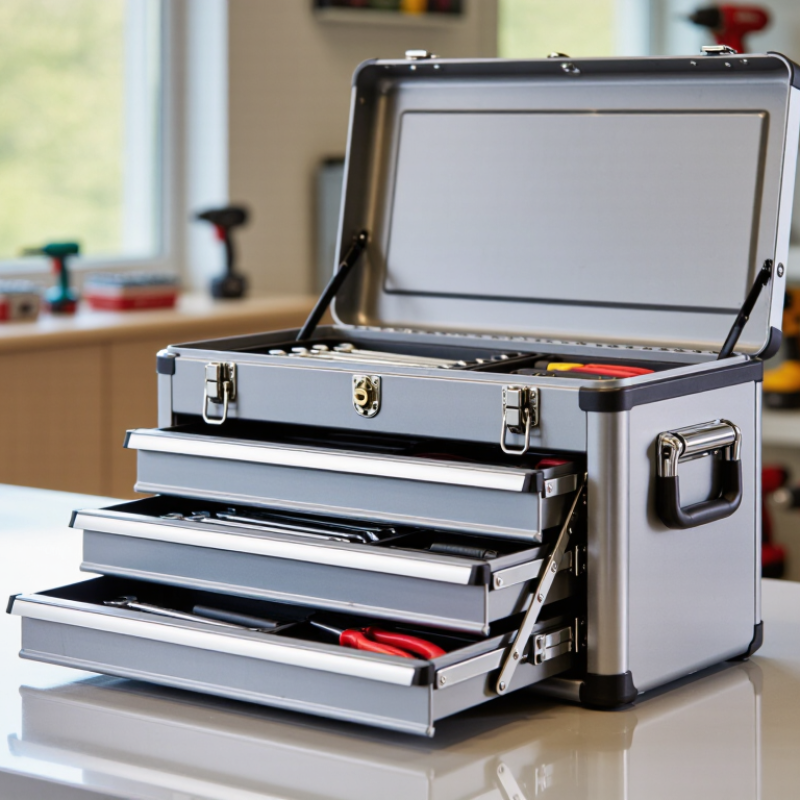
Define Your Tool Storage Needs and Intended Use
Before choosing a portable tool box, define the work it must support.
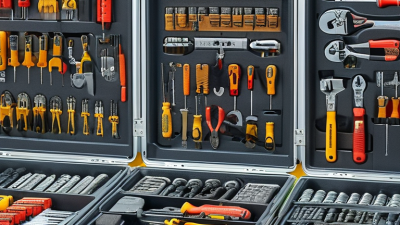
Will it hold tools for home repairs, field maintenance, or frequent installation visits? A box for screwdrivers and a meter needs different space from one carrying a drill, sockets, and spare fasteners. Start with the work. List the tools you use each day, then measure their longest handles and largest cases. Leave room for tools you genuinely need, not every tool you might use someday. That distinction helps keep the box manageable.
Think about the route, too. A box carried up stairs should remain comfortable when fully loaded, while a vehicle-based kit can prioritize capacity. Check the empty weight, handle grip, latches, and whether small screws stay put when the box is tilted. Dust, moisture, and rough handling may affect material choice, but a tool box should not be assumed waterproof. It is easy to overestimate storage needs; an unused compartment may be better than an awkward load. Still, a cramped layout can slow work when your tools change. Sketch a layout or pack a sample set before ordering. Confirm internal dimensions, especially when fitting tools with mixed sizes.
Compare Box Materials, Construction, and Weather Resistance
Portable box tools face more than rough handling. They may travel through humid ports, cold warehouses, and sudden rain. Compare the material against the route, not just the product photo.
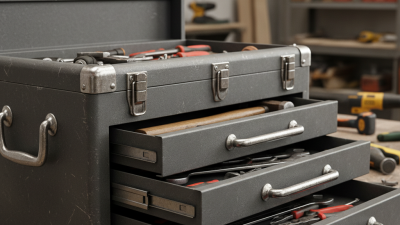
Steel cases resist dents and protect heavy tools, but they add weight and can corrode when coatings are damaged. Aluminum is lighter and naturally forms a protective oxide layer, though thin panels may deform under impact. Polymer boxes avoid rust and are easy to wipe clean. Check for brittle corners, especially if the box will be stored in cold conditions. This is easy to overlook.
Construction details matter. Inspect the hinge pins, handle attachments, latch alignment, and corner joints. A handle fixed only to a thin lid can loosen under repeated lifting. Look for reinforced mounting points and seams that sit flush. Gaskets help keep out dust and splashes, but they do not automatically make a box waterproof. Ask what exposure rating was tested, and whether the closed box was tested with its actual latches.
Weather resistance depends on design and care. Salt air can damage exposed metal, while prolonged sunlight may weaken some plastics. A drain plug, replaceable seal, or corrosion-resistant fastener can be useful, depending on the job. A heavier box can feel reassuring, but weight alone proves little. Compare sample units if possible; real corners and closures tell a less polished story than a catalog image.
Assess Capacity, Compartments, Portability, and Security
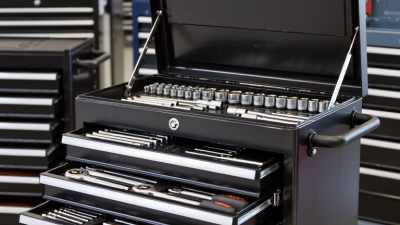
For global buyers, compare usable capacity rather than the box’s outside dimensions. Measure the longest tool, such as a 40-centimeter wrench, and check whether it fits without pressing against the lid. A box packed to the brim is harder to close and slower to search. Leave a little spare room. It may feel wasteful at first, but it helps when your tool set changes.
Tips: Check compartment depth, not just quantity. Small screws can spill between shallow dividers when the box tilts. Look for adjustable sections, secure latches, and a handle that feels comfortable when the box is loaded. If possible, test the grip with gloves on.
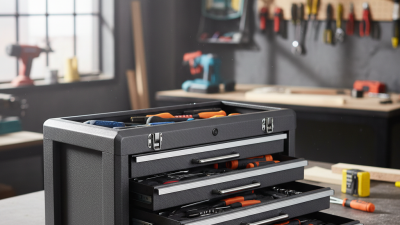
Portability depends on weight, balance, and the route between storage and work. A compact box can still feel awkward if heavy tools sit at one end. For frequent carrying, compare the loaded weight and inspect the handle attachment points. Security matters too: a lid that stays shut during transport protects tools from loss and damage. For shared workplaces, consider a lockable design, while remembering that extra hardware can add weight. No layout suits every crew; checking a real tool load is more reliable than choosing by appearance alone.
Check Standards, Customization, and Supplier Reliability
For a portable box tool, check the standard against its intended market and use. Ask the supplier for current test reports, material details, and clear measurements, not just a printed claim. Confirm that the handle, hinges, and latches can withstand repeated opening and carrying. Small details matter. A box that looks sturdy on a desk may flex when loaded. I would not rely on appearance alone; that is an easy mistake to make.
Tip: Request a sample with your planned layout, then test it with the actual tools. Check whether compartments keep small parts in place during a short carry. Discuss custom colors, labels, foam inserts, and minimum order quantities before approving production. Changes can affect price and lead time. Keep the agreed dimensions and finish in writing.
Supplier reliability needs more than a quick reply. Ask how defects are recorded, who checks production, and how schedule changes are communicated. Request dated photos or inspection records for a pilot run. Ask for evidence. Compare answers with the sample and documents you receive. One overlooked point: a helpful sales contact does not always control quality checks, so confirm who handles them. Good suppliers should explain limits plainly, not promise perfection.
10 Portable Box Tool Buying Tips for Global Buyers — Check Standards, Customization, and Supplier Reliability
Suggested evaluation priorities on a 1–5 scale. These illustrative ratings are a buyer’s checklist guide, not survey results.
Compare Total Cost, Shipping, and After-Sales Support
A portable box tool may look inexpensive until freight, duties, and delivery fees are added. Compare the complete landed cost, not just the unit price. Ask for a written quote showing packaging, shipping method, insurance, and delivery terms. A low quote can be expensive. Confirm whether the tool’s packed dimensions trigger extra charges, since bulky cartons may cost more than their weight suggests.
Shipping time matters too. Request the estimated dispatch date and transit range, then check whether those dates include customs clearance. Ask how the tool is protected against moisture and impact; a dented case can delay use even when the tool itself works. For a small trial order, air freight may be practical, while larger shipments often need a different cost comparison. These are estimates, not promises.
After-sales support should be checked before payment. Confirm the warranty period, what it excludes, and who pays return freight for a faulty unit. Ask whether common replacement parts are available and how quickly support usually replies across time zones. Get those details in writing. A reply that sounds helpful is not always a service plan. It is easy to overlook this when comparing neat price sheets, and I would still verify local repair options before placing a large order.