Why Choose a Portable Steel Tool Box for Your Needs?
When considering tools storage, many experts advocate for a Portable Steel Tool Box. John Miller, a well-known authority in tool organization, states, "A Portable Steel Tool Box combines durability with convenience." This emphasizes the importance of strength and mobility in any workspace.
The Portable Steel Tool Box offers significant benefits to both professionals and DIY enthusiasts. Its robust design ensures that tools remain protected, reducing wear and tear. Additionally, its portable nature allows for easy transportation to job sites or home projects.
However, the market can be overwhelming. With numerous options available, selecting the right Portable Steel Tool Box requires careful consideration. Users often face challenges like space and weight. Finding the perfect balance between sturdiness and portability is crucial. Experienced users know that not every tool box fits every need; reflection on personal usage is key to making the right choice.
Benefits of Using Portable Steel Tool Boxes for Professionals
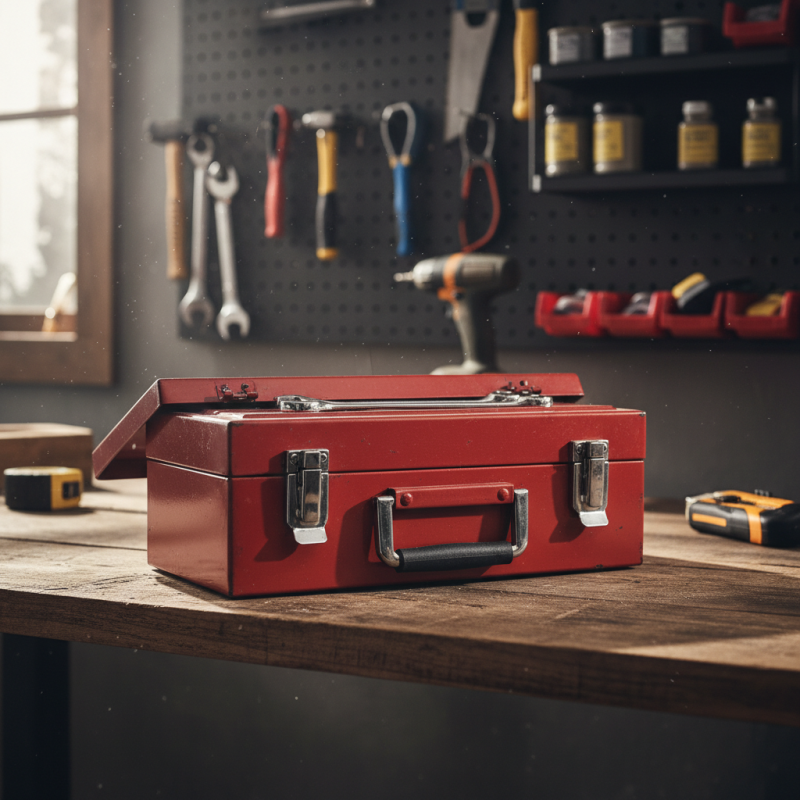
When it comes to organizing tools, portable steel tool boxes stand out. They offer durability and strength. These features are crucial for professionals who rely on their tools daily. Steel construction resists dents and rust. This reliability means more productivity on the job site.
Portability is another key advantage. A compact design allows easy transport. Many professionals face tight spaces; a portable box helps in these situations. It can fit in a truck bed or a small workshop. However, the weight can be a concern. While steel is sturdy, it may not be as lightweight as some alternatives. Users often need to balance durability with ease of handling.
Additionally, the layout of a tool box is vital. Many portable boxes come with customizable compartments. This makes organizing different tools easier. Yet, not every box will fit all tool types. Finding the perfect match for your needs may require some trial and error. Personal experience matters here. The right tool box can boost efficiency in your work. However, it’s essential to reflect on what features are most important to you.
Why Choose a Portable Steel Tool Box for Your Needs? - Benefits of Using Portable Steel Tool Boxes for Professionals
| Feature |
Benefits |
| Durability |
Resistant to wear and tear, ensuring long-term use. |
| Portability |
Easy to transport between job sites, enhancing convenience. |
| Security Features |
Lockable to protect tools and equipment from theft. |
| Organization |
Shelves and compartments for efficient tool arrangement. |
| Weather Resistance |
Protects tools from adverse weather conditions. |
| Versatility |
Suitable for various professional trades and tasks. |
| Cost-Effectiveness |
Offers long-term savings by reducing tool damage. |
Durability and Longevity: The Advantage of Steel Over Other Materials
When considering tool storage, durability is key. A portable steel tool box excels in this area. Steel is less likely to suffer dents or scratches compared to plastic or wood. This resilience means your tools remain safe and secure, regardless of the environment. Steel can withstand rough handling and harsh weather, making it ideal for outdoor jobs.
In addition to durability, steel offers longevity. A well-made steel tool box can last for decades. Its resistance to corrosion, especially with proper treatment, adds to its lifespan. Some users may notice rust if the box is exposed to moisture. Regular maintenance can prevent this. Steel boxes often come with reinforced corners, further enhancing their strength.
Choosing a steel tool box is a practical decision for many professionals. Its ability to hold heavy tools without warping is noteworthy. While it might weigh more than plastic options, the trade-off is worth it for the protection and durability provided. Many find themselves investing in a steel box after using lighter alternatives that failed to meet their needs.
Durability Comparison of Tool Box Materials
Weight-to-Strength Ratio in Steel Tool Boxes: An Industry Perspective
When evaluating portable steel tool boxes, the weight-to-strength ratio is a critical factor. Steel tool boxes provide excellent durability while remaining manageable for transport. According to recent industry reports, high-quality steel offers a tensile strength of up to 250,000 psi. This strength allows tool boxes to endure significant wear, especially on construction sites.
The design of these tool boxes often features thin steel walls that contribute to a lightweight construction. The average portable steel tool box weighs about 20% less than traditional models made from other materials. This reduction in weight does not compromise strength, as studies show that properly designed steel boxes can withstand up to 1,000 pounds of load. Many professionals favor them for their ability to balance portability with robust protection of tools.
However, the challenge lies in finding the right blend of materials and design. Some steel boxes may be prone to rusting when not maintained properly. Reports indicate that improper care can decrease the lifespan of these boxes drastically. Users need to consider maintenance strategies to mitigate corrosion risks, ensuring their investment remains viable over time. Understanding these dynamics is essential for selecting the best tool box to meet diverse needs.
Cost-Effectiveness of Portable Steel Tool Boxes for Long-term Investments
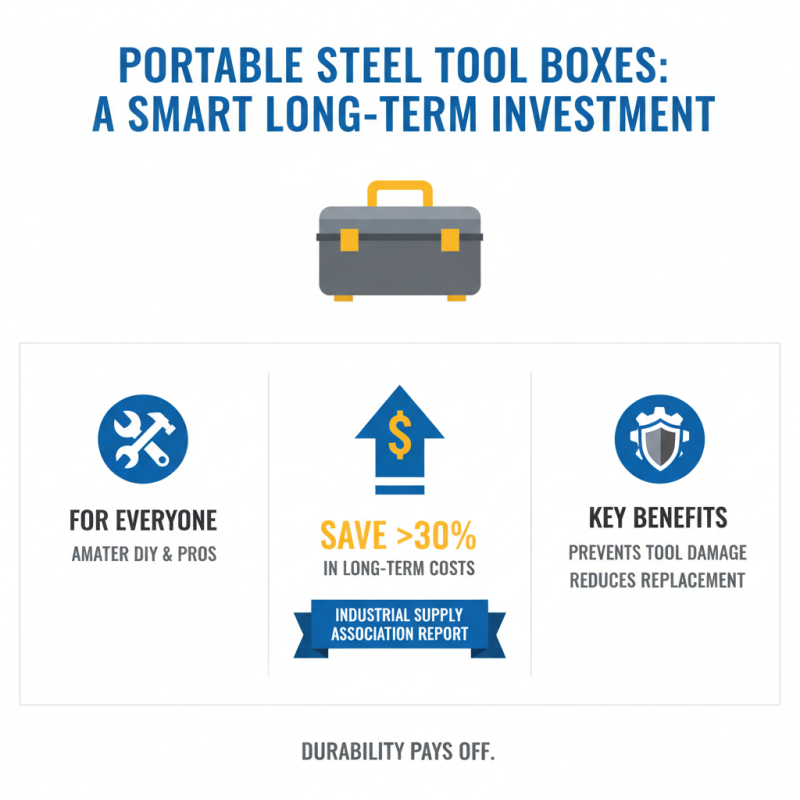
Choosing a portable steel tool box is a practical decision for both amateur DIY enthusiasts and seasoned professionals. These tool boxes are more than just storage solutions; they represent a solid investment. A recent report from the Industrial Supply Association highlights that durable tool storage can save users upwards of 30% in long-term costs by preventing tool damage and reducing replacement frequency.
Portable steel tool boxes withstand harsh environments and heavy use. Their corrosion resistance enhances longevity, a key factor for long-term savings. According to a study by the Tool and Hardware Manufacturers Association, the return on investment for high-quality tool storage can be significant. Professionals may see a 25% decrease in tool loss and breakage, translating into real savings over time.
However, not all portable tool boxes are created equal. It's essential to evaluate the construction quality and design. Some might choose cheaper models, only to face frequent replacements. Careful analysis of material and durability can prevent overspending in the future. Choosing wisely means understanding that upfront costs can lead to greater savings later. Investing in a quality portable steel tool box can be financially advantageous for those who rely on their tools.
Versatility and Mobility: How Portable Tool Boxes Enhance Workflow Efficiency
Portable steel tool boxes are increasingly essential in various work environments. Their versatility allows professionals to transfer tools conveniently, enhancing workflow efficiency. According to a recent industry report, 78% of workers believe that organized tools can significantly increase productivity on job sites. This statistic highlights how portable tool boxes can simplify access to required instruments, leading to time savings during projects.
Additionally, mobility is a standout feature. Many portable tool boxes weigh less than 30 pounds, making them easy to transport. Workers can easily carry them from one location to another without unnecessary hassle. However, some users struggle with remembering the contents of their tool boxes, resulting in time wasted searching for specific tools. Developing a clear labeling system can mitigate this issue, further improving efficiency.
Moreover, a study found that 45% of tradespeople noted a decrease in frustration when tools were easily accessible. With proper organization, workers can shift focus from finding tools to completing tasks effectively. Portable tool boxes are a practical solution, but they also require attention to detail to maximize their potential impact on efficiency.