Leave Your Message

What Is a Storage Tool Box Used For?

A Storage Tool Box is more than a container with a handle. It creates a defined place for spanners, drills, sockets, fasteners, and measuring tools. In a workshop, that simple structure can reduce searching, protect delicate equipment, and make missing items easier to notice. The difference is visible: a labeled drawer closes cleanly, while loose tools disappear beneath cables and dust.

Workplace data explains why organized storage deserves attention. The U.S. Bureau of Labor Statistics reported 2.6 million nonfatal injuries and illnesses in private industry during 2023. This figure does not prove that poor tool storage caused those incidents. It does show why practical control measures matter. OSHA’s material-handling guidance also emphasizes keeping work areas and passageways orderly and free from hazards. A Storage Tool Box supports that principle by keeping sharp edges, heavy tools, and small parts contained. It can also improve inventory control in maintenance rooms, garages, construction vehicles, and mobile service operations.

The best choice depends on working conditions. A technician carrying tools between sites may value impact resistance and secure latches. A workshop user may need deep drawers, foam inserts, or modular compartments. Too many compartments can waste time, though. That is an easy mistake to overlook. Professional product evaluations often consider load capacity, corrosion resistance, drawer performance, portability, and user ergonomics. These factors matter more than appearance alone. A well-designed Storage Tool Box cannot replace training, inspection, or safe handling habits. It is a support system. Used consistently, it helps turn scattered tools into a controlled, visible, and more dependable workspace.
What Is a Storage Tool Box Used For?

Definition and Basic Purpose of a Storage Tool Box

What Is a Storage Tool Box Used For?

Definition and Basic Purpose of a Storage Tool Box

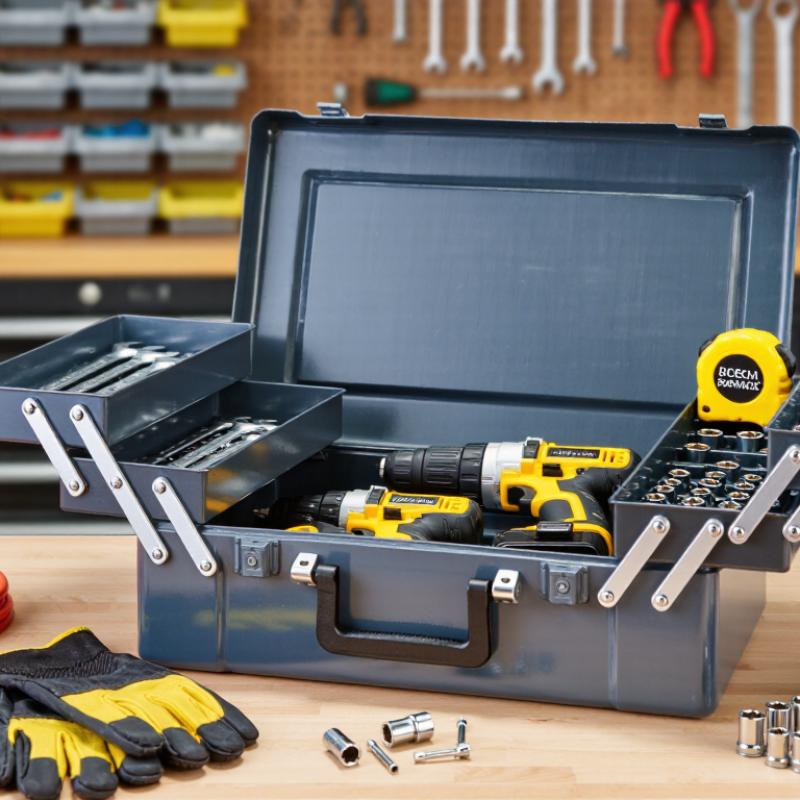
A storage tool box is a portable container designed to hold, protect, and organize tools. It may include a handle, latches, trays, drawers, or removable compartments. Its basic purpose is simple: keep equipment together and ready for use.

In a home workshop, a toolbox can hold screwdrivers, pliers, measuring tape, screws, and small replacement parts. Separate sections reduce searching time and help prevent sharp tools from damaging other items. A closed box also limits dust, moisture, and accidental contact with loose equipment. This matters when children or pets can enter the work area.

I have found that tool organization affects the quality of a repair. When every item has a visible place, missing tools are easier to notice. A heavy box should stay near the floor, while frequently used tools can remain in a lighter carry case. Never overload the handle or ignore a cracked latch. Small failures can cause tools to fall.

Not every toolbox needs many compartments. Sometimes, extra sections waste space. I still misplace small screws when I rush. That weakness shows why clear labels and regular checks are useful. A reliable storage system should match the user’s work, tool size, and lifting ability. It should also remain dry, stable, and easy to clean.

What Is a Storage Tool Box Used For? - Definition and Basic Purpose of a Storage Tool Box

Dimension Definition or Purpose Typical Contents or Features Practical Benefit
Basic definition A storage tool box is a container designed to organize, protect, and transport hand tools and small equipment. Compartments, trays, drawers, lids, handles, or removable organizers. Keeps tools together and reduces time spent looking for individual items.
Tool organization Provides designated spaces for arranging tools by type, size, or frequency of use. Sections for screwdrivers, pliers, wrenches, sockets, fasteners, and measuring tools. Makes inventory checks easier and helps prevent misplaced tools.
Protection Shields tools from dust, moisture, impact, and contact with other objects during storage or transport. Rigid walls, secure latches, protective inserts, and covered compartments. Helps maintain tool condition and can reduce corrosion or physical damage.
Portability Allows users to carry tools between a workshop, job site, vehicle, or home maintenance area. Top handles, shoulder straps, wheels, or stackable construction. Improves mobility and reduces the number of separate trips needed to collect tools.
Work efficiency Supports a consistent storage system so commonly used tools can be located and returned quickly. Clearly separated compartments, labeled sections, and an accessible layout. Reduces interruptions and supports a more orderly workflow.
Safety Keeps sharp, heavy, or small tools contained when they are not being used. Latching lids, secure drawers, rounded edges, and stable bases. Lowers the risk of trips, accidental contact, and loose tools in work areas.
Common users Used by people who perform maintenance, repairs, assembly, construction, or do-it-yourself projects. Home repair kits, workshop tool sets, service kits, and mobile maintenance kits. Provides a practical storage solution for both occasional and regular tool use.
Material options Tool boxes are commonly made from materials selected for strength, weight, durability, and resistance to the working environment. Plastic, steel, aluminum, fabric, or combinations of these materials. Allows users to choose between light weight, impact resistance, load capacity, and weather resistance.
Selection factors The suitable tool box depends on the tools being stored, the carrying distance, and the work environment. Capacity, load limit, compartment layout, closure security, dimensions, and resistance to moisture or impact. Helps ensure that the container is practical, durable, and appropriate for its intended use.

Common Types and Materials of Storage Tool Boxes

Storage tool boxes protect hand tools, fasteners, and measuring equipment from dust, moisture, and accidental damage. Their design depends on the work environment and the tools being stored. Portable boxes suit light maintenance jobs around a home or workshop. Rolling cabinets handle heavier collections and reduce lifting. Wall-mounted boxes save floor space but require secure installation. In my workshop, a portable box works for drills and screwdrivers, while a rolling unit holds larger tools. That arrangement is not perfect.

Steel tool boxes offer strong impact resistance and support heavier loads. They suit garages, service areas, and demanding workshop use. Aluminum boxes are lighter and resist corrosion, making them practical for transport. Plastic models are easy to carry and usually resist moisture, although thin panels may crack under rough handling. Wood-composite boxes can protect delicate tools from sudden temperature changes, but they need a dry storage area. I once stored wet gardening tools in a plastic box. The tools stayed damp longer than expected.

Choose the type by weight, frequency of movement, and available space. Check drawer slides, hinges, handles, and locking points before purchase. Small compartments prevent screws from mixing with bits and blades. Foam inserts can reduce rattling during transport. A textured interior may hide dirt, so regular cleaning matters. Labeling each drawer saves time during repairs. I still misplace small adapters sometimes. That suggests the storage system needs review, not just more containers.

How a Storage Tool Box Organizes and Protects Tools

A storage tool box keeps tools organized, protected, and ready for daily work. In my experience, a well-arranged box saves more time than expected. Each tool should have a clear place, such as a molded slot for a wrench or a small compartment for screws. This prevents loose metal from scratching delicate surfaces. It also reduces the frustrating search through a crowded drawer.

Protection matters as much as order. A strong box shields tools from dust, moisture, and accidental drops. Soft liners can reduce movement during transport. Tight latches help keep the lid closed, but they should not be forced. I once packed a box too heavily, and the handle became difficult to carry. That mistake showed me that storage capacity still needs practical limits. Heavy items belong near the bottom, while frequently used tools should stay within easy reach.

Tips: Clean tools before storing them. Keep sharp edges covered. Remove wet items quickly. Check the box regularly for rust, cracked compartments, or loose hinges. A simple label system can improve access, although too many labels may create clutter. The best setup is not always the most complete one. It is the one that makes every tool easy to find, safe to handle, and ready for the next task.

What Is a Storage Tool Box Used For?

How a Storage Tool Box Organizes and Protects Tools

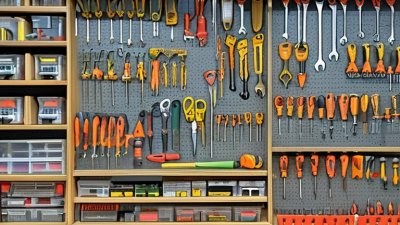
This chart shows a practical 30-tool hand-tool inventory organized by category. Separate compartments help users locate tools quickly, prevent contact damage, keep small parts together, and reduce exposure to dust and moisture.

Key Features to Consider When Choosing One

A storage tool box keeps hand tools protected, organized, and ready for work. It prevents screwdrivers from disappearing under loose equipment. In my experience, a strong box saves time during repairs and reduces accidental damage. Choose a model with reinforced corners, a durable shell, and a handle that feels secure. Thin plastic can crack in cold weather. Metal lasts longer, but it may add uncomfortable weight.

Key features deserve close attention. Check the load capacity before filling the box with drills, sockets, and fasteners. Removable trays help separate small parts from heavier tools. Deep compartments hold pliers and measuring equipment without forcing the lid closed. A reliable latch matters. So does a lockable design when tools are stored in shared workshops. For outdoor use, look for water-resistant seals, but do not assume “weatherproof” means completely waterproof. Wheels can improve mobility, although rough floors may expose weak joints. A comfortable grip and balanced weight are easy to overlook.

Tips: Place frequently used tools near the top. Test the hinges before buying. Measure your storage shelf first. Leave some empty space for future equipment. A perfectly full box becomes difficult to carry. I once chose capacity over portability and regretted it after a long repair session. Consider modular inserts if your tool collection changes often. The best choice depends on your work habits, available space, and tolerance for weight.

Typical Uses in Homes, Workshops, and Mobile Repairs

A storage toolbox keeps tools visible, protected, and ready for the next task. In a home, it can hold screwdrivers, measuring tape, wall plugs, a small level, and replacement batteries. A fitted tray prevents loose bits from hiding under a hammer. That small detail saves time, especially during evening repairs. The U.S. Bureau of Labor Statistics reported about 2.6 million nonfatal workplace injuries and illnesses in 2022. A toolbox cannot prevent every injury, but orderly storage can reduce rushed searching and misplaced tools.

In workshops, toolboxes support repeatable work. Drawers can separate cutting tools from electrical testers, while foam inserts show when something is missing. OSHA’s Hand and Power Tools guidance requires tools to remain in safe condition. Regular inspection matters more than appearance. A cracked handle, blunt blade, or damaged cable should not stay in service. I still sometimes return tools to the wrong drawer. That mistake reveals a useful weakness: storage systems need labels and habits, not just compartments.

For mobile repairs, a compact toolbox protects equipment inside a vehicle or service bag. Use closed cases for small fasteners, padded sections for meters, and a waterproof pouch for parts exposed to moisture. Weight also matters. Carrying every tool creates fatigue and slower decisions. The 2023 Occupational Outlook Handbook identifies maintenance and repair work as a large occupation group, showing why portable organization remains practical across many job settings. A short checklist before departure can prevent one frustrating return trip.