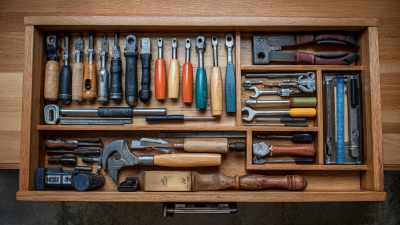
Choosing the right Drawer Type Parts Box supplier requires more than comparing catalog prices. Global buyers need dependable storage, consistent dimensions, and clear communication. A well-made box should open smoothly, support repeated use, and protect small components from dust, impact, and loss. These details matter in workshops, warehouses, repair centers, and production lines.
Leading suppliers usually offer several drawer sizes, reinforced frames, transparent labels, and modular stacking options. Some use high-impact plastic, while others combine steel cabinets with removable drawers. Buyers should check drawer load capacity, wall thickness, handle strength, and surface quality. A practical test is simple: load the box, open it repeatedly, and inspect alignment. Small defects become expensive when thousands of units reach a busy facility.
Supplier evaluation also requires evidence. Review factory experience, quality-control procedures, sample policies, and export performance. Ask for product drawings, packing details, inspection reports, and realistic lead times. Certifications can support trust, but they should be verified rather than accepted blindly. This guide examines top Drawer Type Parts Box suppliers for global buyers, focusing on product reliability, customization, communication, and long-term value.
No supplier is perfect. Some impressive samples may not represent mass production. Others offer low prices but limited after-sales support. A careful buyer compares the complete supply relationship, not only the unit cost. Regional shipping conditions, replacement parts, and packaging performance deserve attention too. The best choice may not be the cheapest one. It should be the supplier that performs consistently when everyday work becomes demanding.
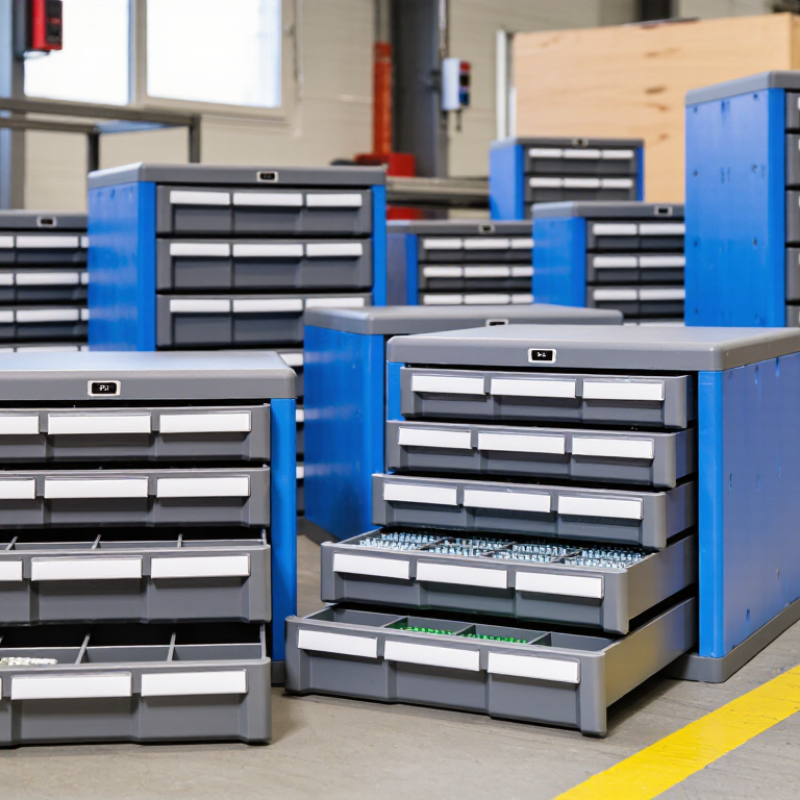
Top drawer type parts box suppliers serve workshops, maintenance teams, and industrial distributors with practical storage systems. Their strongest product categories usually include modular drawer cabinets, stackable parts boxes, mobile storage units, and wall-mounted organizers. Each category supports a different working environment.
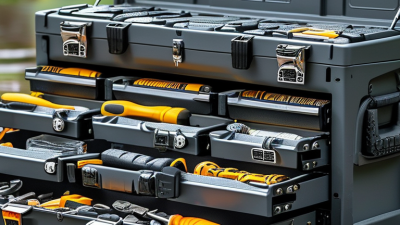
Modular drawer cabinets suit fixed workstations and high-volume inventory. Steel frames provide stability, while transparent drawers help workers identify screws, fittings, and electrical parts quickly.
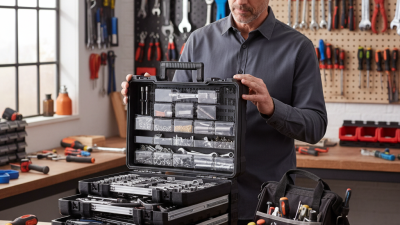
Stackable boxes save floor space and allow buyers to expand storage gradually. Mobile units add flexibility for repair areas, especially when tools and components move between production zones.
Reliable suppliers provide clear dimensions, drawer capacities, material specifications, and replacement-part information. Buyers should check whether labels remain readable under dust, oil, or frequent handling. Anti-static containers may suit sensitive electronic components, while moisture-resistant materials help protect metal parts in humid facilities. A small drawer is useful for washers, but it becomes frustrating when the opening is too narrow for fingers.
Supplier reliability also depends on sampling, packaging quality, and communication across time zones. Ask for product drawings, load tests, and realistic delivery schedules before placing a large order.
A perfect catalog does not exist. Some suppliers describe capacity well but explain drawer tolerances poorly. That detail matters. A slightly uneven drawer can waste minutes every day and create avoidable inventory errors.

Reliable drawer parts box manufacturers do more than offer rows of small compartments. They understand how technicians use storage during busy work. A good box should open smoothly, even with oily gloves. Drawers need firm runners, clear labels, and dividers that do not shift when the box moves. Reinforced corners also matter. A dropped box can expose weak construction quickly.
Material consistency is another key feature. Many experienced manufacturers use powder-coated steel, impact-resistant polymers, or mixed structures for different environments. Ask for load ratings, dimensional tolerances, and corrosion test details. These records show professional control. Factory samples are useful, but one sample proves little. Request several units from different production batches. Small differences may appear.
Quality systems should cover cutting, assembly, surface treatment, and final inspection. Reliable suppliers measure drawer alignment with simple gauges and check each locking mechanism before packing. They should also provide clear drawings, packaging specifications, and export documents. Communication matters just as much. A supplier that answers technical questions with measurements feels more dependable than one offering vague promises.
Still, no manufacturer gets every detail right. Some drawer labels may be too shallow, or a runner may feel stiff after storage. This is where honest correction matters. Discuss replacement parts, inspection reports, and improvement procedures before placing a large order. Suppliers willing to review mistakes often build stronger long-term cooperation. That behavior is easy to notice.
Global buyers often compare price first. That can be costly. Grand View Research valued the global material handling equipment market at USD 216.65 billion in 2023. Its report projects a 5.4% compound annual growth rate through 2030. This growth increases demand for organized, durable parts storage.
Material selection should match the working environment. Polypropylene drawers suit lightweight components and resist moisture. ABS offers greater rigidity for repeated opening and closing. Steel drawers handle heavier loads, but they add weight and may corrode without proper coating. PlasticsEurope’s Plastics—The Fast Facts 2024 reported that packaging represented 39.5% of European plastics demand in 2022. That figure supports careful material planning, especially when buyers evaluate recycled content and long-term durability. I would still request impact, temperature, and chemical-resistance data before approving recycled plastic.
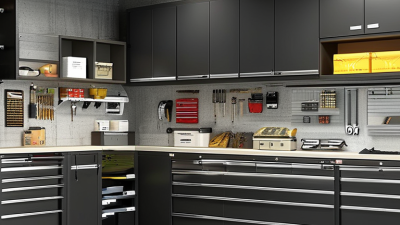
Size and configuration affect daily efficiency. Small drawers can hold screws, terminals, and seals without wasted space. Deeper drawers fit valves, bearings, and hand tools. Modular cabinets should offer adjustable dividers, label windows, and replaceable drawer fronts. A 600-millimeter-wide unit may suit a workshop aisle, while wall-mounted formats save floor space. Check drawer load ratings, mounting holes, packaging dimensions, and pallet quantities. An anti-static configuration may be necessary for sensitive electronic parts. It should include verified resistance data, not vague marketing language. Suppliers should provide dimensional drawings, material declarations, sample inspections, and batch traceability. Measurements can still vary slightly. That is why a pre-shipment fit check remains worthwhile.
Top Drawer Type Parts Box Suppliers for Global Buyers
International Sourcing Standards, Pricing, and Order Requirements
Reliable parts box suppliers should provide clear material specifications, dimensional drawings, and inspection records. For drawer-type boxes, buyers should confirm wall thickness, drawer load capacity, slide smoothness, and resistance to oil or dust. Powder-coated steel and durable polymers are common choices. Ask for sample photos, factory videos, and a physical sample before placing a large order.
Standards matter across borders. Suppliers should explain their quality-control process and provide consistent measurements for every production batch. Packaging must protect drawers from scratches and deformation during sea or air transport. Some details are easy to miss. Our early comparison overlooked label durability, which later affected warehouse identification. That mistake was avoidable.
Pricing usually depends on material, drawer size, tooling, surface treatment, packaging, and order volume. A low unit price may exclude export cartons, inspection fees, or freight charges. Request a complete quotation with currency, trade terms, minimum order quantity, sample cost, production lead time, and payment schedule. Confirm whether replacement parts are available.
A practical purchase order should list color, dimensions, tolerance, logo requirements, carton quantity, and delivery destination. Buyers should also define acceptance standards, such as damaged drawers below a stated percentage. Keep everything in writing. Small ambiguities can become expensive. Allow time for pre-shipment inspection, especially when the supplier is new or the order is customized.
Indicative international sourcing benchmarks for drawer-type parts storage boxes; prices are typical FOB ranges in USD and vary by material, customization, quantity, and destination.
| Product Configuration | Typical Material | Common Size Range | Typical Load Capacity | International Standards and Documents | Indicative FOB Price | Typical MOQ | Typical Lead Time | Buyer Order Requirements |
|---|---|---|---|---|---|---|---|---|
| Single-row molded drawer box with label holder | Polypropylene or ABS | Width 50–105 mm; depth 90–250 mm; height 40–100 mm | 1–4 kg per drawer | ISO 9001 quality system; REACH Regulation (EC) No. 1907/2006; RoHS Directive 2011/65/EU where applicable; material declaration | US$0.35–2.50 per unit at 1,000–10,000 units | 500–2,000 units | 20–35 days after approved sample | Specify color, drawer dimensions, label area, stacking method, carton quantity, and packaging artwork. |
| Transparent-front drawer box for small hardware | PP body with transparent PS or PET front panel | Width 60–150 mm; depth 100–300 mm; height 50–150 mm | 2–8 kg per drawer | ISO 9001; REACH; RoHS where required; test report for impact and dimensional stability | US$0.80–4.80 per unit at 500–5,000 units | 300–1,000 units | 25–40 days after sample approval | Confirm transparency level, front-panel fit, pull handle design, anti-static requirements, and drop-test expectations. |
| ESD-safe drawer parts box | Conductive or static-dissipative polypropylene | Width 50–150 mm; depth 100–300 mm; height 40–150 mm | 1–6 kg per drawer | IEC 61340-5-1; ANSI/ESD S20.20 program compatibility; RoHS; REACH; surface-resistance test report | US$1.80–8.00 per unit at 500–3,000 units | 300–1,000 units | 30–45 days after technical approval | Define resistance range, test method, humidity conditions, lot traceability, and required ESD packaging. |
| Steel drawer cabinet with multiple compartments | Cold-rolled steel with powder coating | Width 300–900 mm; depth 150–400 mm; height 300–1,200 mm | 15–60 kg per drawer | ISO 9001; powder-coating adhesion and thickness report; RoHS/REACH declarations for coatings; carton drop-test record | US$55–260 per cabinet at 50–300 units | 20–100 cabinets | 35–60 days after drawing approval | Provide engineering drawings, steel thickness, drawer travel, locking method, coating color, load test, and pallet requirements. |
| Wall-mounted modular drawer panel | ABS or PP drawers with steel or reinforced polymer back panel | Panel width 300–1,000 mm; depth 100–300 mm | 10–40 kg total system load | ISO 9001; mounting-load test; dimensional inspection report; REACH and RoHS declarations where applicable | US$18–120 per set at 100–1,000 sets | 50–200 sets | 30–50 days after sample confirmation | Confirm wall type, fastener specification, total drawer count, mounting hole pattern, and installation instructions. |
| Heavy-duty industrial drawer unit | Powder-coated steel with ball-bearing slides | Width 400–1,200 mm; depth 300–600 mm; height 600–1,800 mm | 50–150 kg per drawer | ISO 9001; static-load and cycle-test reports; coating test records; packaging and palletization specification | US$180–850 per unit at 20–100 units | 10–30 units | 45–75 days after drawing and sample approval | State rated load per drawer, slide extension, safety lock, anti-tip requirement, corrosion class, and spare-parts policy. |
| Custom branded or private-label drawer parts box | PP, ABS, steel, or mixed construction | Based on approved buyer drawing or tooling sample | Based on verified product design | ISO 9001; REACH; RoHS where applicable; first-article inspection; approved production sample; social-compliance documents if requested | US$0.60–15.00 per unit, excluding tooling and artwork | 1,000–10,000 units | 45–90 days including tooling, testing, and production | Approve 2D/3D drawings, tooling ownership, intellectual-property terms, color standard, inspection plan, and packaging specification. |
| Order Dimension | Recommended Buyer Requirement | Verification Evidence |
|---|---|---|
| Technical specification | Define external and internal dimensions, tolerances, drawer travel, load rating, material, color, and surface finish. | Approved 2D drawing, 3D file, signed specification sheet, and pre-production sample. |
| Quality control | Use an agreed inspection level, sampling plan, critical dimensions, cosmetic limits, and functional tests. | Pre-shipment inspection report, dimensional report, load test, and photographic records. |
| Regulatory compliance | Identify destination-market requirements, including REACH, RoHS, packaging rules, and ESD controls when relevant. | Supplier declarations, laboratory test reports, material safety information, and batch traceability. |
| Packaging and logistics | Specify carton dimensions, gross weight, pallet configuration, moisture protection, shipping marks, and stacking limits. | Packaging approval sample, packing list, commercial invoice, certificate of origin when required, and shipping documents. |
| Commercial terms | Confirm Incoterms 2020, payment schedule, tooling charges, warranty period, replacement policy, and price validity. | Signed quotation, purchase order, pro forma invoice, tooling agreement, and warranty terms. |
Price and lead-time ranges are indicative sourcing benchmarks rather than fixed quotations. Final commercial terms should be confirmed after technical review, sampling, packaging approval, and destination-specific compliance assessment.
Top Drawer Type Parts Box Suppliers for Global Buyers
How to Evaluate and Select a Suitable Parts Box Supplier
Choosing a parts box supplier requires more than comparing catalog prices. Check the drawer material, wall thickness, handle strength, and frame stability. Measure twice. A loaded drawer should slide smoothly without tilting or scraping. Ask for sample units before placing a large order. Small defects often appear only after repeated opening.
Review the supplier’s production controls and inspection records. Reliable suppliers can explain how they check dimensions, drawer alignment, surface finish, and packing strength. Request photos of actual production batches, not only polished catalog images. Details matter. Confirm load ratings with test conditions, because advertised capacity can be vague. A practical trial with screws, fittings, or electrical components can reveal whether labels remain visible and drawers stay secure.
Global purchasing also depends on communication and delivery discipline. Evaluate response speed, technical documents, minimum order quantities, replacement policies, and export packaging. Confirm carton dimensions and moisture protection before calculating freight costs. A supplier should provide consistent specifications across quotations, samples, and mass production. Yet no supplier is perfect. A sample may pass inspection while a later batch shows minor color or alignment differences. Include acceptance standards in writing, and allow time for corrective discussion. Clear drawings, numbered parts, and agreed inspection points reduce costly misunderstandings across languages and time zones.