Ultimate Guide to Choosing the Best Drawer Type Parts Box?
In the world of organization, the "Drawer Type Parts Box" stands out for its versatility. Expert organizer Sarah Bennett emphasizes, "A well-structured drawer can transform chaos into clarity." This statement resonates deeply with those who value efficiency in their workspace. Choosing the right drawer type can significantly enhance productivity and maintain order.
Several factors come into play when selecting a Drawer Type Parts Box. Size, material, and compartment design are critical. A box that lacks adequate compartments can lead to confusion, making retrieval time-consuming. Conversely, a thoughtfully designed box offers easy access and improved workflow. Many users often overlook the importance of durable materials, leading to regret later.
Exploration of different models can be overwhelming. Some may choose based on aesthetics rather than functionality. This decision can result in a mismatch for specific needs. It's essential to assess personal requirements. Reflecting on what works best can lead to the ultimate choice in drawer organization.

Understanding Drawer Type Parts Boxes: An Overview
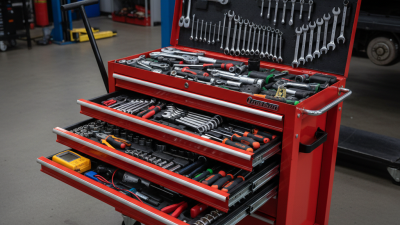
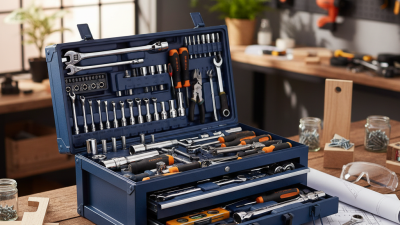
When it comes to drawer type parts boxes, understanding their structure is vital for efficient organization. These boxes typically feature multiple compartments that help users separate various items. This separation can lead to a more streamlined workflow, especially in workshops or for hobbyists. A well-organized box reduces the time spent searching for parts and increases productivity.
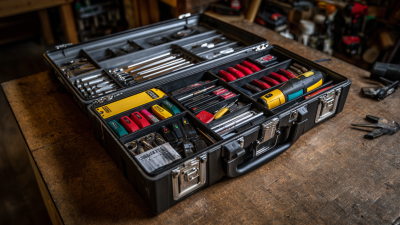
While choosing a parts box, consider the material and durability. Plastic options are lightweight but can crack over time. Metal boxes last longer but may be heavier to carry. Always check the locking mechanism. A faulty lock can lead to a chaotic spill of screws and small parts. Sometimes, a design might look appealing but may not serve its purpose well.
Tips: Ensure that the compartments fit your specific needs. Measure the sizes of your most commonly used items. Labeling the compartments can add extra organization. Small labels can save time in the long run. Reflect on how often you'll use the box; a high-frequency item merits a more robust option.
Key Factors to Consider When Choosing Drawer Type Parts Boxes
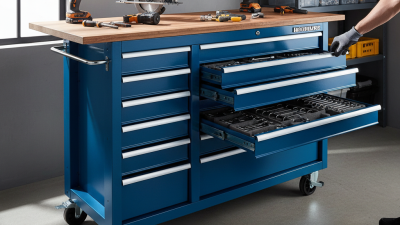
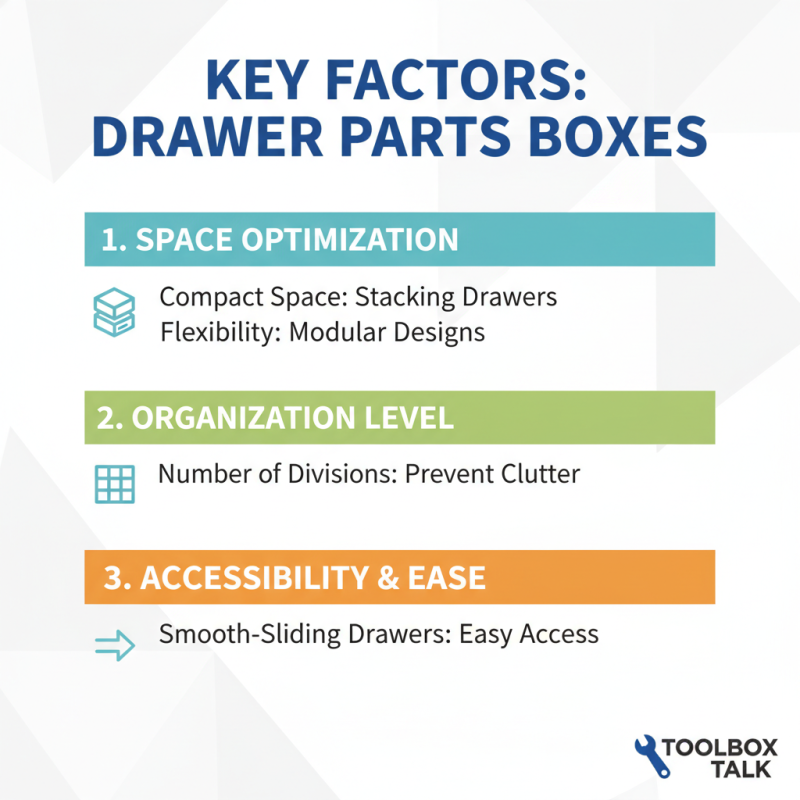
When choosing the best drawer-type parts box, consider the size and configuration of your workspace. A compact space may require stacking drawers. Modular designs might offer flexibility. Evaluate how many divisions you need. Fewer compartments can lead to a cluttered appearance. Drawers should slide easily. If they jam, accessing parts becomes a hassle.
Material quality is another crucial factor. Plastic boxes are lightweight but may not withstand heavy use. Metal options provide durability but can be heavier and costlier. Make sure the materials match your typical load. Check the weight capacity of each drawer. Sometimes, designs that look sturdy may falter under pressure.
Lastly, think about organization features. Transparent drawers help locate items quickly. Labels or color-coded systems can enhance accessibility. However, not all boxes have sufficient labeling. Evaluate how missing this feature affects your workflow. Reflect on how much time you spend searching for parts. An efficient parts box should save time, boosting productivity.
Types of Drawer Type Parts Boxes and Their Specific Uses
When choosing a drawer type parts box, understanding the various types is essential. There are several designs tailored for specific needs. For instance, modular drawer systems are great for small workshops. They offer customizable organization. A study by the National Institute for Standards and Technology highlights that organized workspaces can boost productivity by up to 25%.
Another popular type is the stackable drawer box. These allow you to maximize space efficiently. They are particularly useful in industrial settings, where space is often limited. Some reports indicate that facilities using stackable systems report a significant reduction in time spent searching for parts. However, the challenge lies in selecting the correct size and configuration to prevent overcrowding.
Additionally, heavy-duty drawer units offer solutions for more demanding environments. They often carry a higher weight capacity. Nevertheless, overloading drawers compromises their functionality. Users should regularly reassess their storage setups to avoid inefficiencies. Proper maintenance and adjustment are crucial for optimal performance. Investing time in understanding these options can lead to significant long-term benefits in any workspace.
Tips for Organizing and Maximizing Space in Your Parts Box
When it comes to organizing a parts box, space maximization is key. Start by categorizing items based on their purpose. Use small containers or dividers to separate screws, nuts, and bolts. This simple step makes finding tools easier. Clear labeling is essential. A system without labels can quickly become disorganized.
Consider the dimensions of your drawer or box. A small, crowded space can lead to frustration. Choose parts boxes that fit well within your available area while still offering ample storage. You might find your setup doesn't work initially. Be ready to rearrange and test different layouts. Flexibility is crucial in achieving the perfect organization.
Visual appeal matters, too. Try to use consistent containers that look good together. This can enhance your workflow. Sometimes, we overlook the aesthetics of our workspace. Taking time to craft a visually pleasing setup might motivate us to keep it tidy. Remember, the goal is both functionality and inspiration in your workspace.
Maintenance and Care for Long-lasting Drawer Type Parts Boxes
Maintaining a drawer type parts box requires attention to detail. Regular cleaning ensures functionality. Dust buildup can lead to malfunction. A survey by the Association of Manufacturing Excellence indicates that 30% of maintenance issues stem from neglecting cleanliness. Wiping surfaces with a damp cloth prevents corrosion.
Check drawer slides for smooth operation. Lubrication is key. Many experts recommend using a silicone-based lubricant. Over time, parts can wear down. A study by the National Institute of Standards and Technology found that 25% of parts failures occur due to inadequate lubrication. Inspecting for signs of wear can extend the box's lifespan.
Temperature fluctuations can affect drawer performance. Storing the box in a climate-controlled environment is ideal. Exposure to extremes can warp materials. Regularly reassess the storage location. This simple practice can save time and money in the long run. Identifying these small issues before they escalate can prevent significant problems.