Leave Your Message

2026 Top Tool Cabinet Types for Global Buyers?

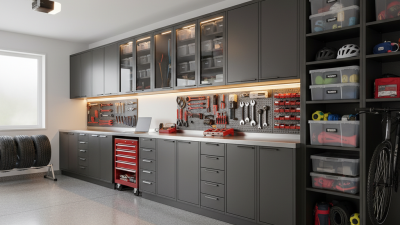
Buying a Tool Cabinet in 2026 requires more than comparing prices and drawer counts. Global buyers need storage that fits real workflows, workshop space, shipping conditions, and long-term maintenance plans. A rolling cabinet may suit an automotive bay, where large casters move across concrete floors. A wall-mounted cabinet can save valuable space in a compact repair room. Modular drawer systems support growing teams, while stainless-steel cabinets may perform better in humid environments. Drawer depth matters. So does weight capacity. Small choices matter.

No single design wins everywhere. That assumption can fail.

This guide examines the leading Tool Cabinet types for international buyers, including mobile, modular, wall-mounted, workbench, and heavy-duty models. It focuses on practical evidence, not attractive product photos alone. Buyers should review steel thickness, weld quality, drawer slides, coating performance, locking systems, load ratings, packaging, and replacement-part access. Supplier experience also matters, especially when orders cross borders and arrive through demanding logistics networks. Clear specifications and inspection records improve purchasing confidence. Local workplace requirements should still be checked before installation.

The best cabinet is not always the largest or most expensive. It is the one that matches the tools, users, floor plan, and service expectations. Experienced purchasers may still overlook corrosion risk or awkward drawer clearance. That is worth reconsidering. A careful comparison can reduce wasted space, damaged tools, and avoidable replacement costs. Each category has strengths, limitations, and trade-offs. Understanding them helps global buyers choose with greater confidence in 2026.
2026 Top Tool Cabinet Types for Global Buyers?

What Is a Tool Cabinet and Why Does Its Type Matter?

2026 Top Tool Cabinet Types for Global Buyers

What Is a Tool Cabinet and Why Does Its Type Matter?

A tool cabinet is a structured storage unit for organizing tools, parts, and workshop equipment. It may include drawers, shelves, locks, casters, or a reinforced worktop. Common types include rolling cabinets, wall-mounted cabinets, modular units, and mobile workbenches. Each type serves a different working environment. A rolling cabinet suits workshops where tools move between stations. A wall-mounted model saves floor space. A modular cabinet grows with changing production needs. Type matters because storage affects safety, efficiency, loading limits, and long-term maintenance.

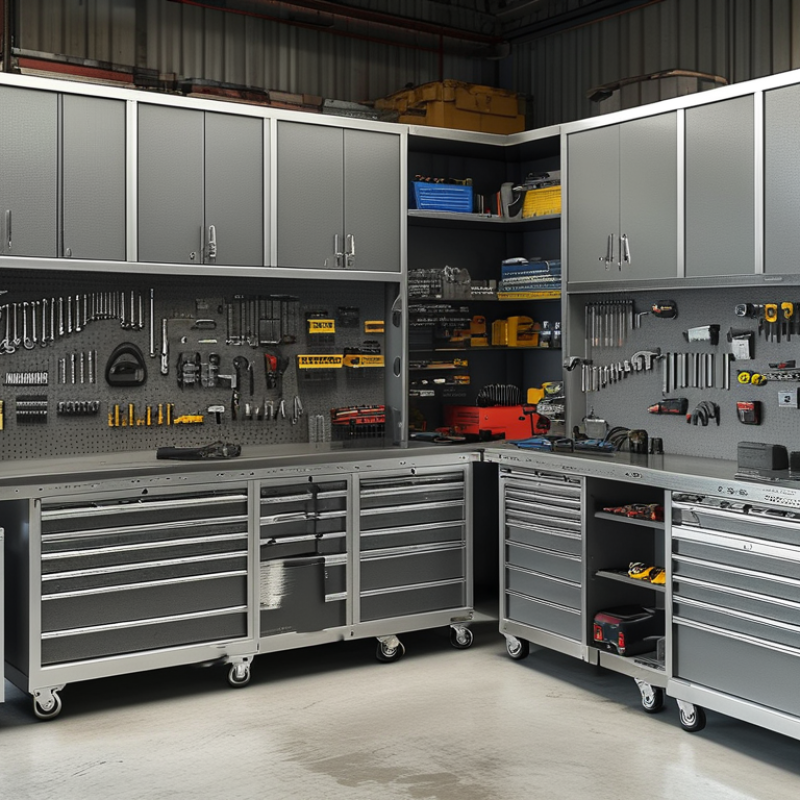
In real workshops, drawer depth often matters more than appearance. Heavy tools need strong slides and stable frames. Small components need shallow drawers with dividers. Buyers should also check wheel brakes, surface coatings, handle strength, and replacement-part access. For international purchasing, packaging size and shipping weight can affect the final cost. Local voltage is usually irrelevant, but workplace rules may require specific lock systems or load ratings. I have seen buyers choose oversized cabinets, then lose valuable aisle space. A larger cabinet is not always a better cabinet.

Tips: Measure the workspace before selecting a type. Mark doorways, corners, and walking lanes with tape. Confirm the cabinet’s loaded capacity, not only its empty rating. Ask for test reports, material details, and clear assembly instructions. Corrosion resistance deserves attention in humid coastal areas. Specifications can still be incomplete, so request drawings and inspect samples when possible. Small details often decide daily usability.
How Are Tool Cabinets Classified by Structure and Function?

2026 Top Tool Cabinet Types for Global Buyers

How Are Tool Cabinets Classified by Structure and Function?

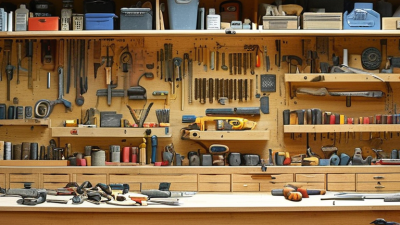
Tool cabinets are commonly classified by structure, mobility, and storage layout. Rolling cabinets use casters and suit workshops that change daily. Stationary cabinets offer higher stability for heavy equipment and fixed workstations. Wall-mounted units save floor space in compact service rooms. Modular cabinets combine drawers, cupboards, and worktops as needs grow. Steel construction is common because it resists impact and supports substantial drawer loads. However, thicker steel does not always mean better performance. Buyers should check drawer capacity, caster quality, surface coating, and assembly tolerances.

Function creates another useful classification. Mechanics often need deep drawers for hand tools and adjustable dividers for sockets. Electrical technicians may prefer shallow drawers, foam inserts, and smaller compartments. Mobile service cabinets support repairs across warehouses or production areas. Lockable cabinets provide controlled access, but locking strength and key replacement policies require verification. During practical evaluations, I check whether drawers open smoothly under uneven loading. A cabinet may look impressive and still waste space when its drawer dimensions do not match the tools.

Tips: Measure the largest tool before ordering. Leave clearance for handles and cables. Confirm dimensions after packaging, not only before shipping. Review load ratings in kilograms, wheel specifications, corrosion resistance, and spare-part availability. Regional humidity also matters. In coastal locations, basic powder coating may need closer inspection. No classification is perfect; real workflow should guide the final choice.

What Are the Main Tool Cabinet Types for Global Buyers in 2026?

2026 Top Tool Cabinet Types for Global Buyers

What Are the Main Tool Cabinet Types for Global Buyers in 2026?

Global buyers in 2026 are comparing tool cabinet types by workflow, space, and shipping conditions. Common choices include rolling cabinets, stationary drawer cabinets, modular systems, and wall-mounted units. Rolling cabinets suit maintenance teams moving tools between work areas. Locking casters, reinforced frames, and full-extension drawers matter on uneven floors. Stationary cabinets provide dense storage for factories and repair rooms. They still need secure anchoring.

Modular cabinets support changing tool collections and expanding workstations. Wall-mounted units save floor space in narrow workshops. Hybrid layouts can combine both options. For international purchasing, check steel thickness, coating quality, drawer capacity, and replacement hardware. Request dimensional drawings, packing details, and test records. Confirm metric or imperial fasteners. Small mismatches become costly. Cabinet dimensions should fit doors, elevators, and pallet limits. Humid coastal regions also require reliable corrosion protection, not attractive paint alone.

Digital-locking cabinets are gaining attention in controlled work areas. However, electronic parts can complicate maintenance and replacement. Buyers should verify battery access, emergency opening procedures, and data protection features. A lower purchase price may look convincing, but weaker runners can reduce service life. I would not judge quality from appearance alone. Hands-on drawer testing, load checks, and inspection of welds reveal more. Even experienced buyers can overlook shipping damage risks, so internal packaging deserves careful review.

2026 Top Tool Cabinet Types for Global Buyers?

What Are the Main Tool Cabinet Types for Global Buyers in 2026?

Tool Cabinet Type Typical Overall Dimensions Typical Storage Configuration Typical Load Capacity Common Materials and Features Best-Fit Buyer or Application Key Buying Consideration for 2026
Rolling Tool Cabinet W 700–1,200 × D 450–700 × H 900–1,200 mm 5–10 drawers, often with a lockable top chest or worktop 40–100 kg per drawer; 400–1,000 kg total Powder-coated steel, ball-bearing slides, swivel casters, drawer liners, central locking Automotive workshops, maintenance departments, garages, and general industrial use Check caster diameter, drawer extension, anti-tip design, and shipping weight before import.
Mobile Tool Trolley W 650–900 × D 400–600 × H 800–1,100 mm 3–7 drawers, open lower shelf, side handle, optional tray 25–60 kg per drawer; 200–600 kg total Steel or aluminum-steel construction, four casters, two locking wheels, push handle Service technicians, production lines, repair bays, and frequent point-to-point movement Prioritize maneuverability, wheel brakes, compact packaging, and corrosion protection.
Tool Chest and Cabinet Combination W 900–1,500 × D 450–700 × H 1,300–1,900 mm Upper chest with 5–8 drawers plus lower cabinet with 5–10 drawers 40–100 kg per drawer; 700–1,500 kg total Heavy-gauge steel, full-extension slides, locking system, adjustable feet or casters Professional workshops and industrial buyers needing high tool density Confirm assembled dimensions, pallet footprint, anti-tip protection, and container loading plan.
Modular Tool Storage System Individual modules commonly W 400–1,200 × D 450–750 × H 700–2,000 mm Mix of drawer units, cupboards, pegboards, shelves, worktops, and overhead storage 30–100 kg per drawer; 500–2,000 kg per assembled section Steel modules, laminated or metal worktops, adjustable shelves, leveling feet, optional casters Factories, laboratories, fleet maintenance centers, and growing facilities Evaluate module compatibility, future expansion, installation requirements, and replacement-part availability.
Heavy-Duty Industrial Cabinet W 900–1,500 × D 500–800 × H 1,800–2,200 mm Adjustable shelves, drawers, cupboards, lockable compartments, and optional perforated panels 80–300 kg per shelf; 1,000–2,500 kg total Reinforced steel body, welded frame, high-load shelves, secure locks, anchoring points Heavy manufacturing, warehouses, utilities, and controlled-access maintenance areas Verify rated capacity, floor loading, anchoring method, fire-safety requirements, and corrosion class.
Wall-Mounted Tool Cabinet W 600–1,200 × D 200–350 × H 500–1,000 mm Shelves, small drawers, pegboard back panels, and lockable doors 15–50 kg per shelf or drawer; 100–300 kg total Formed steel, gas struts or lift-up doors, wall rails, locking hardware Small workshops, production cells, laboratories, and space-constrained facilities Confirm wall structure, mounting hardware, door clearance, and the cabinet’s unloaded and loaded weight.
Under-Bench Tool Cabinet W 400–900 × D 450–700 × H 600–850 mm 2–6 drawers, cabinet doors, adjustable feet, and optional locking casters 30–80 kg per drawer; 300–800 kg total Steel housing, reinforced top, full-extension slides, anti-slip liners, central lock Workbenches, assembly areas, laboratories, schools, and compact maintenance stations Match cabinet height and depth to the workbench, then check ventilation and legroom clearance.
Outdoor or Weather-Resistant Tool Cabinet W 700–1,200 × D 400–700 × H 900–2,000 mm Lockable shelves, drawers, sealed compartments, and optional raised base 40–150 kg per shelf or drawer; 500–1,500 kg total Galvanized or stainless steel, powder coating, weather seals, drainage, corrosion-resistant locks Construction sites, utilities, transport facilities, agricultural operations, and outdoor service points Request corrosion-test details, ingress protection information, drainage design, and climate suitability.
Data note: Dimensions, load capacities, and configurations are indicative ranges commonly used for international tool-cabinet purchasing. Actual specifications vary by construction, material thickness, drawer system, caster design, and applicable local safety standards.

Which Materials, Features, and Standards Should Buyers Compare?

Global buyers are comparing more than drawer count in 2026. A tool cabinet must fit local work habits, shipping routes, and maintenance skills. Cold-rolled steel offers strong impact resistance and predictable dimensions. Stainless steel suits humid workshops, but it costs more and may show scratches. Aluminum reduces shipping weight, yet thinner panels can flex under heavy loads. Powder coating helps resist corrosion and repeated handling. Check coating thickness and adhesion, not just color.

Drawer slides should carry stated loads through repeated cycles, not one showroom test. Full-extension drawers improve access to tools stored at the back. Ball-bearing slides usually feel smoother, but poor alignment creates noise and early wear. Buyers should compare locking systems, caster diameter, brake strength, and handle clearance. A raised lip can stop small sockets from rolling away. Removable trays simplify cleaning. I have found that oversized casters matter on uneven concrete, although they increase cabinet height. That trade-off is easy to miss.

Request load ratings, corrosion test results, dimensional drawings, and inspection records. Confirm whether ratings apply per drawer or to the whole cabinet. Review packaging protection around corners, casters, and drawer fronts. International shipments need clear material declarations and consistent labeling. Relevant safety and quality standards may vary by destination, so buyers should verify current local requirements with qualified inspectors. A certificate alone is not proof of daily durability. Ask for samples, test procedures, and replacement-part availability. Some comparisons remain uncertain until the cabinet is used for several months.

How Can Buyers Choose the Right Tool Cabinet for Their Market?

Global buyers should choose tool cabinets by work conditions, not appearance alone. Grand View Research valued the global hand tools market at about USD 22 billion in 2023, with steady growth expected through 2030. This suggests continued demand for organized, accessible storage. Yet market needs differ sharply. A mobile cabinet suits repair workshops with changing workstations. A fixed cabinet fits factories where heavy tools stay near one production line. Measure tools first. A drawer that looks deep may waste space after dividers are installed.

Climate and transport conditions also affect the decision. In humid coastal markets, buyers should check steel thickness, coating quality, drawer corrosion resistance, and drainage details. In dry regions, dust-resistant drawer runners deserve more attention. The International Organization for Standardization emphasizes risk-based workplace planning, so load ratings and tipping resistance should match daily use. Ask for tested figures, not vague claims. Small wheels may fail on rough concrete.

Budget planning needs more than the purchase price. The World Bank’s Logistics Performance Index shows major differences in infrastructure and delivery reliability across economies. Knock-down cabinets can reduce freight volume, but assembly quality becomes critical. Local spare parts matter, too. I would compare five-year costs, including wheels, locks, runners, and service time. This is often overlooked. A bright finish may sell quickly, but a quieter drawer and stronger frame usually create greater value. Buyers should also test one sample in real working conditions before ordering at scale. Data helps, but the first sample may still reveal an uncomfortable mistake.

2026 Top Tool Cabinet Types for Global Buyers

How can buyers choose the right tool cabinet for their market? Load capacity is a practical comparison point because it reflects the cabinet’s suitability for home workshops, mobile maintenance, professional garages, and industrial production environments.

Selection guidance: Wall-mounted cabinets suit space-constrained markets, while tool chests and mobile rolling cabinets offer flexible storage for repair and service applications. Workstation cabinets are suitable where users need integrated work surfaces. Modular drawer cabinets are generally preferred for heavy-duty industrial storage and high-volume tool organization.

The figures represent indicative midpoint values from common commercial load-rating ranges: wall-mounted cabinets 50–150 kg, tool chests 150–500 kg, mobile rolling cabinets 300–1,000 kg, workstation cabinets 500–1,500 kg, and modular drawer cabinets 500–2,000 kg. Actual capacity depends on cabinet construction, drawer configuration, caster rating, and load distribution.