Why Choose a Tool Cabinet for Efficient Organization?
In today's fast-paced world, maintaining an organized workspace is essential. A well-structured tool cabinet can significantly enhance efficiency. According to industry expert Mark Elwell, "A tool cabinet is not just storage; it’s a pathway to productivity." This insight highlights the critical role that tool cabinets play in effective organization.
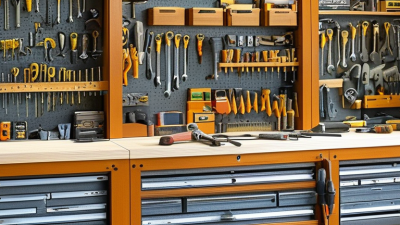
Tool cabinets provide optimal organization for various tools and equipment, reducing time wasted searching for items. They offer a clear layout that enhances workflow. Imagine a cluttered garage versus one with neatly arranged tools in a tool cabinet. The difference is striking. However, not all cabinets are created equal. Some may lack essential compartments, leaving tools disorganized and difficult to access.
Choosing the right tool cabinet often involves careful consideration. It’s easy to overlook personal needs for functionality and design. Many users feel overwhelmed by the options available. Reflecting on individual requirements can lead to a more effective selection. Ultimately, a tool cabinet is an investment in both time and efficiency, making it worth the effort.
Benefits of Using a Tool Cabinet for Organization
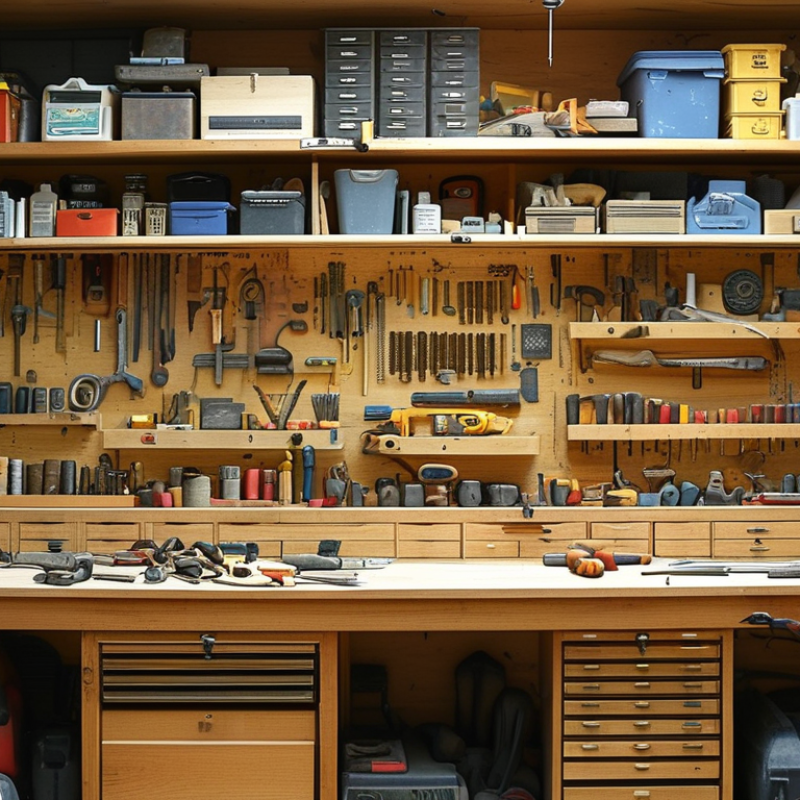
A tool cabinet can transform your workspace into a more organized area. Its structured design allows for easy access to tools and equipment. Without a dedicated space, tools can become misplaced or damaged. A cabinet provides designated spots for each item, reducing frustration and saving time during projects.
One significant benefit of a tool cabinet is safety. Tools left lying around can pose risks, especially in busy environments. By storing hazardous items in a cabinet, you minimize accidents. Additionally, cabinets can protect tools from dust and moisture. This proactive approach extends the life of your investment.
Consider the aesthetics of your workspace as well. An organized tool cabinet can enhance the overall appearance of your garage or workshop. However, it requires consistent upkeep. Regularly sorting and cleaning can feel overwhelming. Yet, the reward of a tidy environment is worth the effort. Reflecting on your organization system can lead to insightful improvements, making the cabinet even more beneficial.
Why Choose a Tool Cabinet for Efficient Organization? - Benefits of Using a Tool Cabinet for Organization
| Feature |
Description |
Benefits |
| Space Efficiency |
Designed to maximize storage in limited space, allowing tools to be stored in an organized manner. |
Saves floor space and provides easy access to tools without clutter. |
| Durability |
Made from robust materials that withstand heavy use and protect tools from damage. |
Ensures a longer lifespan for both the cabinet and tools, reducing replacement costs. |
| Organization |
Features shelves, drawers, and compartments for sorting and storing a variety of tools. |
Improves workflow efficiency and saves time when searching for tools. |
| Security |
Often equipped with locks to secure valuable tools and prevent unauthorized access. |
Protects investment in tools from theft or misuse. |
| Mobility |
Many cabinets come with wheels or handles for easy transport. |
Facilitates movement between workspaces, enhancing convenience and flexibility. |
Types of Tool Cabinets Available in the Market
When considering organization in workshops or garages, tool cabinets play a crucial role. There are various types available in the market. Each type is designed to meet specific needs and preferences.
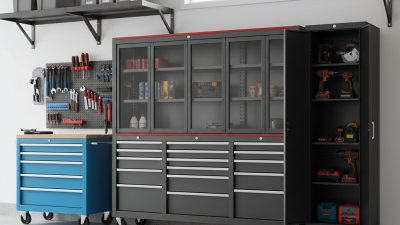
One popular option is the modular tool cabinet. This design allows users to customize their storage. With interchangeable components, you can create a setup that fits your space. However, planning is essential. Users should consider the tools they own and how often they use them. This can lead to a well-organized, efficient work area.
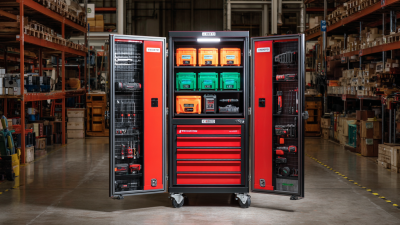
Another type is the mobile tool cabinet. This cabinet is equipped with wheels, allowing easy movement. It’s perfect for those who need to transport tools frequently. The downside? Stability might be an issue on uneven floors. Many users find that heavier tools may tip the cabinet over if not balanced properly.
Lockable cabinets offer security for valuable tools. They often feature a rigid construction but can be heavier to move. Users should think about accessibility versus security. Sometimes, the perfect balance seems hard to achieve. Each type of tool cabinet has its advantages and disadvantages. It’s crucial to reflect on your unique needs before making a decision.
Key Features to Consider When Choosing a Tool Cabinet
When selecting a tool cabinet, key features play a crucial role in enhancing organization. Consider the size and layout of your workspace. A compact cabinet with a vertical layout may fit well in tighter areas. Conversely, a wider cabinet offers more storage options. Evaluate your tools’ dimensions too. The cabinet should accommodate everything without wasting space.
Material is another critical factor. Metal cabinets are sturdy and provide excellent durability. Wooden options offer aesthetic appeal but may not withstand heavy tools as efficiently. Check for shelves and drawers. Adjustable shelves allow flexibility for different tools. Drawers with dividers can keep smaller items in order, minimizing clutter.
Security features cannot be overlooked. Locking mechanisms provide peace of mind, especially in shared spaces. Reflect on your experience: do you want easy access or enhanced security? Additionally, consider the overall design. A well-organized cabinet not only improves efficiency but also enhances your workspace's appearance. Choose wisely.
Tool Cabinet Organization Efficiency
Tips for Maximizing Space in Your Tool Cabinet
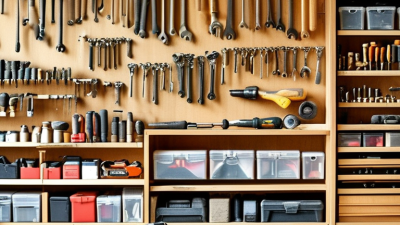
Maximizing space in your tool cabinet can significantly enhance efficiency. Start by categorizing your tools. Group similar tools together. This creates a clear visual layout. Use small containers or trays for organizing screws, nails, and other small items. Clear bins allow you to see everything at a glance. Yet, it's common to overcrowd these spaces, leading to chaos. Regularly evaluate what you truly need and let go of unused items.
Consider adding vertical storage options. Hooks and pegboards can help free up shelf space. Hang tools you use frequently for quick access. However, don't forget to leave some space empty. This allows for flexibility and growth in your collection. Additionally, labeling shelves and containers can help streamline your workflow. Sometimes, we overlook simple solutions that can save time. Reassessing your organization strategy is crucial as your needs change.
Lastly, ensure your cabinet is well-lit. Shadows hide tools and make finding items challenging. A small LED light can make a significant difference. Remember, the goal is to create an organized space that inspires efficiency. Regularly revisiting your setup promotes a habit of organization. Mistakes and clutter will happen, but reflecting on what works best is part of the process.
Maintenance and Care for Your Tool Cabinet
Maintaining your tool cabinet is essential for longevity and efficiency. Regular care prevents rust and wear. A study by the National Association of Maintenance Professionals indicates that proper maintenance can extend tool life by 30%. Keeping your cabinet clean promotes organization and saves time. Dust and debris can lead to surface damage or corrosion.
Implement a simple cleaning routine. Wipe down surfaces with a damp cloth regularly. Check for moisture buildup, especially in humid environments. Use silica gel packets to absorb excess moisture. This small addition can significantly enhance your cabinet's durability.
Pay attention to hinges and locks. Oil them occasionally to ensure smooth operation. Neglecting these parts can lead to frustration and inefficiency. A survey from the Global Tool Organization found that over 40% of tool users experienced issues due to poor maintenance. Reflect on your habits; are you maintaining your tools as effectively as you should?