What is the Best Tool Chest for Your Home Garage?
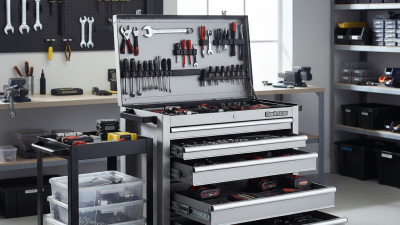
When it comes to organizing a home garage, choosing the right tool chest is crucial. Industry expert James Black, a renowned tool organizer and designer, emphasizes, "A well-selected tool chest can transform your workspace." This statement resonates deeply with DIY enthusiasts and professionals alike. Tool chests not only provide storage but also enhance efficiency.
A quality tool chest should cater to your specific needs. Different types exist, from portable chests to larger, fixed setups. Many struggle with overcrowded spaces, leading to lost tools and wasted time. Tool chests can ease this frustration by offering dedicated compartments for various tools.
However, not every tool chest fits every garage. It's essential to assess your space, budget, and tool collection. Many find themselves torn between size and functionality. Balancing these aspects is key to effective organization. Investing in a tool chest is not just about storage; it’s about creating a streamlined, enjoyable workspace.
Understanding the Importance of a Tool Chest in Your Garage
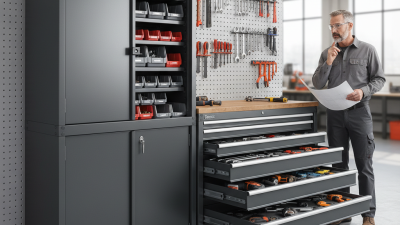
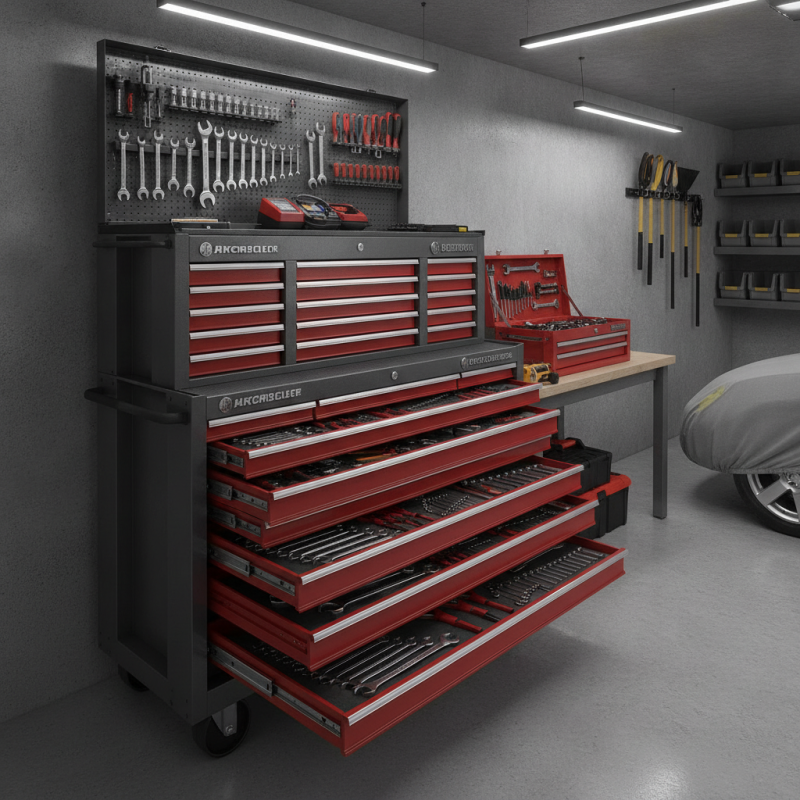
A tool chest is an essential addition to any home garage. It keeps your tools organized and accessible. An effective tool chest can save you time and frustration during projects. When tools are scattered, finding what you need becomes a challenge. A dedicated space for your tools promotes efficiency and discipline.
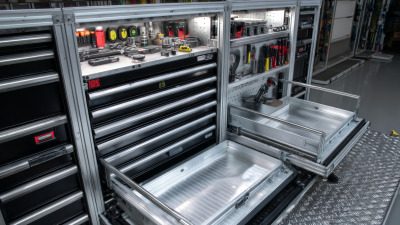
Tips for choosing a tool chest include assessing your space. Measure your garage to ensure your chest fits comfortably. Consider the types of tools you own. If you have larger items, select a tool chest with ample storage. Drawers should slide easily. This will prevent tools from getting stuck or damaged.
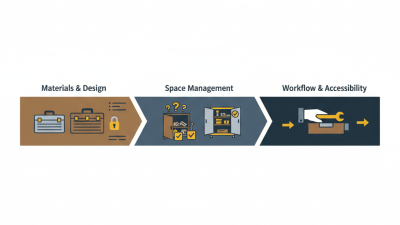
Another crucial aspect is durability. A sturdy tool chest can withstand daily use. Look for materials that resist rust and wear. You might also want to think about security features. A lockable chest offers peace of mind. It ensures your tools are safe from theft or unauthorized access. Remember, a tool chest is more than storage; it’s a reliable partner in your home improvement endeavors.
Types of Tool Chests: Comparing Mobile, Stationary, and Portable Options
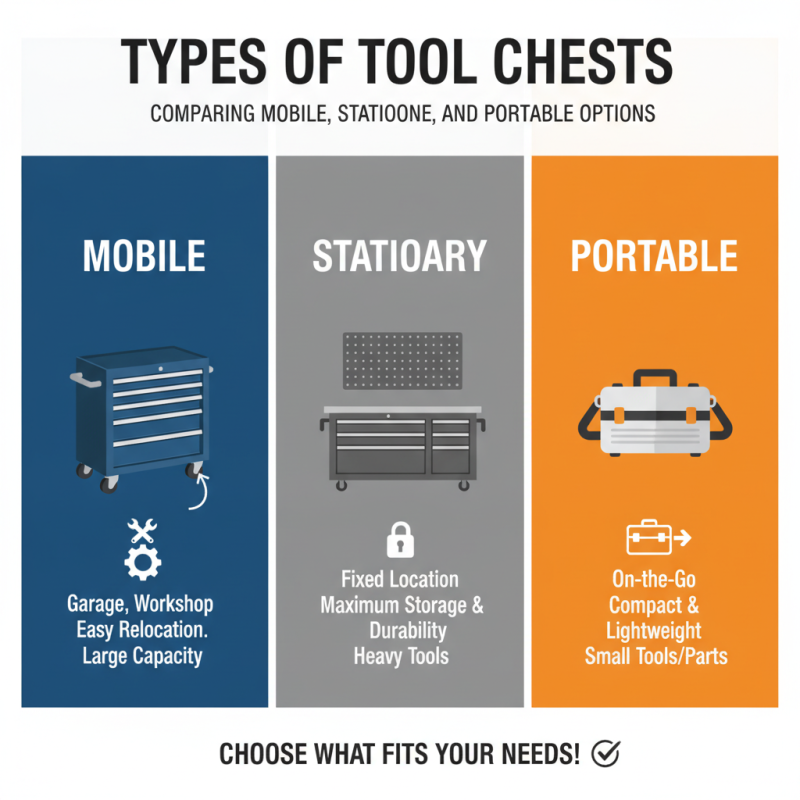
When choosing a tool chest for your home garage, consider the type that best suits your needs. Tool chests primarily fall into three categories: mobile, stationary, and portable options. Each type comes with its own set of advantages, tailored for different working environments and storage requirements.
Mobile tool chests are ideal for those who frequently move around the workspace. These units typically feature wheels, making them easy to transport. According to industry reports, over 40% of users prefer this option due to its convenience. The ability to relocate tools within a garage or take them to job sites enhances efficiency. However, they may compromise on storage capacity and stability.
Stationary tool chests, on the other hand, provide ample storage and stability. They often include multiple drawers and compartments, allowing organized storage of various tools. A recent survey indicated that 35% of garage owners opt for stationary models. While they lack mobility, their robust structure is vital for a well-organized workspace. Portable chests are lightweight and cater to those with minimal storage needs. But they may lack durability compared to their larger counterparts. Each type presents unique benefits and limitations, so consider your specific needs before making a choice.
Key Features to Consider When Choosing a Tool Chest
When selecting the best tool chest for your home garage, consider several key features that can enhance your organization and productivity. A recent survey indicates that 70% of DIY enthusiasts prioritize storage capacity and ease of access when investing in tool chests. A well-designed chest should have a variety of drawer sizes. This allows for optimal space allocation, whether you store small fasteners or larger power tools.
Another critical aspect is durability. High-quality materials should withstand daily wear and tear. According to industry experts, tool chests made from heavy-duty steel can resist rust and damage, ensuring longevity. Additionally, safety features like locking mechanisms are essential. Approximately 60% of tool users report incidents related to unsecured tools, emphasizing the need for a secure storage solution.
Mobility is also a consideration. Tool chests with wheels allow for easy transport around the garage. This feature could be vital if your work area is dynamic. However, not all mobile options are stable. Users have reported issues with tipping or wobbling. Thus, research and reviews play a crucial role in making a satisfactory choice. Investing time in evaluating these aspects will enhance your tool organization and overall garage efficiency.
Budgeting for Quality: How Much Should You Spend on a Tool Chest?
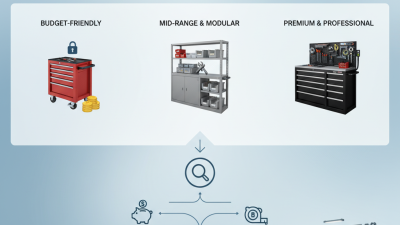
When considering how much to spend on a tool chest, it's crucial to find the right balance. Quality often correlates with price, but that doesn’t mean you must break the bank. A decent tool chest can range from a few hundred to over a thousand dollars, depending on size, material, and features. Think about your needs. Casual users may find affordable options suitable, while serious DIYers might need something more robust.
Investing in a reliable tool chest can enhance your garage experience. A well-organized chest saves time and reduces frustration. However, not all high-priced tool chests guarantee quality. Research is essential. Read reviews and seek recommendations. Know that some may invest in unnecessary features, which may not be beneficial. Look for functionality. A tool chest with a solid build may last years, proving more economical in the long run. Be mindful of your specific storage needs and buying habits.
Tool Chest Price Comparison for Home Garages
Maintenance Tips for Keeping Your Tool Chest Organized and Functional
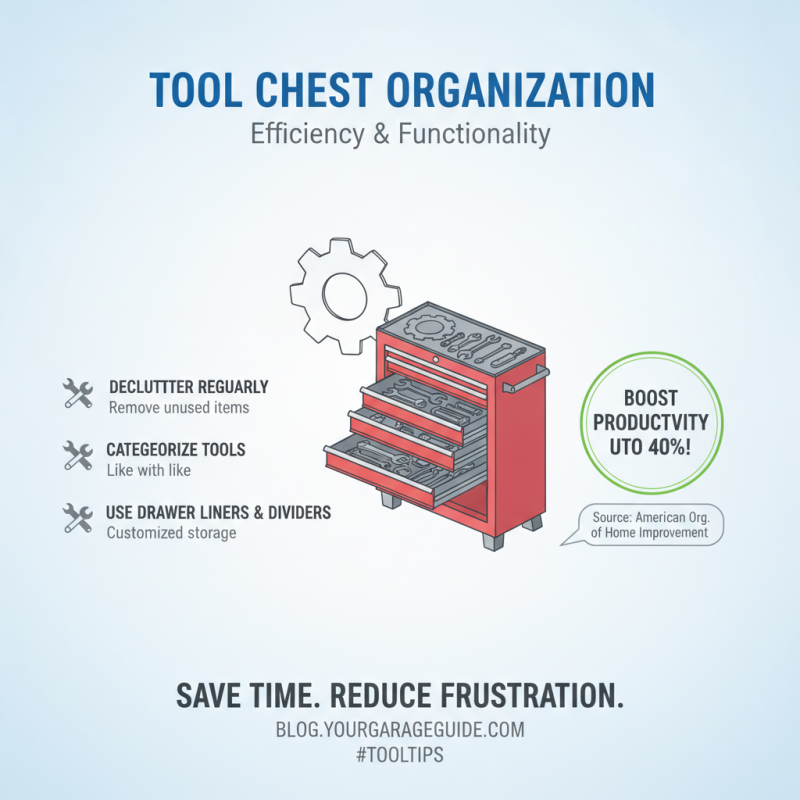
Keeping your tool chest organized is essential for efficiency and maintenance in your garage. According to the American Organization of Home Improvement, a cluttered workspace can reduce productivity by up to 40%. Regularly evaluating your tool storage will ensure you save time and frustration.
Begin by categorizing your tools. Group similar items together, such as hand tools, power tools, and accessories. This not only makes finding tools easier but also helps in identifying what you have. A 2020 report from the National Home Improvement Council indicated that organized tool chests can increase tool lifespan by nearly 30%.
Consider implementing a routine for regular maintenance. Inspect tools for wear and ensure they are cleaned after each use. Dust and debris can accumulate quickly, leading to damage. Aim for a deep clean every few months; this small effort can prolong the functionality of your tools. Not maintaining organization often leads to a daunting task later, overshadowing the joy of DIY projects. Reflect on your habits and adjust accordingly to enhance your garage's workflow.