2026 Best Workbench With Drawers for Every Workshop?
Choosing the 2026 Best Workbench With Drawers requires more than comparing prices and polished product photos. A reliable workbench should support real projects, from sharpening chisels to assembling small electronic parts. It must feel stable when a hand plane meets hardwood. The drawers should open smoothly, even when filled with clamps, screws, and measuring tools.
This guide examines practical details that often disappear in showroom descriptions. We consider frame strength, drawer capacity, worktop thickness, wheel quality, and available workspace. We also look at user reviews, manufacturer specifications, warranty terms, and long-term maintenance needs. A steel frame may handle heavy equipment well, while a thick wood top can reduce vibration during detailed work. Neither option suits every workshop.
Small details matter.
For example, full-extension slides let you reach the back of a drawer without kneeling awkwardly. Locking casters can improve mobility, but cheap wheels may loosen over time. Cable openings, adjustable feet, and replaceable work surfaces can also influence daily comfort. These features deserve more attention than attractive finishes.
No bench is perfect. Some models offer excellent storage but sacrifice legroom. Others look remarkably solid but arrive with confusing instructions. That is worth admitting. This review focuses on honest trade-offs, practical workshop experience, and evidence that helps buyers choose confidently. Whether you build furniture, repair bicycles, or maintain household tools, the right Workbench With Drawers should make your work safer, cleaner, and easier to repeat.
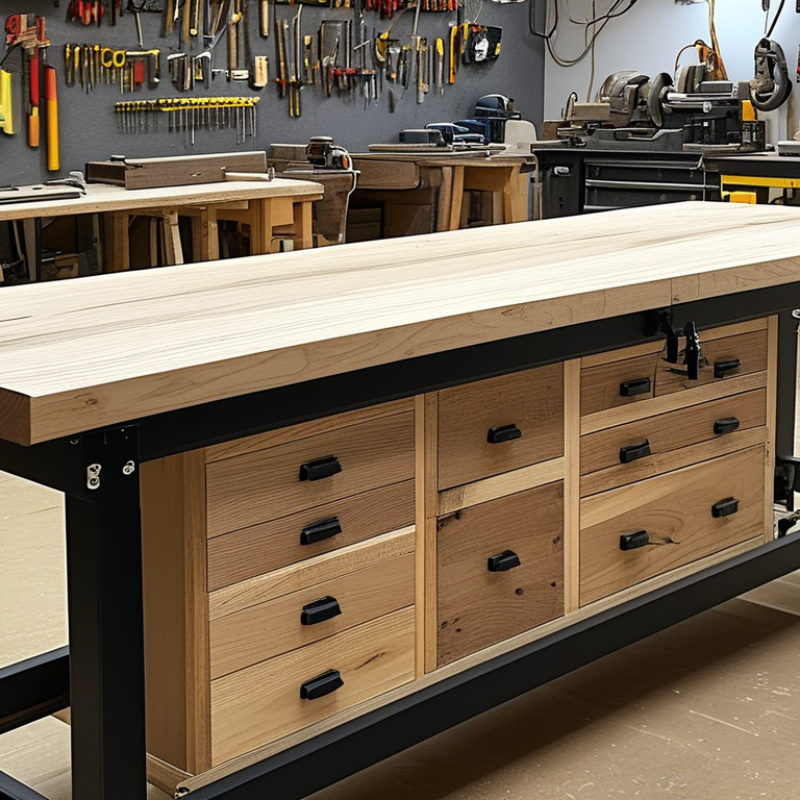
Workbench Types and Drawer Configurations for Different Workshop Needs
2026 Best Workbench With Drawers for Every Workshop
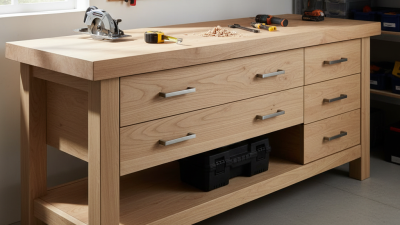
The best workbench depends on your tools, working posture, and available floor space. A compact steel-frame bench suits a garage workshop, especially when every metre matters. Its shallow drawers can hold screws, measuring tools, and electrical testers without blocking legroom. Choose a solid worktop with a load rating that exceeds your heaviest regular project. That extra margin matters.
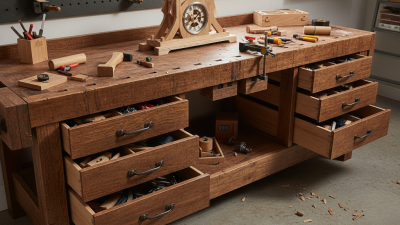
Woodworkers often need a deeper bench with wide drawers. These drawers can store hand planes, chisels, clamps, and sanding supplies in separate compartments. Full-extension runners improve access, but they require accurate installation and regular cleaning. A drawer that feels smooth in a showroom may drag under heavy loads. I have found that clear labels save more time than complicated internal organizers.
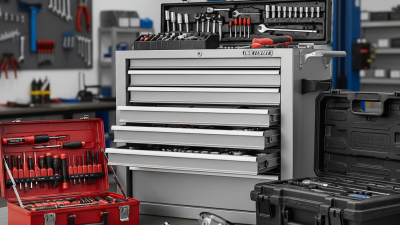
For electronics and repair work, a seated-height bench with small, divided drawers works better. ESD-safe surfaces, cable openings, and one lockable drawer help protect sensitive equipment and small parts. Mobile benches need strong casters, reliable brakes, and balanced weight distribution. Do not ignore handle placement. It affects movement and safety. There is no perfect configuration. Deep drawers offer capacity, while shallow drawers provide faster visibility. I would measure your largest tool twice before ordering, because workshop plans often change after the first project.
2026 Best Workbench With Drawers for Every Workshop
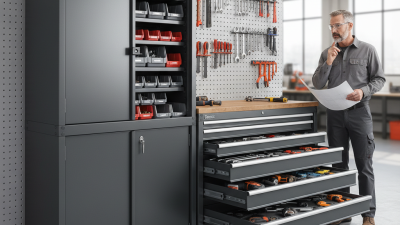
Drawer recommendations are based on common workshop storage needs: heavier tools require fewer, deeper drawers, while electronics and precision work benefit from more shallow compartments for small parts and instruments.
Essential Features to Evaluate Before Choosing a Workbench
Choosing a workbench with drawers in 2026 starts with the tasks you actually perform. Measure your largest tools, materials, and working area before comparing models. A bench that looks spacious may feel cramped after adding a vise. I have learned this through repair work. Drawer depth matters more than drawer count. Shallow drawers suit screws, blades, and measuring tools, while deeper drawers hold clamps and power-tool accessories.
Check the frame, top thickness, and stated load capacity carefully. Steel legs usually provide stronger support, but solid wood can reduce vibration during precision work. The surface should resist scratches, moisture, and common workshop oils. Replaceable worktops are useful when cutting or drilling damages the surface. Test the drawers in person if possible. They should open smoothly, remain stable, and close without slamming. Soft-close hardware is pleasant, but strong drawer slides matter more.
Do not overlook ergonomics. A suitable height keeps your shoulders relaxed and your wrists fairly straight. Locking casters can improve flexibility, yet they may reduce stability on uneven floors. Inspect the caster brakes, drawer locks, and fasteners. Clear assembly instructions also suggest better quality control. I once chose extra storage over legroom and regretted it during long projects. That mistake still influences my measurements. Some advertised capacities also seem optimistic, so leave a safety margin for heavy tools. Keep frequently used items between waist and chest height, and reserve lower drawers for dense equipment.
Best Workbench Materials for Strength, Stability, and Durability
A workbench with drawers must handle more than storage. Its materials determine how well it supports sawing, drilling, and heavy clamping. Dense hardwood provides a strong top with useful resistance to dents. Maple, beech, and ash are practical choices when properly dried and joined. Their weight also reduces movement during demanding tasks. That stability matters. A steel frame adds dependable support beneath the surface. It resists twisting, although thin steel can flex under uneven loads.
Plywood offers a lighter and often more predictable option. Its layered construction reduces splitting and seasonal movement. High-quality plywood works well for drawer boxes, cabinet sides, and lower shelves. Avoid weak composite boards near moisture or heavy tools. They can swell around screw holes. Full-extension metal slides should match the drawer’s expected load. A drawer holding chisels needs different support from one storing clamps. Small details matter.
In my workshop, I once chose a thick top without checking the frame joints. The surface looked impressive, but the bench rocked during hand-planing. That mistake changed how I judge durability. I now inspect corner bracing, fasteners, and level-adjustment points before measuring the tabletop. A slight wobble becomes annoying quickly. A penetrating oil finish can protect hardwood while preserving a repairable surface. Water-based finishes dry faster, but they may feel less forgiving after scratches. Regular tightening and careful cleaning remain necessary. No bench stays perfect.
How to Match Workbench Size, Storage, and Weight Capacity
Choosing a workbench with drawers starts with the work you actually perform.
Measure your available wall space, walking clearance, and the longest materials you handle. A 60-inch bench may suit repairs, while cabinetmaking often needs a deeper surface. Space disappears quickly.
I recommend setting the bench height near your relaxed elbow level.
This reduces shoulder strain during detailed tasks, although one height rarely suits every project. A thick top absorbs vibration, but it also adds weight. Check the stated capacity carefully, and distinguish evenly distributed loads from concentrated loads on one corner. Include your vise, machines, clamps, and stored materials in the calculation. Your tools may weigh more than expected.
Drawer layout matters as much as drawer count.
Shallow drawers keep measuring tools visible, while deeper drawers hold drills and protective equipment. Full-extension slides improve access, but they need accurate installation and regular cleaning. Lockable drawers can prevent accidental opening, especially when the bench is moved. Test the handles and drawer travel before buying, if possible.
Stability deserves practical attention.
A heavy bench can still wobble on an uneven floor. Adjustable feet help, but they are not a substitute for a rigid frame. I once underestimated knee clearance and lost usable space beneath the top. That mistake changed how I assess storage. Leave room for future tools, but avoid paying for drawers you will never use. A well-matched bench supports your workflow without forcing every project into the same arrangement.
Safety, Maintenance, and Organization Tips for Workbenches with Drawers
A drawer workbench should support safe movement, clear visibility, and disciplined storage.
OSHA’s 29 CFR 1910.22 requires workplaces to remain clean, orderly, and free from hazards. That principle applies in private workshops too. Keep frequently used tools in waist-height drawers. Store heavier equipment below shoulder level. This reduces awkward reaching and helps prevent a loaded drawer from tipping the bench.
Inspect drawer slides, handles, and locking hardware every month.
Look for loose screws, bent runners, sharp edges, and dust packed around moving parts. A practical check takes less than five minutes. Wipe metal surfaces with a dry cloth, then remove wood dust from corners and vents. Do not overload one drawer. A simple label system also prevents repeated opening and closing, which wastes time and encourages careless movement.
Fire safety deserves space.
NFPA 10 recommends monthly visual inspections for portable fire extinguishers, so keep access paths open around the workbench. The U.S. Bureau of Labor Statistics reported that overexertion and bodily reaction remained major contributors to workplace injury cases in recent data. A crowded drawer system can increase bending, twisting, and rushed handling. I have found that a small parts tray often improves control more than another deep drawer. Still, no layout works perfectly. Review it after real projects, especially when tools keep returning to the wrong place.