How to Choose the Best Multi Layer Tools Box for Your Needs?
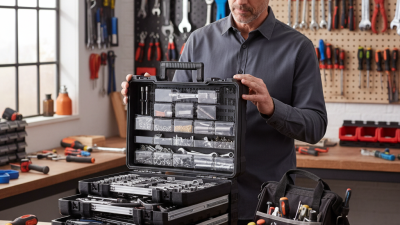
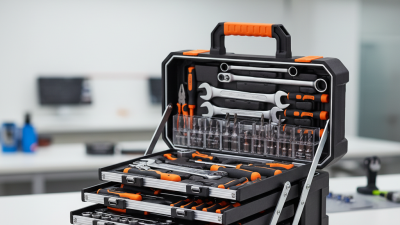
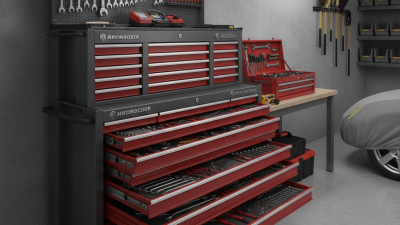
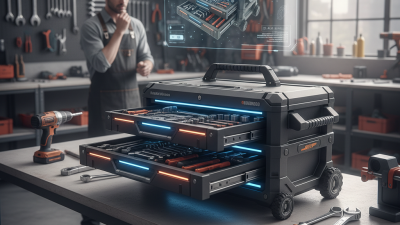
Choosing the right Multi Layer Tools Box can significantly enhance your work efficiency. With many options available, it’s essential to know what to prioritize. A sturdy design is crucial, as this tool storage solution must withstand daily wear and tear. Additionally, the ideal Multi Layer Tools Box should offer ample storage space, allowing users to organize tools neatly.
Many people overlook the importance of size. A too-small box can lead to clutter. On the other hand, an oversized box may be cumbersome. It's essential to assess your specific needs before making a decision. The perfect Multi Layer Tools Box should reflect a balance between capacity and portability.
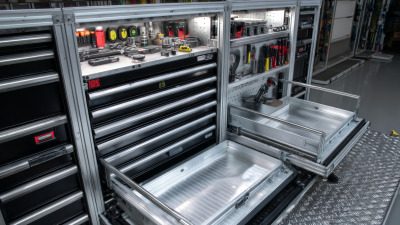
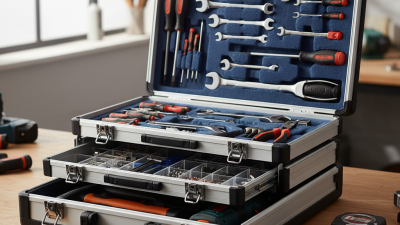
Consider features like drawers, trays, and compartments. These elements can contribute to a more organized workspace. However, not all boxes are created equal. Some may lack durability or proper sizing. Reflecting on previous experiences can help prevent poor choices. A thoughtful selection process ensures your Multi Layer Tools Box caters to your individual requirements efficiently.
Understanding the Purpose and Functionality of Multi Layer Tool Boxes
When selecting a multi-layer tool box, consider its purpose. These tool boxes provide organized storage, making it easier to find tools quickly. Each layer allows for better categorization. A well-structured tool box minimizes time wasted during projects.
Think about the type of tools you need to store. Heavy-duty tools require sturdy layers. Lighter tools might do well in less robust options. Assess your tools and their sizes. This will affect your choice significantly. Having layers dedicated to specific tools can enhance efficiency.
Tips:
Choose a box with adjustable dividers for versatile storage. It allows you to adapt sections based on your needs. Also, consider portability. A tool box with a handle or wheels can greatly improve mobility.
Don't overlook the importance of material. Plastic boxes might be lighter but can lack durability. Metal options offer strong protection but can be heavier. Reflect on which aspects matter more for your daily use. Ultimately, the right tool box should align with your workflow.
Evaluating Different Sizes and Dimensions for Your Storage Needs
Choosing the right multi-layer toolbox can be tricky. Focus on your storage needs before making a decision. Evaluate the sizes and dimensions that fit your workspace. A toolbox that is too large may take up unnecessary space, while one that is too small can lead to clutter.
Consider your tools and items. Are they large and bulky or small and numerous? This can greatly influence the dimensions you require. If you have many small items, a toolbox with multiple compartments may be ideal. However, larger tools might require bulkier space to avoid damage. Reflect on what you currently own and what you might acquire in the future.
Remember, your needs may change over time. You might find yourself needing more storage as your collection grows. Frequent reorganizing is also necessary. Look for toolboxes that offer flexibility. Assess how often you will access your tools. A toolbox that is easy to move helps maintain an organized work area. Take your time, think about your choices, and make adjustments as necessary.
Material Choices: Pros and Cons of Metal, Plastic, and Wood Tool Boxes
When choosing a multi-layer tool box, material is a crucial factor. Metal tool boxes offer strength and durability. They can withstand wear and tear. However, they may rust if exposed to moisture. This could lead to damage over time. If you need something tough, metal might be a good choice, provided you maintain it properly.
Plastic tool boxes are lightweight and often more affordable. They are resistant to rust and corrosion, making them ideal for outdoor use. However, they may not hold up well under heavy loads. They can crack under pressure, which is something to consider. If you need a portable option, plastic could be perfect, but it may lack long-term resilience.
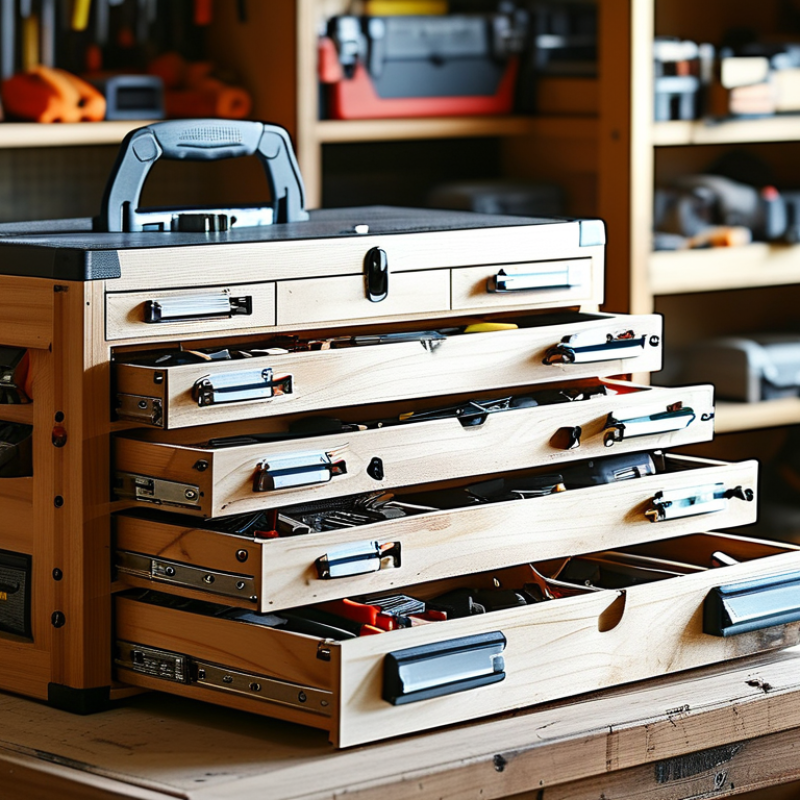
Wooden tool boxes have a classic appeal. They can be very sturdy and provide a unique aesthetic. Yet, wood requires care to prevent swelling and warping. Exposure to moisture can also cause decay. A wooden box may fit well in a workshop but needs regular upkeep. Each material has its own strengths and weaknesses, so choose based on your specific needs. Reflect on what features matter most in your tool organization.
How to Choose the Best Multi Layer Tools Box for Your Needs?
| Material |
Pros |
Cons |
Best Use Cases |
| Metal |
Durable, resistant to impact, secure |
Heavy, can rust, may be more expensive |
Professional settings, heavy tools |
| Plastic |
Lightweight, rust-proof, affordable |
Less durable, limited weight capacity |
Home use, light tools |
| Wood |
Aesthetic, sturdy, custom options |
Heavy, can be expensive, not water-resistant |
Display and organization, craft tools |
Assessing Internal Organization Features and Accessibility Options
When selecting a multi-layer tool box, internal organization features are crucial. A well-designed tool box allows you to categorize tools effectively, enhancing efficiency. According to the American Tool Company Association, poorly organized tools can lead to a 20% reduction in productivity. This statistic highlights the need for thoughtful organization in any tool storage solution.
Accessibility options also play a key role in choosing the right tool box. Easy access to tools minimizes downtime during tasks. Reports show that 30% of tool users waste time searching for items. Magnetic strips, removable trays, and foldable compartments can enhance easy access. However, it’s important to strike a balance. Overly complex designs may confuse users. A simple layout is often more effective.
While many tools boxes offer impressive organization features, they can sometimes come with compromises. Some may prioritize lightweight materials over sturdiness. Others may lack adequate space for larger tools. An effective tool box should provide flexibility to adapt to various tasks. Careful consideration of these organizational and accessibility aspects leads to a more productive work environment.
Budget Considerations and Comparing Brands for Value Shopping
When selecting a multi-layer tool box, budget considerations play a crucial role. Setting a clear budget helps narrow down choices. It's easy to get distracted by flashy features. Focus on what you really need. Consider the materials and durability, as cheaper options may cost more long-term. Investing in quality can save money over time.
Comparing brands can be overwhelming. Each company offers various features that may appeal differently to each user. Research reputable brands that have positive reviews from seasoned users. Seek out expert opinions to ensure reliability. User communities can offer insights into strengths and weaknesses. Sometimes, a lesser-known brand provides better value. Always read reviews. Look for honest feedback to avoid pitfalls.
Don't forget to check for sales or promotions. Prices fluctuate, and timing can make a big difference. Adjusting your expectations might lead you to discover a functional tool box at a lower price point. Balance your needs with available options and stay flexible in your choices. The right tool box should align with your projects and budget blend.
Best Multi Layer Tool Boxes: Budget Considerations