How to Choose the Best Storage Tool Box for Your DIY Projects
When embarking on DIY projects, having the right tools is essential to ensure efficiency and success. One of the most crucial elements in the toolkit is a reliable Storage Tool Box. It serves not only as a convenient solution for keeping your tools organized but also as a protective space for your equipment and materials. Choosing the best Storage Tool Box can significantly elevate your DIY experience, enabling you to easily access what you need when you need it.
In this guide, we will explore the various factors to consider when selecting a Storage Tool Box that suits your specific projects. From size and durability to portability and compartmentalization, each aspect plays a critical role in how effectively your tools are stored and utilized. Understanding your own needs and project requirements is key to making an informed decision. Whether you are a seasoned DIY enthusiast or a beginner, the right Storage Tool Box will pave the way for better organization and ultimately, more successful outcomes in your projects.
Understanding Your Storage Needs for DIY Projects
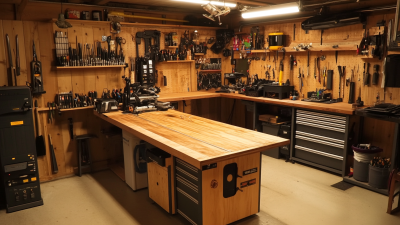
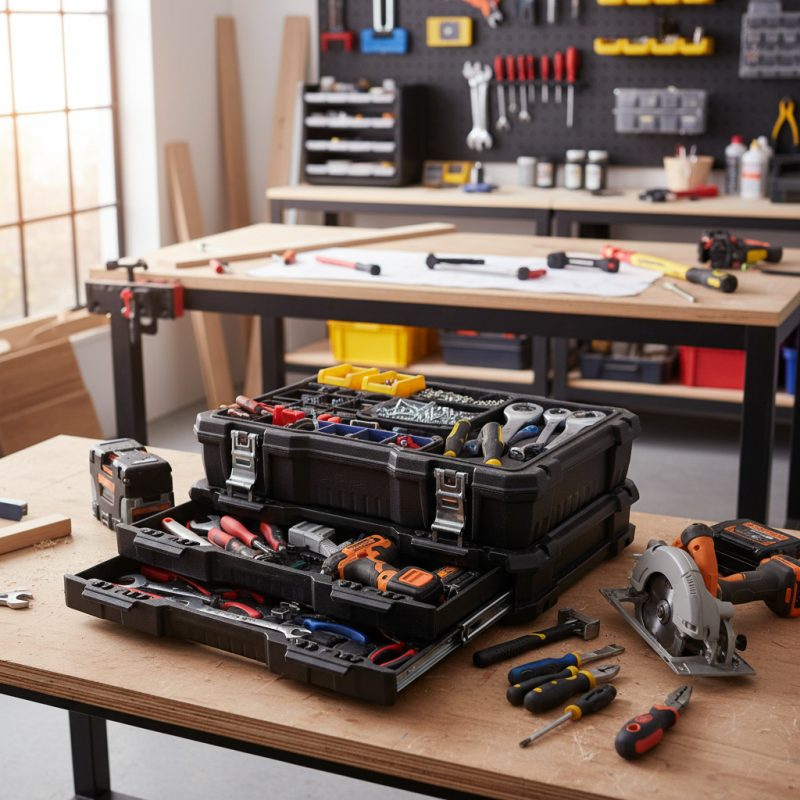
Understanding your storage needs for DIY projects is essential for maintaining an organized workspace and efficiently managing your materials. Before selecting a storage toolbox, assess the types and sizes of tools you frequently use. Are you working with large power tools, or do you primarily handle smaller hand tools? Additionally, consider the materials and supplies required for your projects. For instance, if you often work with paints or adhesives, you may need compartments that can securely hold these items and prevent spills.
Another important aspect to consider is the versatility and mobility of your storage solution. DIY projects can span various categories, from woodworking to crafting, and each may require different tools and materials. Look for toolboxes that offer customizable compartments or additional features like wheels and handles for easy transport. A well-planned storage toolbox can not only hold your current supplies but also adapt to your future needs, ensuring you remain prepared for any project that comes your way.
Storage Solutions for DIY Projects
Evaluating Different Types of Storage Tool Boxes
When evaluating different types of storage tool boxes for your DIY projects, it’s essential to consider your specific needs and the nature of your tasks. Tool boxes come in various sizes, materials, and configurations, each designed to cater to different applications. For instance, if you have an extensive collection of tools, a large rolling tool cabinet can provide ample storage and easy mobility. On the other hand, if your projects are smaller in scale or involve more intricate tools, a compact, portable tool box with a modular design may be optimal for quick access and organization.
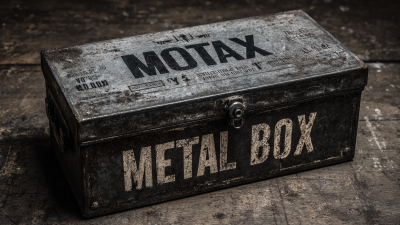
Additionally, the material of the storage tool box plays a crucial role in its durability and suitability for specific environments. Plastic tool boxes are lightweight and resistant to rust, making them ideal for outdoor use. Metal tool boxes, though heavier, offer superior protection against impacts and often come with enhanced security features. Consider whether you need waterproof options for projects that will be exposed to moisture or dust-proof designs for delicate tools. By matching the characteristics of the storage tool box with the demands of your DIY projects, you can create a more efficient and organized workspace that enhances your productivity.
Key Features to Look for in a Storage Tool Box
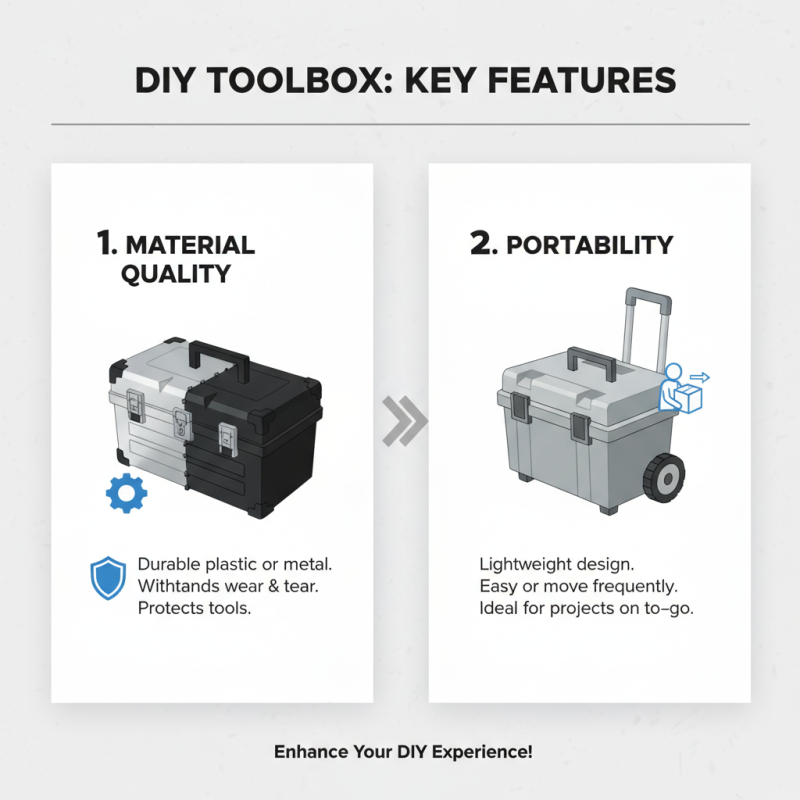
When selecting the best storage tool box for your DIY projects, there are several key features to consider that can greatly enhance your organizing and working experience. Firstly, material quality is crucial; a sturdy box made from durable plastic or metal will withstand wear and tear, ensuring that your tools are protected from damage. Additionally, consider the weight of the box. A lightweight option is ideal for portability, especially if you plan on moving it around frequently.
Another important feature is the design of the interior compartments. Look for a tool box that offers adjustable dividers or removable trays, allowing you to tailor the space to fit your specific tools and accessories. This flexibility not only helps in organizing tools efficiently but also makes it easier to access them when needed. Moreover, features like waterproof seals or rust-resistant finishes can provide added protection for your tools in various working conditions, which is an essential factor for any DIY enthusiast.
Comparing Materials and Durability of Storage Boxes
When selecting a storage tool box for your DIY projects, material choice plays a pivotal role in determining the durability and functionality of the storage solutions. Common materials include plastic, metal, and wood, each with distinct advantages and drawbacks.
Plastic tool boxes are lightweight, resistant to corrosion, and often more affordable, making them ideal for casual DIYers. However, they can be less durable under heavy loads or extreme temperatures.
Metal boxes, on the other hand, provide superior strength and resistance to wear and tear, making them a better choice for professionals or those needing long-term storage solutions, though they may be susceptible to rust without proper maintenance.
In addition to material, the design of the storage box can significantly impact its usability and lifespan. Boxes constructed with reinforced edges and durable locking mechanisms tend to withstand the rigors of frequent use. Features such as removable trays or compartmentalized interiors can enhance organization and accessibility, contributing to the overall effectiveness of the box in protecting tools from damage.
Ultimately, when comparing materials and durability, it is essential to consider your specific needs and the environments in which the tool box will be used, as these factors will guide you in making the best choice for your DIY endeavors.
Budgeting for Your Ideal Storage Solution
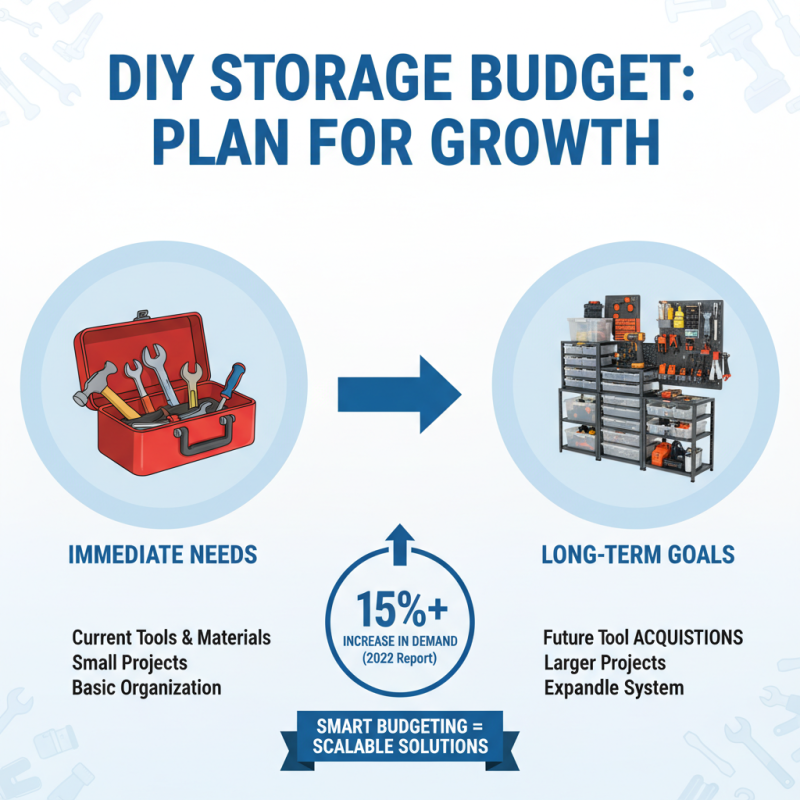
When budgeting for your ideal storage solution for DIY projects, it’s essential to evaluate both your immediate needs and long-term goals. According to the 2022 North American Tool Storage Market report, the demand for efficient storage solutions has increased by over 15% in recent years, driven by a surge in home improvement projects. A well-planned budget will allow you to select a storage toolbox that not only accommodates your current tools but also anticipates future expansions as your DIY endeavors grow.
To create a practical budget, start by assessing the type and volume of tools you own. A survey conducted by the Home Improvement Research Institute indicated that about 58% of DIY enthusiasts reported having more tools than they had adequate storage for. By categorizing your tools—hand tools, power tools, and supplies—you can estimate the range of storage solutions that will fit your requirements. A mid-range toolbox typically costs between $100 and $300, depending on size and durability features. Allocating funds based on quality and function rather than just price can enhance your project efficiency and organization substantially, thus reflecting a wise investment in your DIY toolkit.