Leave Your Message

How to Choose the Best Garage Storage Systems?

Choosing the best Garage Storage Systems starts with understanding how your garage really works. Measure the walls, ceiling height, doors, windows, and available floor space. Then observe your habits. Do bicycles block the car? Do seasonal decorations disappear behind paint cans? Does one toolbox remain open for weeks?

Clutter-management expert Barbara Hemphill said, “Clutter is nothing more than postponed decisions.” That idea matters here. A useful storage system should help you decide where every item belongs. It should not simply hide the mess behind attractive doors.

Look for durable materials, adjustable shelves, strong wall panels, and cabinets that suit your actual load. Heavy tools need secure support. Sports equipment needs quick access. Small hardware needs labeled drawers, not a deep box where screws vanish. Consider moisture, dust, temperature changes, and the garage door’s movement. These details often determine whether a system remains practical after installation.

Safety also deserves attention. Store chemicals according to their labels, keep sharp tools out of children’s reach, and avoid blocking electrical panels or walkways. A professional installer can check wall construction and weight limits before mounting anything. That is valuable, especially in older garages.

The most expensive system is not automatically the best. A simple combination of hooks, shelves, and cabinets may outperform a complete custom wall. I have seen many storage plans fail because they looked impressive but ignored daily routines. Leave some empty space. Your future self will probably need it.

How to Choose the Best Garage Storage Systems?

Assess Your Garage Space, Storage Needs, and Available Budget

Choosing a garage storage system starts with honest measurement. Record wall length, ceiling height, door clearance, and the space needed for vehicles. Mark awkward zones around electrical panels, windows, and water heaters. The 2023 National Association of Home Builders survey found that 85% of buyers consider a garage desirable or essential. That demand makes efficient planning important, not decorative.

Separate daily tools from seasonal equipment. Keep bicycles, ladders, and garden tools within easy reach. Store rarely used boxes higher, but leave safe access. The U.S. Energy Information Administration’s 2020 Residential Energy Consumption Survey shows that detached homes commonly include garage space, although layouts vary by region and age. Measure twice.

Budget by function, not by appearance. Set aside money for strong wall rails, adjustable shelving, labeled bins, and installation hardware. A cheap cabinet may fail under power tools or paint cans. Heavy items need low, stable storage. Leave around 90 centimeters of walking clearance where possible. In practice, the first budget is often too optimistic. I would reserve 10–15% for anchors, replacement parts, and small corrections. That margin feels wasteful until a wall is uneven or a stud is misplaced. A storage plan should also protect future flexibility. Your needs will change. likely.
Compare Garage Storage Types and Their Best Uses

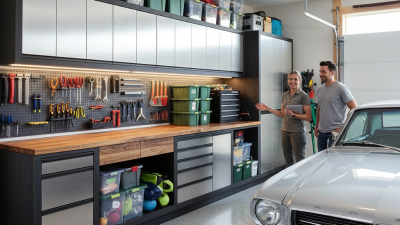
Choosing garage storage starts with the items you handle most often. The 2024 National Association of Home Builders’ “What Home Buyers Really Want” report identifies storage-related spaces as important buyer priorities. That finding supports a practical choice: use wall-mounted panels for hand tools, sports equipment, and small bins. They keep the floor clear and place frequently used items near eye level. Adjustable shelving suits paint supplies, seasonal boxes, and bulky containers. Measure twice.

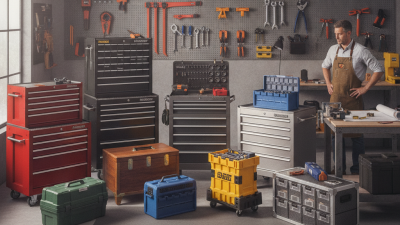
Overhead racks work well for lightweight, rarely used items, such as holiday decorations or empty luggage. However, they need secure ceiling attachment and careful weight distribution. Never place unstable loads above vehicles or walkways. Freestanding steel shelving offers flexibility in rental homes, but it can consume valuable floor space. A cabinet system provides cleaner protection from dust and moisture. It is better for chemicals, hardware, and sensitive equipment, provided storage follows local safety guidance.

Houzz’s 2024 U.S. Houzz & Home Study continues to track storage improvements as part of residential renovation activity, reflecting homeowners’ demand for more functional space. In practice, a hybrid layout usually performs best: a workbench below, cabinets beside it, and seasonal storage overhead. Small spaces punish poor planning. I once saw an attractive wall system become unusable because the workbench blocked its lower drawers. Appearance was not the real measure. Access, load ratings, ventilation, and future changes matter more. Recheck the plan after one week of normal use.

Choose Durable Materials, Safe Designs, and Suitable Load Capacities

When I evaluate garage storage systems, I start with the material and its environment. Steel frames resist impact, while coated surfaces help reduce rust in damp garages. Solid wood shelves can feel stable, but untreated wood may absorb moisture and warp. Look for thick panels, reinforced joints, and smooth edges that will not snag clothing. A shelf should remain level when loaded, not bend visibly in the middle. Do not trust appearance alone. Check the construction details and the stated weight rating. I once chose a cabinet with thin shelves because it looked neat. Heavy tools later caused noticeable deflection. That mistake changed how I compare storage products.

Safe design matters as much as strength. Wall-mounted units need suitable anchors and a secure connection to the wall structure. Freestanding cabinets should have wide bases, adjustable feet, or anti-tip restraints. Keep heavy items low. Tall units can become unstable when their upper shelves carry dense equipment. Doors should open without blocking walkways, and rounded corners can reduce painful bumps in tight spaces. Always compare the load capacity with the actual weight of your boxes, tools, and stored materials. Then leave a reasonable safety margin. A shelf rated for 100 kilograms should not routinely carry 100 kilograms. Capacity may also change when weight is unevenly distributed. I still recheck fasteners after installation, because vibration and seasonal movement can loosen them.

How to Choose the Best Garage Storage Systems? - Choose Durable Materials, Safe Designs, and Suitable Load Capacities
Storage System Type Recommended Materials Typical Rated Load Capacity Durability Considerations Important Safety Design Best-Suited Items Selection Guidance
Freestanding Steel Shelving Powder-coated steel frames with steel or heavy-duty wire shelves 90–450 kg per shelf Resists impact, abrasion, and moderate garage humidity; powder coating helps reduce surface corrosion. Adjustable leveling feet, beam locks, diagonal bracing, and an optional wall anchor. Toolboxes, paint containers, power tools, bins, and automotive supplies Choose a model with a clearly stated load rating for each shelf and distribute weight evenly.
Wall-Mounted Rail Shelving Steel uprights and brackets with laminated wood, steel, or composite shelves 45–180 kg per shelf Uses less floor space and is easier to keep dry; performance depends strongly on wall structure and fasteners. Install into wall studs or approved masonry anchors; use retaining lips or shelf guards where needed. Hand tools, small storage bins, cleaning products, and frequently used equipment Verify the combined shelf load, bracket spacing, and wall-anchor capacity before installation.
Heavy-Duty Boltless Rack Riveted or bolted steel posts with steel beams and chipboard, wire, or steel decking 180–900 kg per level Suitable for high loads when frames are properly assembled; steel decking generally tolerates spills better than wood-based decking. Safety pins, beam connectors, cross-bracing, and anchoring in tall or heavily loaded configurations. Bulk containers, spare parts, compressors, boxed equipment, and seasonal items Do not exceed the rated bay or level capacity; place the heaviest items on lower levels.
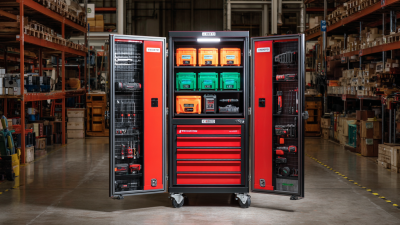
Lockable Steel Cabinet Cold-rolled steel body with a powder-coated finish and reinforced doors 45–135 kg per shelf Protects contents from dust, accidental impact, and unauthorized access; steel thickness and hinge quality affect service life. Locking doors, anti-tip mechanism, adjustable feet, and shelves with upturned edges. Small tools, chemicals, hardware, electrical parts, and valuable equipment For chemicals, check that the cabinet materials and ventilation arrangement match the product safety data sheet.
Overhead Ceiling Rack Powder-coated steel platform, support rails, and structural mounting hardware 90–225 kg per platform Keeps belongings away from floor moisture and vehicle traffic; long-term safety depends on the ceiling structure. Positive locking pins, safety cables, perimeter lips, and attachment to structural joists rather than drywall alone. Light seasonal storage, empty luggage, camping gear, and rarely used containers Confirm joist direction, spacing, and structural capacity; maintain clearance from doors, lights, and garage mechanisms.
Heavy-Duty Storage Cabinet with Drawers Welded steel cabinet with ball-bearing drawer slides and reinforced drawer fronts 45–115 kg per drawer Welded construction and quality drawer slides provide better resistance to repeated daily use than lightweight plastic units. Anti-tip interlock, full-extension slides, drawer stops, and a stable wide-base design. Hand tools, fasteners, measuring instruments, and workshop accessories Choose an anti-tip design and close drawers before moving the cabinet; avoid loading all weight at the front.
Modular Plastic Bin System Impact-resistant polypropylene or high-density polyethylene bins with steel or plastic frames 10–35 kg per bin Will not rust and is easy to clean, but prolonged ultraviolet exposure, extreme cold, and overloading may cause cracking or deformation. Interlocking bins, stable frames, label holders, and a low center of gravity. Nails, screws, cables, gardening accessories, and lightweight consumables Use for small parts and lighter items; select opaque containers for light-sensitive contents.
Mobile Tool Cart Welded or reinforced steel cabinet with rubber casters and protective drawer coating 225–680 kg total cart load Designed for frequent movement; caster diameter, bearing quality, and frame welds determine mobility and durability. Lockable casters, drawer retention, push handle, corner bumpers, and an anti-tip drawer system. Frequently used tools, repair equipment, and portable workshop supplies Lock the casters during use and keep heavy drawers low to reduce the risk of tipping.
Load capacities are representative ranges for common residential and light-commercial storage designs, not universal guarantees. Always follow the manufacturer’s tested rating, installation instructions, anchor requirements, and local building or fire-safety regulations.

Plan the Layout for Easy Access, Efficiency, and Future Expansion

Choosing the best garage storage systems starts with a measured layout, not attractive cabinets. Measure wall width, ceiling height, door swing, and parking clearance. Mark these dimensions with painter’s tape on the floor. I once placed a tall cabinet beside a side door; its open door blocked the walkway. That small mistake changed the whole arrangement.

Keep daily tools between waist and shoulder height. Store seasonal items higher, but leave a clear route to them. Group items by task: vehicle care, gardening, repairs, and household storage. A shallow drawer near the workbench can hold screws, tape, and measuring tools. Label each container clearly. Keep labels facing outward. Allow enough space to remove one bin without moving three others. This is where many plans fail.

Plan at least one unused section for future expansion. A spare rail, open wall panel, or empty cabinet bay can absorb new equipment later. Check the wall structure before installing heavy loads, and follow published weight limits. Secure tall units against tipping, especially in homes with children. Leave ventilation around chargers and heat-producing equipment. My own layout still feels slightly crowded during winter. That is useful feedback. A garage should remain adaptable, not merely full.

How to Choose the Best Garage Storage Systems?

Plan the layout for easy access, efficiency, and future expansion.

The recommended planning targets prioritize clear access, efficient use of wall and floor space, and room for future storage needs. A balanced layout should keep frequently used items within easy reach while reserving approximately 20% of usable capacity for expansion.

Select Features That Improve Organization and Everyday Convenience

Choosing the best garage storage system begins with daily movement, not an empty wall. Measure where the car doors open, where tools are used, and where walking space becomes narrow. Adjustable shelves can hold changing box sizes, while strong hooks keep bicycles, hoses, and extension cords off the floor. Drawers protect small hardware from dust and make repairs less frustrating. Clear labels also help family members return items correctly.

Tips: Keep frequent items between waist and shoulder height. Store seasonal equipment higher. Leave a safe walkway. Check weight ratings before loading shelves. A small measurement mistake can waste useful space.

Convenience depends on details that are easy to overlook. Choose surfaces that wipe clean, handles that work with gloves, and smooth drawer slides that do not jam. Moisture-resistant materials may last longer in garages with temperature changes. Secure tall units to suitable wall structures, and avoid placing heavy items above head level. I once stored a ladder near the entrance because it seemed efficient. It blocked movement during busy mornings. That choice needed reconsideration. A practical layout should reduce decisions, lifting, and unnecessary steps. Test the arrangement for a week before fixing every container permanently. The best system may not look perfect, but it should remain dependable when the garage is crowded.