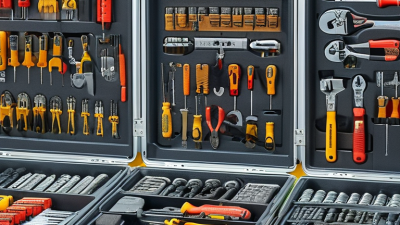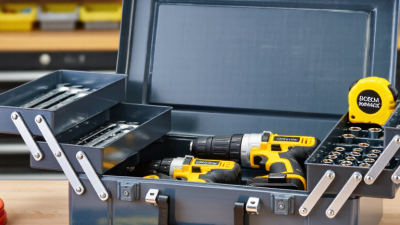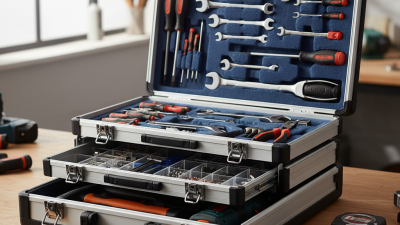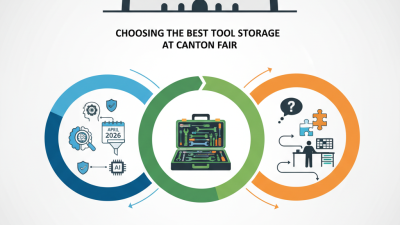
Choosing the right Tool Box Organizer can change how efficiently you work, whether you repair appliances, maintain vehicles, or complete weekend projects. A cluttered box wastes time. Small sockets disappear beneath heavy pliers, while loose screws collect in dark corners. A well-designed organizer keeps frequently used tools visible, protected, and easy to reach.
In practice, the best choice depends on your tools, workspace, and working habits. Measure the box interior before shopping, including its depth and lid clearance. Check whether drawers, trays, or removable compartments fit your actual equipment. Durable plastic handles moisture well, while metal sections may support heavier tools. Look for secure latches, smooth drawer movement, and dividers that do not shift when the box moves. It is also wise to consider weight. An organizer that holds everything may become uncomfortable to carry.
Think carefully.
Professional technicians often value fast access, stable storage, and clear labeling. Home users may prefer flexible compartments for mixed tools and occasional repairs. Transparent lids can help identify bits and fasteners without opening every section. However, appearance can mislead. A polished organizer may still have weak hinges or shallow compartments. I have found that testing the fit with your most-used tools reveals more than relying on photographs. Some layouts seem efficient at first, yet become frustrating after repeated use. This guide will examine capacity, materials, portability, security, and value, helping you choose a Tool Box Organizer that supports real work rather than simply looking organized.
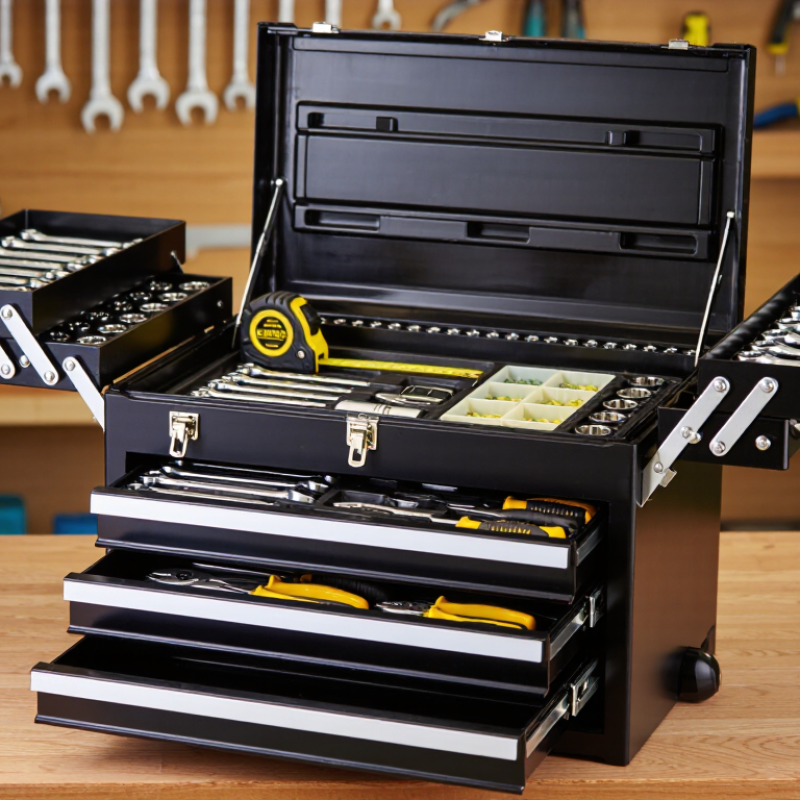
Choosing the best tool box organizer starts with your actual storage habits, not a product label. Count your hand tools, fasteners, measuring devices, and small electrical accessories. Then group them by frequency of use. Daily tools should sit near the lid or front compartment. Rarely used items can occupy deeper spaces. Measure each tool twice. A bulky handle can make a narrow slot useless.
Your workspace also determines the right organizer. A compact bench needs vertical storage and removable trays. A service vehicle needs secure compartments that resist movement during travel. In a garage, open drawers may improve visibility, but they can collect dust. Check the distance between your work surface and storage area. If you must take several steps for one screwdriver, the layout is wasting time.
Think about weight, access, and future changes. Strong dividers should stay in place when the box moves. Transparent sections help identify small screws without opening every compartment. However, too many sections can slow down larger repairs. I once separated every item too carefully and created a frustrating puzzle. A simpler layout worked better. Leave some empty space for new tools. Test the organizer with your real equipment for one week. Notice what remains on the bench. That evidence is more reliable than a tidy display.
Choosing the best tool box organizer starts with comparing how each type stores, protects, and exposes your tools. I have used trays, removable bins, drawer inserts, and wall-mounted panels in different work areas. Each option solves a different storage problem.
Removable trays Removable trays keep frequently used tools together and lift out easily. They work well for repair jobs away from the workbench. However, loose handles can shift during transport.
Drawer inserts Drawer inserts create cleaner layouts, especially for sockets, screwdrivers, and measuring tools. Their marked spaces make missing tools easier to notice. They require accurate drawer measurements, though. A poor fit wastes valuable space.
Small bins Small bins suit nails, fasteners, and irregular parts. Clear sides improve visibility, but overloaded bins become awkward to carry.
Wall-mounted panels Wall-mounted panels offer excellent access and save bench space. They are less suitable for dusty locations or shared areas where tools may disappear.
Rolling cabinet A rolling cabinet provides high capacity through multiple drawers, yet its weight can limit movement. Check drawer load ratings before storing heavy hand tools.
I once chose capacity over access, and the deepest drawer became a cluttered layer of unused equipment. That was a useful mistake.
Look at tool size, work frequency, transport needs, and available space together. Count the tools you actually use, not the tools you hope to buy. Leave room for safe hand clearance. Labels help, but consistent placement matters more. A practical organizer should make the next tool obvious.
Almost effortless.
How to Choose the Best Tool Box Organizer?
Capacity should match the tools you actually carry, not an imagined collection. In my workshop, shallow compartments hold screwdrivers, bits, and measuring tools without hiding them. Deeper sections suit drills, clamps, or protective equipment. Leave room for growth. A box packed tightly becomes slow to use and easy to damage. Measure your largest tool before buying, including its handle and cable.
Layout affects daily efficiency more than many shoppers expect. Removable trays can separate small hardware from heavier tools. Clear lids help identify contents quickly, while adjustable dividers prevent loose movement during transport. I once chose a box with many tiny compartments, but sorting parts became frustrating after every project. Fewer, wider sections would have served me better. Accessibility matters. Test whether the lid stays open and whether every compartment can be reached without removing half the contents.
Materials should fit the working environment. Thick plastic resists moisture and reduces weight, while metal usually offers stronger impact protection. Check hinge quality, latch alignment, handle comfort, and tray support. A strong shell is useless if the latch catches your fingers or the handle flexes under load. For dusty workshops, tight seams help, but they may also make cleaning harder. Reliability comes from balanced construction, not impressive weight alone. Examine the organizer in person when possible, and notice how it feels after several minutes of carrying.
Evaluation by capacity, layout, materials, and ease of access
Scores use a 100-point practical evaluation scale. Modular bin systems provide the strongest capacity and layout flexibility, while drawer organizers offer the fastest access. Foam inserts perform well for tool protection but usually provide less storage capacity.
Choosing a toolbox organizer starts with portability, not appearance. A full organizer should remain balanced when carried with one hand. NIOSH’s Revised Lifting Equation uses a 51-pound load constant under ideal conditions, but reaching and twisting reduce safe capacity. Keep frequently used tools near the handle. Small details matter.
Compatibility prevents wasted space. Measure drawer depth, compartment height, and lid clearance before buying. Check whether dividers can hold both compact drivers and longer pliers. A 2023 workplace injury report from the U.S. Bureau of Labor Statistics recorded about 2.6 million nonfatal injuries and illnesses in private industry. Poor storage can encourage awkward reaching and hurried handling. I still find measurements easy to underestimate.
Durability depends on more than thick plastic. Look for reinforced corners, secure hinges, corrosion-resistant fasteners, and dividers that do not flex under load. Drop and vibration testing based on ASTM D4169 can provide useful evidence, although it does not guarantee field performance. Security also needs practical design. Choose a lid that closes fully, resists accidental opening, and supports a lock or tether when required. OSHA 1910.176 emphasizes securing stored materials against sliding or collapse; the same thinking applies to loose tools during transport. Count tools before leaving a job site. A perfect organizer is unlikely. A visible inventory label, fitted compartments, and a short closing check can prevent expensive surprises.
How to Choose the Best Tool Box Organizer?
Choosing the best tool box organizer starts with your real budget, not a glossy feature list. In my workshop, I compare drawer space, latch strength, and replacement costs before buying. A low-priced organizer can work well for occasional repairs. However, thin plastic may crack when loaded with sockets or dropped on concrete. If you use tools weekly, consider reinforced corners, secure latches, and adjustable compartments. These features reduce wasted time and protect small parts. Do not confuse a higher price with longer service. I once selected a costly case with poor hinges. It looked impressive, but the lid loosened within months. That mistake still influences my buying checklist.
Tips: Measure your tools first. Measure twice. Leave space for future additions. Compare the organizer’s cost with expected years of use, not just the checkout price. Check whether replacement dividers are available. A slightly expensive organizer may become cheaper when it prevents damaged tools and repeated purchases.
Long-term use also depends on daily comfort. Choose handles that feel stable, even when the case is full. Smooth drawers help prevent spilled screws and reduce hand strain. Metal organizers often offer strength, but they may add weight and develop rust in damp spaces. Plastic models resist moisture, yet their hinges deserve careful inspection. Think ahead. Your needs may change after a few projects. I sometimes buy larger storage than necessary, and that can encourage clutter. A better approach is selecting flexible compartments while keeping a clear limit on unused space.
| Organizer Type | Typical Price Range | Typical Capacity | Common Materials | Expected Service Life* | Portability | Best Budget Fit | Long-Term Value |
|---|---|---|---|---|---|---|---|
| Open Plastic Tool Tray | US$10–30 | Small hand-tool collection; approximately 10–20 L | Polypropylene or high-impact plastic | 2–5 years with regular indoor use | Very high; lightweight and easy to carry | Entry-level buyers and occasional repairs | Good when low cost and quick access matter most |
| Compartment Parts Organizer | US$15–45 | 12–30 adjustable compartments; approximately 5–15 L | Clear plastic lid, plastic case, removable dividers | 3–7 years under normal workshop use | High; compact and stackable | Small parts, fasteners, bits, and electrical accessories | Very good if dividers stay secure and the lid seals reliably |
| Modular Stackable Organizer | US$30–90 per unit | Approximately 15–35 L per unit, expandable by stacking | Reinforced plastic, metal latches, molded connectors | 5–10 years with moderate professional use | High; portable as individual modules | Growing tool collections and mixed-size equipment | Excellent because storage can expand without replacing the whole system |
| Metal Drawer Tool Cabinet | US$150–500 | Approximately 200–700 L across multiple drawers | Powder-coated steel, steel drawer slides, rubber-lined drawers | 10–20 years with proper loading and maintenance | Low; generally stationary and heavy | Frequent workshop use and large hand-tool collections | Excellent for long-term storage, organization, and load capacity |
| Rolling Tool Chest | US$250–1,000+ | Approximately 400–1,200 L, depending on size | Powder-coated steel, heavy-duty casters, steel handles | 10–20 years with controlled indoor use | Moderate; movable on casters but difficult to transport | Professional workshops and extensive tool inventories | Best for maximum capacity, drawer access, and future expansion |
| Foam Drawer Insert System | US$25–120 per set | Usually 20–60 tools per drawer set | Closed-cell foam, laminated foam, protective surface layers | 3–8 years, depending on chemical and heat exposure | Low; designed for use inside a drawer or case | Existing cabinets requiring precise tool placement | High for tool visibility, damage prevention, and inventory control |