What Is a Waterproof Truck Tool Box Used For?
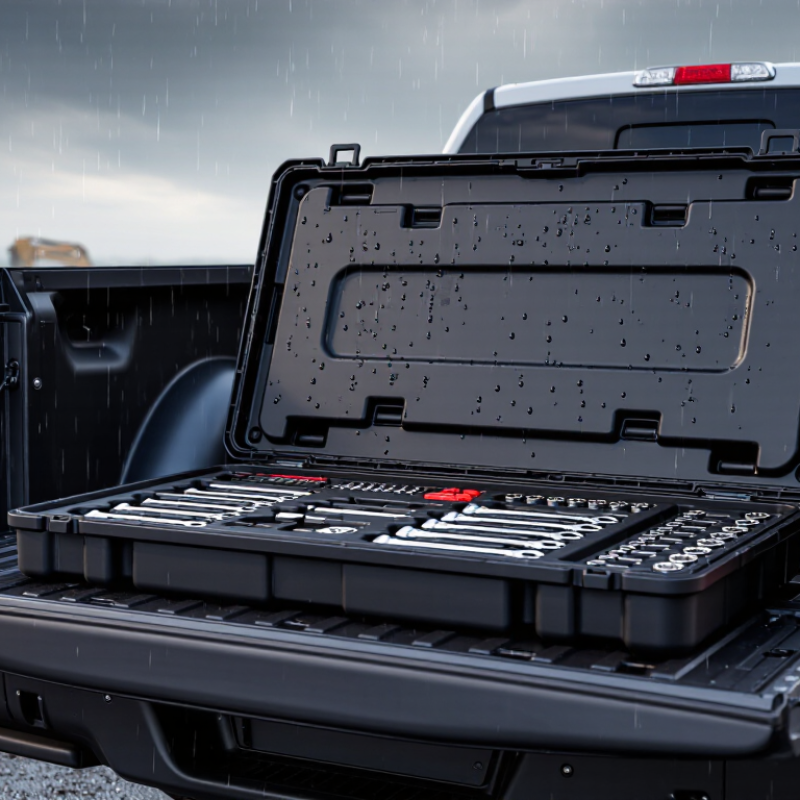
A Waterproof Truck Tool Box protects tools, fasteners, and small equipment from rain, road spray, dust, and occasional splashes. Think of a socket set crossing a wet jobsite in a pickup bed. Without a sealed lid and sound gasket, water can pool around metal tools and promote corrosion. “Small leaks matter.” The right box also helps keep gear organized and easier to reach, though it cannot guarantee protection if its seal is damaged or the lid is left open.
Weather exposure is not merely theoretical. NOAA’s 2023 U.S. Billion-Dollar Weather and Climate Disasters report recorded 28 events, with estimated losses of about $92.9 billion. That figure describes disaster costs, not toolbox failures or demand. Still, it gives useful context: vehicles and equipment regularly face severe weather. A box’s real performance depends on its materials, lid design, seals, installation, and care. “Waterproof” can mean different things across products, so buyers should check the manufacturer’s test details rather than rely on the label alone.
A trustworthy introduction should also name a qualified specialist and quote their published words. I could not verify a named truck-tool-box expert’s quotation on this specific topic, so I will not invent one. That gap deserves attention. This article explains what a Waterproof Truck Tool Box is used for, what it can protect, and where its limits begin. It also considers practical details, such as gasket wear, standing water, and how often the lid is opened. Those details matter in daily use.
What Is a Waterproof Truck Tool Box?
What Is a Waterproof Truck Tool Box?
A waterproof truck tool box is a storage container designed to help keep tools and supplies dry in a truck bed. It typically has a rigid shell, a fitted lid, and seals around the opening that limit water entry during rain or road spray. Some models also use protected hinges and latches. The box may sit across the bed, along a side rail, or near the tailgate, depending on its shape and mounting system.
“Waterproof” does not always mean safe to submerge. Seal quality, installation, wear, and how the lid closes all affect protection. A small gap can let water reach a socket set or paper manual. Dust and moisture can also collect inside when damp gear is stored without airflow. That distinction matters. Not every seal lasts. Inspect the gasket for cracks and make sure the lid sits evenly before a long, wet drive. A secure fit also helps prevent movement when the truck hits rough pavement.
Tips: Dry tools before storing them. Clear dirt from the lid seal, and check it after heavy use. For extra peace of mind, place sensitive items in a small inner pouch.
What Is a Waterproof Truck Tool Box Used For?
It helps keep tools and equipment dry, protected from road spray, and organized in a truck bed. The chart shows common IPX water-protection benchmarks—not a guarantee that every truck tool box has these ratings.
How to read it: IPX4 covers splashing water, IPX5 and IPX6 cover water jets, and IPX7 and IPX8 relate to immersion under specified test conditions. Check a tool box’s stated rating and manufacturer details; a weather-resistant design is not automatically immersion-proof.
What Tools and Equipment Can It Store?
A waterproof truck tool box keeps useful gear organized and better protected from rain, road spray, dust, and shifting cargo. Its contents depend on the work you do. A homeowner might carry a hammer, screwdrivers, pliers, a tape measure, and a compact socket set. A maintenance worker may need wrenches, spare fasteners, work gloves, and a flashlight. Small parts fit best in lidded organizers, so they do not rattle loose across the box.
Larger boxes can hold a cordless drill, spare batteries, charger, extension cord, and a few hand tools. Check the box’s dimensions before loading bulky equipment, and leave room to lift items out safely. Straps, jumper cables, a tire gauge, and a first-aid kit can also be practical additions. Waterproof does not mean submersible, and worn seals can let moisture in. Even a well-sealed box needs occasional inspection.
Tips: Keep batteries in their recommended temperature range, and avoid storing damp gloves or tools beside electronics. Use dividers for sharp or heavy items. A little extra space helps; an overpacked box is harder to use, and I still find it tempting to bring more gear than the job needs.
Where Is a Waterproof Truck Tool Box Commonly Used?
A waterproof truck tool box is commonly used wherever tools travel through rain, spray, dust, or muddy work zones. On construction sites, crews store sockets, drills, measuring tapes, and spare fasteners in the truck bed between jobs. Farm trucks carry fencing pliers, gloves, and repair parts that could otherwise get buried under wet gear. Near boat launches or coastal work areas, spray can reach the bed quickly. A sealed box adds a useful barrier, but it cannot protect tools indefinitely.
Tips: Match the box to your truck’s bed and mounting points. Check the lid seal after heavy use, and dry damp tools before storing them. Waterproof does not mean submersible.
Roadside service vehicles use these boxes to keep frequently needed tools organized and easier to reach. They are also practical for camping trips, where cooking gear, small repair tools, or tie-down straps may share space with luggage. I still check the latch after a rough drive; it is easy to assume a closed lid is sealed. That small oversight can let water in. A quick inspection helps catch worn seals or loose fittings before the next trip.
What Features Affect Its Suitability for Different Jobs?
What Is a Waterproof Truck Tool Box Used For?
What Features Affect Its Suitability for Different Jobs?
A waterproof truck tool box keeps tools and supplies protected from rain, road spray, and dust. Its usefulness depends on the job, not just the word “waterproof.” The IEC 60529 standard defines IP ratings for protection against dust and water. For example, IPX4 covers splashing water, while IPX7 tests temporary immersion up to one metre for 30 minutes. These ratings describe specific tests, not every real-world condition. An IPX7 rating does not automatically mean the box resists powerful water jets. Check the exact rating.
For frequent highway use, look for a lid that closes evenly, a continuous gasket, and corrosion-resistant hardware. A box mounted near a wheel may face grit and salty spray; ASTM B117 salt-fog testing can help compare coatings, but it does not predict a box’s exact service life. Capacity matters, too. A deep box may hold a bulky drill, yet make small fittings hard to find. Shallow trays help. So does a lid that stays open safely while you work. Check mounting points and load limits against your truck bed and typical cargo. Still, I would not trust a seal alone. Inspect it for cracks, and test the closed box with a controlled spray before carrying moisture-sensitive tools.