Leave Your Message

Why Choose a Metal Tool Box for Your Business?

For many businesses, tool storage is not a minor purchasing detail. It affects workflow, equipment life, and daily safety. A Metal Tool Box offers a practical balance of strength, organization, and transportability. In workshops, service vans, and maintenance rooms, steel walls can resist dents from routine handling. A firm latch and reinforced corners also help protect tools during movement. The benefit becomes visible when a technician finds a wrench quickly, rather than searching through a crowded drawer. Small gains matter.

From hands-on workshop experience, the best box is not always the largest or heaviest model. Buyers should compare load capacity, drawer movement, handle comfort, corrosion protection, and available workspace. A powder-coated finish may suit dry interiors, while damp locations require closer attention to material and coating quality. Professional suppliers should provide clear dimensions, load guidance, and maintenance instructions. These details support informed decisions and demonstrate product accountability. A reliable box should open smoothly, remain stable, and close securely after repeated use. Test it before committing.

Still, metal storage has trade-offs. It can add weight, create noise, and cost more than basic plastic alternatives. Poorly planned storage may even slow a busy team. That is worth admitting. A careful evaluation should consider the tools, travel distance, working environment, and replacement budget. When matched to those conditions, a Metal Tool Box can support orderly work and longer equipment service. This article examines why businesses choose metal storage, while recognizing that no single design fits every operation. Good purchasing depends on daily performance, not impressive specifications alone.
Why Choose a Metal Tool Box for Your Business?

What Is a Metal Tool Box and How Does It Work?

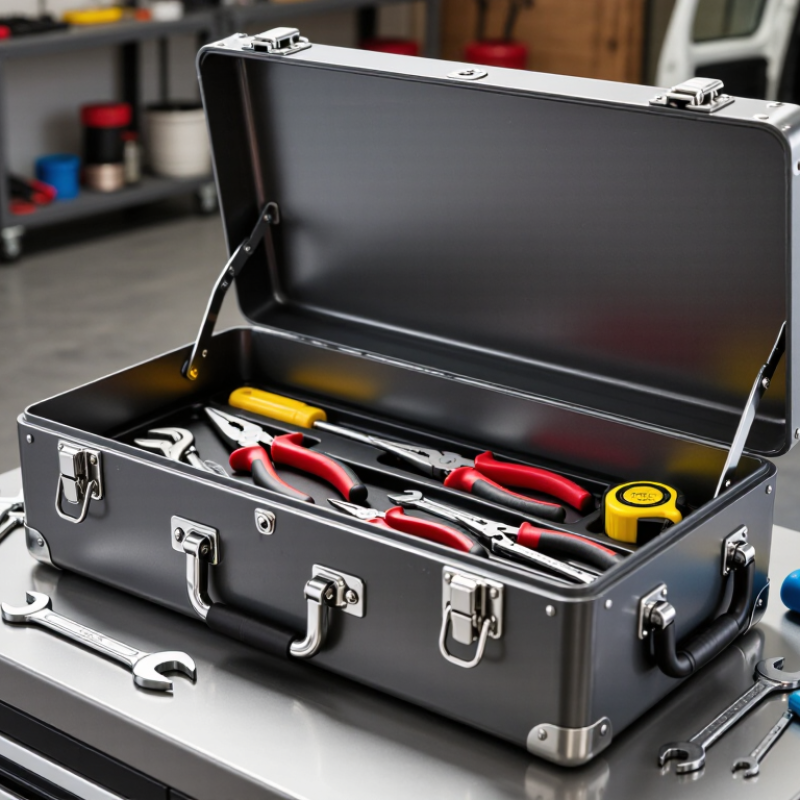
A metal tool box is a storage case made from steel or aluminum. It holds hand tools, fasteners, measuring equipment, and small maintenance parts. Steel offers strong impact resistance, while aluminum keeps the case lighter. In a working shop, the box often sits under a bench or travels inside a service vehicle.

Its operation is simple but carefully engineered. Hinges connect the lid to the body. Latches keep the lid closed during movement. Drawers or removable trays separate heavy tools from delicate items. Some models use drawer slides that support repeated opening without binding. A fitted handle spreads the load across the user’s hand, although an overloaded box can still strain the wrist.

Protection depends on more than metal thickness. A tight lid reduces dust entry, while a durable coating helps resist scratches and surface corrosion. However, ordinary metal boxes are not automatically waterproof.

Moisture can collect inside after temperature changes, especially when wet tools are stored without drying. This is an easy detail to overlook. Inspecting hinges, latches, and drawer alignment helps prevent failures before tools spill onto the floor. A useful box should match the tool weight, work environment, and carrying habits of the business. There is no perfect design. A very strong box may become inconveniently heavy.
Which Materials and Designs Make Metal Tool Boxes Durable?

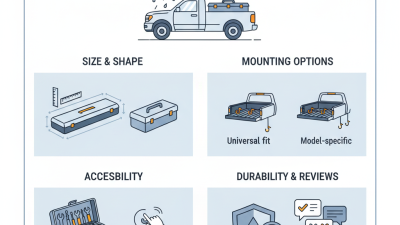
A durable metal tool box begins with the right material. Powder-coated steel resists scratches, moisture, and daily workshop abuse. Aluminum offers lower weight and dependable corrosion resistance for mobile technicians. Stainless steel performs well in damp environments, though its higher cost may not suit every business. Material thickness matters too. Thin panels bend around overloaded drawers. Reinforced corners help the box survive drops from a truck bed.

Design also determines long-term performance. Full-extension drawer slides allow workers to reach tools without awkward lifting. Ball-bearing slides usually handle repeated opening better than basic rollers. A recessed handle reduces snagging in crowded storage areas. Tight-fitting lids and weather-resistant seals help protect sockets from dust and rain. Internal dividers prevent tools from striking each other during transport. That small detail saves time.

A practical inspection should include the hinges, latch, welds, and drawer alignment. These points often reveal poor construction first. I have seen sturdy boxes fail because one weak latch was used every day. No design is perfect. Heavy steel can become difficult to move, while lightweight aluminum may dent under concentrated impact. The best choice depends on tool weight, working conditions, and transport frequency. A removable tray can improve access, but it may reduce usable space below. Good durability is not only about thick metal. It is about balanced materials, sensible engineering, and maintenance that workers can realistically perform.

Why Choose a Metal Tool Box?

Material strength and structural design both influence a tool box’s resistance to dents, loads, corrosion, and repeated use.

Carbon Steel

Offers high stiffness and impact resistance. A protective coating is recommended to reduce corrosion.

Stainless Steel

Provides strong corrosion resistance, making it suitable for damp, outdoor, or chemically exposed work areas.

Aluminum

Delivers a lower-weight solution with good corrosion resistance, although it is generally less stiff than steel.

Durable Design Features

Reinforced corners, formed ribs, rolled edges, continuous hinges, and powder-coated surfaces improve service life.

Reference basis: representative minimum yield-strength values for commonly used engineering grades, including mild carbon steel, 304 stainless steel, and 6061-T6 aluminum. Actual values vary by grade, thickness, temper, and manufacturing process.

How Can a Metal Tool Box Improve Workplace Organization?

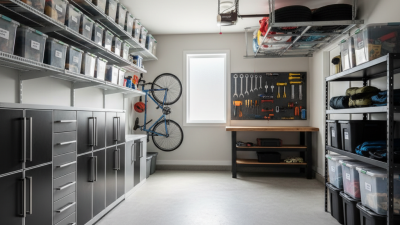
A metal tool box can turn a crowded workstation into a controlled working area. Its rigid drawers protect torque wrenches, meters, and small fasteners from impact. In field maintenance, I have found that fixed compartments reduce searching and accidental tool damage. The improvement is practical, not dramatic.

The 2023 U.S. Bureau of Labor Statistics recorded about 2.6 million nonfatal workplace injuries in private industry. Better organization cannot prevent every incident, but it can remove avoidable clutter around active work zones. A labeled metal box keeps sharp tools covered and heavy items stored below lighter equipment. OSHA housekeeping guidance also stresses clear aisles, stable storage, and prompt removal of hazards. That advice fits daily tool control.

Use shadow labels or foam outlines for frequently used equipment. A missing tool becomes visible before the next task begins. Lockable drawers can also protect calibrated instruments and reduce unauthorized handling. The 2024 Workplace Safety Index estimated that serious nonfatal workplace injuries cost employers tens of billions of dollars, making small control improvements worth examining. Yet a metal box is not a solution by itself. Overfilled drawers create new risks, and poor labeling quickly becomes useless. Review the layout weekly. Some tools may belong elsewhere.

Why Choose a Metal Tool Box for Your Business? — How Can a Metal Tool Box Improve Workplace Organization?
Organization Dimension Typical Metal Tool Box Feature Relevant Practical Data Workplace Organization Benefit Useful Indicator
Tool visibility Removable trays, drawers, dividers, and compartmented interiors Storage layouts can separate hand tools, fasteners, measuring devices, and small parts. Employees can identify missing or misplaced items before leaving the work area. Items grouped by task or tool type
Impact protection Rigid steel or aluminum panels with reinforced corners Metal has greater rigidity and puncture resistance than common thin-wall plastic storage materials. Fewer damaged containers and less disorder caused by cracked or collapsed storage boxes. Container damage checks per month
Load handling Rigid body, reinforced base, handles, and heavy-duty hinges A metal box is suitable for dense hand tools, sockets, drill accessories, and other compact loads; the permitted load depends on the model. Tools remain consolidated instead of being distributed across several weak containers. Tools stored per box
Security and accountability Lockable latch, hasp, or integrated locking point A closed box can restrict casual access and support controlled tool issue and return. Reduces uncontrolled tool movement between workstations and supports responsibility tracking. Issue-and-return records completed
Space utilization Rectangular footprint, stackable lid design, and modular dimensions Uniform rectangular containers use shelves, cabinets, and vehicle compartments more efficiently than irregular storage. Creates consistent storage zones and reduces unused gaps on shelves and benches. Occupied shelf area per tool group
Workstation mobility Integrated handle, side handles, or compatible wheeled base Portable models allow one organized tool set to move between maintenance areas. Limits repeated trips to a central cabinet and keeps the active work area supplied. Trips to retrieve tools per task
Environmental resistance Painted, powder-coated, or corrosion-resistant metal surfaces Surface protection helps resist routine abrasion and moisture; unprotected steel can corrode when exposed to water or chemicals. Maintains a usable storage structure in workshops when cleaning and maintenance controls are followed. Surface condition inspections
Standardized storage Consistent box sizes, labels, drawer numbers, and color coding A fixed location and labeling system makes storage rules visible and repeatable. Improves 5S-style workplace practices: sort, set in order, shine, standardize, and sustain. Tools returned to assigned locations
Heat and fire considerations Non-combustible metal enclosure Steel and aluminum do not burn like many polymer storage materials, although contents and coatings may still be affected by heat. Provides a more suitable enclosure for ordinary metal tools in areas where heat exposure is a consideration. Storage location risk assessment
Maintenance and service life Repairable hinges, replaceable latches, and cleanable surfaces Hardware can often be serviced or replaced rather than discarding the entire container. Helps preserve a consistent storage system and reduces disruption from container failure. Repairs versus full replacements
Note: Features and performance vary by construction, material thickness, coating, hardware, and manufacturer specifications. Always verify the rated load, dimensions, corrosion resistance, and locking design for the intended workplace.

What Security and Protection Features Should Businesses Consider?

A metal tool box should protect more than tools. It should control access, resist impact, and reduce workplace disorder. The 2024 Verizon Data Breach Investigations Report found that the human element appeared in 68% of breaches. Although this statistic concerns digital security, it highlights a similar physical weakness: uncontrolled access. Choose a box with a hardened lock, concealed hinges, and a latch that cannot open under vibration. A lock is not magic. It needs disciplined key control.

Protection from the environment also matters. The National Institute of Standards and Technology recommends identifying equipment risks through structured asset management and regular inspections. For a tool box, that means checking steel thickness, reinforced corners, and internal dividers before purchase. Powder-coated metal can resist scratches and moisture, but it is not automatically corrosion-proof. In coastal or damp workplaces, inspect seams and drainage points often. Small rust spots become larger failures.

The U.S. Bureau of Labor Statistics continues to report thousands of nonfatal workplace injuries involving contact with objects and equipment each year. A stable, well-organized box can limit sharp edges, falling tools, and clutter around work areas. Select models with secure drawers, non-slip liners, and handles rated for the loaded weight. Many buyers overlook weight itself. An overloaded box may protect tools while creating a lifting hazard, so capacity should be judged by real daily use, not the largest advertised number.

How Do You Choose the Right Metal Tool Box for Your Business?

Why Choose a Metal Tool Box for Your Business?

Choosing the right metal tool box starts with your daily work, not its appearance. Measure the largest tools, then leave extra space for future equipment. A crowded box wastes time. It also damages handles and drawer runners.

Consider steel thickness, drawer capacity, locking quality, and corrosion resistance. Thicker metal usually improves durability, but it can increase weight and cost. Check the loaded weight before choosing casters or a fixed position. In a workshop, smooth drawers and strong handles matter every hour. In field service, compact dimensions and secure closures may matter more. I once focused too much on storage volume. The box became difficult to move, so that decision was not perfect.

Tips: Make a simple inventory before shopping. Group tools by task, such as electrical repair or maintenance. Choose drawers that fit those groups without forcing them together. Test the drawer movement if possible. Look for stable wheels, reinforced corners, and a finish suited to moisture or dust. Ask about load ratings and replacement parts. A low price can hide weak slides or poor alignment. It is worth checking the warranty terms carefully. Reliability depends on small details.