Leave Your Message

China Top Waterproof Truck Tool Box Suppliers?

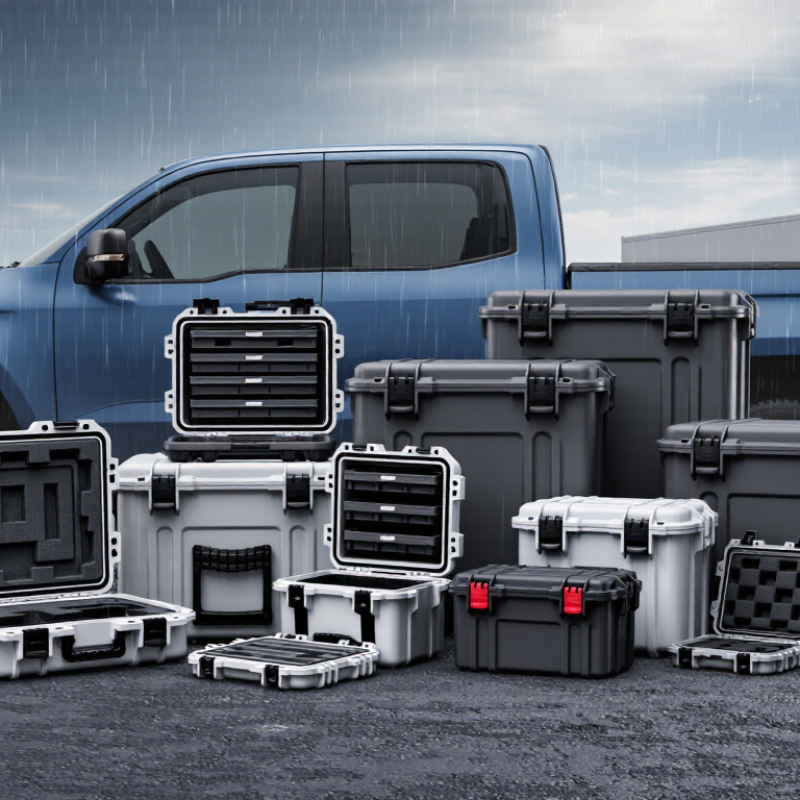
Choosing a reliable China supplier for a Waterproof Truck Tool Box takes more than comparing catalog prices. Truck owners and fleet buyers need storage that can handle rain, road spray, dust, vibration, and repeated opening. Small details matter. A lid that sits unevenly or a seal that hardens in cold weather can let moisture reach tools. Suppliers may offer aluminum, steel, or molded designs, but material names alone do not prove durability. Ask how the box is fabricated, which gasket is used, and how hinges and locks are checked. Also confirm mounting dimensions and finish options. A sample can reveal things a product photo cannot.

This guide examines supplier selection through practical checks: product range, customization, manufacturing consistency, quality records, and communication before shipment. Request clear dimensions, load guidance, finish details, and evidence for water-resistance claims. “Waterproof” can describe different levels of protection, so confirm the intended use and test method instead of relying on the label. Where possible, inspect a sample after simulated rain. Check the lid corners, mounting points, and any drainage features. No single factory suits every truck or budget. Even a polished brochure may leave important questions unanswered. Comparing specifications and samples takes time, but it can help buyers distinguish suitable manufacturers from suppliers whose claims need further verification. The right choice depends on the vehicle, tools, operating conditions, and expected service life.
China Top Waterproof Truck Tool Box Suppliers?

What Defines a Waterproof Truck Tool Box?

A waterproof truck tool box is not defined by a rubber strip alone. It is an enclosure designed to limit water entry at the lid, corners, hinges, and fastener points. On a work truck, rain can run across the lid, while road spray strikes the lower edges. A well-made box uses a continuous gasket, a lid that compresses it evenly, and latches that keep pressure consistent. Small gaps matter. Even a neat-looking seam may leak after repeated opening or vibration.

Materials and construction matter too. Welded aluminum or coated steel can resist weather, but corrosion protection and joint quality still need inspection. Look for a sloped lid, protected hinge areas, and drainage that does not direct water inside. “Waterproof” can mean different things in supplier descriptions. Ask what test was performed, how long the box was exposed, and whether the test covered spray or temporary immersion. Requesting a test report is sensible. So is checking a sample after opening and closing it several times. No seal stays perfect forever; dust, grit, and a slightly bent lid can weaken it. That detail is easy to miss. A box should suit the actual truck use, not just a product photo.
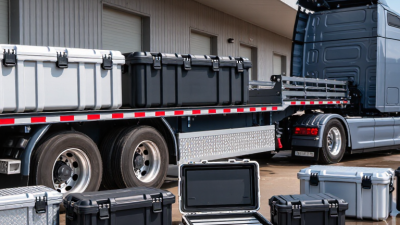
Materials, Designs, and Waterproofing Features

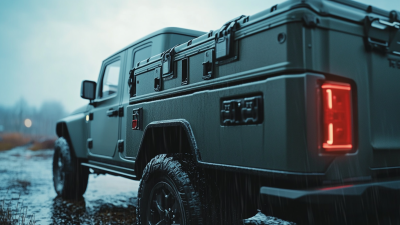
Choosing a waterproof truck tool box starts with its material. Road spray, grit, and vibration test every panel. Aluminum keeps weight manageable and resists corrosion. Coated steel offers stiffness, but scratches can expose it to rust. Stainless steel handles wet conditions well, though its added weight may affect mounting and payload. Material labels alone reveal little. Ask suppliers about sheet thickness, coatings, weld quality, and load limits.

Design details often decide whether water stays out. A lid that overlaps the body helps direct rain away from the opening. Continuous welds reduce leak paths, while a replaceable gasket can maintain a close seal over time. Check how hinges and locks meet the lid; these small gaps are easy to overlook. Small details matter. A drain hole may help clear condensation, but it can also admit water if poorly positioned.

Waterproof claims need evidence. Ask suppliers which test method they use and whether the box was checked after vibration or repeated opening. An IP rating can help compare products, but it does not describe every truck-bed condition. Inspect corners, fasteners, and gasket joints in person when possible. Even a well-made box can leak if it is mounted unevenly. I would not rely on a brochure alone.

China’s Truck Tool Box Supplier Landscape

China’s Truck Tool Box Supplier Landscape

China’s truck tool box suppliers range from metal fabricators serving regional fleets to export-focused manufacturers with dedicated inspection teams. The wider commercial vehicle market supports this ecosystem. The China Association of Automobile Manufacturers reported 4.031 million commercial vehicles sold in 2023, up 22.1% year over year. That figure signals demand, but it does not measure tool box production or supplier quality directly.

For buyers, the useful distinctions are material, sealing design, and process control. Aluminum boxes reduce load weight; steel models can better tolerate repeated impacts, though coatings matter. Ask suppliers for wall-thickness records, hinge-cycle tests, and water-ingress test conditions. A gasket compressed unevenly around a lid can admit spray near the corners. Small details count.

“Waterproof” is not a complete specification. Request an ingress-protection rating and the test report behind it, then confirm the rating applies to the assembled box. Factory audits can check welding consistency, drainage paths, and batch traceability. This picture is useful, but incomplete: a polished sample may not represent every production run. I would compare several units from one batch, not just one showroom model.

How to Assess Supplier Quality and Reliability

When assessing a waterproof truck tool box supplier, look beyond product photos and broad claims. Ask for test records showing how the box was checked for water entry, corrosion, and repeated opening. A gasket can look thick but still leak at a poorly joined corner. Request close-up photos of seams, hinges, and locking points.

Inspect a production sample if possible. Open and close the lid, check whether the seal sits evenly, and look for sharp edges or uneven welds. Small details matter. Ask how the supplier checks material thickness and tests finished units. A test report is useful, but confirm that it applies to the same model and design you plan to order. Ask what happens when a batch fails inspection. The answer can reveal more than a polished brochure.

Reliability also depends on communication and consistency. Request a written specification, production timeline, and inspection checklist before placing an order. Compare these details with the delivered sample, not just the quotation. One call is not enough. Keep records of agreed changes, especially for dimensions, drainage, and mounting hardware. No supplier is flawless, and a missed detail can happen; what matters is whether the issue is documented and handled clearly.

China Top Waterproof Truck Tool Box Suppliers? - How to Assess Supplier Quality and Reliability

Use this evidence-based scorecard to compare suppliers. It is an assessment framework, not a ranking of named companies. Confirm that each test report applies to the quoted product, materials, and production site.

Assessment dimension What to verify Useful evidence or test Suggested evaluation benchmark Weight
Water and dust protection Whether the complete assembled box—including lid, gasket, corners, and locks—meets the protection level required for the intended use. A test report identifying the tested model and method. IEC 60529 defines IP enclosure ratings; IPX7 includes temporary immersion testing under specified conditions, while IP6X denotes dust-tight protection. Require the IP rating stated in the purchase specification and confirm the report covers the quoted configuration. Do not treat “waterproof” marketing language as test evidence. 25%
Materials and corrosion resistance Base material, thickness, coating or anodizing details, fastener material, and suitability for the operating environment. Material declarations, drawings, coating specifications, sample inspection, and—if required—a salt-spray test report using a stated method such as ISO 9227. Check that material and finish match the approved sample and technical specification. Agree on any corrosion-test duration and acceptance criteria in writing. 15%
Construction and workmanship Seam quality, lid alignment, gasket continuity, hinge operation, lock engagement, sharp edges, and consistency between units. Approved drawings and sample; documented inspection checklist; dimensional and functional checks on production units. Require agreed tolerances and acceptance criteria for critical dimensions and functions before production. Record defects and corrective actions. 15%
Load and durability Rated payload, mounting method, hinge and latch durability, and performance under the expected vehicle vibration and handling conditions. Design load rating, mounting instructions, test procedure and results, plus verification using the intended installation arrangement. Compare the documented rating with the buyer’s required load and use case. Do not infer a load rating from appearance or material thickness alone. 10%
Quality management Whether quality controls cover incoming materials, in-process checks, final inspection, traceability, and corrective action. Current quality-system certificate, where applicable, with scope and issuing body verified; sample inspection records and a documented nonconformity process. Verify certificate validity and scope independently. A certificate supports assessment but does not by itself prove that a particular toolbox meets requirements. 10%
Production capacity and delivery Available production capacity, material sourcing, confirmed lead time, order-planning process, and ability to notify buyers of delays. Production schedule, capacity statement, order milestones, and recent on-time delivery records for comparable products. Compare the supplier’s written lead time and delivery commitments with the purchase plan. Treat capacity figures as claims unless supported by records or an audit. 10%
Customization and engineering support Ability to confirm dimensions, mounting points, material options, gasket design, and packaging requirements before production. Dimensioned drawings, revision control, sample approval records, and written confirmation of design changes. Approve a production drawing and pre-production sample; ensure all revisions and agreed deviations are recorded. 5%
Packaging and export readiness Protection against scratches, impact, moisture exposure, and handling damage; carton markings and shipping documentation. Packaging specification, sample-packed shipment review, packing list, and applicable export documents for the destination. Confirm packaging and shipping responsibilities in the order. Check destination-specific import and documentation requirements. 5%
Communication and after-sales support Response clarity, named contact, handling of defects, spare-part availability, and warranty terms. Written warranty and claims process, response commitments, spare-part list, and records of resolved issues where available. Agree on warranty coverage, claim evidence, response process, and remedies before placing an order. 5%
Total weighting 100%
Scoring method: Rate each dimension from 0 to 5 (0 = no evidence; 1 = very weak; 2 = below requirements; 3 = meets requirements; 4 = strong evidence; 5 = independently verified and consistently demonstrated). Weighted score = sum of (dimension score ÷ 5 × dimension weight). Set pass/fail requirements for critical items—especially water protection, material specification, and fit—before comparing overall scores.

Sourcing and Verifying Waterproof Truck Tool Boxes from China

Sourcing a waterproof truck tool box from China starts with a clear specification, not a supplier’s catalog photo. List the box dimensions, mounting points, usable load, material thickness, and expected exposure to rain, road spray, and dust. Ask each supplier for a dimensioned drawing and written details about the lid seal, hinges, and latches. Small details matter. A gasket that looks substantial in a photograph may compress unevenly around the corners.

Request a production sample before approving a large order. Check whether the lid closes without force, the seal sits evenly, and water enters during a test suited to your actual use. Do not treat “waterproof” as a test result; ask for the method, conditions, and recorded findings. For example, a controlled spray test can reveal leaks around hinges and lock openings. Not always. A single sample also cannot prove every unit will match, so review the supplier’s inspection records and consider an independent pre-shipment check.

Verify the factory’s production capabilities through a live video walkthrough or an onsite audit where practical. Compare the sample with the final drawing, including welds, coating coverage, and latch alignment. Confirm packaging, spare-part availability, lead time, payment milestones, and responsibility for defects in writing. I would still allow room for an awkward surprise: even a careful supplier can miss a small change between sample and production. A documented approval process makes that risk easier to catch before shipment.

Understanding Water-Protection Test Levels for Truck Tool Boxes

The chart summarizes the water-ingress tests represented by IPX1–IPX9 under IEC 60529. These codes are ordinal categories, not a linear measurement of waterproofness. Ask suppliers for test reports covering the complete assembled box, including its lid, seals, and locks.

Note: IPX ratings describe specified test conditions; they do not guarantee protection against every real-world exposure. For IPX8, immersion conditions are agreed between the manufacturer and user.