Leave Your Message

What Is the Best Drawer Toolbox in 2026?

Choosing the best Drawer Toolbox in 2026 is less about chasing the biggest capacity number and more about matching storage to the work. A mechanic may need deep drawers for sockets and wrenches. A home user may value a compact footprint, smooth slides, and a top that stays clear. Small details matter: Can a drawer open fully beside a parked vehicle? Does the lock feel secure? Are load ratings easy to find?

Industry data offers useful context, but it cannot pick a box for every buyer. Grand View Research’s Tool Storage Products Market Report examines the category across products and applications, reflecting how varied storage needs can be. The U.S. Bureau of Labor Statistics reported 2.6 million nonfatal workplace injuries and illnesses in private industry for 2023. That figure does not prove a toolbox prevents injuries. It does reinforce why clear access, stable placement, and organized tools deserve consideration in a work area. Safety is practical.

This guide compares drawer capacity, construction, mobility, security, and value, while separating published specifications from features that need hands-on checking. A thick steel shell sounds reassuring. Yet drawer slides and wheel locks can decide how the box performs day to day. There is no universal winner, and product specifications do not tell the whole story. The best choice depends on what you store, where you work, and what compromises you can accept. One caveat: a bargain can look less appealing after a drawer sticks.
What Is the Best Drawer Toolbox in 2026?

How Drawer Toolboxes Are Designed and Used

What Is the Best Drawer Toolbox in 2026?
How Drawer Toolboxes Are Designed and Used

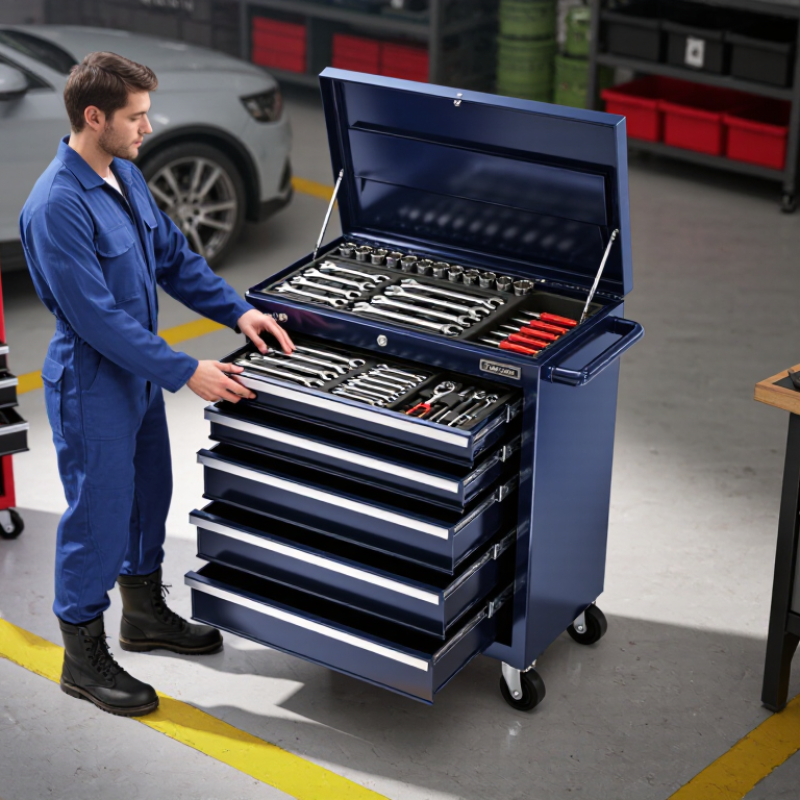
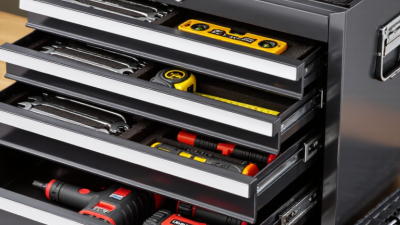
A useful drawer toolbox is designed around access, stability, and the tools it must hold. Smooth, full-extension slides let users reach sockets at the back without lifting out a tray. Check the stated load capacity for each drawer, not just the cabinet’s total capacity. A shallow top drawer suits bits and measuring tools; deeper drawers fit drills and larger hand tools. Small dividers help, but loose pieces can still migrate during transport.

In daily use, heavier tools usually belong in lower drawers to reduce the chance of tipping. Close each drawer fully before moving the cabinet, and use its lock when tools need to stay put. A level floor matters. Even a well-built cabinet can feel awkward if one caster catches on a crack or threshold. Avoid forcing an overloaded drawer; resistance may signal uneven loading, debris, or slide wear.

For a 2026 purchase, measure the space and the tools first. Compare drawer depth, opening width, caster quality, and the cabinet’s overall footprint. If possible, test a drawer with weight inside; an empty drawer can feel smoother than a loaded one. Finish and thick metal panels may suggest durability, but they do not tell the whole story. I would still check the slide rating and warranty details, because judging a toolbox by appearance alone is an easy mistake.
What Is the Best Drawer Toolbox in 2026?

Drawer slide capacity is one practical factor to compare when choosing a toolbox for heavy tools.

These are representative published load-rating examples for common industrial ball-bearing drawer slides, stated per pair. Actual capacity varies by slide model, mounting, extension, and installation; check the toolbox specifications before loading drawers.

Main Types of Drawer Toolboxes Available in 2026

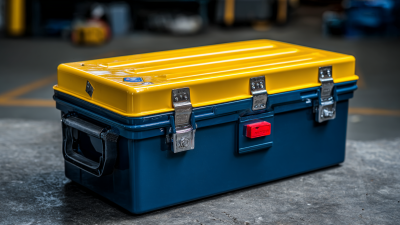
Drawer toolboxes in 2026 come in several practical forms, each suited to a different workspace. Portable units are compact and easy to carry between rooms or job sites. Their shallow drawers keep screws, bits, and small hand tools visible. Check the handle and latch before buying; a loaded box can feel heavier than it looks.

Rolling drawer cabinets suit garages and workshops where tools stay nearby. Casters make them easier to move, while deeper drawers hold larger tools. A locking mechanism can prevent drawers from sliding open during movement. Measure the cabinet and its route into the workspace, including doorways and tight corners. It is an easy detail to overlook.

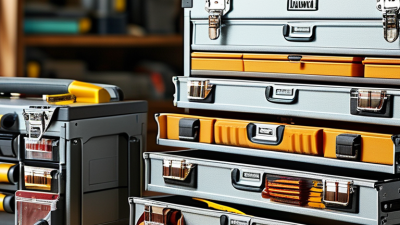
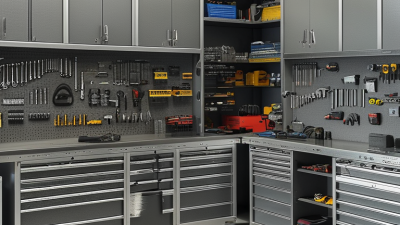
Bench-top toolboxes save floor space and keep frequently used tools within reach. They work well on sturdy benches, but can crowd the surface. Modular drawer systems offer another option: separate units can be stacked or arranged as storage needs change. Some setups feel less stable when overloaded, so check weight limits and secure the pieces as directed. Steel drawers resist dents, while lighter materials are easier to relocate. There is no universal best type; the right choice depends on tool size, available space, and how often the box moves.

Key Features That Define a High-Quality Drawer Toolbox

What Is the Best Drawer Toolbox in 2026?
Key Features That Define a High-Quality Drawer Toolbox

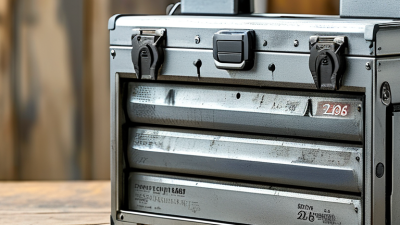
A high-quality drawer toolbox should make tools easy to find and safe to handle. Start with the shell. Look for rigid steel construction, smooth full-extension slides, and clear drawer load ratings. A drawer that opens fully lets you see small sockets at the back instead of fishing for them. That matters daily. A reliable lock and stable casters also help protect tools and prevent unwanted movement.

BLS’s 2023 Survey of Occupational Injuries and Illnesses recorded 2.6 million nonfatal cases in private industry. Its rate was 2.4 cases per 100 full-time workers. These figures do not prove that better tool storage prevents injuries. Still, they support choosing storage that keeps equipment orderly and reachable, rather than piled on a bench.

For practical use, match drawer depth to the tools you own. Shallow compartments suit bits and wrenches; deeper drawers fit drills and larger gear. Check the unit’s total capacity, wheel brakes, and anti-tip design before loading it. No drawer should sag. I still find that internal dividers are easy to overlook; without them, tools slide around when the box moves. A good toolbox is not just heavy steel. It is a well-balanced, well-organized workspace that stays usable after a busy week.

What Is the Best Drawer Toolbox in 2026? - Key Features That Define a High-Quality Drawer Toolbox

Evaluation dimension What to look for in a high-quality toolbox Why it matters How to check
Drawer slide design Full-extension, ball-bearing slides with a clearly stated load rating for each drawer. Full extension makes tools at the back easier to reach; stated ratings help match drawers to their intended loads. Read the per-drawer rating and test the drawer for smooth travel, excessive play, or binding.
Frame and panels Rigid steel construction, reinforced corners, and panels that do not noticeably flex under normal use. A stiff cabinet helps keep drawers aligned and supports repeated opening, closing, and movement. Check for published material details, reinforced joints, and visible distortion when the cabinet is loaded.
Drawer layout A mix of shallow drawers for small tools and deeper drawers for bulkier equipment, with usable interior dimensions listed. A well-matched layout reduces wasted space and makes frequently used tools easier to organize. Compare interior drawer width, depth, and height with the tools you plan to store.
Locking system A central lock or another clearly described system that secures all drawers, with a positive latch to limit accidental opening. Secured drawers help protect contents and reduce the chance of drawers sliding open during movement. Lock and unlock the cabinet, then confirm each drawer stays shut when the toolbox is moved gently.
Casters and mobility Casters with published load information, secure mounting plates, and brakes on at least two wheels for a mobile cabinet. Appropriate casters support the loaded cabinet; brakes help keep it stationary during use. Check whether ratings are given per caster or for a set, and confirm the brake is easy to engage.
Finish and corrosion protection An even, durable coating with covered edges and no obvious bare-metal patches, chips, or rough seams. A sound finish helps protect the steel from everyday scuffs and moisture; it does not make the cabinet waterproof. Inspect corners, drawer edges, welds, and the underside for coating gaps or early rust.
Work surface and handles A stable top suited to the intended workspace, with handles that feel secure and are comfortable to grip. A useful top adds workspace, while secure handles make loaded drawers easier to operate. Check the stated top load limit and look for sharp edges, loose fittings, or handle flex.
Warranty and serviceability Clear warranty terms and access to replacement parts such as keys, casters, handles, or drawer slides. Repairable components can extend service life and reduce the need to replace the entire cabinet after a part fails. Review the warranty exclusions, coverage period, and replacement-part availability before purchasing.

These are practical comparison criteria, not a universal certification or a guarantee of performance. Always compare published load ratings and dimensions with your intended use.

How Drawer Toolboxes Compare Across Essential Criteria

What Is the Best Drawer Toolbox in 2026?

How Drawer Toolboxes Compare Across Essential Criteria

A good drawer toolbox should fit its workspace before it impresses with storage capacity. Measure the available width, depth, and height, including room for the lid or handle. Then check the drawer dimensions against your actual tools. A deep drawer may hold bulky equipment, but small sockets can disappear inside it. Smooth slides matter, too. When drawers are loaded, they should open without sticking or tipping the cabinet forward. That detail is easy to overlook.

Compare construction, mobility, and security together. A reinforced steel cabinet may handle frequent use, while sturdy casters help move it across a concrete floor. Locking wheels can keep it steady during work. Check the stated load limits and distribute heavy tools across lower drawers. This helps maintain stability. A larger toolbox is not automatically better; it can waste space and become difficult to move. I would also inspect drawer liners and handle comfort, though these details sometimes receive less attention than they deserve.

Tips: Place frequently used tools at waist height, and reserve lower drawers for heavier items. Test the drawer action with weight inside, not just when empty. If possible, measure your tools before choosing. It takes a few minutes.

How to Choose the Best Drawer Toolbox for Your Workspace

Choosing the best drawer toolbox starts with the work it must support, not its drawer count. Measure the available floor space, including room for drawers to open and a person to stand beside the unit. Check the stated load capacity and compare it with the weight of your tools. A box that fits neatly but strains under full drawers is a poor fit. Measure twice.

Think about what you reach for each day. Shallow drawers suit sockets, bits, and small measuring tools; deeper drawers can hold drills or bulky hand tools. Dividers keep items from sliding when drawers close. Full-extension slides make tools at the back easier to retrieve, while a lock can help protect shared equipment. For a mobile setup, check caster size, brakes, and whether the floor has seams or thresholds. That matters.

Material and finish should match the workspace. A dry, clean bench area may need less corrosion protection than a damp garage, though finishes can still scratch. Inspect drawer movement, handle comfort, and stability with a partly loaded drawer if possible. Don’t buy extra capacity just because it looks impressive; unused depth can turn into clutter. I’d leave some room for future tools. That plan is imperfect: needs change, and measurements are easy to get wrong. An empty drawer may become useful after a new project.