Leave Your Message

What Is a Drawer Toolbox and How Does It Work?

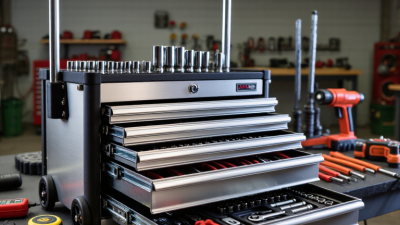
A Drawer Toolbox is more than a box with sliding compartments. It is a compact storage system designed to organize tools by function, frequency, and size. Each drawer creates a visible working zone. A screwdriver may rest beside its bits, while measuring tools stay protected from heavy metal parts. This simple arrangement can reduce searching, prevent damage, and make a small workshop feel more controlled.

Chris Schwarz, a respected furniture maker and tool-storage writer, describes a tool chest as “a workshop in miniature.” That idea explains how a Drawer Toolbox works. Ball-bearing slides support the drawers, dividers separate equipment, and a sturdy frame keeps the unit stable during daily use. Some models include locking mechanisms, removable trays, or foam inserts. These details matter when tools travel between a garage, service vehicle, and job site.

The best design depends on real working habits. A deep drawer may hold power tools, but it can waste space for small hand tools. A shallow drawer offers quick visibility, yet it may limit flexibility. I have found that over-organizing can become another form of delay. Labels help, but strict layouts may fail when the tool collection changes. This article examines construction, drawer movement, load capacity, safety, and practical maintenance. It also considers where a Drawer Toolbox performs well, and where a traditional toolbox may remain the wiser choice.
What Is a Drawer Toolbox and How Does It Work?

What Is a Drawer Toolbox?

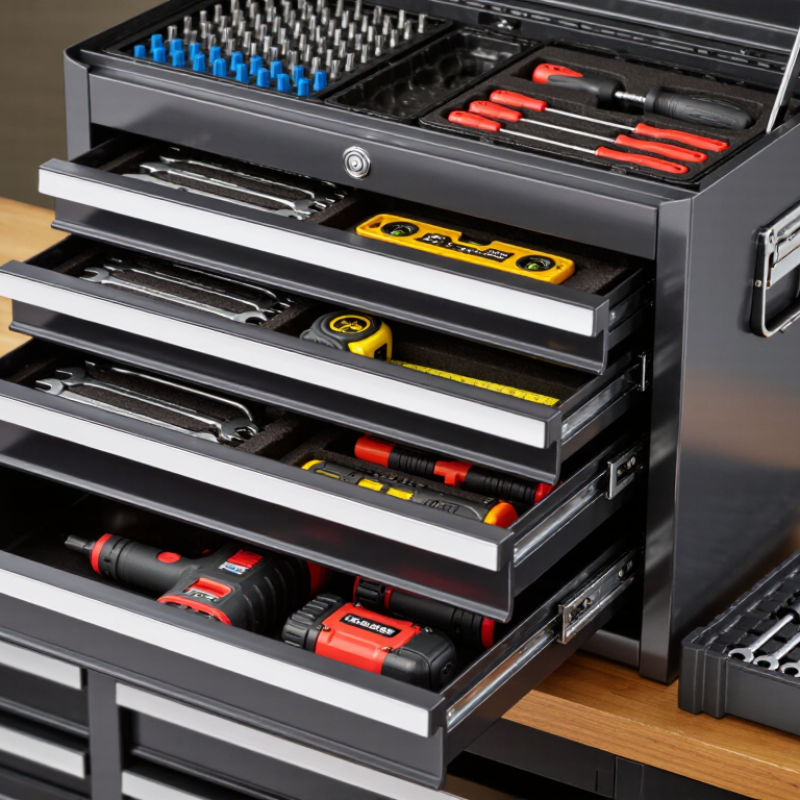
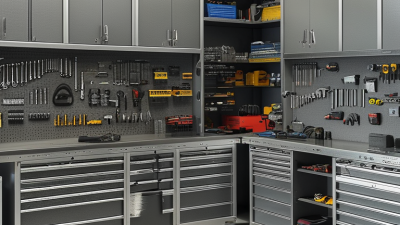
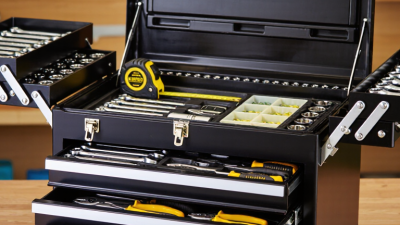
A drawer toolbox is a storage cabinet with horizontal sliding compartments for hand tools, fasteners, and small equipment. Each drawer opens toward the user, keeping contents visible without requiring deep bending. Unlike an open shelf, it separates tools by size and task. A typical unit includes steel drawers, dividers, locking hardware, and slides rated for specific loads. The drawers do the organizing.

Its working principle is simple. Ball-bearing or reinforced slides guide each drawer along fixed rails. The load rating determines how much weight the drawer can safely carry. Dividers stop sockets from rolling, while foam inserts can outline missing tools. Many cabinets use an interlocking mechanism that opens only one drawer at a time. This reduces tipping risk, but it is not foolproof.

The U.S. Bureau of Labor Statistics regularly identifies sprains, strains, and tears among major workplace injury categories. The National Institute for Occupational Safety and Health also emphasizes reducing awkward postures and excessive reaching. A drawer toolbox supports these goals when placed near the workbench and loaded evenly. Heavy items belong in lower drawers. Light items can stay higher. In real workshops, however, users often overload one drawer and ignore weight labels. That weakens smooth operation and may damage the slides. A careful inspection should check drawer alignment, handle stability, sharp edges, and lock function before daily use. It is practical, not perfect.
How Is a Drawer Toolbox Designed?

A drawer toolbox is designed around access, weight control, and safe storage. Its frame usually combines formed steel or reinforced aluminum panels. Steel offers rigidity, while aluminum reduces overall weight. Designers select materials according to the expected load, working environment, and transport needs.

Each drawer uses extension slides that support smooth movement under pressure. Reliable slides should match the drawer’s rated capacity, not only its empty weight. A shallow drawer can hold drivers and measuring tools, while a deeper drawer suits larger hand tools. Adjustable dividers keep items from shifting during movement. Small compartments also prevent metal tools from striking one another.

The center of gravity matters. Heavy tools should stay in lower drawers. This arrangement improves stability and reduces tipping risk. Many designs include a stop mechanism, so a drawer cannot roll out accidentally. A locking system can secure every drawer when the unit is closed. It should remain simple enough for daily use.

Good design includes ventilation and drainage where moisture may collect. Rounded edges also reduce injuries during hurried work. No layout is perfect. Users often discover that fixed dividers waste space for unusual tools. For that reason, movable inserts provide a more practical solution. Before choosing a toolbox, measure the tools, check slide ratings, and consider how often each drawer will open.

What Is a Drawer Toolbox and How Does It Work? - How Is a Drawer Toolbox Designed?

Design Dimension Component or Feature Typical Specification How It Works Design Considerations
Storage Structure Stacked drawers 2–8 drawers per mobile unit Each drawer slides independently to provide access to a separate layer of tools. Drawer height should match the tools stored inside while maintaining a compact overall footprint.
Drawer Capacity Load-rated drawer box Approximately 30–100 kg per drawer, depending on construction and slide type The drawer bottom and side walls transfer the tool load to the slide assemblies and cabinet frame. Capacity should account for both evenly distributed loads and concentrated loads from heavy equipment.
Sliding Mechanism Ball-bearing or roller drawer slides Common extension range: 75%–100% of drawer depth Sliding members allow the drawer to move in and out while reducing friction and supporting the stored weight. Slides need accurate alignment, adequate clearance, corrosion resistance, and a suitable load rating.
Access Design Full-width drawer handle Usually positioned along the upper front edge The handle distributes pulling force across the drawer front and provides a stable grip. The handle should resist bending, remain comfortable during repeated use, and avoid sharp edges.
Organization Removable trays, dividers, and foam inserts Adjustable layouts for sockets, hand tools, fasteners, and accessories Internal organizers separate tools and reduce movement when the toolbox is opened, closed, or moved. Organizers should be removable or adjustable so the drawer can accommodate different tool sizes.
Security Central locking system One lock may control multiple drawers A locking bar, cam, or interconnected mechanism prevents drawers from being opened without authorization. The system should be easy to operate and should limit accidental opening during transport.
Safety Anti-tip or interlock mechanism Often limits the number of drawers that can open at one time The mechanism helps keep the center of gravity within the base footprint and reduces tipping risk. Heavy tools should be stored in lower drawers, and the unit should remain stable on uneven surfaces.
Mobility Swivel casters with locking brakes Typical wheel diameters: 75–125 mm Casters support the cabinet and allow it to be pushed; brakes hold it in position during use. Wheel size, tread material, floor condition, and total loaded weight affect maneuverability.
Frame Construction Formed or welded steel cabinet Sheet steel commonly used for the cabinet shell and drawer components The frame carries drawer loads, protects stored tools, and maintains alignment during operation. Panel thickness, folded edges, reinforcements, and weld quality influence rigidity and durability.
Surface Protection Powder-coated or painted finish Multi-step preparation may include cleaning, pretreatment, coating, and curing The finish creates a protective surface that helps resist abrasion, moisture, and general workshop contamination. Coating adhesion and edge coverage are especially important around handles, corners, and drawer openings.
Ergonomics Working height and drawer positioning Frequently used tools are placed between knee and shoulder height The arrangement reduces bending, stretching, and unnecessary movement during routine tasks. Drawer depth, handle clearance, and the height of the top surface should suit the operator and work area.
Top Work Surface Flat metal, rubber, wood, or composite top Often used for temporary tool placement or light assembly work The top provides an accessible surface while the drawers keep tools organized below it. Surface material should match the intended work, with resistance to impact, oils, and common workshop chemicals.
Ventilation and Drainage Small gaps, perforations, or drainage paths Optional features depending on the operating environment They help release moisture and prevent liquid from remaining inside enclosed areas. Openings should not weaken the cabinet or allow small tools to fall into inaccessible spaces.
Maintenance Accessible slide and caster hardware Periodic inspection and cleaning recommended Removing dust, checking fasteners, and lubricating compatible moving parts helps preserve smooth operation. Replacement components should be easy to identify, access, and install without dismantling the entire cabinet.

Note: Actual capacity, dimensions, materials, and safety features vary according to the toolbox design, construction method, and intended application.

How Does a Drawer Toolbox Work?

A drawer toolbox works through a set of sliding drawers built into a rigid cabinet. Each drawer moves on metal rails, which guide its path and support its weight. Ball-bearing slides usually allow smoother movement, even when the drawer holds hand tools. The cabinet frame keeps the drawers aligned, while handles provide controlled access.

Inside, each drawer creates a separate workspace. Shallow drawers can hold screwdrivers, pliers, or measuring tools. Deeper drawers suit power accessories or heavier equipment. Foam liners reduce sliding and protect delicate surfaces. Dividers improve visibility, although poor layouts can waste space. I have found that placing frequently used tools near waist height makes daily tasks faster.

A locking bar or central mechanism can secure several drawers at once. Some systems also use drawer latches, preventing movement when the cabinet rolls. Casters let the toolbox move across a workshop floor, but they must be locked before heavy work begins. Always check the stated load capacity and distribute weight evenly. A heavy bottom drawer improves stability. It is not perfect. Bent rails, overloaded drawers, or uneven floors can cause sticking and tipping. Regularly tightening fasteners and removing unused tools helps the mechanism work more reliably.

What Is a Drawer Toolbox and How Does It Work?

A drawer toolbox stores tools in horizontal compartments that slide on runners. Taller drawers provide more vertical room for bulky equipment, while shallow drawers are better suited to hand tools, fasteners, and measuring instruments. The chart shows representative drawer heights and their typical uses.

Drawer height is measured vertically inside the drawer. Actual capacity depends on the toolbox design, drawer width, depth, runner rating, and the weight of the stored tools.

What Tools Can a Drawer Toolbox Store?

A drawer toolbox stores tools by task, size, and frequency of use. Shallow drawers suit screwdrivers, pliers, hex keys, bits, and measuring tools. Deeper drawers hold ratchets, sockets, adjustable wrenches, clamps, and compact power tools. Foam liners or dividers prevent metal tools from sliding when drawers move. I have found that a fixed home for each tool saves time, especially during repeated repair work.

The arrangement should reflect real work, not a showroom picture. Keep daily tools near the top. Place heavier tools in lower drawers for stability. Store sharp edges separately, and keep electrical testers protected from impact. OSHA’s Hand and Power Tools standard, 29 CFR 1910.242, requires tools to remain in safe condition. A drawer toolbox supports that rule by limiting clutter and making damaged tools easier to notice.

Small items matter too. Add sockets, drill bits, fasteners, spare blades, marking pencils, and cleaning cloths. Labeling helps, but labels can fail when a tool changes location. The U.S. Bureau of Labor Statistics reported 5,283 fatal occupational injuries in 2023 across all industries. That figure does not prove poor tool storage causes accidents, yet it reinforces the need for controlled work areas. My own preference is simple: store the tools used together in one drawer. It is not always perfect. A mixed drawer can still appear efficient, until one missing socket delays the entire job.

How Can a Drawer Toolbox Be Used Safely?

What Is a Drawer Toolbox and How Does It Work?

A drawer toolbox is a compact storage unit with sliding compartments for hand tools. It keeps equipment visible, organized, and easier to reach. Safe use begins before opening a drawer. Place the toolbox on a firm, level floor. Lock its wheels before pulling out any compartment. A loaded cabinet can tip if several drawers remain open. Keep heavier tools in the lowest drawers. This simple arrangement improves balance.

Inspect each drawer before use. Do not force a drawer that sticks or shifts sideways. Damaged slides may release unexpectedly. Use the correct tool for each task, rather than improvising with a nearby object. A loose wrench can slip and injure your hand. Wear safety glasses when cutting, striking, or working near flying particles. Keep fingers away from drawer gaps and closing edges. Never leave sharp tools loosely stacked.

In workshop inspections, I check drawer latches, wheel brakes, handles, and visible fasteners. Small faults become bigger problems. I once ignored a sticky drawer because the toolbox still looked stable. That delay made the drawer harder to repair and reduced safe access. My judgment was not careful enough. Dust and metal fragments can also hide early wear, so clean the tracks regularly. Remove clutter from the floor around the toolbox. If the cabinet rocks, stop using it until a qualified technician checks its base and hardware.