
A garage can become crowded quickly: bikes lean against the wall, seasonal boxes cover the floor, and tools disappear beneath workbench clutter. Garage Storage Systems can reclaim useful space, but the best choice depends on what you store, how often you use it, and how your garage is built. There is no universal winner.
This guide examines the main options, including adjustable shelving, wall-mounted rails, overhead racks, and enclosed cabinets. Each suits a different job. Shelves keep bins visible and reachable. Rail systems make it easier to rearrange hooks for garden tools or sports gear. Overhead racks free up floor space, but they need suitable ceiling supports and careful installation. Cabinets protect supplies from dust, though they can take up valuable room.
Before choosing, measure the available wall and ceiling space, note door and vehicle clearance, and check the product’s stated load limits. Confirm that the mounting method suits your wall or ceiling material; appearance alone is not enough. Small details matter. A few inches can decide whether a car door opens fully.
The comparisons focus on capacity, flexibility, durability, installation, and everyday access. They also recognize trade-offs: a cheaper system may need extra bins, while a sturdy one may be harder to reposition. Some garages stay damp or experience wide temperature changes, so storage needs can differ. A practical system should fit the space you have, not an idealized garage. That distinction is easy to overlook.
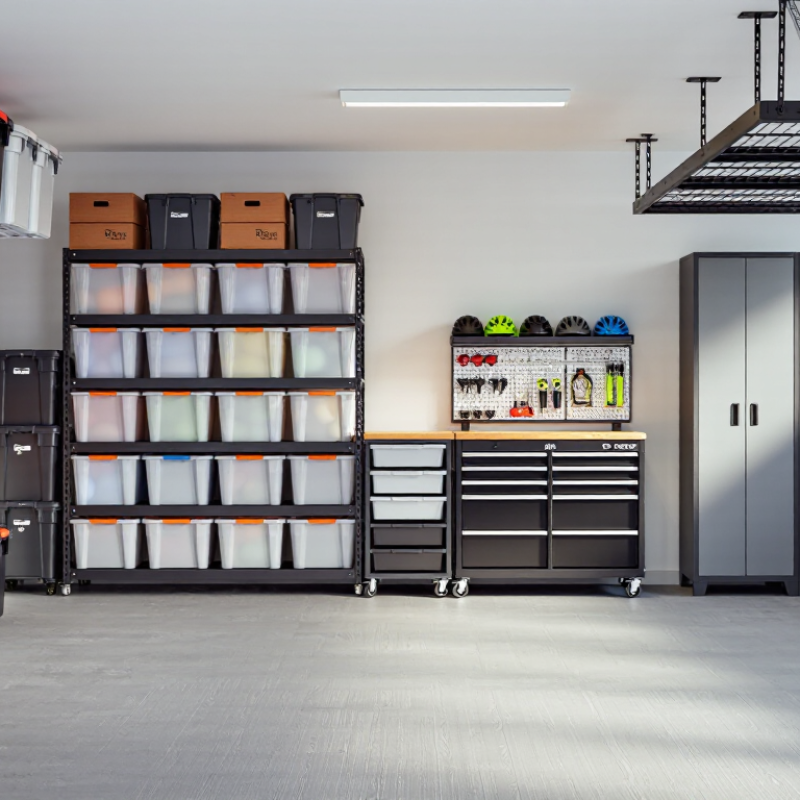
Wall-mounted shelves and cabinets are useful when floor space is limited. Shelves keep bins, paint supplies, and folded tarps visible, while cabinets protect items from dust. Slatwall panels and pegboards make hand tools easy to rearrange as routines change. Add hooks for hoses or extension cords. Small parts need labels.
Freestanding shelving suits renters or anyone who wants storage without drilling into walls. Choose sturdy units with adjustable shelves, and place heavier containers near the floor. Overhead racks can hold seasonal gear, but check ceiling clearance and the rack’s rated capacity before loading it. Attach wall-mounted and overhead systems to appropriate framing, not just drywall. Modular cabinets combine drawers, shelves, and work surfaces, though they can consume more floor area than expected. Measure the garage with car doors open; a layout that looks spacious on paper may feel cramped in daily use. I have found that open storage is convenient, but it can look messy quickly. A partly used system is not always a failure; leave room for items that do not fit neatly.
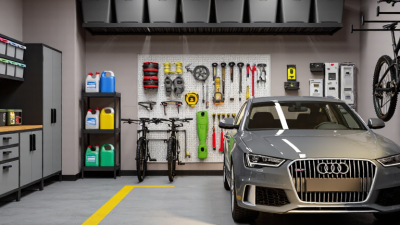
Wall-mounted systems can turn an empty garage wall into useful storage for hand tools, extension cords, and everyday items. A rail or slat panel lets you reposition hooks and baskets as your needs change. Keep frequently used tools near your workbench, and place seasonal items higher up. Small items wander. Use labeled bins for screws, gloves, and batteries, so they do not disappear behind larger gear. Before installation, locate wall studs and follow the system’s stated load limits. Heavy tools need secure support, not just a convenient hook.
Tips: Group items by task, such as gardening or bike repair. Leave a little space between tools so you can remove them without knocking others down. Check that doors and parked vehicles will not hit anything.
A simple setup often works better than covering every inch of wall. Start with the tools you reach for each week, then add hooks or shelves where clutter actually collects. I have found that one awkward corner can stay awkward, even with a tidy panel; measuring first helps, but it does not solve every layout problem. Keep walkways clear, and store sharp or fragile tools where they cannot fall onto people or vehicles.
Overhead racks reclaim floor space for items you rarely need, such as holiday decorations, camping gear, and empty luggage. They work best for lightweight, bulky belongings stored in sturdy, closed bins. Before choosing a rack, measure the ceiling height and check how garage doors, lights, and parked vehicles move beneath it. Secure the rack to ceiling joists and follow its stated load limit. Drywall alone is not a dependable anchor. Keep frequently used items within easy reach.
Tips: Label each bin on two sides. Put heavier bins near the center, and leave a clear route below the rack. Use a stable ladder and ask someone to help lift awkward loads. Avoid storing anything that could leak or spoil overhead.
A rack can look roomy until the bins are loaded. It is easy to underestimate how much headroom a vehicle needs, so test the clearance before installation. Store seasonal items toward the back, but leave enough space to remove them without shifting everything else. Overhead storage is useful, not effortless. If lifting a bin feels unsafe, reduce its weight or choose a lower shelf.
Garage storage works best when cabinets and shelves serve different jobs. The National Association of Home Builders’ 2024 What Home Buyers Really Want report found that 81% of buyers considered garage storage essential or desirable. That demand favors flexible layouts, not simply more boxes. Lockable cabinets keep paint, tools, and small parts out of sight. Open shelves make bulky bins and sports gear easier to reach.
Measure the wall, door swing, and parked vehicle before choosing cabinet depth. A cabinet that blocks a car door is a costly mistake. Use closed cabinets for items that need protection from dust, and adjustable shelving for changing needs. Store heavy containers low. Check each shelf’s stated load rating, and secure tall units to wall framing where the installation instructions allow. Small details matter.
A practical setup leaves clear paths to outlets and frequently used equipment. Label bins by task, such as gardening or seasonal gear, rather than by vague contents. NAHB’s survey reflects buyer preferences, not a guarantee that every storage plan will fit every household. That distinction matters. People often buy shelving before sorting what they own; I would pause and measure first, even if the empty wall looks tempting.
Choosing a garage storage system starts with what you actually store, not how much wall space looks empty. A 2017 survey by the National Association of Professional Organizers reported that about half of homeowners considered the garage their most disorganized space. That finding points to a practical issue: mixed-use garages need clear zones, not just more shelves. Measure the car’s door swing, walkways, and ceiling height before buying anything. Measure first.
For heavy bins, tires, or power tools, check the shelf’s rated load and the condition of the wall or floor. Wall-mounted rails free up floor space, but they need suitable framing and careful installation. Freestanding shelves are easier to reposition, though they can crowd a narrow parking bay. Choose closed cabinets for paint, cleaning products, or dusty equipment; use open shelves for frequently used items. Keep chemicals away from heat sources, and store sharp tools beyond children’s reach.
Think about local conditions, too. Damp garages can damage cardboard and rust exposed metal, so sealed plastic bins and corrosion-resistant fittings may be worth the extra cost. Leave breathing room. A system that fits today may fail when hobbies, tools, or household needs change. I would avoid filling every inch at the start; an empty shelf can be useful, even if it feels inefficient. Check the manufacturer’s load limits and installation instructions, since wall materials and fasteners vary.