
Leave Your Message
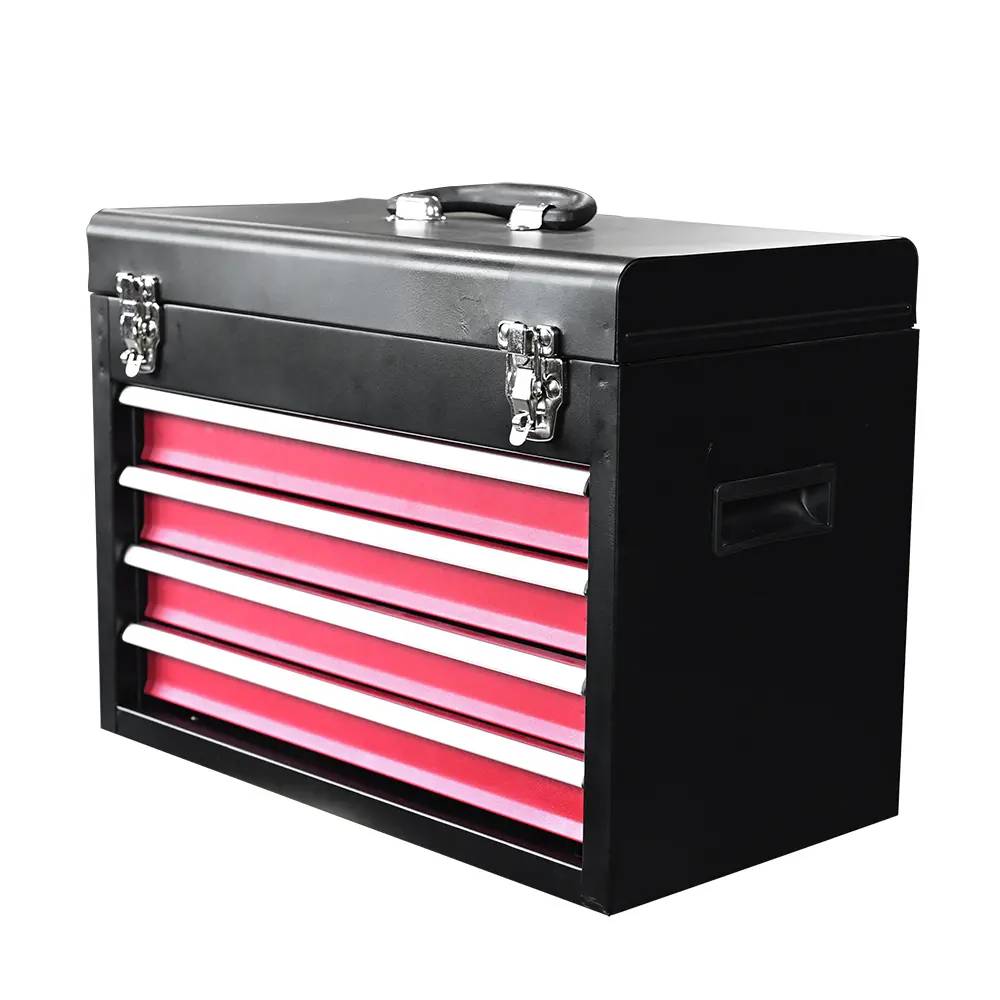
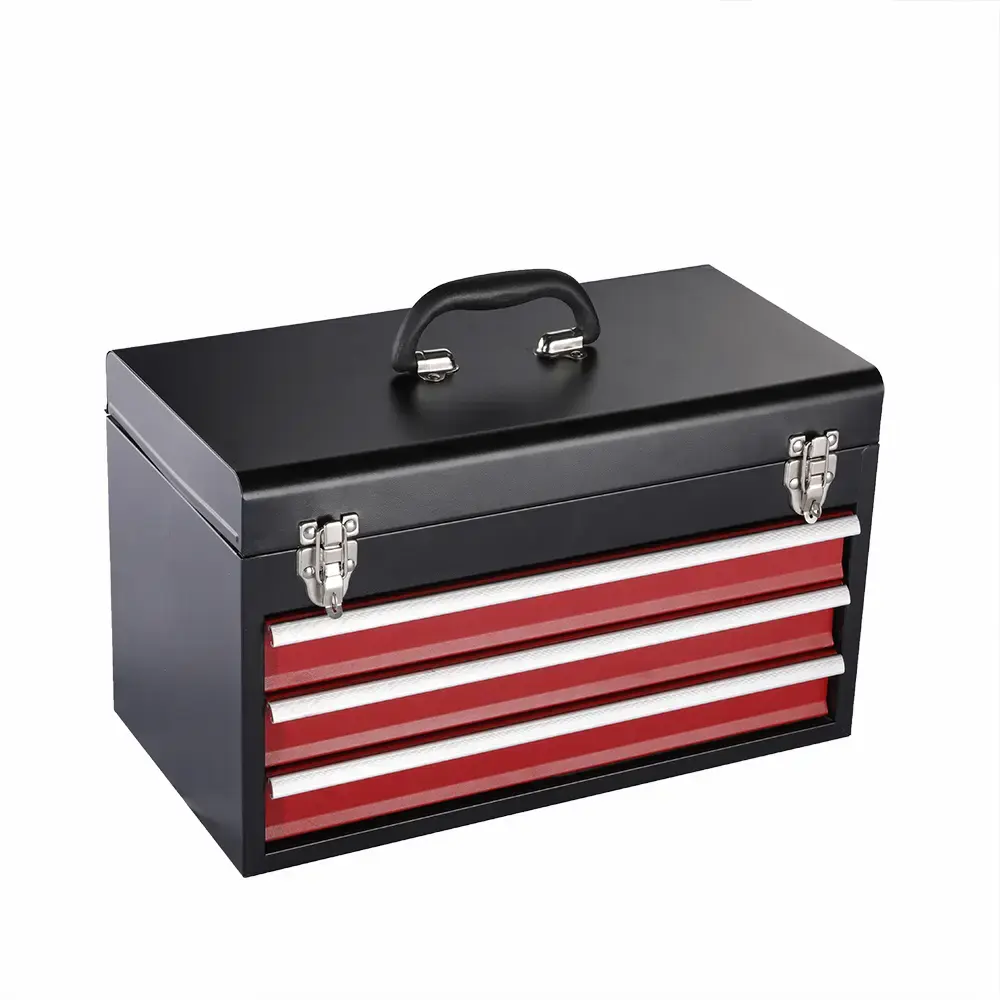

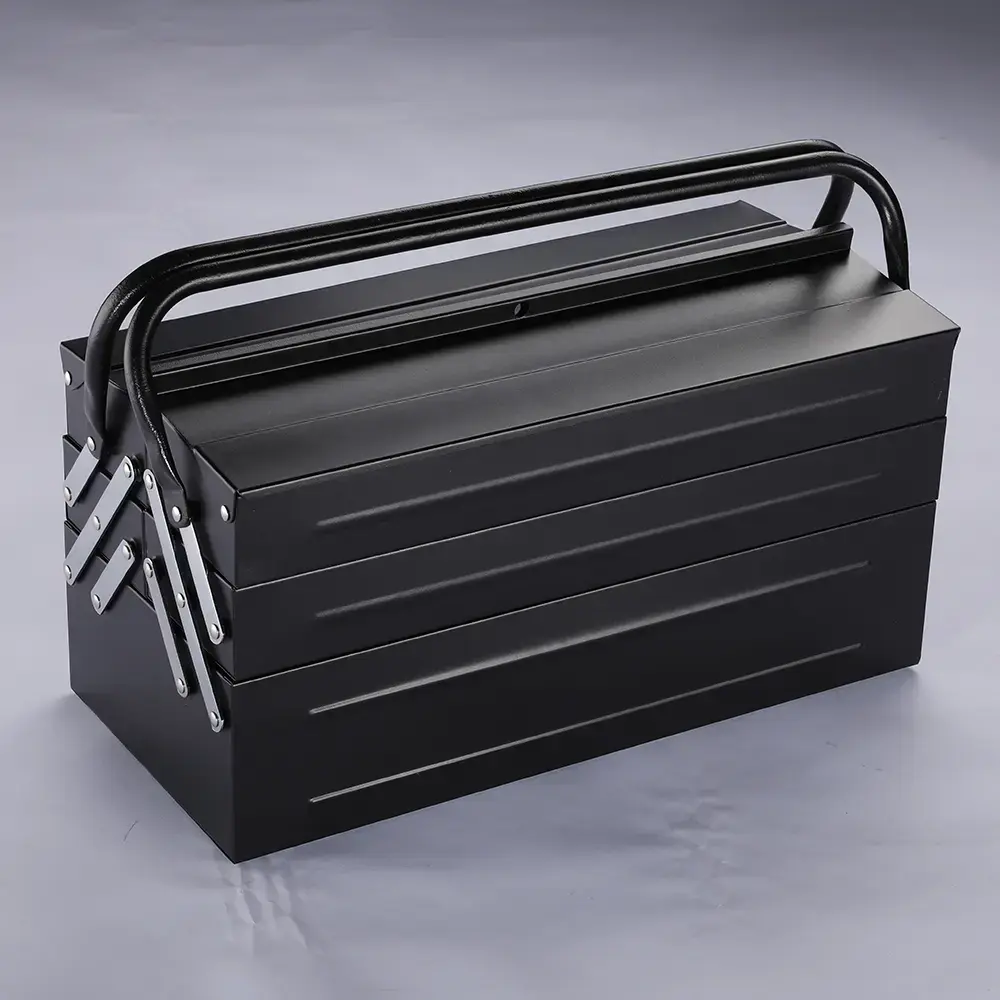
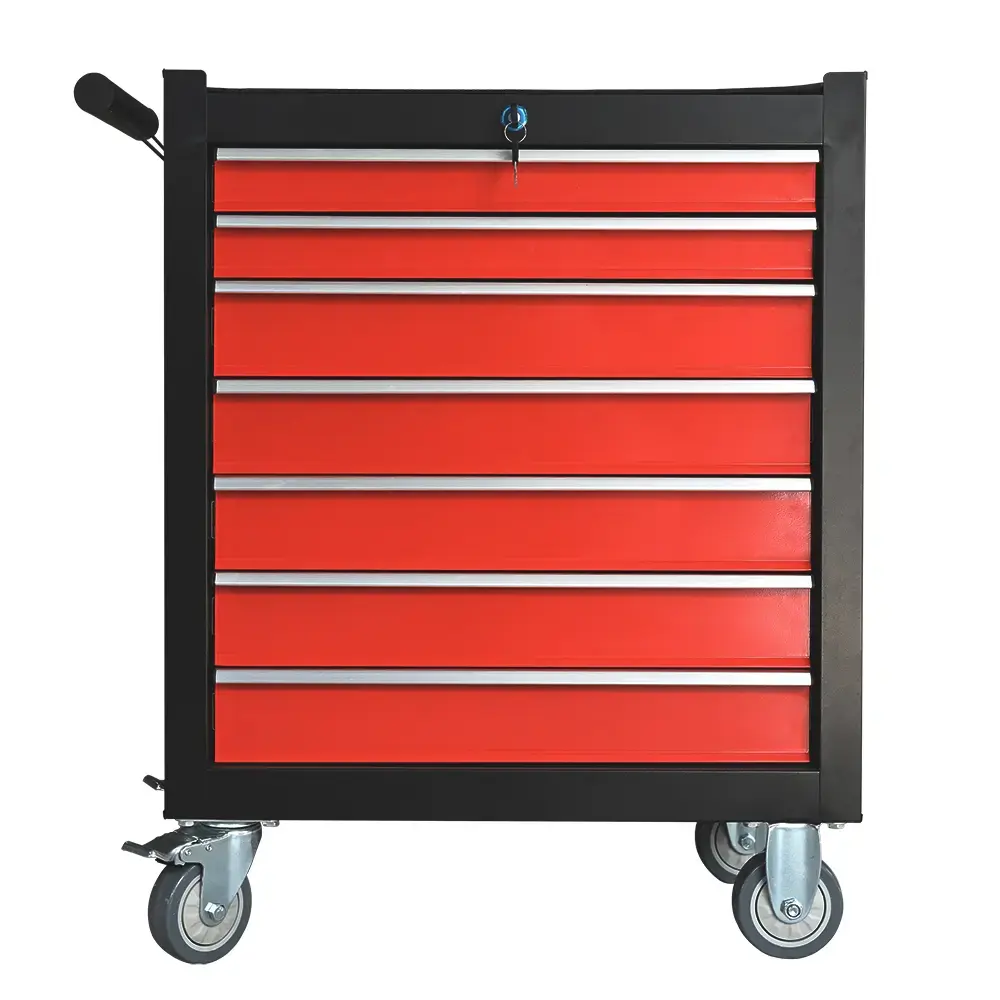


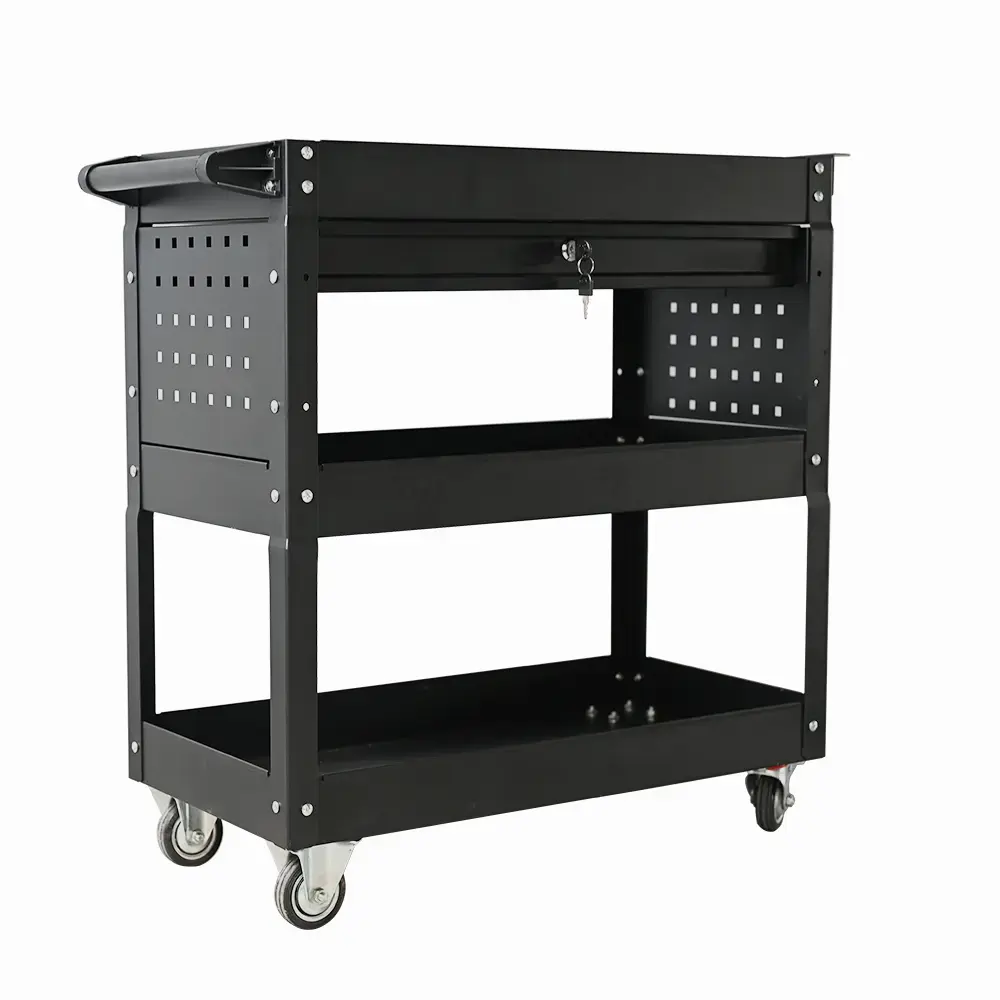

7-Drawer Tool Cabinet Adapted for Anti-Static/Insulation Requirements in Power Maintenance (High-Voltage Equipment/Cable Tools)
7-Drawer Tool Cabinet Adapted for Anti-Static/Insulation Requirements in Power Maintenance (High-Voltage Equipment/Cable Tools)
At power maintenance sites, a minor oversight can trigger major accidents. Have you ever faced these challenges? Expensive insulated tools are haphazardly stored in ordinary metal cabinets, only to be retrieved covered in dust and metal shavings; Before high-voltage equipment maintenance, struggling to locate a fully isolated, clearly labeled set of specialized tools, delaying critical repair windows. More troubling still, static electricity silently accumulates in dry environments, posing a latent threat to precision electronic testing equipment. The 7-Drawer Tool Cabinet was engineered precisely to address these highly specialized storage challenges. This article delves into how a tool cabinet truly tailored for power maintenance achieves excellence in anti-static and insulation management, thereby ensuring personnel safety, boosting operational efficiency, and extending tool lifespan.
I. Why Are Ordinary Tool Cabinets “Hidden Hazards” for Power Maintenance?
In high-voltage equipment and cable operations, tools are not just assistants—they form the first line of safety defense. While ordinary metal tool cabinets appear sturdy, they harbor three major risks.
First, the metal cabinet itself conducts electricity. In live-line environments or near high-voltage zones, accidental energization of the cabinet could lead to catastrophic consequences. Second, cabinets lack internal isolation. Mixing wrenches and screwdrivers with insulated rods and potential testers risks cross-contamination and mechanical damage. Most overlooked is static electricity. In dry conditions, friction between tools can generate static voltages reaching thousands of volts—sufficient to damage sensitive electronic components.
Real-world Case: During autumn maintenance at a local substation, technicians retrieved a multimeter from a standard iron cabinet. When measuring high-voltage cabinet signals, they encountered severe data drift. Investigation revealed accumulated static electricity had damaged the instrument's internal chip, directly causing equipment misdiagnosis and repair delays.
User Question: Our tool cabinets are stored in dry rooms—can static electricity really be that severe?
Answer: Static electricity generation does not depend on humidity; it accumulates more readily in dry air. Insulating materials in power maintenance tools (e.g., epoxy resin) generate and store static charges when rubbing against cabinet linings like velvet or foam. This poses particular risks to precision equipment like handheld partial discharge detectors and relay protection testers.
II. Core Anti-Static Design of Professional 7-Drawer Tool Cabinets: From “Isolation” to “Conduction”
Professional anti-static design is far more than a simple coating application. It constitutes a comprehensive system solution.
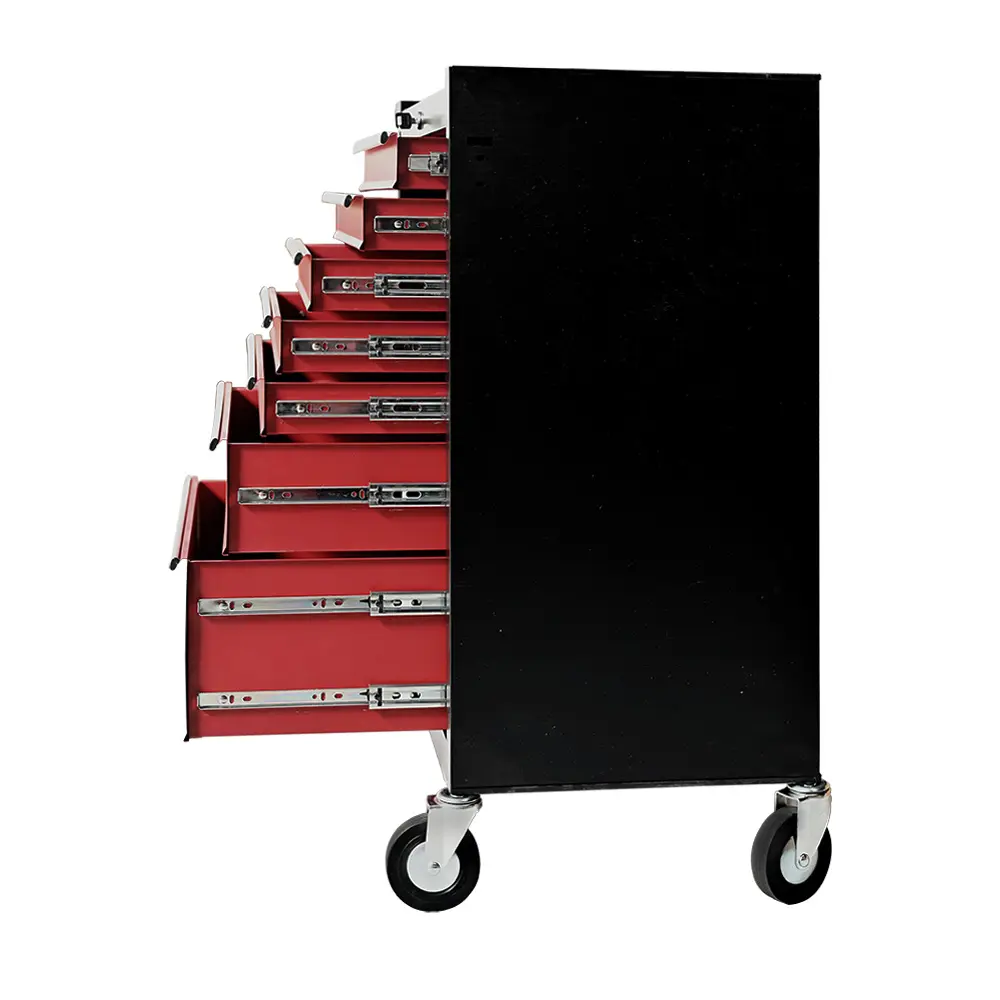
The core lies in controlling the surface resistance of cabinet materials. Premium anti-static 7-drawer tool cabinets utilize carbon steel substrates. After phosphating pretreatment, they are coated with epoxy-based anti-static powder. This stabilizes surface resistance between 10⁶ and 10⁹ Ω, allowing static charges to dissipate gradually without causing rapid discharges.
Internal drawer planning is crucial. Each drawer should include removable anti-static dividers. Users can freely partition compartments based on tool dimensions, ensuring long tools like insulated rods and voltage detectors lie flat and isolated. Conductive mats should be placed at the bottom of drawers and grounded. This allows static charges accumulated on stored tools to be safely dissipated through the mat into the grounding wire.
Industry Data: According to testing by an electrical safety laboratory, tools stored in system-grounded anti-static cabinets maintain surface static voltages below 100V in environments with 30% relative humidity. This is significantly lower than the 500V sensitivity threshold for precision instruments.
User Query: Does the anti-static coating wear off with use?
Answer: High-quality coatings exhibit excellent adhesion and abrasion resistance. The key lies in the manufacturing process. Genuine anti-static coatings are fused and penetrate the substrate, not merely surface-applied. Scratches from routine tool handling generally do not compromise the overall conductive network. Annual inspection of ground wire connections is recommended.
III. Dedicated Storage for Insulated Tools: How to Implement “Zone-Based, Tiered” Precision Management?
Insulated tools are most vulnerable to contamination, moisture, and mechanical stress. The multi-tiered structure of 7-drawer tool cabinets provides the physical foundation for precision management.
Follow the principle of “voltage-level zoning and functional classification.” For example, organize the cabinet vertically: Top 1-2 drawers store 10kV and below insulated gloves, insulated boots, and calibration labels. Middle 3 drawers hold 35kV-110kV insulated operating rods, grounding wires, and specialized wrenches. The bottom drawer holds heavy-duty crimping tools and spare parts.
Within each drawer, custom foam inserts or silicone pad die-cut slots create tailored recesses for every tool. This not only prevents tools from colliding and damaging insulation but also enables “at-a-glance” visual management and “designated-slot” fixed-position management, eliminating missed or misplaced items.
Real-world case: After adopting this compartmentalized layering system, a cable repair team reduced average preparation time by 40%. Previously requiring multiple boxes to search through, they now open designated drawers to find complete tool sets for all voltage levels, clearly visible and ready to go.
User question: Custom inserts are great, but won't they become obsolete when we upgrade tools?
Answer: This is precisely where professional solutions demonstrate flexibility. We recommend modular anti-static divider systems and moldable foam. Users can easily reconfigure compartments to match new tool contours without replacing entire inserts. This represents a future-proof investment.
IV. From High-Voltage Equipment to Cable Tunnels: Configuration Strategies for Diverse Scenarios
Power maintenance environments are complex and dynamic, demanding tool cabinet configurations tailored to specific conditions.
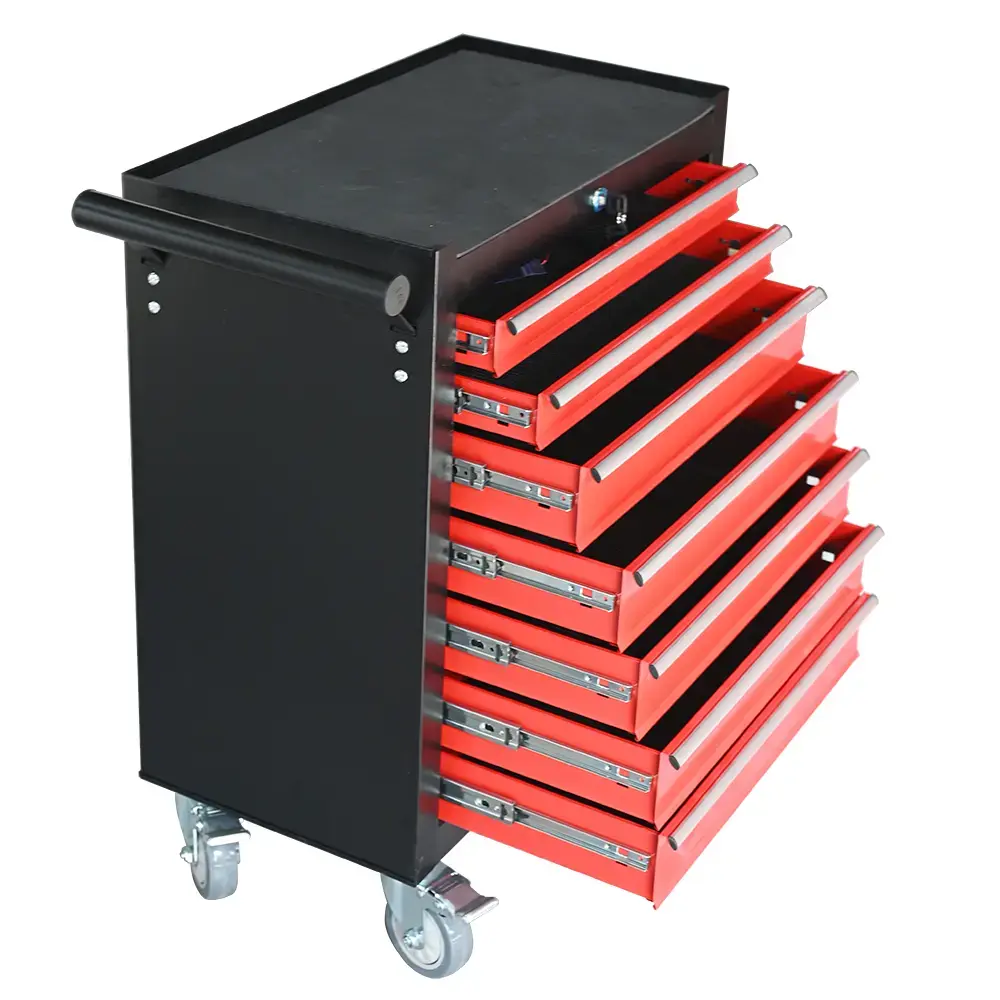
Scenario 1: Maintenance inside high-voltage distribution rooms. The environment is relatively fixed but space is tight, with extremely high safety requirements. We recommend a 7-drawer narrow cabinet with a width of 600-800mm, ensuring the cabinet is reliably grounded. Drawers should be equipped with heavy-duty slides for smooth opening and closing even when fully loaded. Doors can be fitted with viewing windows to quickly confirm tool placement without opening the door.
Scenario 2: Outdoor mobile repair vehicles. Tool cabinets must withstand frequent vibrations and temperature fluctuations. Opt for mobile 7-drawer cabinets with reinforced enclosures and lockable swivel casters. Drawers should feature automatic locking mechanisms to prevent accidental sliding during vehicle movement. All anti-static materials must maintain stability across wide temperature ranges.
Scenario 3: Underground cable tunnel operations. The environment is humid with potential condensation. The tool cabinet must have a higher rust resistance rating (e.g., full interior and exterior coating). Consider integrating a small desiccant storage compartment inside the cabinet, replacing it periodically to maintain internal dryness and protect tool insulation properties.
User Question: Our work scenarios frequently change. Is there a single configuration that can handle everything?
Answer: There is no “universal” configuration, but you can build a “core module.” The most practical strategy: Select a standard 7-drawer cabinet with built-in anti-static and insulation features. Then pair it with different modular tool trays or insert combinations based on each task. The cabinet body is a fixed investment, while inserts serve as flexible consumables.
V. Beyond Storage: Tool Cabinets as Pivots for Safety Management and Efficiency Enhancement
A professional tool cabinet ultimately delivers value through process optimization.
It should integrate a “Tool Status Board.” Mount a magnetic or card-slot board on the cabinet door interior or side to record each tool's last calibration date, next calibration date, user, and other details. This visually links physical tools with their records, making safety management transparent.
Further integration with digital systems is possible. Embed RFID chips in each tool slot and install a reader/writer inside the cabinet. This enables automated inventory, borrowing/return logging, and lifespan tracking. The system can automatically alert for tools nearing calibration expiration, preventing overdue usage.
Industry Trend: Driven by smart grid initiatives and digital transformation, leading power companies have adopted intelligent Tool Storage management as a critical component for enhancing intrinsic safety and lean operations. A professional 7-drawer tool cabinet serves as the physical core and starting point of this system.
User Question: Isn't the initial cost of introducing such a professional cabinet too high?
Answer: Don't just calculate the purchase cost; consider the total cost. It prevents safety accident costs caused by poor tool management, abnormal tool wear costs, and massive power outage losses due to delayed repairs caused by searching for tools. Avoiding just one accident is enough to cover the investment. This is an investment that prioritizes safety.

Conclusion
In power safety, details determine success or failure. Selecting a professional 7-drawer tool cabinet is not merely a storage upgrade—it represents a profound commitment to standardizing maintenance operations and institutionalizing safety principles. Through scientific anti-static design, precise insulation tool zoning, and flexible scenario adaptation, it isolates potential risks at the storage stage, ensuring every tool remains in optimal readiness for critical moments. Fundamentally, this safeguards not only expensive specialized tools but also protects the lives of frontline maintenance personnel and ensures the stable operation of the power grid. Therefore, investing in a 7-drawer tool cabinet truly tailored to high-voltage equipment and cable maintenance needs is a critical priority for every responsible procurement decision-maker and safety manager.
FAQ: High-Frequency Questions on Power Maintenance Tool Storage
Q1: Does storing insulated tools in an anti-static tool cabinet reduce their insulation performance?
A: Absolutely not. Professional anti-static tool cabinets are designed to “dissipate” static electricity, not “shield” electromagnetic fields. Their surface resistance is maintained within a safe range, allowing static charges to dissipate gradually without affecting the tools' insulating materials or creating conductive pathways. These are complementary safety measures.
Q2: Can existing standard metal tool cabinets be retrofitted into anti-static cabinets?
A: Yes, but with limitations. The reliable method involves professional sandblasting of the surface, followed by re-coating with an anti-static finish and adding a grounding wire. However, internal drawer dividers and anti-static mats still require separate installation. Considering overall cost and effectiveness, directly replacing core insulated tools with professional cabinets is typically the more economical and reliable choice.
Q3: How should the grounding wire for tool cabinets be properly installed?
A: This is critical! The grounding wire must use dedicated yellow-green bicolor wire with a cross-sectional area no less than 2.5mm². One end must be securely connected to the dedicated grounding terminal provided by the tool cabinet manufacturer (typically located on the cabinet's rear panel). The other end must connect to the building or equipment's equipotential grounding busbar, ensuring ground resistance is less than 4Ω. Connecting to unreliable substitutes like water pipes or heating pipes is strictly prohibited.
Meta Description: Exploring how professional 7-drawer tool cabinets precisely meet anti-static and insulated storage requirements for high-voltage equipment and cable tools in power maintenance. This article analyzes design fundamentals, compartmentalization strategies, and scenario configurations to help cross-border buyers and B2B clients enhance operational safety and tool management, eliminating hazards caused by improper storage. Discover professional solutions now to build a robust safety foundation for your team.
Keywords: 7-drawer tool cabinet, electrical maintenance tool cabinet, anti-static tool cabinet, insulated tool storage, high-voltage equipment maintenance