
Leave Your Message


Drawer Layout by Trade: Specifying Tool Storage for Mechanics, Electricians and Mobile Service Vans
Seven Drawers of the Wrong Depth
A tool distributor won a fit-out contract for a regional service fleet and specified the same seven drawer Roller Cabinet for every van. Within a month the electricians had stripped their cabinets bare and were carrying tools loose in crates, while the mechanics had drawers they could not open because the handles caught the wheel arch. Same product, same price, two completely different failures. The specification had been written around the cabinet, not around the tool set that lives inside it, and the distributor spent the next quarter swapping units between depots. Drawer count is a headline number buyers quote and the least useful number on the sheet.
Start From the Tool Set, Not the Cabinet
The correct sequence is tool inventory first, layout second, cabinet third. Ask the end user for the three heaviest items, the three longest items and the three items that get used most often per job, then design the drawer plan around those nine answers. A cabinet specified on drawer count alone always ends up with one drawer nobody can use and one tool that lives on the floor.
Weight distribution matters as much as volume. Heavy items belong in the lower drawers because they lower the centre of gravity and reduce tip-over risk when several drawers are open. Put the heaviest stock in the bottom third of the cabinet and light consumables up top, and say so in the handover document, because an end user who loads a tall cabinet top-heavy defeats the stability design in the first ten minutes.

The Mechanic Layout
General automotive work is dominated by sockets, spanners and a mix of medium Hand Tools. Mechanics need shallow drawers in depth for socket rails and wide shallow drawers for spanner sets, plus one deep drawer for power tools and one for bulky items like pullers and hammers. Favour a shallow drawer count over a deep one for this trade, and confirm the drawer interior width accepts a standard socket rail without modification.
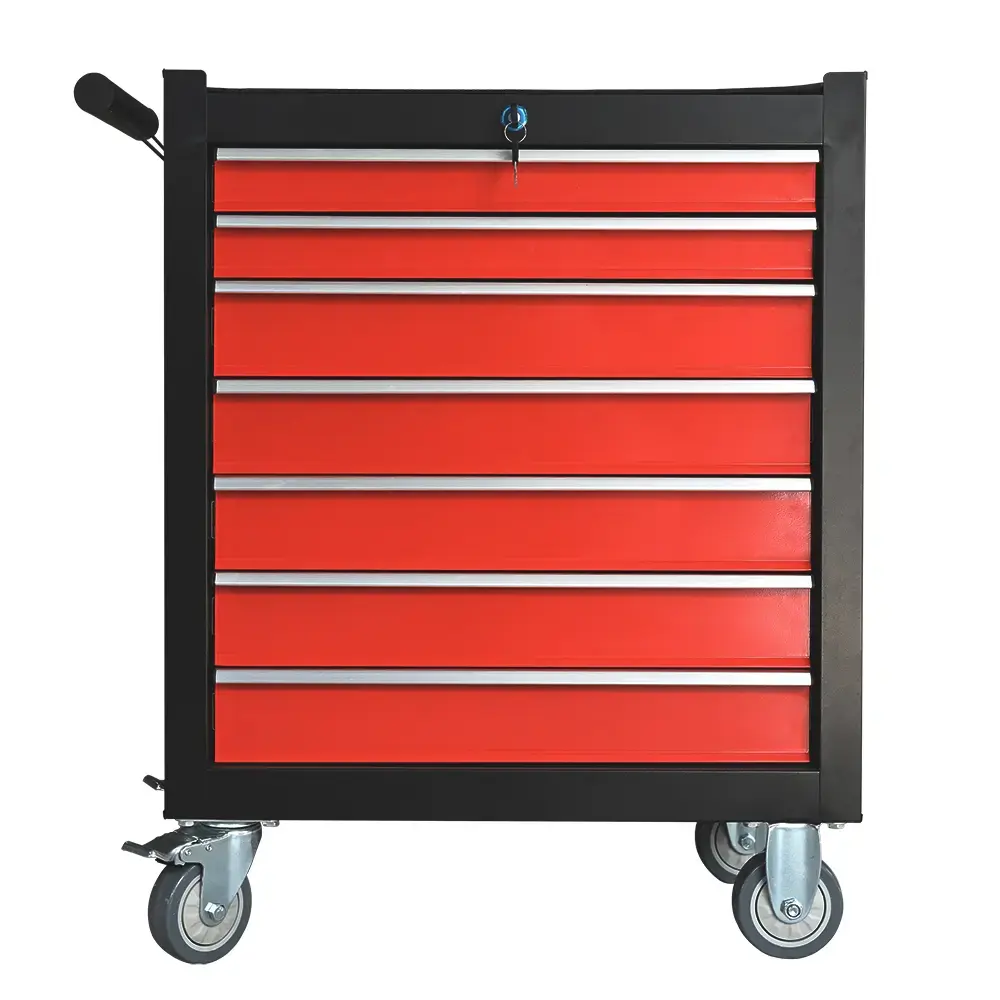
A large roller cabinet with seven drawers suits a fixed workshop bay for exactly this reason: the drawer count gives the shallow-to-deep mix a mechanic needs, and the roller base lets the unit move between bays. In a van application the same cabinet is usually too deep for the aisle and too tall for the door opening, and that is a measurement to take before the order, not after delivery.
The Electrician Layout
Electrical work carries a different profile: many small consumables, meters and testers that must not be crushed, and long slender tools. Electricians need compartmented shallow storage for terminals, glands and fixings, a protected drawer for instruments, and a tall narrow space for fish tapes and long drivers. Specify dividers and bins as part of the order rather than as an accessory, because loose small parts in a large drawer is the layout that gets abandoned first.
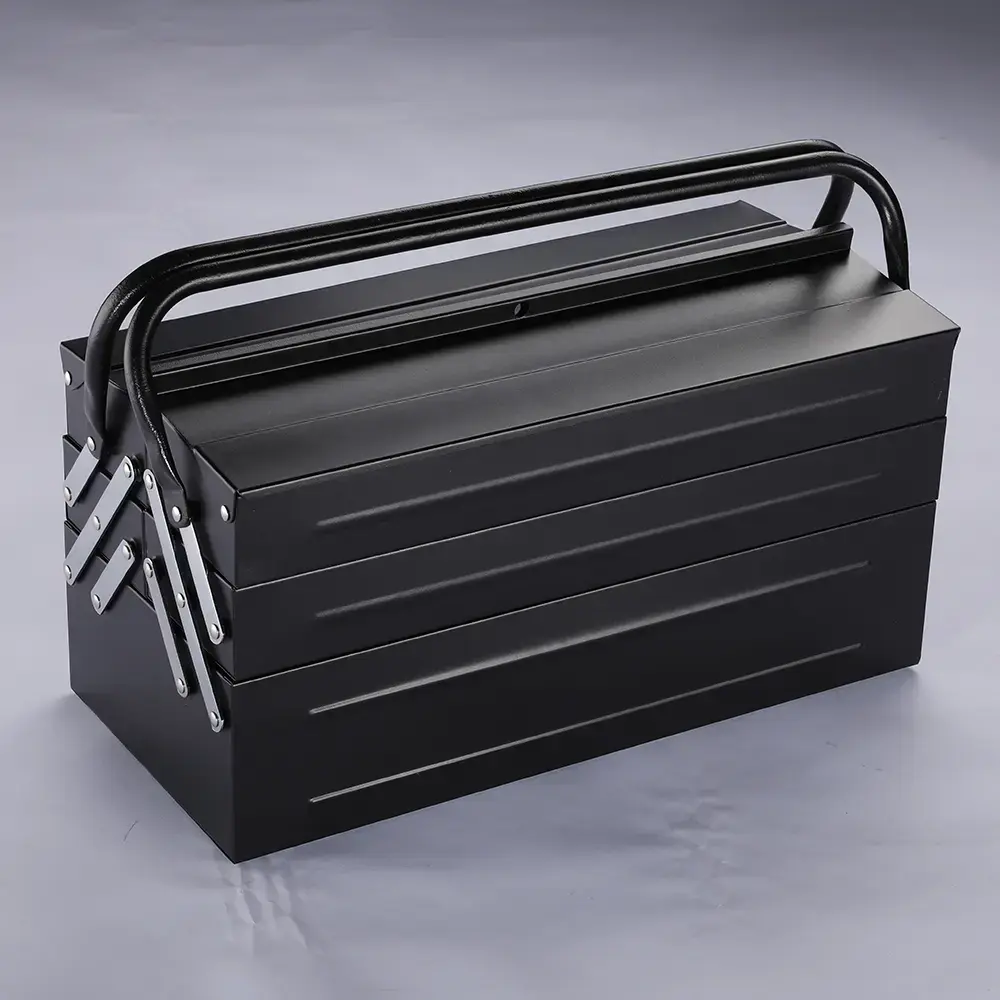
A cantilever toolbox with tiered trays answers the electrician problem differently: the trays open out into visible layers, so small consumables stay sorted and reachable without digging. Pair a cantilever box for consumables with a drawer cabinet for tools rather than forcing both into one unit, and do not specify a cantilever box as the only storage for a trade that also carries heavy power tools.
The Mobile Service Van Layout
Vans impose the hardest constraints: limited height, a narrow aisle, vibration, and a legal requirement that nothing becomes a projectile under braking. Specify for vans on external dimensions first, drawer retention second, and capacity a distant third. A drawer without positive latching will open on a roundabout, and that is a safety incident rather than an inconvenience.
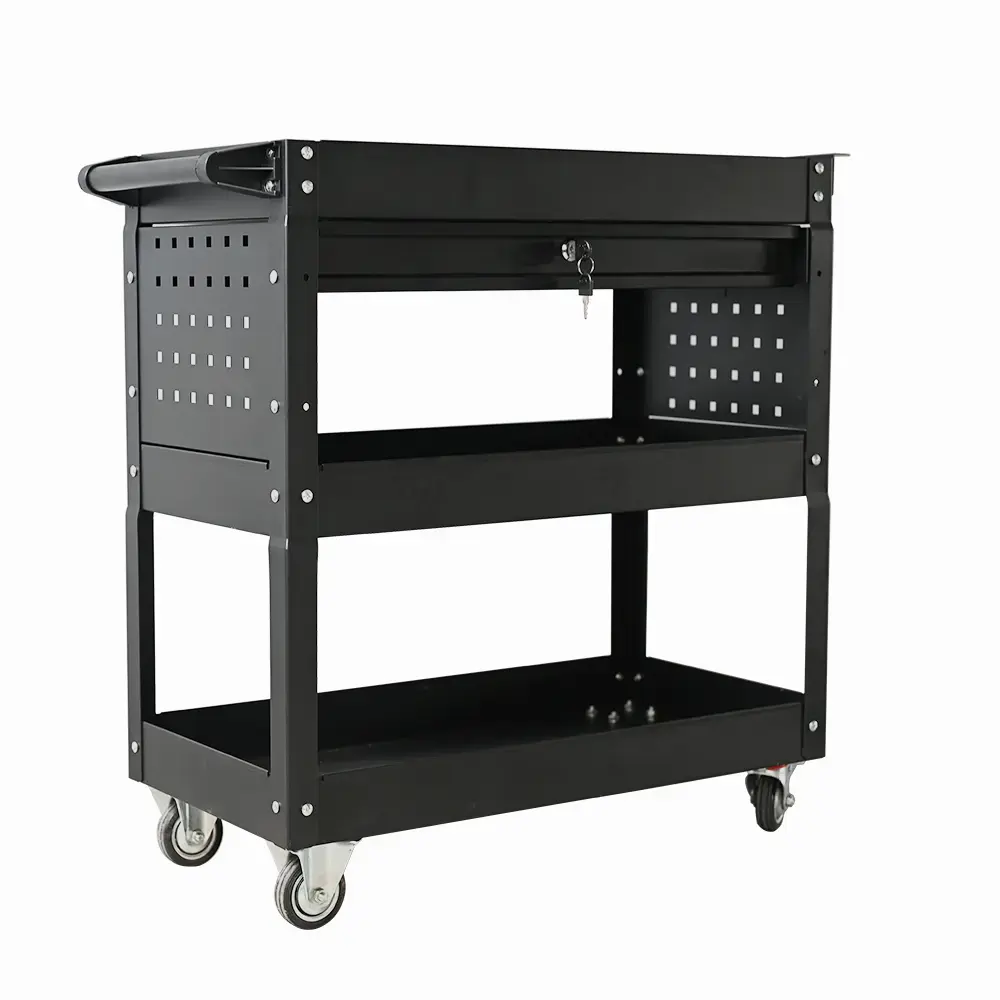
A four drawer rolling trolley on universal wheels is usually the right unit for a van because it can be rolled out of the vehicle and used at the job, which removes the carry distance entirely. Confirm the latch type and the wheel brake in writing, since both are common cost reductions that are invisible in a photograph.
Locking and Shared Custody
Who owns the tools decides the lock specification. A single technician with a personally owned kit wants one key and fast access; a shared fleet cabinet wants controlled access and an audit trail. Decide whether drawers lock individually or centrally, and whether the fleet needs keyed alike or keyed different across units. Keyed alike is convenient and keyed different is secure, and a fleet that discovers it wanted the other option after delivery pays for a full lock change.
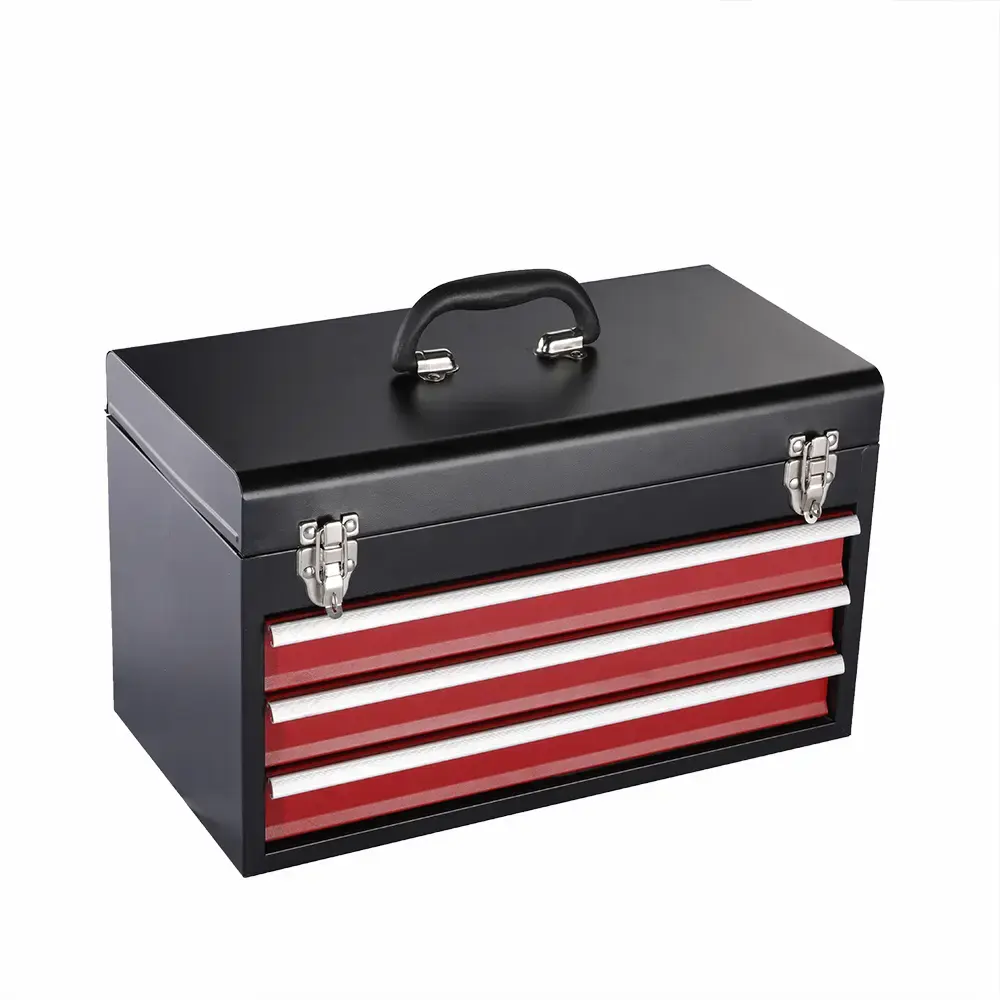
A lockable single drawer metal tool box is the right answer for a controlled item such as a calibration instrument or a restricted tool, and it lets a fleet keep high value items segregated without locking the whole cabinet. Buy a small number of these as dedicated custody boxes rather than trying to enforce custody inside a shared drawer.
Build the Range Around Three Roles
A distributor who stocks one cabinet and hopes it covers every trade ends up discounting it. Build the range around three roles: a fixed workshop bay unit, a mobile roller unit and a carry consumables unit, and let the end user combine them. Modularity is a sales argument as much as a practical one, because a customer who buys one unit and adds later is a repeat customer by construction.
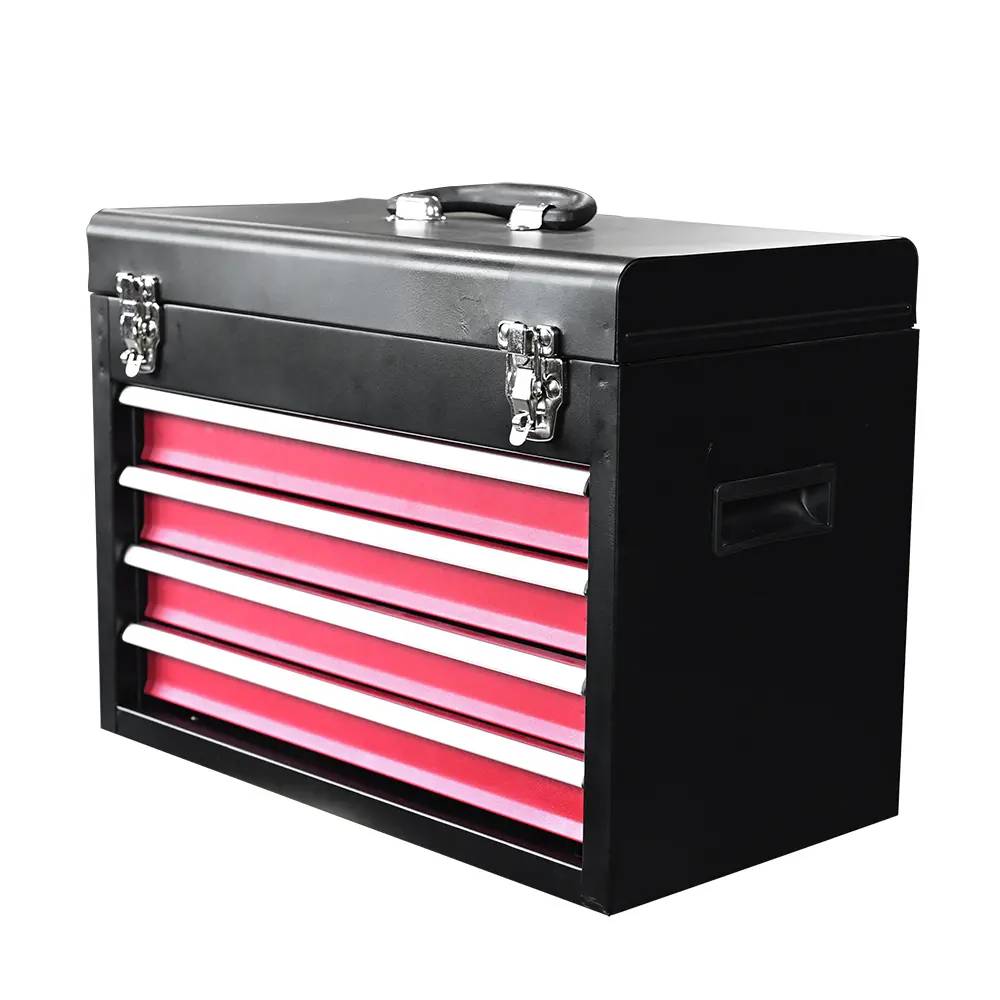
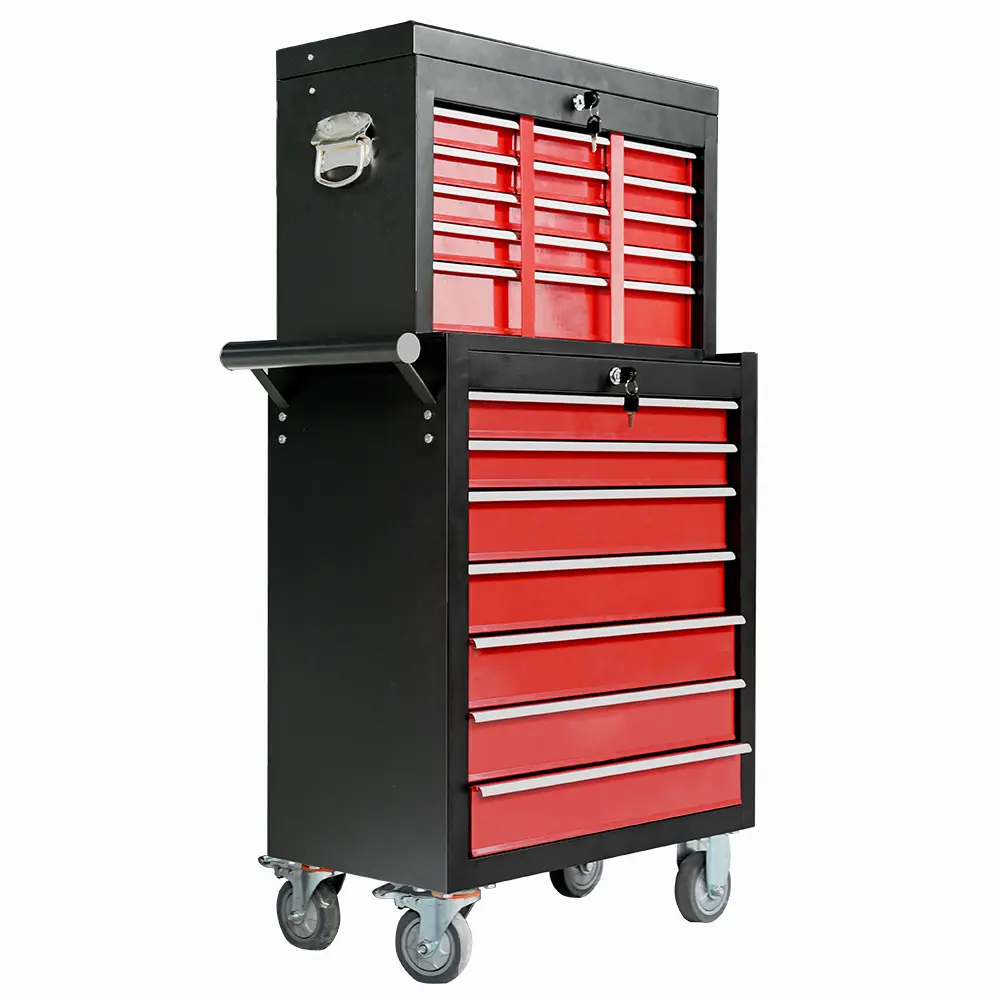
A comprehensive cabinet with matching upper and lower toolboxes shows how the combination should be presented: a matched stack reads as a system, and the dealer can quote a bay configuration instead of a box. Photograph the stack in the catalogue as one configuration, because customers buy the arrangement they can see.
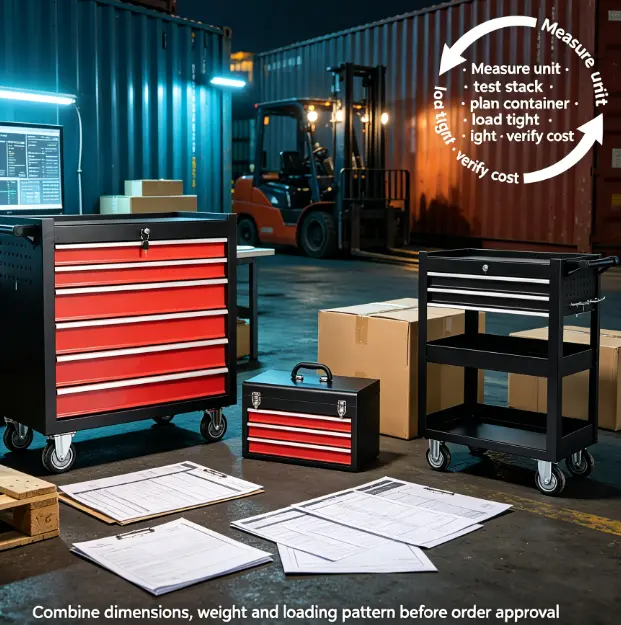
The Specification Sheet to Write Before Quoting
Before quoting a fit-out, write one page: external dimensions against the available space, drawer depth and count by trade, weight allocation by drawer height, latch type, lock and keying plan, caster type and brake, and the divider or bin set included. Take that page to the customer and have them initial it. Every cabinet swap in the opening story traces back to a line that was never written down, and the distributor who writes it down quotes once and delivers once.
