
Leave Your Message




Drawer Slides and Cycle Testing: What Tool Cabinet Buyers Should Demand Before Importing
An automotive aftermarket wholesaler shipped a container of Roller Cabinets to a workshop chain and started taking returns in the second month. The drawers had not broken; they had started to sag and bind once loaded with sockets. The slides were rated at 35 kg static, which sounds generous, but the rating was measured with the load placed directly over the slide rather than hanging on an extended drawer. In a real workshop, a fully extended drawer multiplies the force on the slide by roughly three times, so a 35 kg slide was being asked to carry the equivalent of a hundred kilos. Nothing in the enquiry had asked about extension rating.
Static Rating, Dynamic Rating and the Extension Problem
Slide specifications have three numbers and buyers usually see only one. The static load rating is the weight a closed or barely extended drawer can hold. The dynamic rating is what the slide carries while moving, and it is typically half to two thirds of the static figure. The third number, rarely quoted, is the load at full extension, and that is the one that decides whether the drawer binds in year two. Ask for all three, in writing, on the slide manufacturer's own data sheet, not on the cabinet seller's brochure.
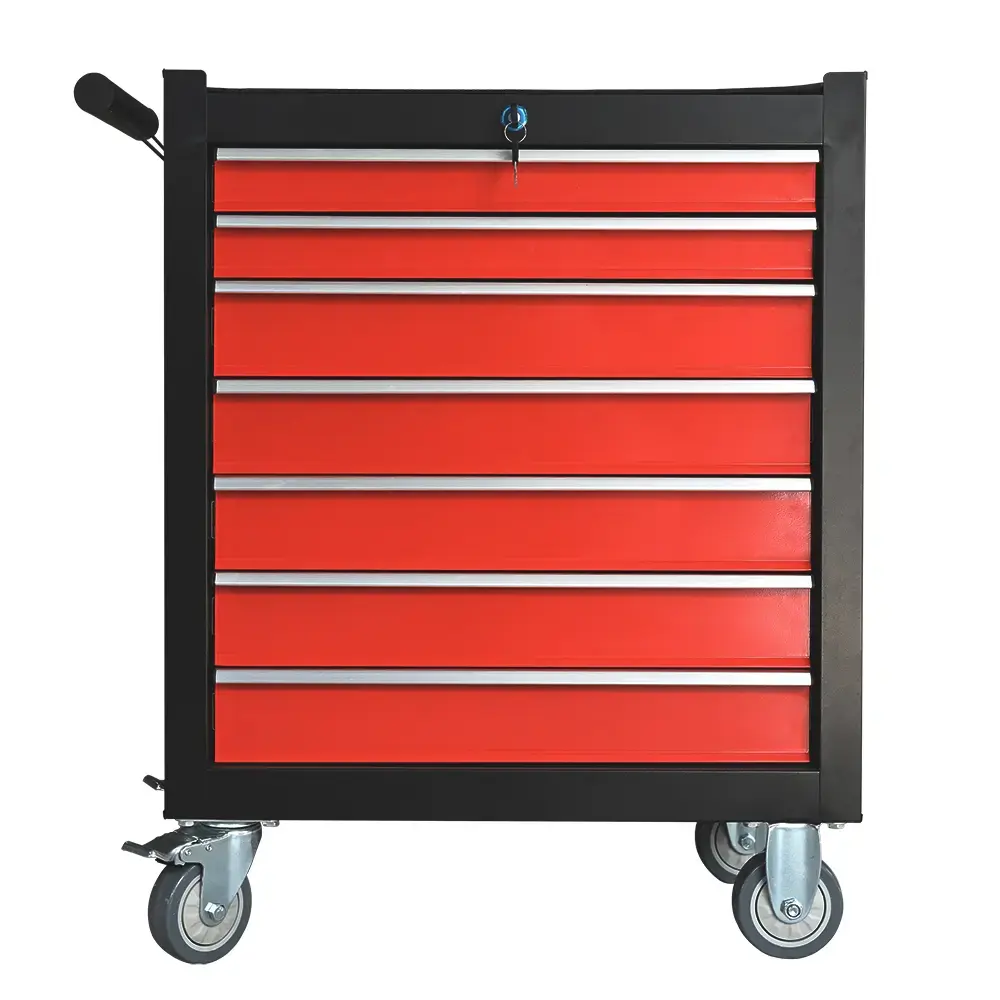
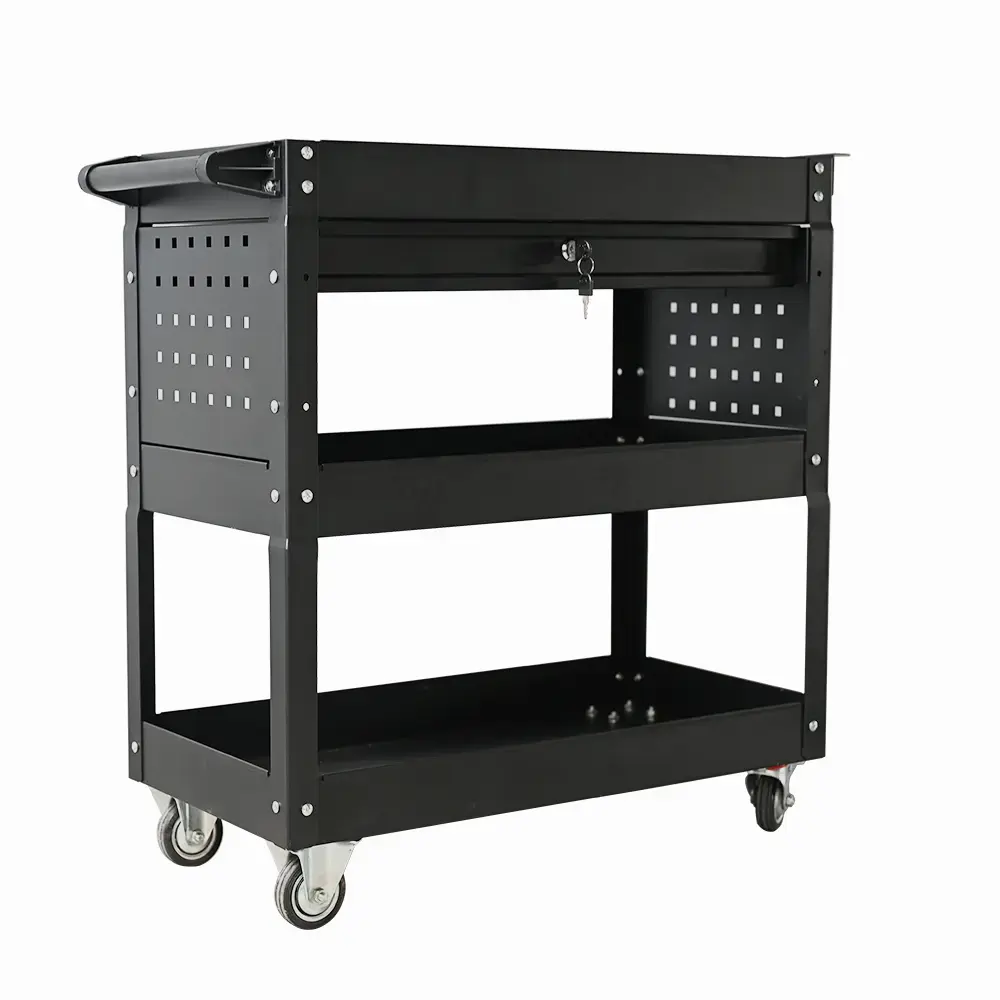
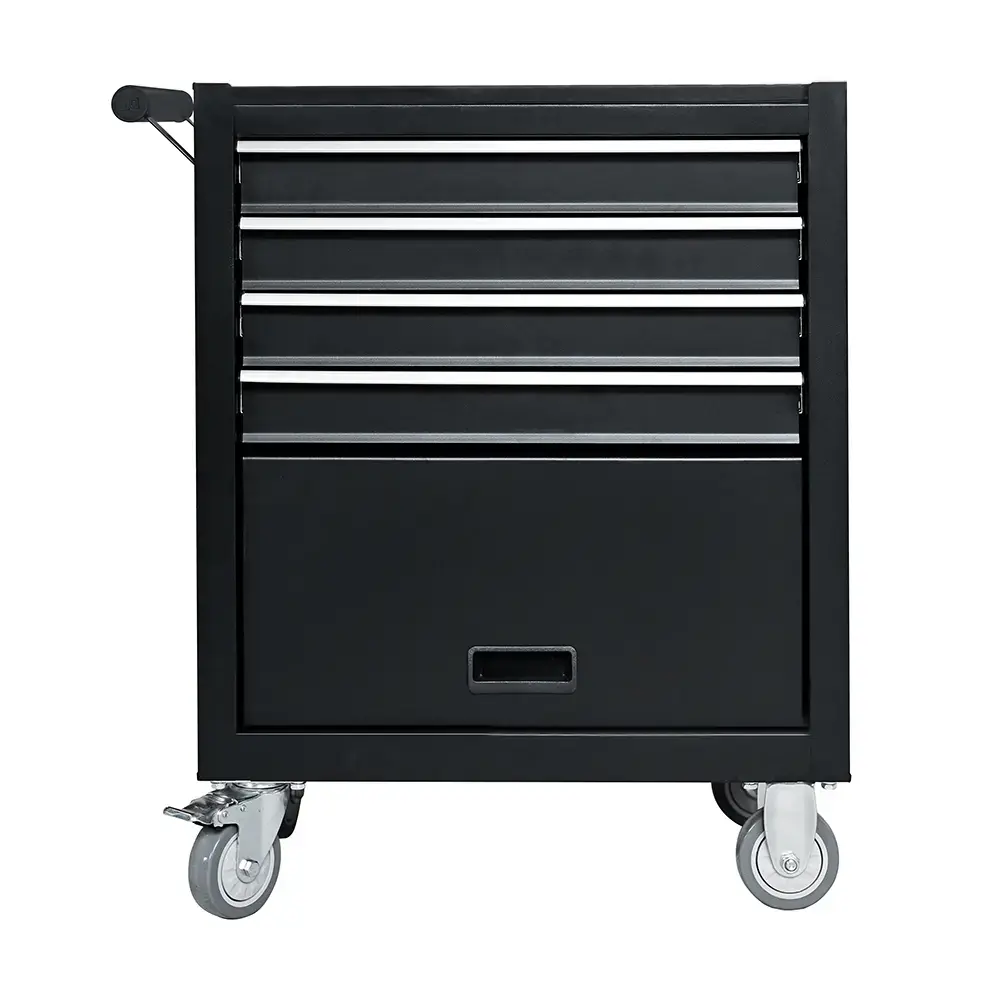
Then check what the slide actually is. Ball bearing slides run quietly and carry more, while roller slides are cheaper and noticeably noisier under load. A drawer that grinds and sticks when pulled hard is the single most common complaint workshop fit out buyers receive, and it is entirely determined by this component. Specify the slide brand or at least the bearing type in the purchase contract. Multi drawer configurations such as the 4 drawers interlocking utility rolling trolley should be quoted with the per drawer rating stated separately from the total cabinet capacity.
Cycle Testing: The Number Nobody Asks For
A workshop drawer is opened twenty to forty times a day. Over five years that is roughly thirty thousand cycles. Serious slide makers test to 50,000 cycles at rated load and some to 100,000. Untested generics often begin to develop play in the ball cage well before ten thousand. Ask the factory for a cycle test report, and if they cannot produce one, ask them to run one before you place the container. It takes a fortnight and it protects the whole programme.
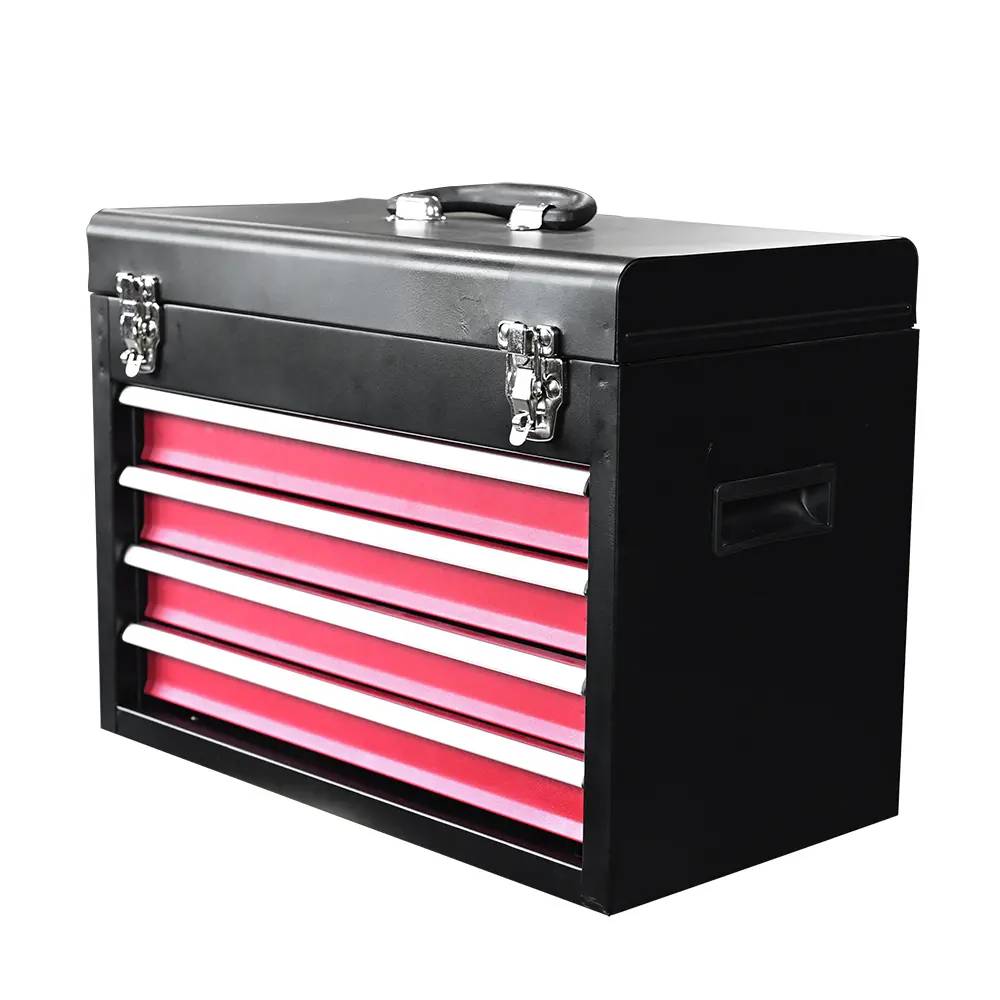
Pair that with the cabinet shell. Body steel gauge of 0.8 mm or thicker resists the racking that makes drawers bind, and a reinforced top and a welded rather than riveted frame keep the cabinet square once it is loaded and wheeled. Thin gauge steel is the hidden cause behind most slide failures, because the cabinet flexes and the slide never sits true. Where the unit is destined for a warehouse or storehouse, a heavy duty metal tool storage cabinet trolley with a thicker shell is the honest specification.
Castors, Locks and Finish: The Three Cheap Failure Points
Castors carry the entire loaded weight and are the first thing to fail on a roller cabinet. Check the wheel material, the bearing type and the per wheel rating, and insist that the total castor rating exceeds the maximum loaded cabinet weight by at least thirty per cent. Two locking castors on a four wheel cabinet is the minimum acceptable configuration. Cheap nylon wheels flat spot and crack on concrete, so polyurethane or rubber is worth the premium in any market with hard floors.
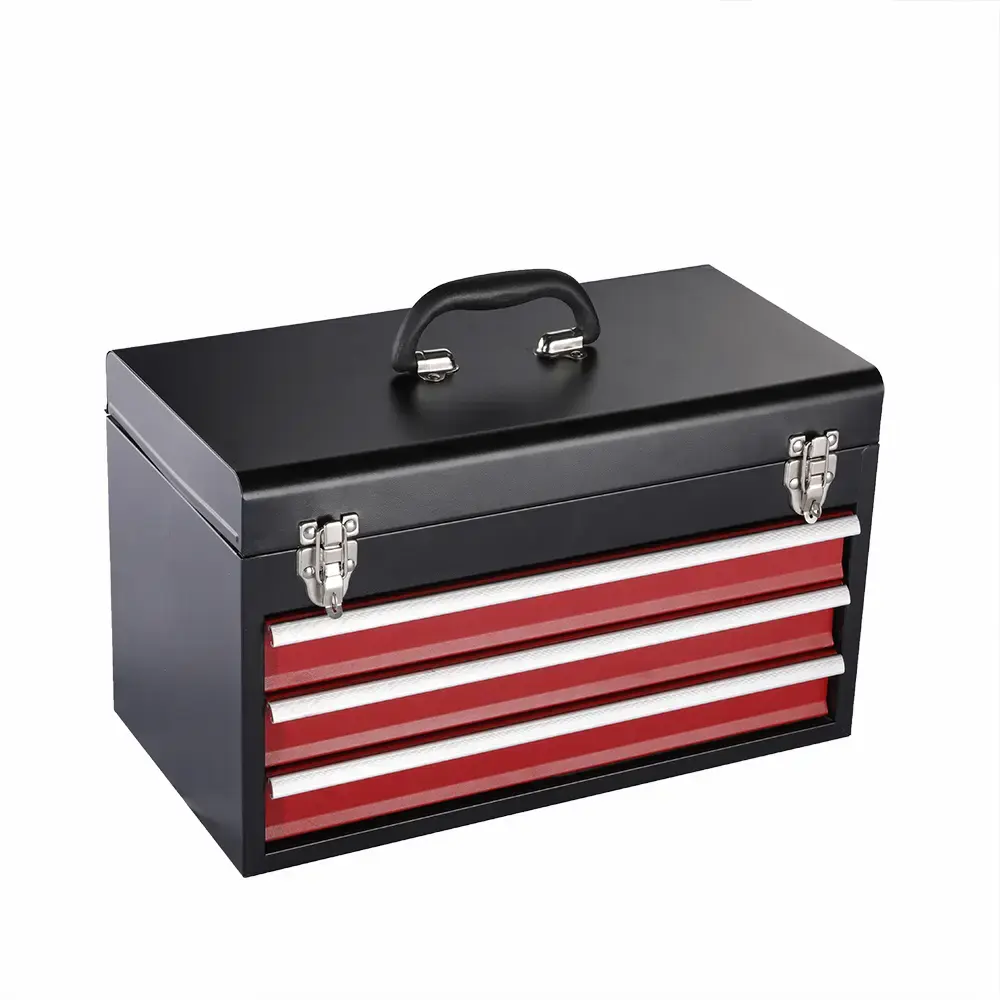
Locks matter more than buyers expect because a workshop cabinet is often shared. A central keyed lock that secures every drawer at once is the practical answer, and keyed alike across a fleet saves a maintenance manager considerable time. Ask whether replacement key sets and lock cylinders are stocked spares. For portable units taken off site, a multipurpose lockable toolbox with two drawers should carry a hasped locking point that accepts a padlock.
Finish is the last cheap failure point. Powder coat thickness of 60 to 80 microns is the working standard, and a salt spray test result of 240 hours or better is a reasonable ask for humid markets. Ask for the coating thickness gauge reading on a production sample, because a thin coat looks identical to a thick one in a photograph and rubs through at the drawer fronts within a season.

The Specification Checklist for Any Cabinet Enquiry
Send this with every request for quotation and the responses become genuinely comparable:
- Slide type, meaning ball bearing or roller, with the brand or grade named.
- Static, dynamic and full extension load ratings, stated per drawer in kilograms.
- Cycle test report at rated load, with the test standard and cycle count.
- Body and drawer steel gauge, plus whether the frame is welded or riveted.
- Castor wheel material, bearing type and per wheel rating, and the number of locking castors.
- Lock configuration, and whether spare cylinders and keys are stocked.
- Powder coat thickness in microns and the salt spray test hours.
Matching the Unit to the Job
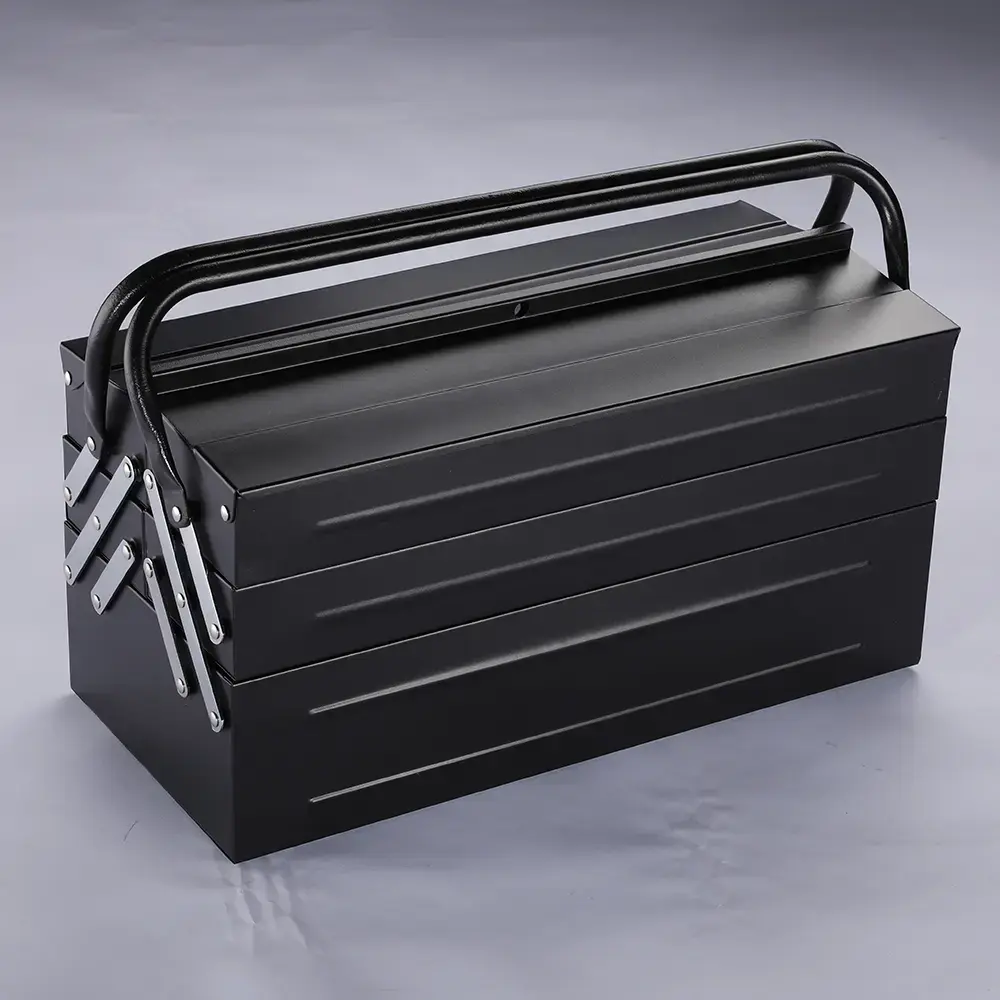
Not every buyer needs the same cabinet. A professional mechanic needs deep drawers on heavy slides; a site engineer needs a portable cantilever unit that opens into tiers; a workshop fit out needs a wall of matching cabinets. Getting the configuration right matters as much as the slide rating. A 3 tier 5 tray cantilever metal toolbox solves the portable Case and keeps a site engineer's whole kit in one carry.
For a fixed workshop, a comprehensive tool storage cabinet with matching upper and lower boxes gives a single consistent front across an entire wall. Quote the range, not one model, and let the buyer match the unit to the trade.

The Bottom Line
Roller cabinets do not fail at the drawer front, they fail at the slide. Demand static, dynamic and extension ratings, ask for a cycle test report, specify steel gauge, castor rating and coating thickness, and put all of it in the contract. Buyers who do this stop paying for returns in year two and they keep the workshop chain account long enough to sell the second container.