
Leave Your Message




The Pre-Shipment Check Sheet for Portable Metal Tool Boxes: What Importers Should Inspect Before Releasing Payment
The Container That Looked Fine Until It Was Unloaded
A tool distributor in Eastern Europe received a container of portable Metal Tool Boxes that had passed every photograph approval. On unloading, four pallets had collapsed corners, roughly one in nine units had a drawer that would not close without force, and the padlock hasps on two hundred units did not line up with the body. None of this was visible in a factory showroom with good lighting and a hand-picked sample, and by the time the damage was counted the balance payment had already been released. The dispute took four months and ended in a partial credit that did not cover the air freight of replacement parts for one key retail customer. A pre-shipment inspection is not an act of distrust. It is the only moment in the transaction when you still hold the money and can therefore enforce a standard.
Why Portable Boxes Fail Differently From Cabinets
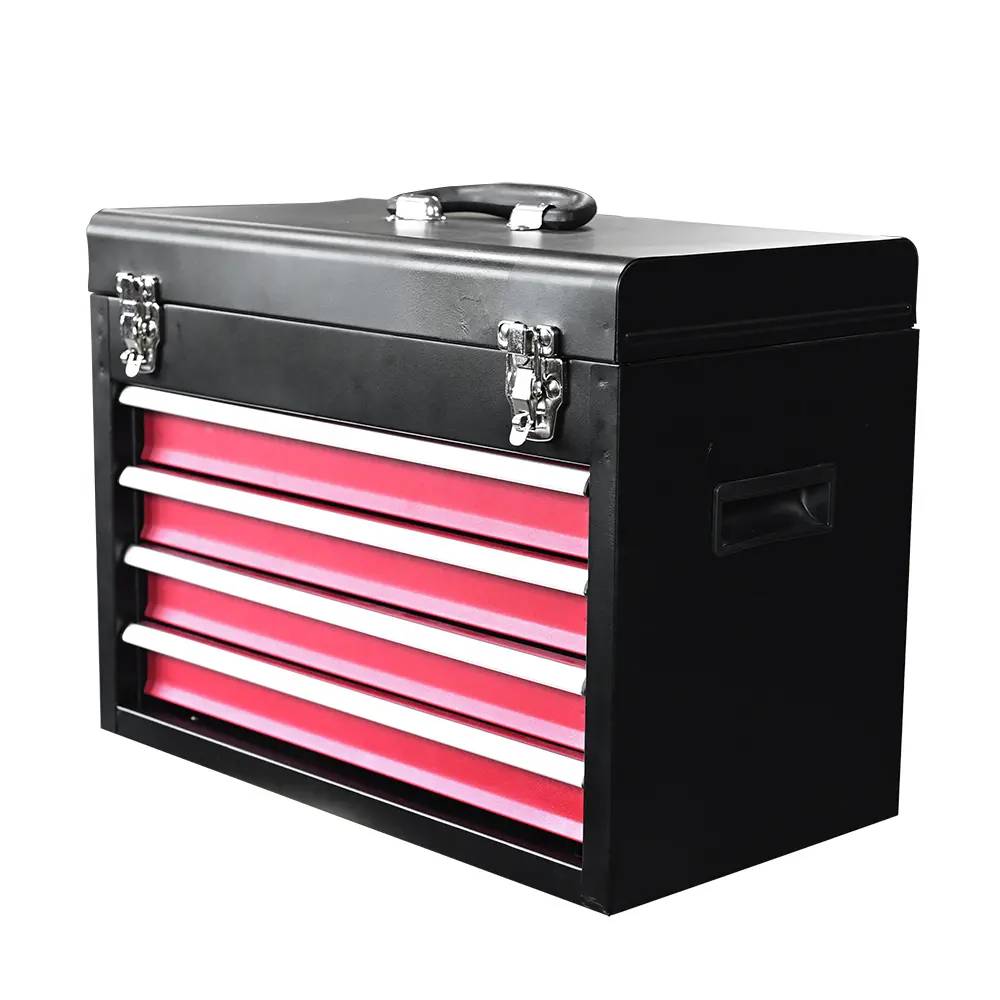
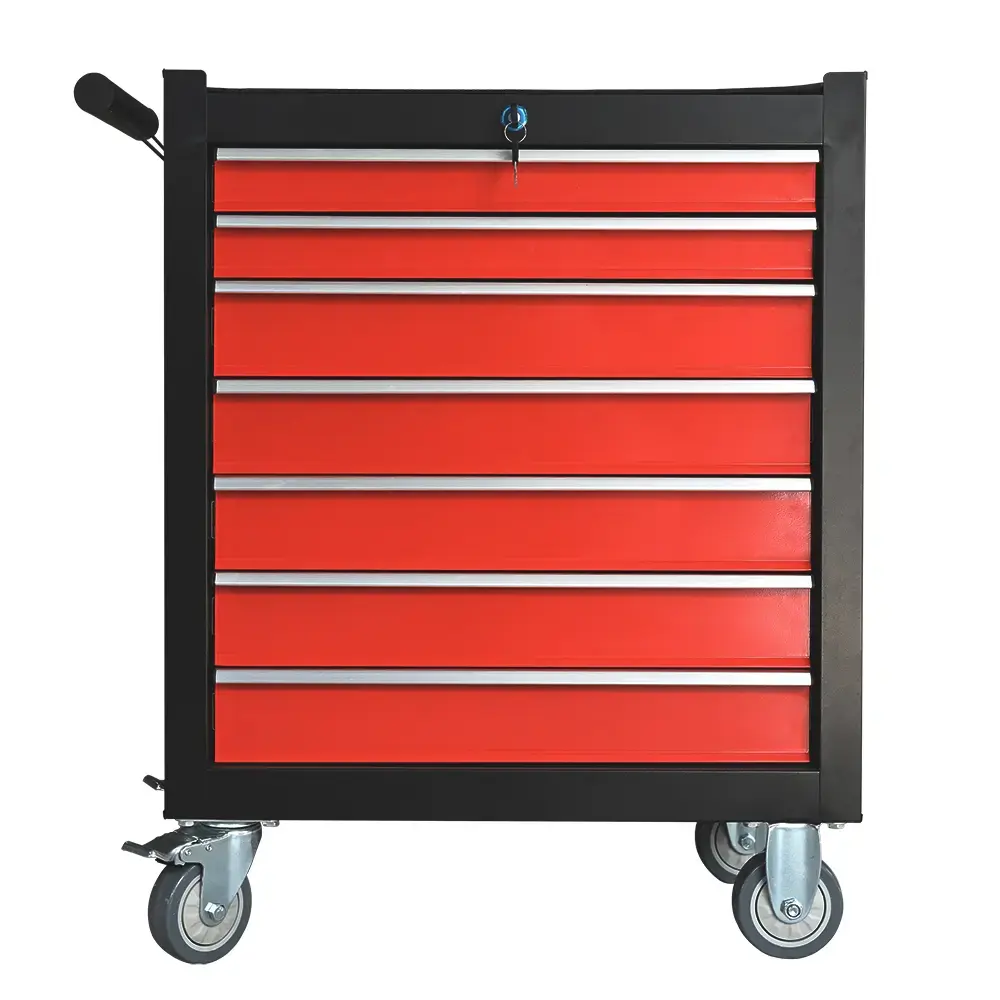
A Roller Cabinet sits in one place and is judged on drawers and stability. A portable metal box is carried, dropped into the back of a van, stacked, and slammed shut one-handed on a site. That duty cycle puts the failure points on the lid geometry, the handle rivets, the corner seams and the latch, not on the drawer slides. Build your check sheet around those four, and inspect them on units pulled from the middle of the production run rather than from the sample room. Ask the factory to hold production until your inspector has seen at least ten units from at least three different cartons.
Check One: Lid Geometry and Closure Under Load
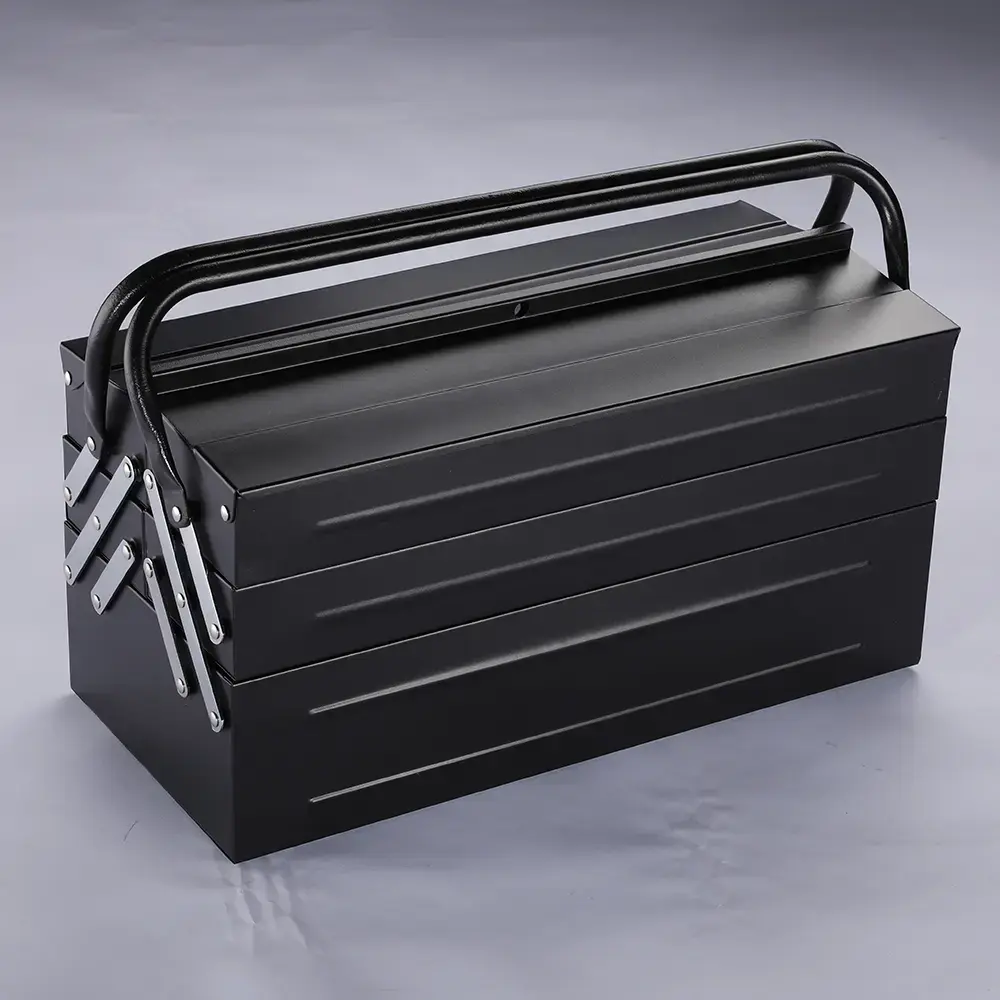
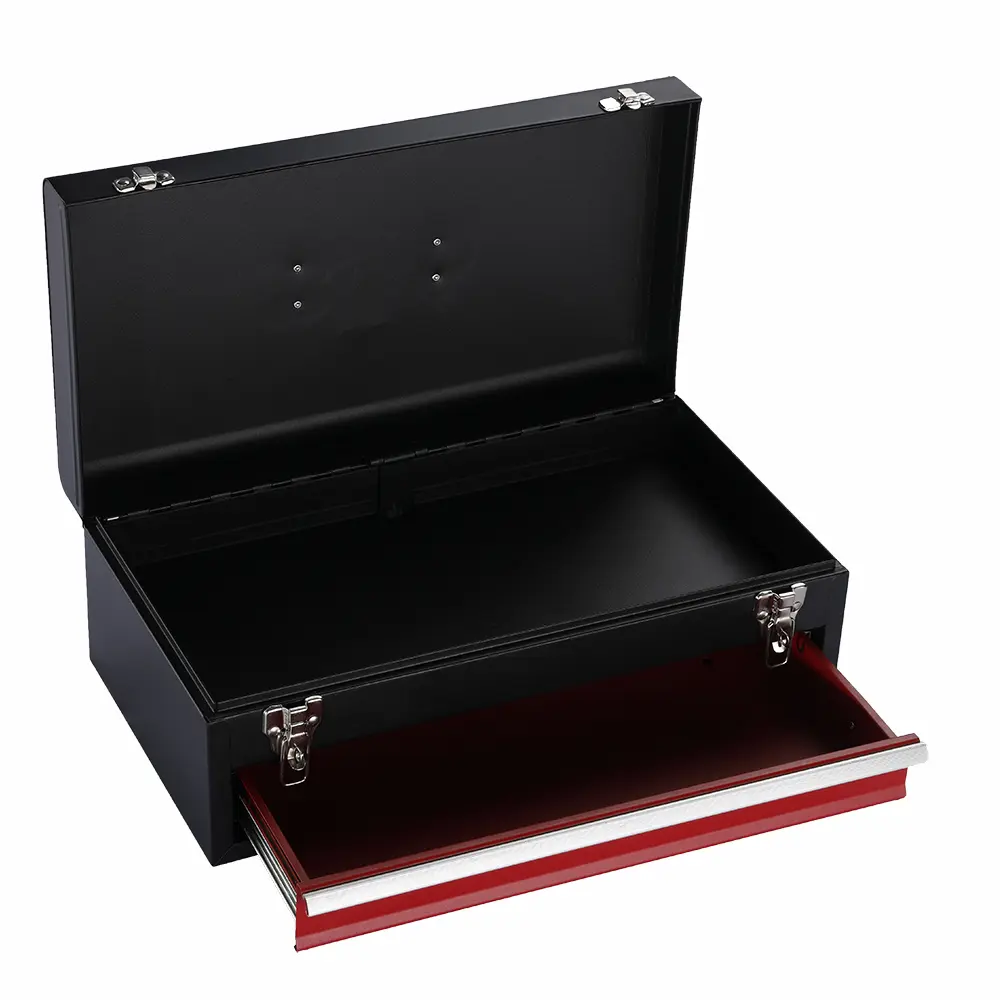
Close the lid, then press down on the centre of the lid and look along the seam. Any visible gap means the lid is being held by the latch rather than by the structure, and the latch will wear out in a season. Open and close the lid fifty times on at least three units and record the force required at the first cycle and at the fiftieth; a sharp change means the hinge is being deformed rather than rotating. On cantilever designs, extend the trays fully and check that the lid does not bind against the top tray. A lid that binds on a multi-tray cantilever box is the single most common complaint we see on portable units, and it is caused by tray stacking tolerance rather than by the hinge itself. A well-built multi-tier unit such as the 3 tier 5 tray lockable multi function cantilever metal toolbox should open and close with the same effort when empty and when loaded to its rated weight.
Check Two: Rivets, Seams and Corner Strength
Look at every rivet on the handle and hinge. Run a fingernail around the rivet head; if it catches, the rivet was not fully set, and a handle rivet that pulls loose on a loaded box is the classic site injury. Then turn the box upside down with the lid closed and shake it gently; anything rattling inside the seam is a spot weld that has already failed. Finally, drop-test one sacrificial unit from knee height onto a concrete floor and inspect the corners. You are not trying to destroy the box, you are checking that the corner deforms rather than splits, because a deformed corner is cosmetic and a split corner means water ingress and rust within a month. Reinforced corner construction matters most on boxes intended for outdoor and site use, which is exactly the duty a unit like the multipurpose lockable outdoor toolbox with two drawers is sold into.

Check Three: Locking Hardware and Key Fit
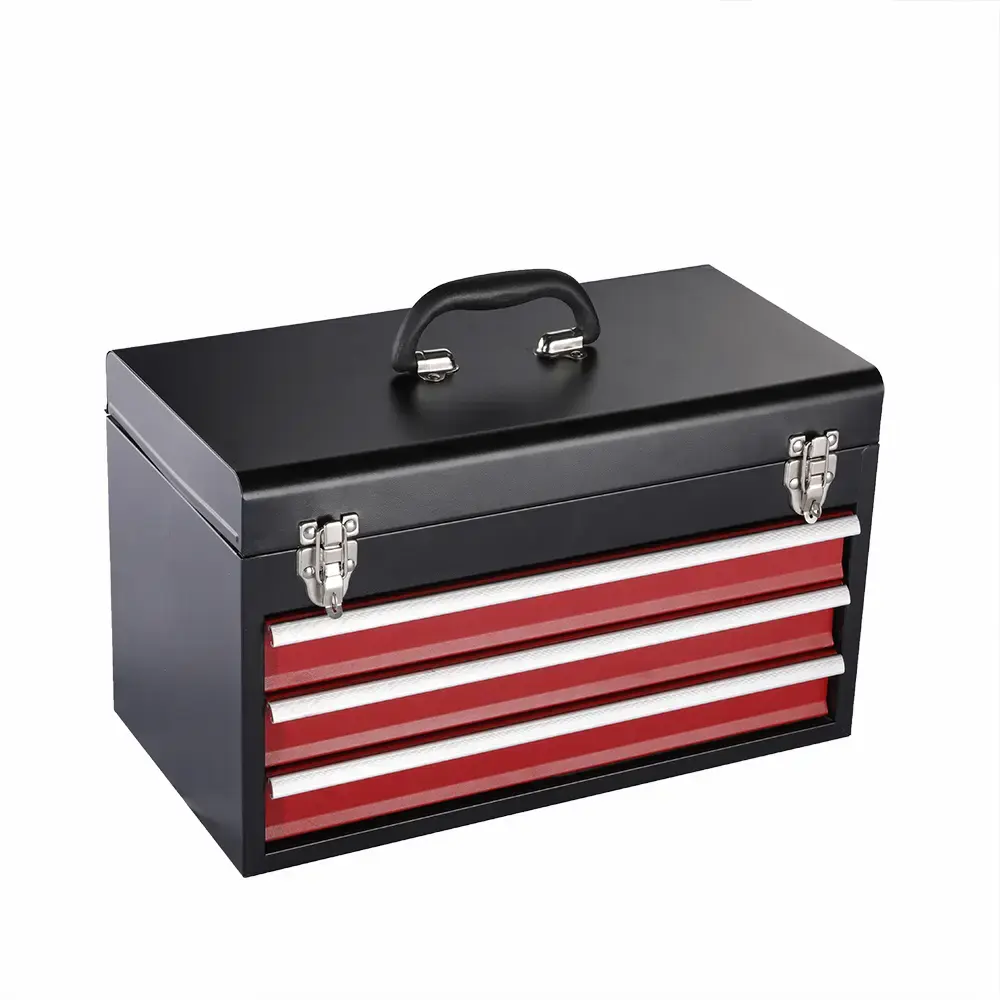
Every lockable unit in the container must open with its own key, and that sounds obvious until you find the batch where one key opens eleven boxes. Test two keys per lock, confirm the key turns through the full ninety degrees without binding, and check that the hasp and the body hole are concentric when the lid is closed. If you are running a keyed-alike programme, verify the key code on the lock body matches the packing list, not just the carton label. For retail customers, a mismatched key is a return with a shipping cost attached, and returns on small metal goods are almost never worth repatriating. Lockable portable storage sells on the promise that tools can be left in a van overnight, so treat the lock as a functional component and test it properly, as you would on a unit like the portable metal tool box with drawer and lock.
Check Four: Coating, Edges and Packaging
Run a hand along every edge a customer will touch, including the inside of the lid and the underside of the handle. A sharp burr on a lid edge is a cut, and a cut is a product liability claim, not a quality complaint. Then check coating coverage in the corners and inside the drawers with a simple cross-hatch tape test on one unit per pallet. Packaging deserves its own line: cartons should be double-wall, pallets should be strapped and corner-boarded, and the stack height should not exceed what the bottom carton can carry in a humid container. Moisture is the enemy here, and a single damp carton at the bottom of a stack will rust an entire column of boxes before arrival.

Check Five: Documentation and Marking
Before releasing payment, confirm the shipping marks, the barcode placement, the country-of-origin marking, the warning labels and the instruction sheet language match what your market requires. A container that arrives with the wrong language on the label cannot be listed by a major retail account, and relabelling at destination costs more per unit than the whole inspection. Where the range includes tiered cantilever designs that ship with internal trays, verify the tray count against the specification, because a missing tray is invisible until the customer opens the box. Units such as the 3 tier lockable cantilever tool storage with drawers and handles should be checked tray by tray against the packing list.
Turn the Sheet Into a Contract Clause
The value of a check sheet is not the inspection, it is that it has been agreed in advance. Attach the sheet to the purchase order with defined acceptance limits and a stated remedy, whether that is rework at the factory's cost, a credit against the next order, or a replacement shipment. Suppliers who know the standard produce to it. Suppliers who are told afterwards will argue that your expectations were never part of the price.
