
Leave Your Message




Keys, Locks and Keyed-Alike Programmes: Getting Tool Cabinet Security Right for Workshops and Van Fleets
Forty Cabinets, Forty Keys, One Lost Morning
A workshop fit-out buyer took delivery of a container of Roller Cabinets for a new service centre, and every single unit arrived with a different key. By the second week the workshop had a board of forty numbered keys, the supervisor was spending the first fifteen minutes of every shift handing them out, and one lost key meant a cabinet was opened with a drill rather than a key. The cabinets were excellent. The problem was that locking had been treated as a standard feature rather than as a specification, and the buyer had never told the factory that the whole installation needed to run on one key. Tool Storage security is decided at the enquiry stage, and it is almost impossible to fix economically afterwards.
Three Keying Schemes and What Each One Costs You
There are only three practical answers, and each suits a different operation. Keyed to differ means every cabinet has its own key, which is the default and the cheapest; keyed alike means every cabinet in a group opens with the same key; and a master keyed system means each cabinet has its own key while a supervisor holds one key that opens all of them. Keyed alike costs a little more and requires the factory to hold and manage a key code. Master keying costs more again and needs a proper key register. Decide which of the three matches how the workshop actually runs before you place the order, because retrofitting a keyed-alike programme means replacing cylinders across the whole installation.
Keyed Alike Is Not Always the Right Answer
Keyed alike sounds like the obvious improvement and sometimes it is the wrong one. In a workshop with shift handover and shared responsibility, one key for everything means that when a tool goes missing there is no way to know whose cabinet was opened, and the argument that follows does more damage than the lost tool. In a single-owner van it is exactly right. The sensible pattern for most service centres is keyed alike within a team or bay, keyed to differ between bays, with a master key held by the supervisor. That gives accountability where you need it and convenience where you need it, and it is a specification the factory can build to if you ask at order time.
Specify the Cylinder, Not Just the Lock
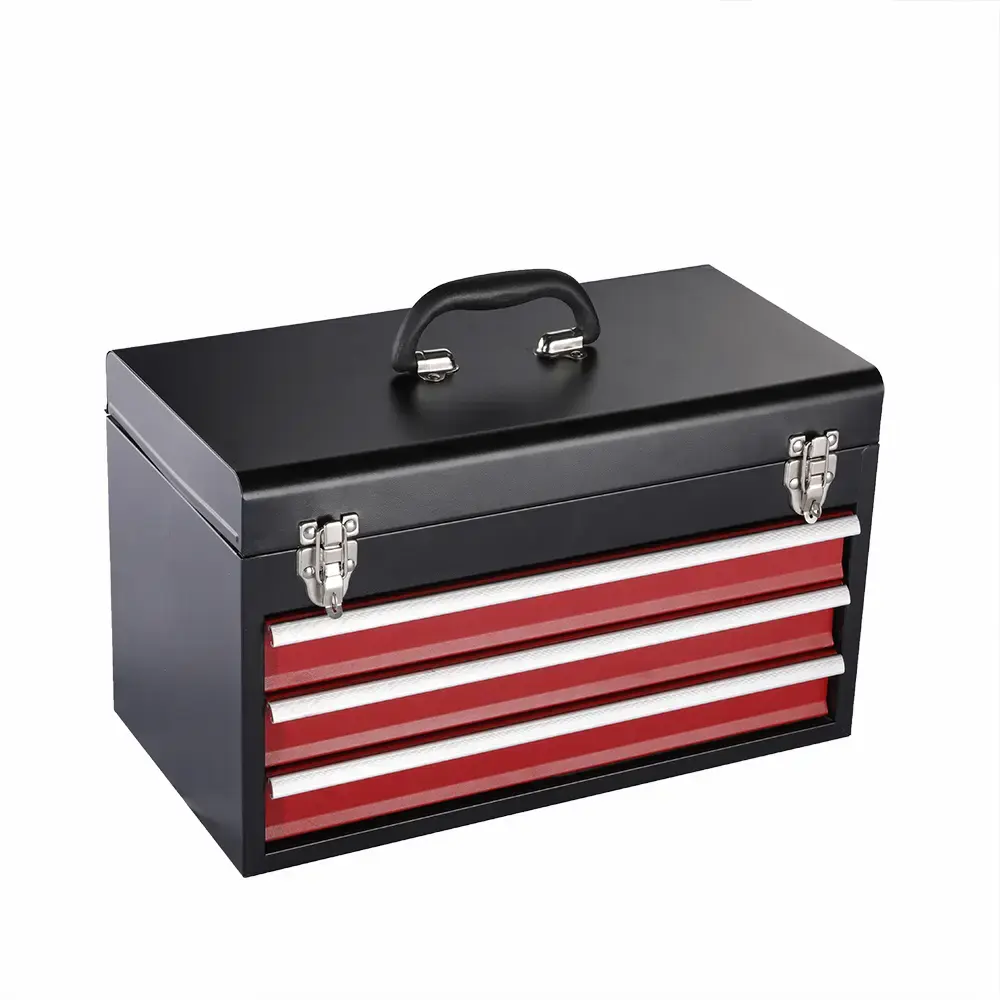
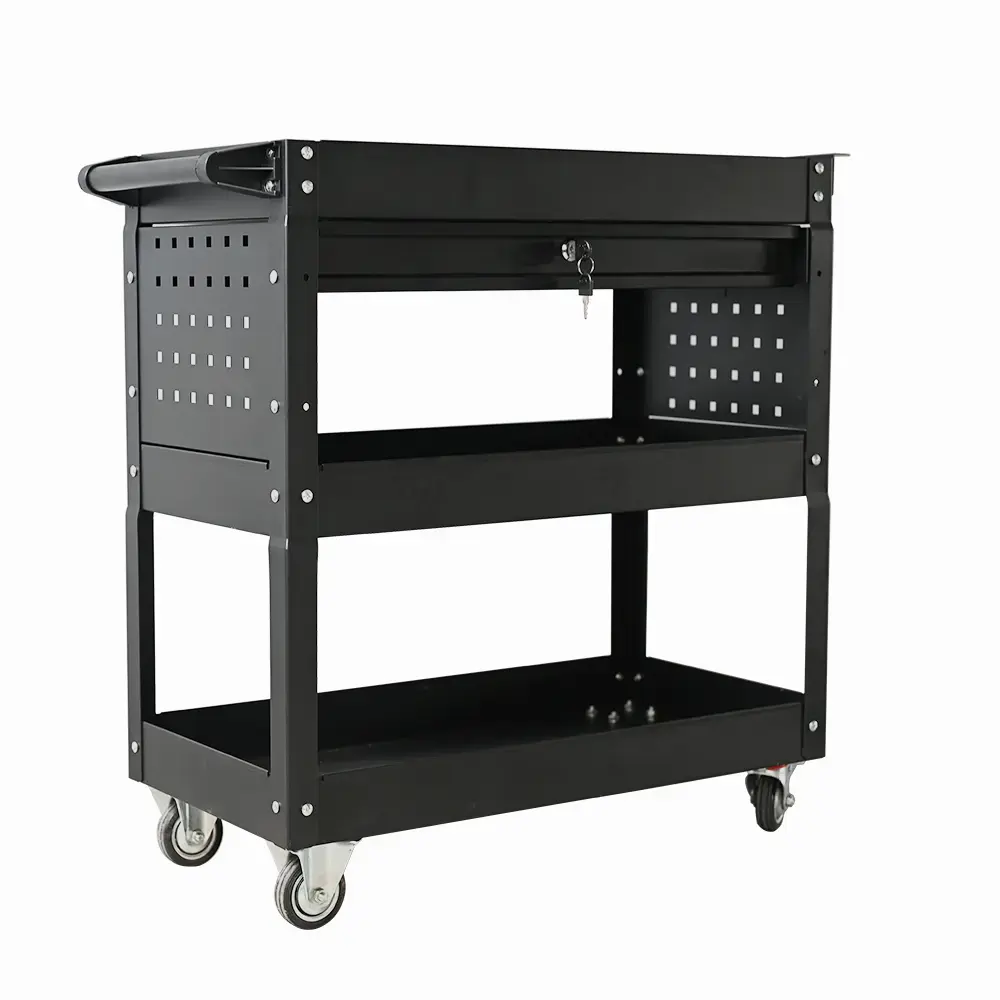
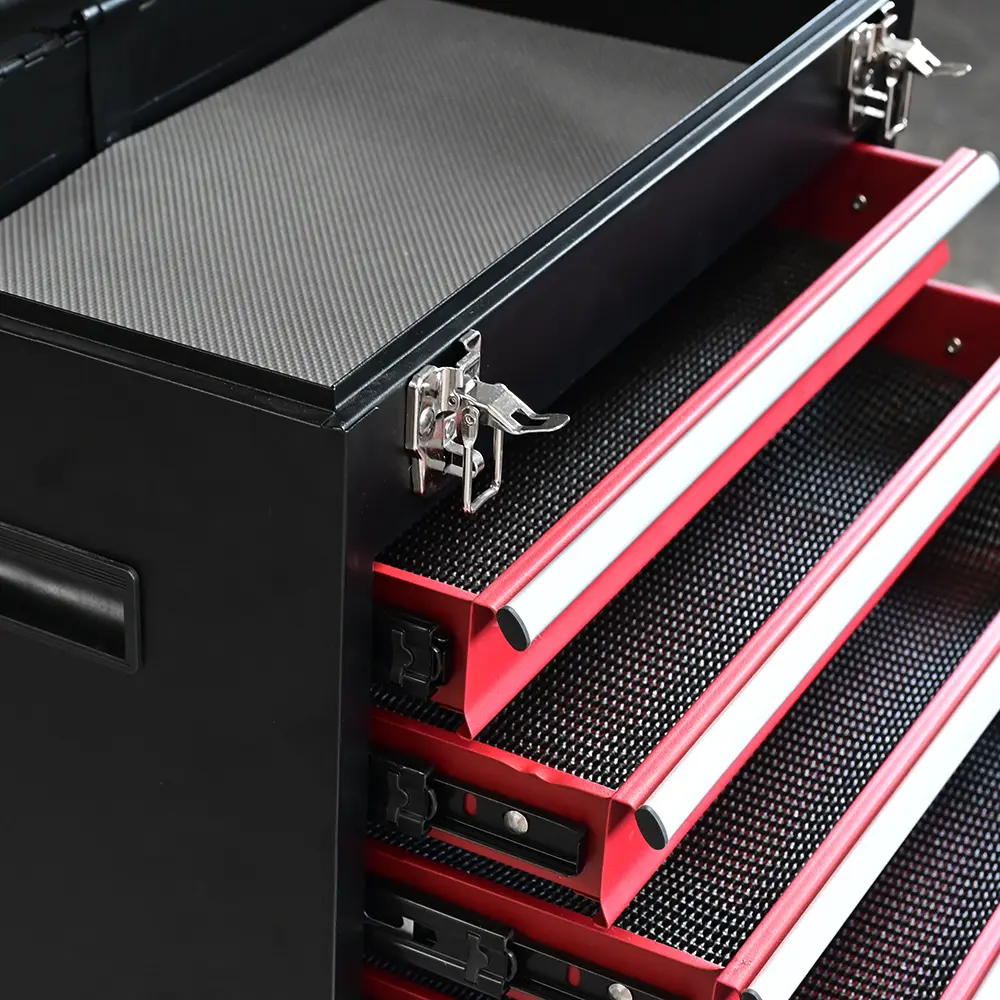
"Fitted with a lock" tells you nothing useful. What matters is the cylinder type, the number of key combinations, whether keys are restricted, and whether blanks are available locally. A heavy duty metal tool storage cabinet trolley built for storehouse and garage use will typically carry a cam lock on the drawers and a separate lock on the top lid, and those two should be on the same key code. Ask how many unique key combinations the cylinder offers: a wafer lock with a few dozen combinations will produce duplicate keys across a large fleet by accident, which quietly defeats the whole point.
Drawer Latching and the Moving Vehicle Problem
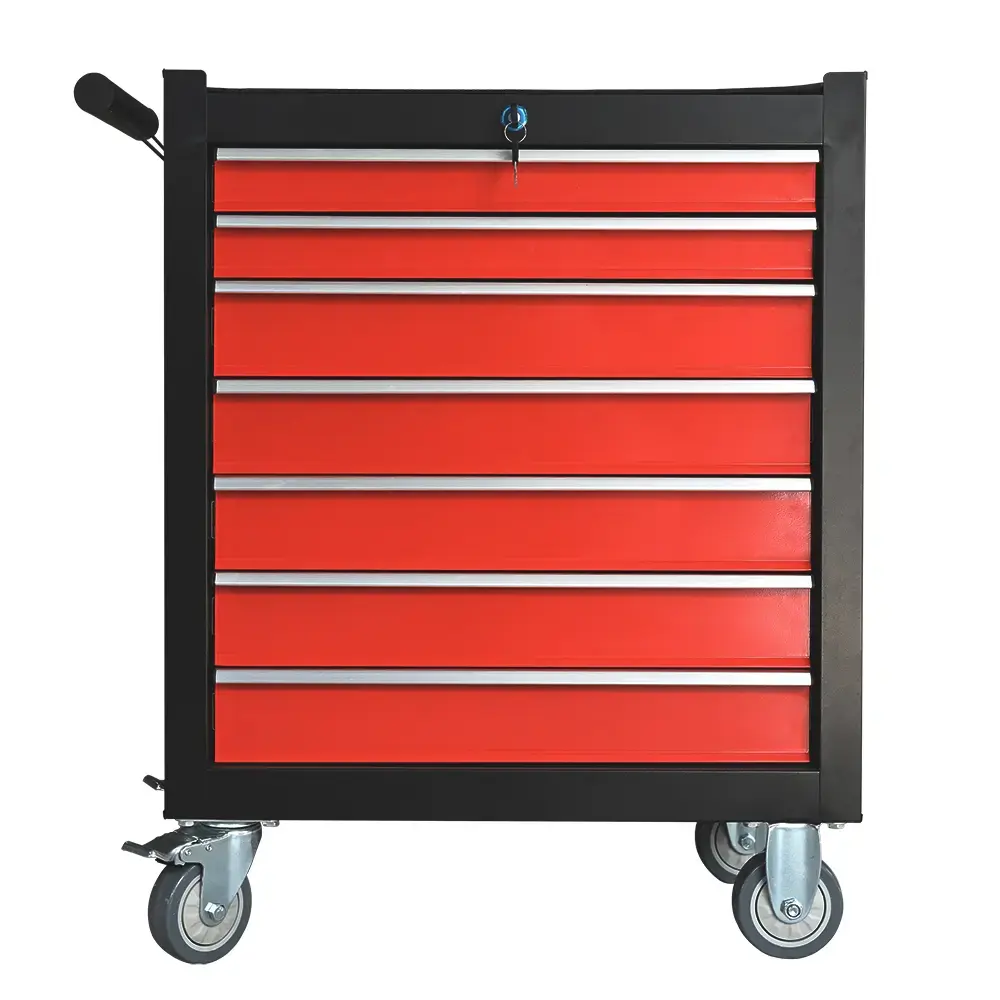
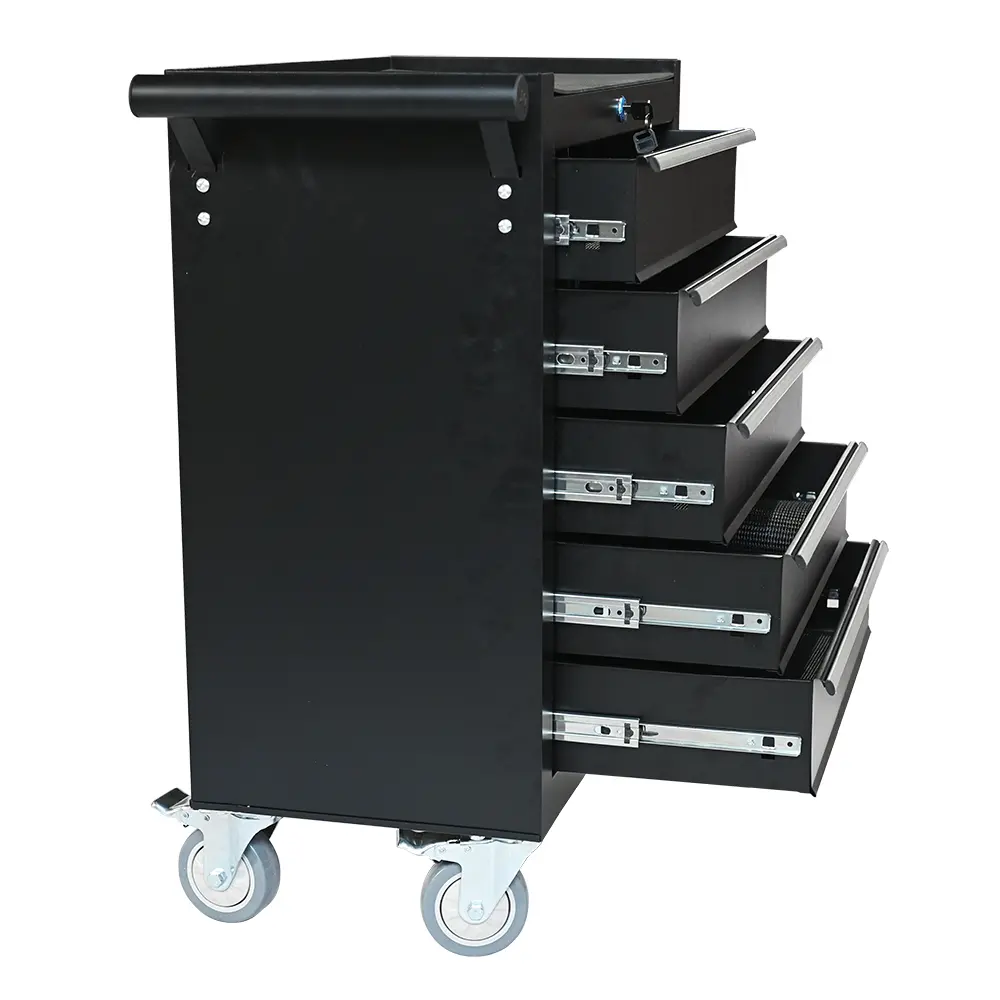
Security on a static cabinet is about theft. Security on a mobile cabinet is also about the drawers opening in transit. A large roller storage interlocking tool cabinet trolley with seven drawers needs a central locking system that latches every drawer at once, not a per-drawer catch the driver has to remember. A van that brakes hard with unlatched drawers is a genuine injury risk as well as a security one, and this is the failure mode that insurance assessors ask about after an incident. Specify a single-point central lock with a visual or audible confirmation that all drawers are seated, and make it part of the driver's daily checklist.
Plan the Key Register With the Order
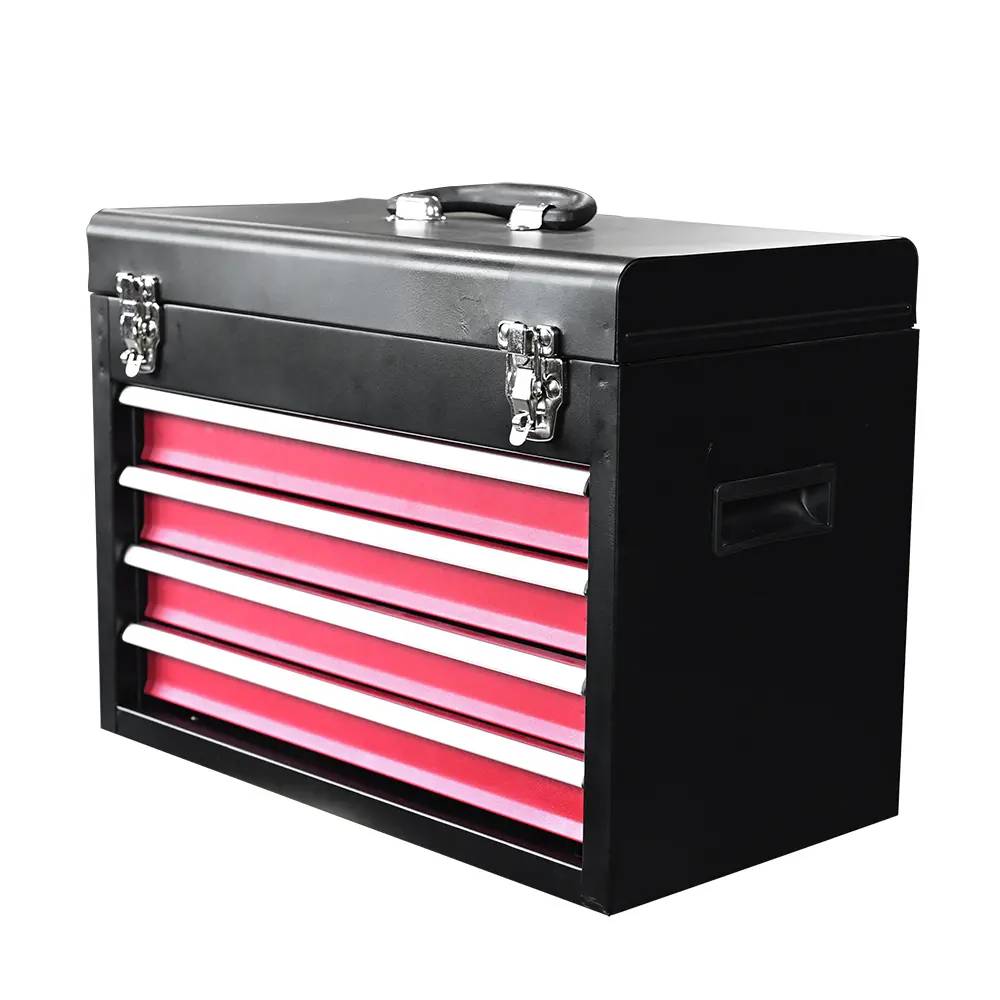
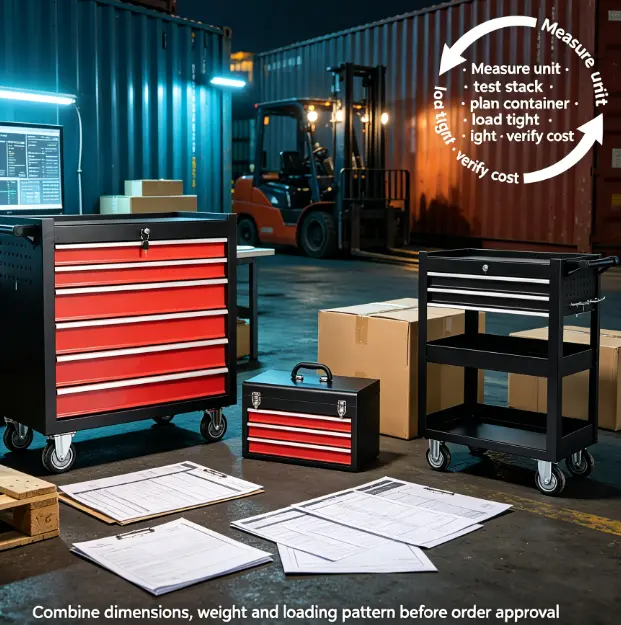
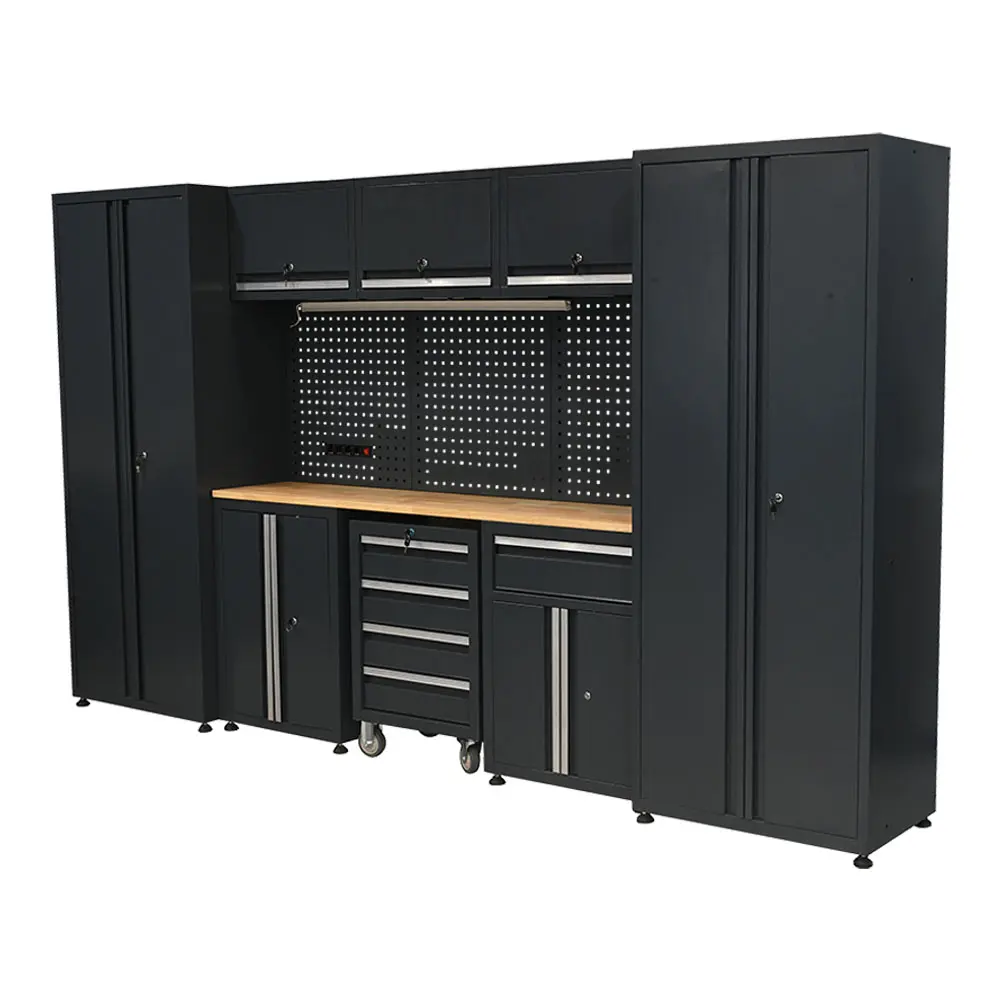
The administrative side is where most programmes degrade. A comprehensive tool storage cabinet with matching upper and lower toolboxes may have three separate lockable compartments, each of which needs its key recorded. Ask the factory to supply a key schedule with the shipment: cabinet serial number, key code, number of keys supplied, and which group each unit belongs to. Without that sheet, a keyed-alike programme cannot be extended next year, because nobody will know which code to reorder, and the fleet drifts back to mismatch. Keep the register in two places and record every key issued to a named person.
Spare Keys, Lost Keys and the Reorder Path
Order spare keys and blanks with the container, not after someone loses one. A multi-function rolling tool cabinet trolley with five drawers for garage storage is a typical fleet unit where ten percent spare keys is a sensible allowance. Specify the number of keys per cabinet at order time, usually two, and add a separate line for a pool of spares held by the maintenance department. Finally, agree a reorder path for replacement cylinders: record the key code and the cylinder part number in your own system, because a cabinet that cannot be rekeyed after a key loss becomes a cabinet that gets forced open. Ten minutes of specification prevents that entirely.