Leave Your Message




Retail-Ready or Rejected: The Packaging and Labelling File Tool Storage Importers Must Ship With Every Container
The Container That Passed Every Inspection and Still Cost a Fortune
A tool distributor landed a national hardware chain listing and shipped two containers of Roller Cabinets to the chain's distribution centre. The goods were undamaged, the finish was correct and the drawer slides worked perfectly. Three weeks later he received a compliance invoice larger than his gross margin on the entire shipment. The cartons carried no scannable GTIN, the assembly leaflet was English only, the pallet pattern did not match the chain's approved configuration, and four units arrived with corner crush damage that made them unsellable as new. The buyer did not dispute the quality of the Tool Storage at all. He was charged for non-compliance. In chain retail, packaging is not packaging, it is a condition of being allowed to sell, and it is checked by people who never look at the product.
The Chargeback Economy Nobody Budgets For
Most importers price freight, duty and handling and stop there. Chain retailers operate a separate cost system built on chargebacks: a fee per carton for relabelling at the distribution centre, a fee per pallet for re-stacking, a fee per unit for missing documentation, and sometimes a flat penalty for a missed delivery window. These charges are deducted from your payment rather than invoiced, so they rarely appear in your cost model until the first settlement statement arrives and the margin has already evaporated. Before quoting a chain programme, ask for the supplier compliance manual and price the penalties into the unit cost.
Barcodes: Four Decisions That Must Happen Before Printing
Barcode errors are the most common reason a first delivery is held at the gate. You need to decide whether the identifier goes on the unit or only on the carton, who owns the number, whether the same SKU carries different numbers in different countries, and where the label physically sits on the box. A barcode printed across a fold line, placed under a handling arrow, or printed small enough to fail a scan test at the distribution centre is functionally the same as no barcode at all. Have your factory produce a printed proof, then scan it with a real handheld scanner at arm's length rather than approving it on screen.
Carton Strength Is a Number, Not a Feeling
Tool cabinets and loaded roller trolleys are heavy, dense and unforgiving on cartons. The board grade, flute type and edge crush rating specified at the quotation stage decide whether units arrive square or arrive scuffed. Specify board grade and edge crush in writing, and require a drop test on the first production carton rather than trusting a sample that was packed by hand in the factory showroom. Moisture matters just as much: cartons that travel through a humid transit and then sit in a cold warehouse lose a large share of their stacking strength, and stacked pallets fail from the bottom carton upwards.
Pallet Pattern and Store-Ready Presentation
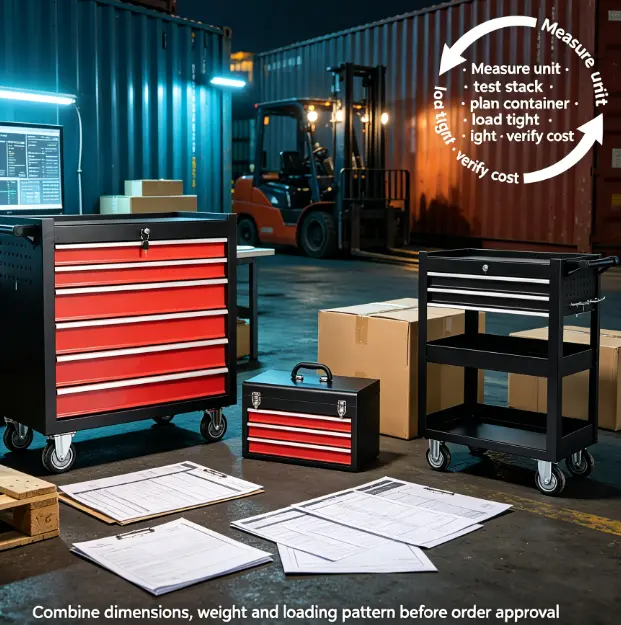
Chains specify pallet height, overhang, wrap and interlock because their handling equipment and shelf replenishment process depend on it. An over-tall pallet will not clear a rack; an under-filled one wastes the freight you already paid for. Ask for the approved pallet diagram and build a real pallet to it before the container is booked, because adjusting a pallet pattern at the destination is the most expensive possible place to discover the problem. If the programme is store-ready, meaning units go straight to the sales floor, then carton artwork orientation and perforated tear-open panels matter as much as the artwork itself.

Instructions, Language Sets and the Phone Number on the Box
Assembly documentation is treated as part of the product by regulators and as part of the listing by retailers. A missing language, an incomplete parts list or an absent contact address can trigger both a compliance issue and a customer service cost you pay for through returns. Returned tool storage is brutally expensive to handle because it is bulky, heavy and rarely resaleable once assembled, so every unclear instruction step converts directly into a write-off. Require the factory to supply a signed copy of the instruction artwork with the pre-production sample, and count the fasteners in the bag against the parts list in the drawing.
What Goes on the Box Decides What Happens on the Return Desk
Claims printed on packaging create expectations that the product then has to meet. Weight capacities, drawer counts and dimensions stated on a carton are read as promises by consumers and by consumer protection authorities. Check every printed number against the engineering drawing, because a capacity figure rounded up by marketing becomes the reference point in a complaint and the retailer will side with the customer. This matters most for modular ranges where the printed image shows more units than the carton contains, a mistake that generates accusation rather than disappointment.
Match the Presentation Format to the Product Class
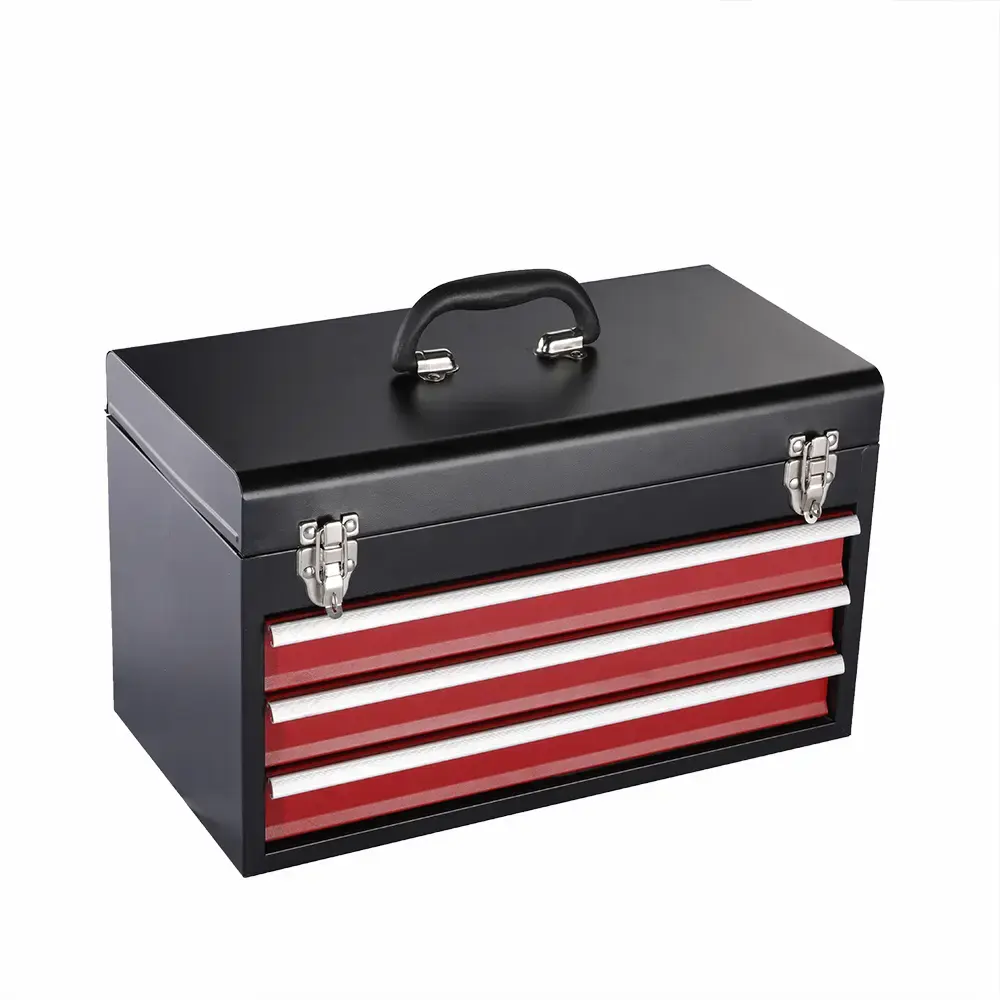
Not every item in a range should be packed the same way. Small portable boxes can ship in shelf-ready cartons with retail artwork, while full-size roller cabinets usually ship in heavy export cartons and are moved by pallet truck rather than lifted to a shelf. Decide the format per product family at the quotation stage, because changing a carton specification after tooling and artwork are locked costs more than the packaging itself. For compact lines such as this multipurpose lockable outdoor toolbox with two drawers, retail artwork on the carton is usually worth the extra cost.

Three Formats That Are Commonly Mixed Up
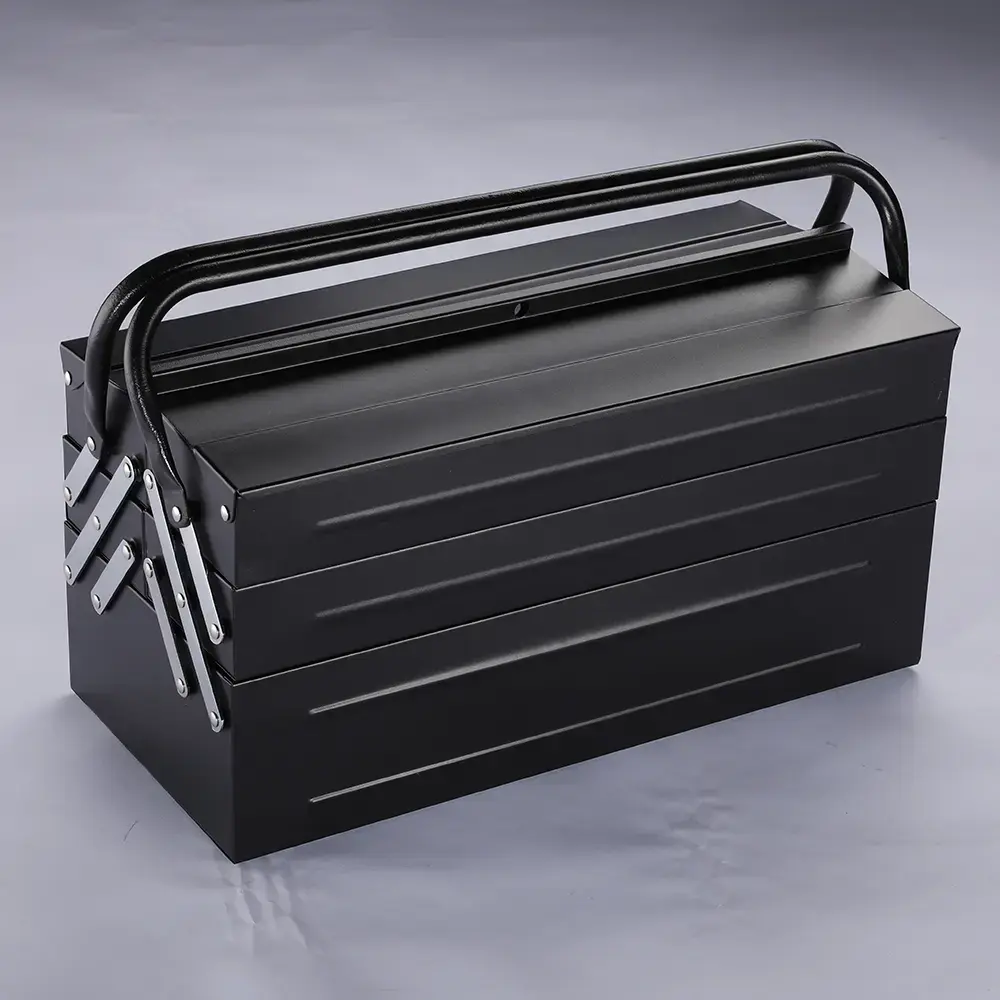
Cantilever boxes, roller cabinets and rolling trolleys each have their own packaging logic, and confusing them is a common source of damage claims. A multi-tray cantilever box has moving parts that can open in transit and needs internal restraint rather than just a stronger carton. Specify internal strapping or a retaining clip for anything with hinged trays, or the carton will arrive looking like it was opened by the customer. That requirement is easy to overlook on items like this three tier cantilever metal toolbox, where the trays are part of the appeal.
Heavy Units Need Corner Protection and a Clear Up-Arrow
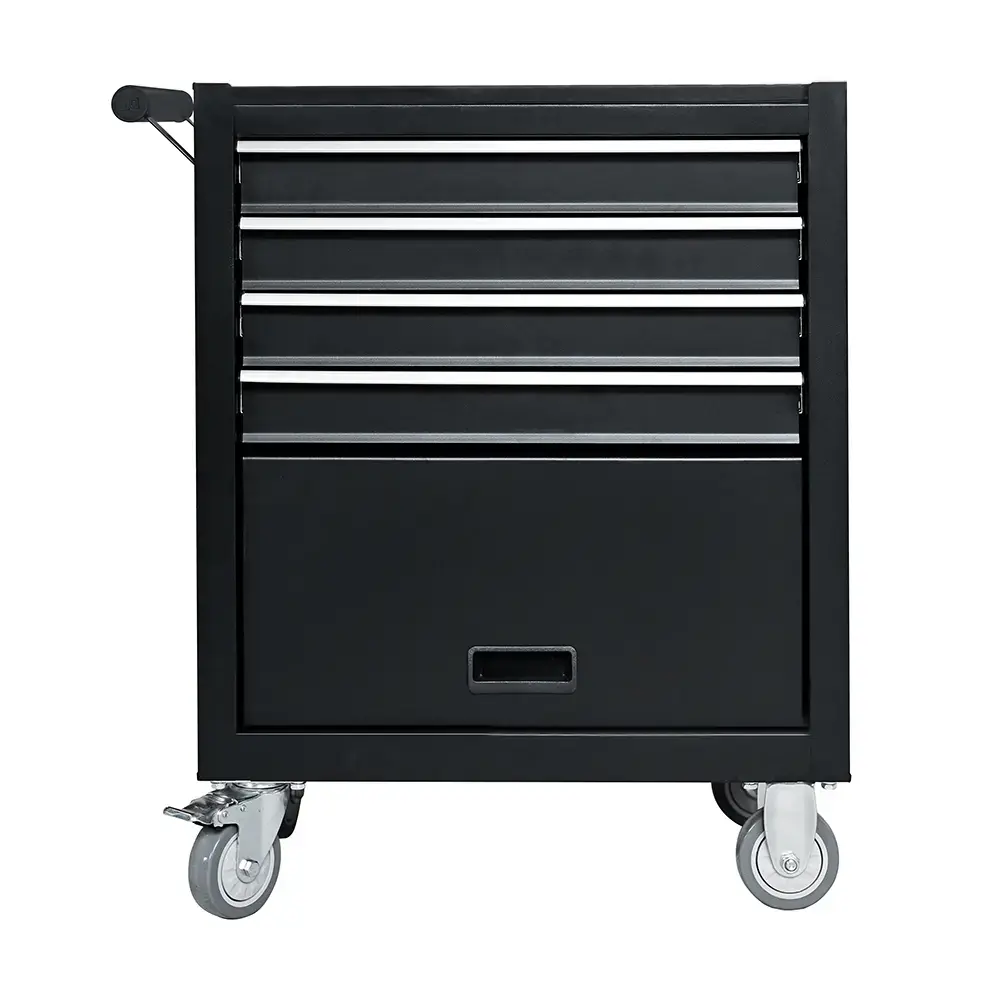
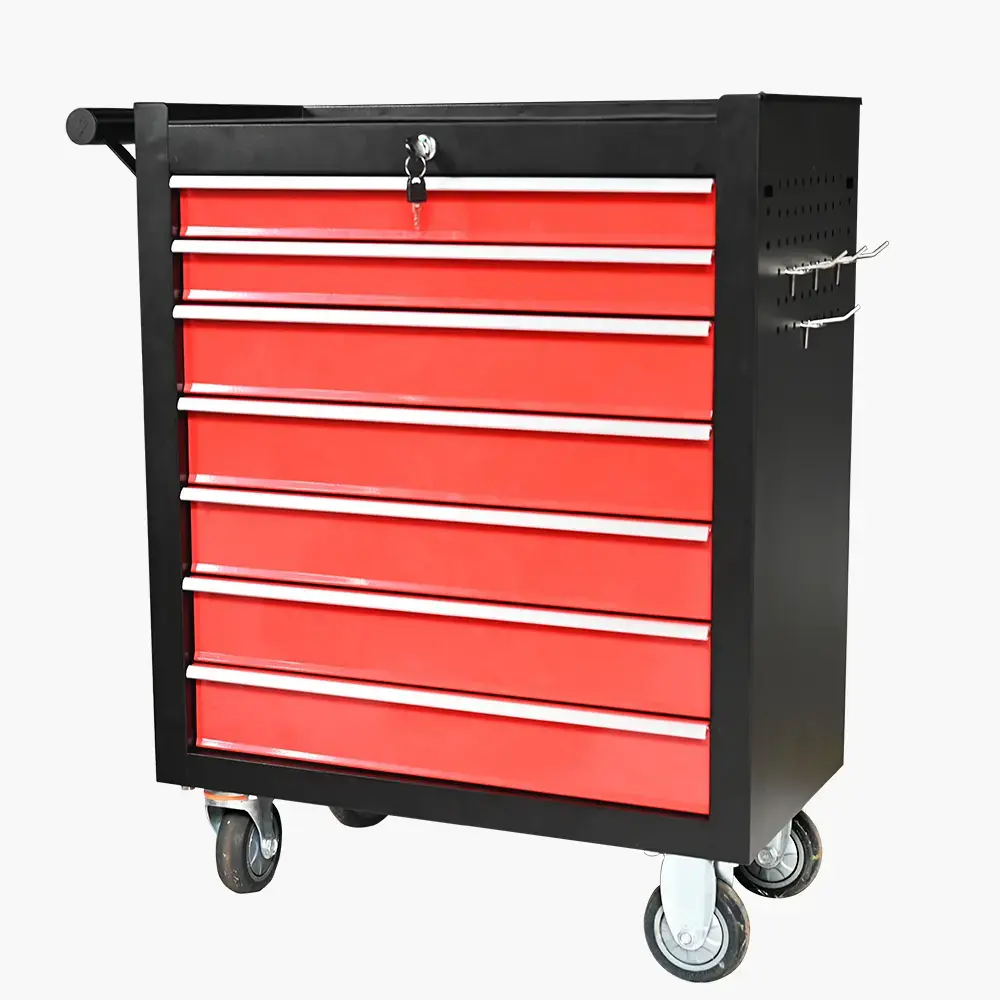
Large cabinets concentrate weight at the corners, and a single mishandled pallet can deform the bottom of an otherwise perfect unit. Corner protection, a base pallet or skid, and unambiguous orientation markings on all four faces are cheap insurance compared with a rejected delivery. Ask for photographs of the first fully packed pallet before the container is loaded, because that single step catches most packaging errors while they can still be corrected. This applies with equal force to heavy units such as this heavy duty metal tool storage cabinet trolley, where the loaded weight sits on four small feet.
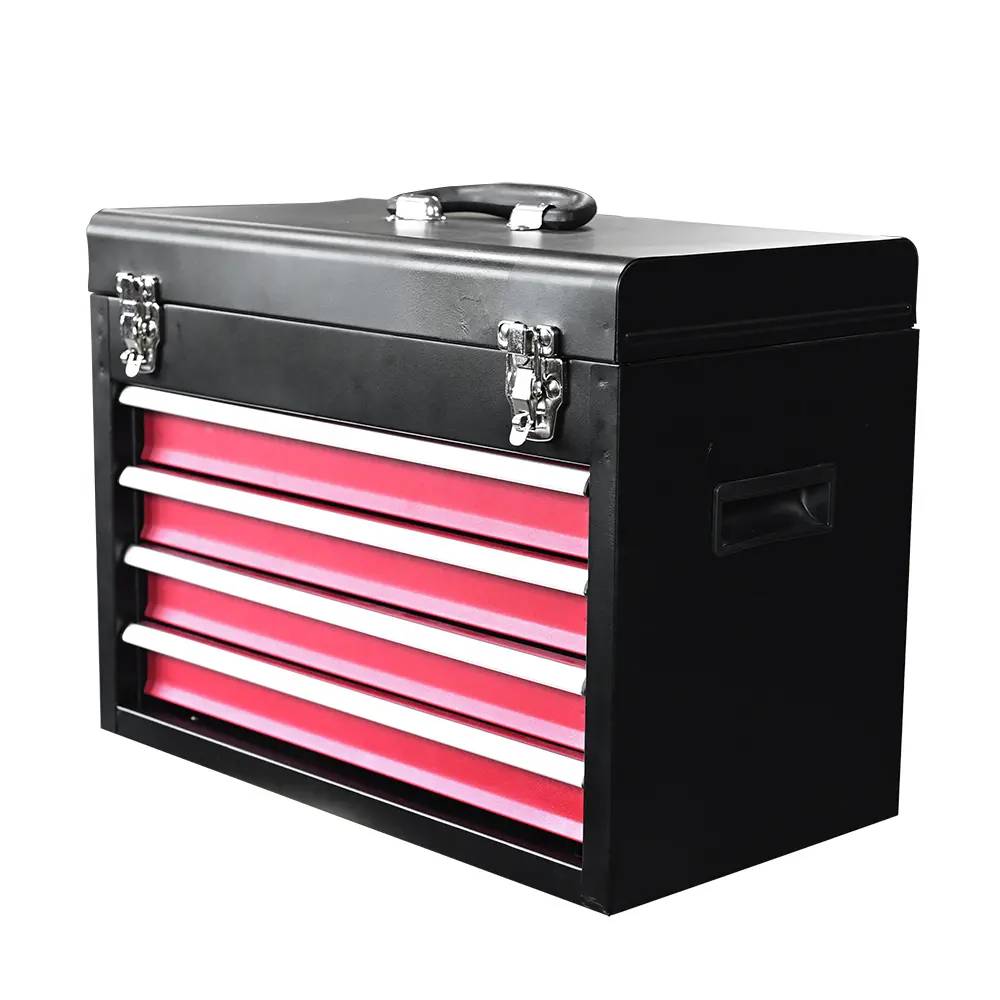
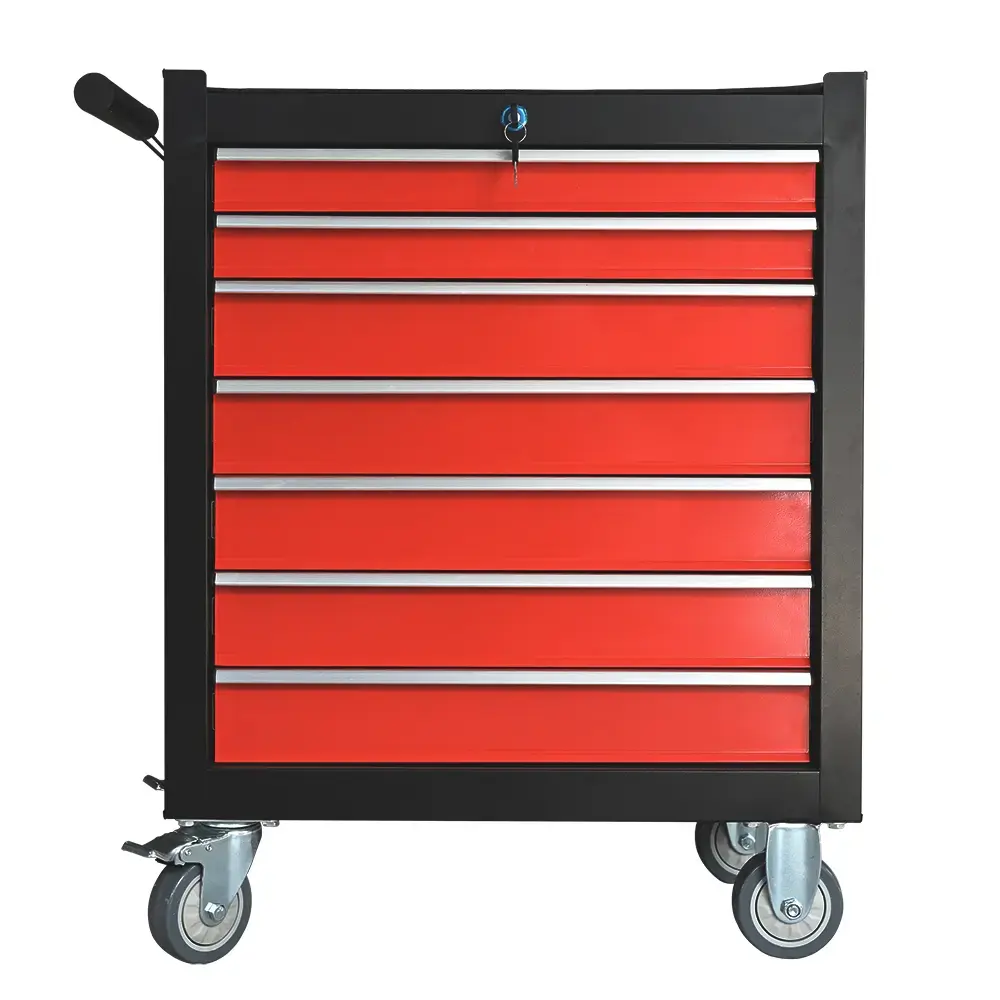
Wider multi-drawer units present a second challenge, because length creates leverage that cartons resist poorly and the drawer fronts are the first surface to mark. Ask for face protection on the drawer fronts specifically, not just corner boards, since scuffed fronts are the most common reason a heavy cabinet is downgraded to a damaged-goods sale. That detail matters on units like this larger seven drawer roller storage interlocking cabinet, which is usually the flagship of the range.
Modular Ranges Need Packaging That Explains the System
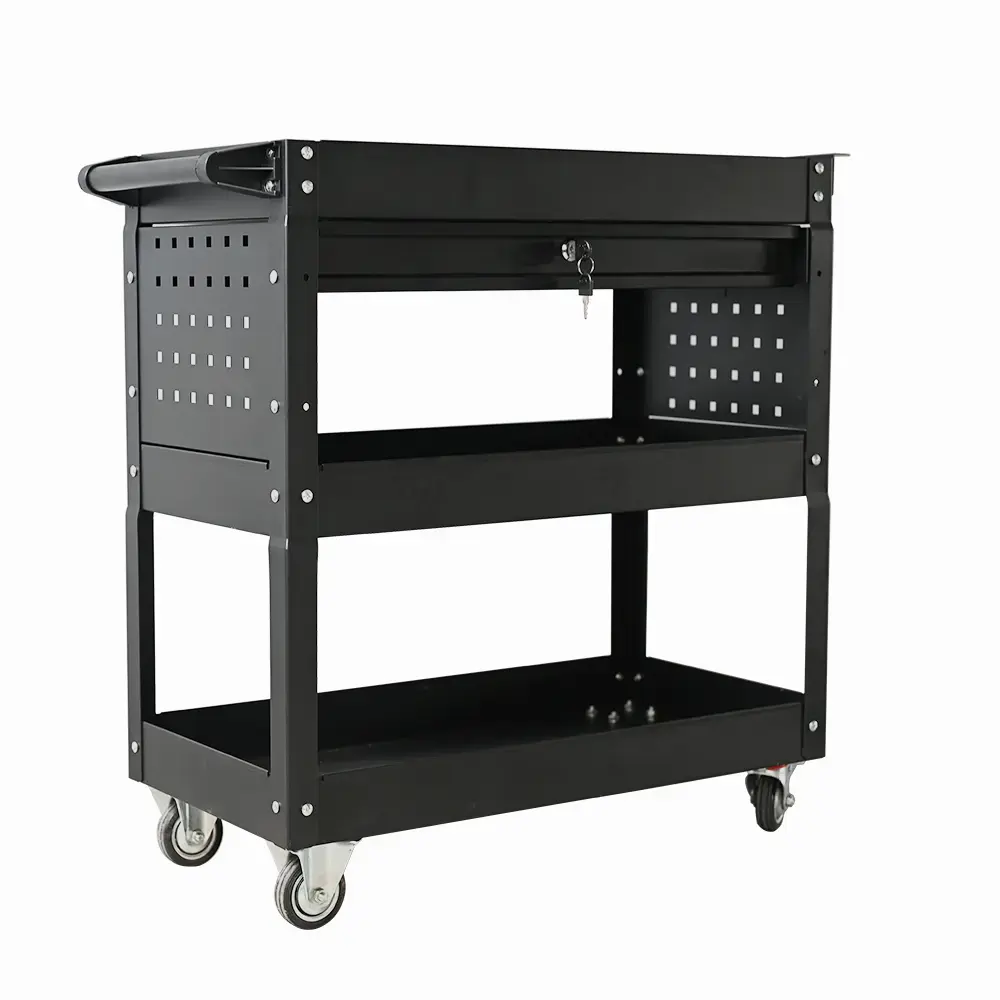
Interlocking product families create a specific packaging problem: the customer buys one unit and needs to understand that three more can be added later. If the carton does not show the system, the retailer's staff will not either. Dedicate one panel of the carton artwork to the compatible add-on units, with the model names printed exactly as they appear in the catalogue, so reordering is a one-step action for the buyer. That panel is the cheapest sales tool in the whole range, and items like this four drawer interlocking utility rolling trolley sell their follow-on units through it.
A Compliance File You Can Reuse for Every Listing
Build one folder per SKU and reuse it: barcode numbers and artwork proof, carton specification with board grade, pallet diagram, instruction artwork, claims list with the drawing reference for each number, and photographs of the first packed pallet. Every chain buyer you meet will ask for the same evidence, and having it ready shortens the listing conversation from months to weeks. Assemble the folder before the first production run rather than after the first chargeback.