Leave Your Message




Three Channels Beyond the Garage: How Tool Storage Importers Sell Cabinets Into Construction Sites, Facility Maintenance and Trade Schools
The Buyer Who Was Not a Mechanic
A tool distributor built a solid business selling Roller Cabinets to independent workshops, then hit a ceiling. The workshops in the territory were already equipped, and the replacement cycle is measured in decades. The ceiling was not the product or the price; it was the assumption that a Tool Cabinet is bought by a mechanic.
The three channels that broke that ceiling are not exotic. Construction site compounds, facility maintenance departments and vocational training workshops all buy tool storage, all buy repeatedly, and almost none of them are served by a channel built around automotive aftermarket. What changes between channels is not the cabinet but the reason it is bought, and importers who understand the reason can quote a specification instead of a box.
Channel One: Construction Site Compounds
The site buyer is usually a site manager or a plant manager, and the storage problem is security and portability rather than drawer organisation. Tools disappear from sites; the cabinet exists to make that stop. The specification that wins here is a lockable, movable unit that can be chained, bolted or parked inside a locked container overnight.
Three requirements dominate. Lockability with a shackle that accepts a site padlock comes first. Second is a form factor that fits through a site doorway and onto a pickup bed. Third is a finish that survives rain, mud and cement dust, because a site cabinet will live outdoors under a tarpaulin for weeks.
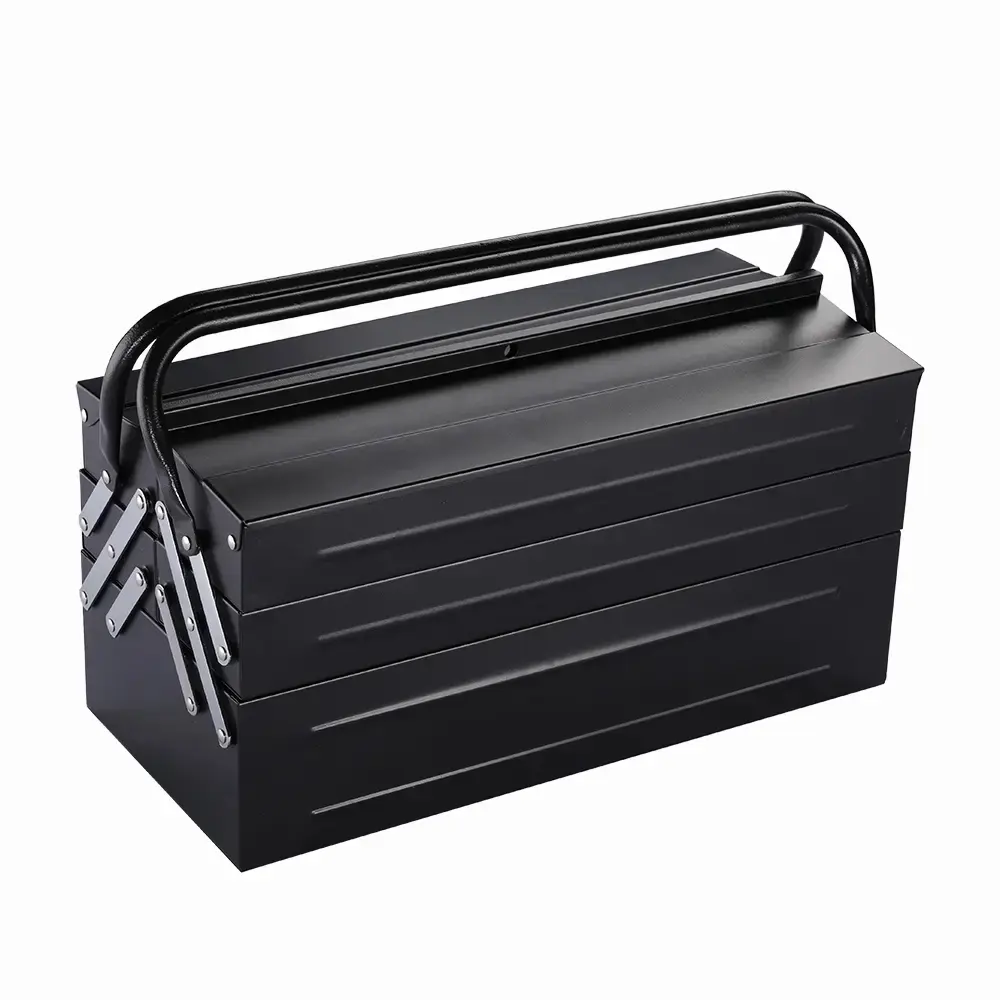
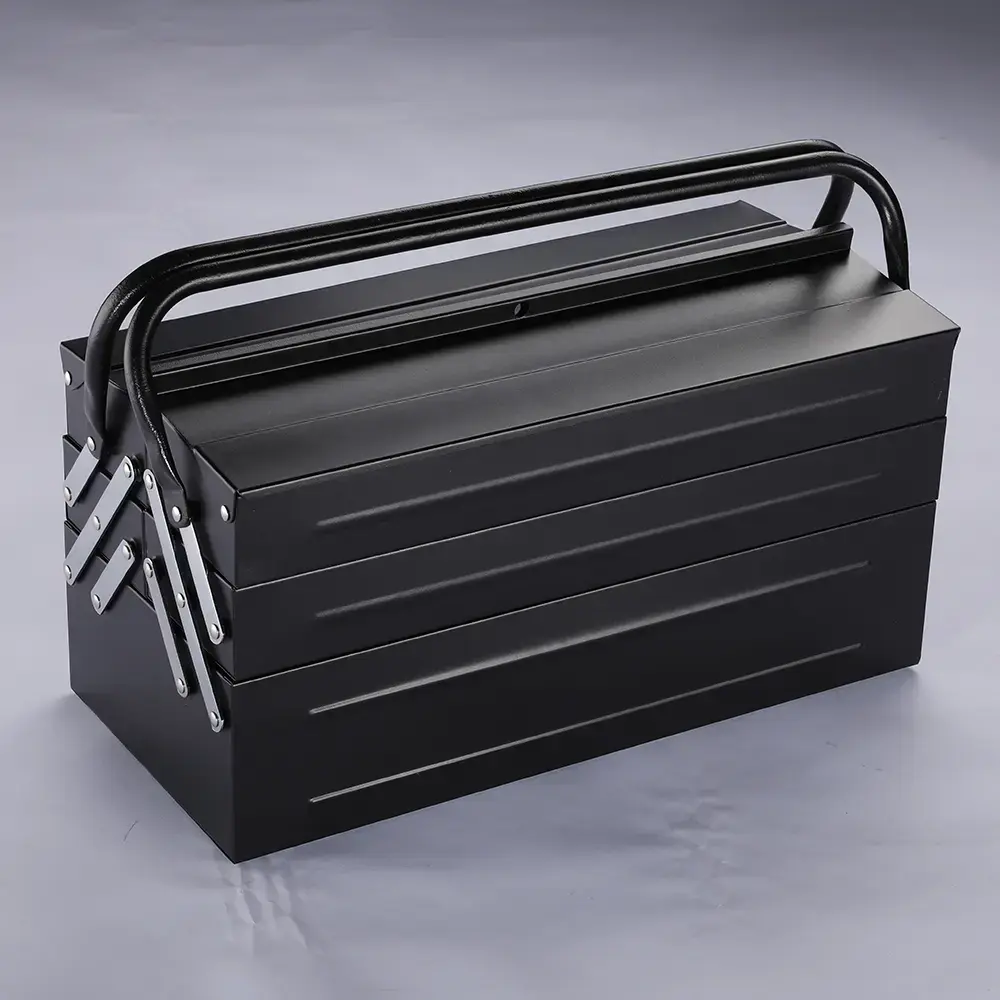
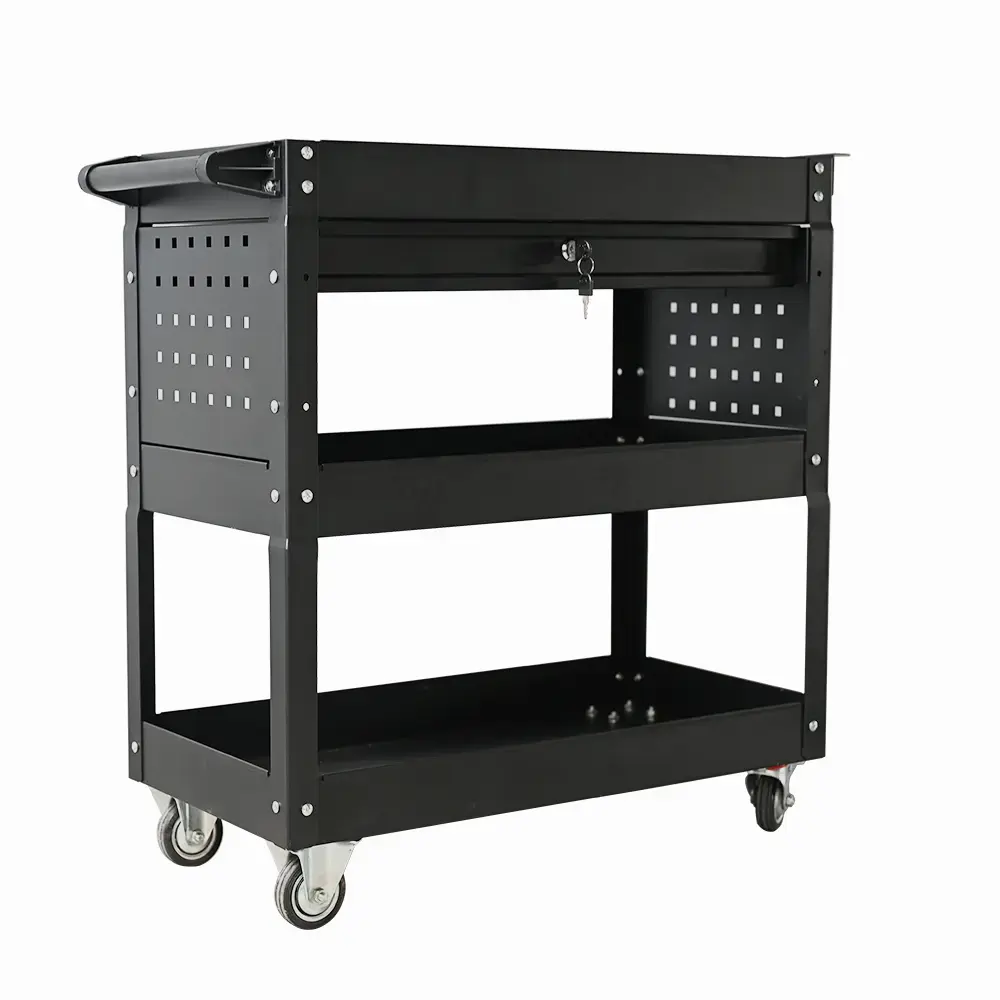
The portable end of the range does most of the work in this channel. A unit like the three tier lockable metal toolbox with cantilever trays is what a site foreman can carry to the workface and lock in the container at night, and it sells as a fleet item rather than a single purchase.
Importers should also expect this buyer to ask about site compliance: whether the unit can be secured, whether it has a documented load rating for lifting, and whether it can be marked with company asset numbering. Offering asset tagging and a numbered inventory sheet costs almost nothing and is frequently the reason one supplier wins a framework agreement over another.
Channel Two: Facility Maintenance Departments
Hospitals, hotels, factories, airports and shopping centres all run in-house maintenance teams, and their storage problem is the opposite of the site's. They do not need portability; they need shared access, controlled inventory and a unit that looks acceptable in a corridor or a plant room.
The buying logic here is a shadow board and a check out process. A cabinet that lets a supervisor see at a glance what has not come back will beat a bigger cabinet with more drawers every time. Selling drawer count to this buyer is a mistake; selling inventory control is the whole conversation.
A combination unit is often the right answer, and the comprehensive tool storage cabinet with matching upper and lower toolboxes maps neatly onto a maintenance department that needs a fixed base plus a portable kit that goes out to the job.
Facility buyers also care about housekeeping: rounded corners, a wipe clean finish, and a colour that reads as equipment rather than as garage furniture. Stock a neutral finish alongside the standard colours and this channel opens without a tooling change.

Channel Three: Vocational Training and Trade Schools
This channel is the most underrated of the three. A training workshop fits out bays, and each bay needs storage. The volumes are lumpy but large, the procurement is grant or budget driven, and there is a predictable refresh cycle tied to intake years.
What the school actually buys against is a tender document, and tender documents are written around a small number of measurable criteria: number of bays, unit dimensions, lockability, load rating, warranty period and delivery date. An importer who can supply a written specification sheet with every one of those fields filled, plus a warranty statement and a spare parts availability commitment, will clear a tender that a cheaper supplier fails.
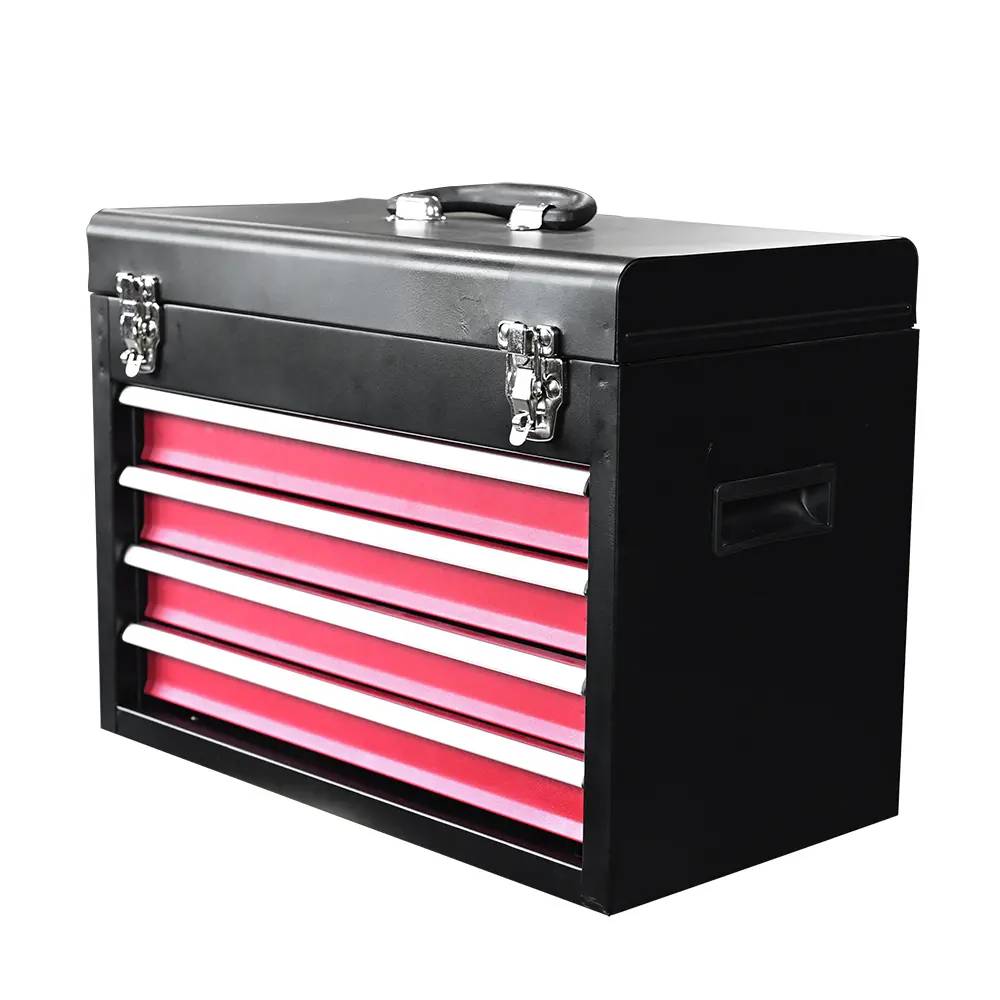
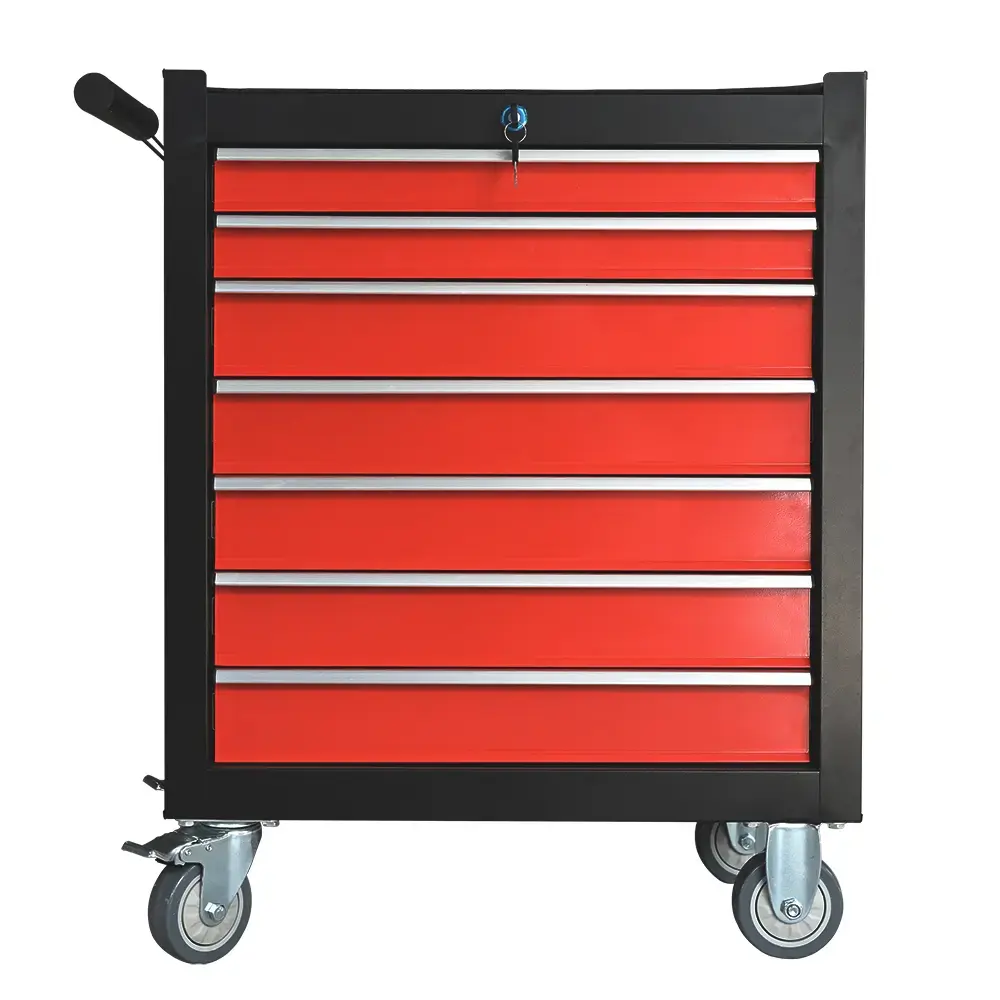
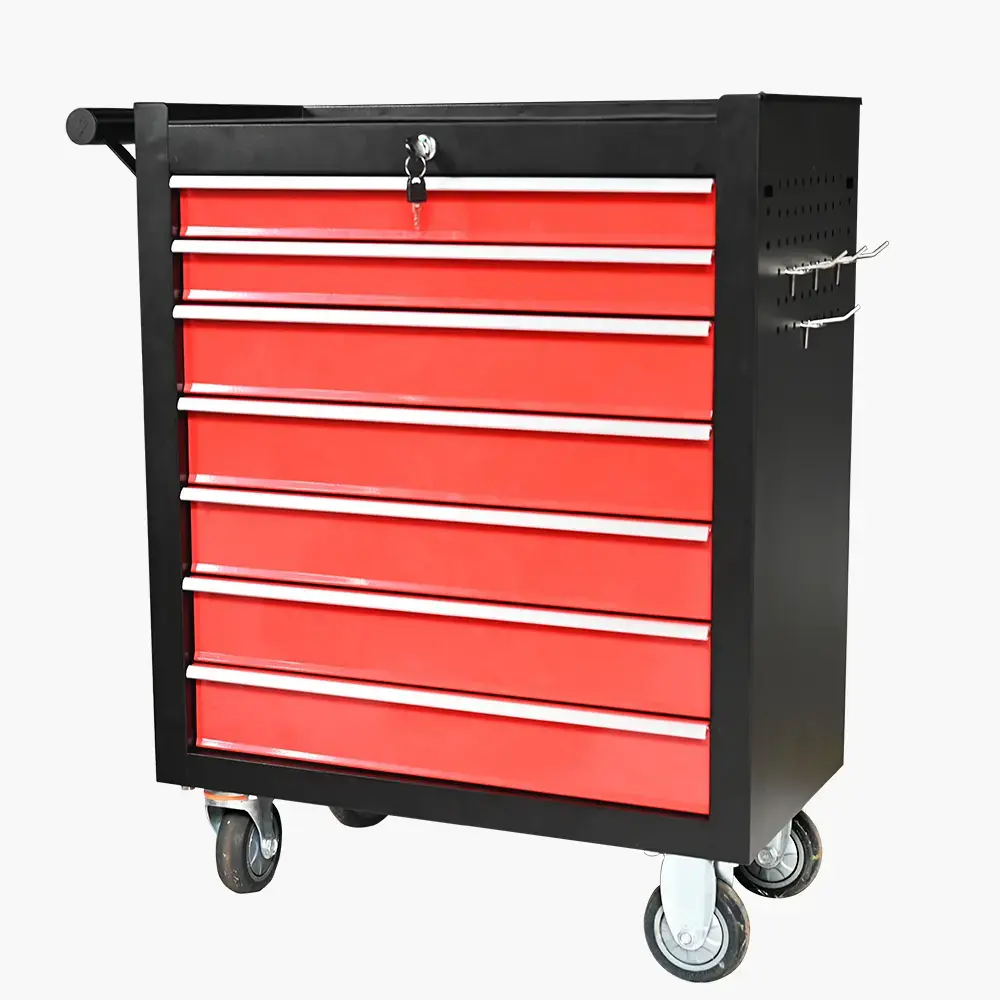
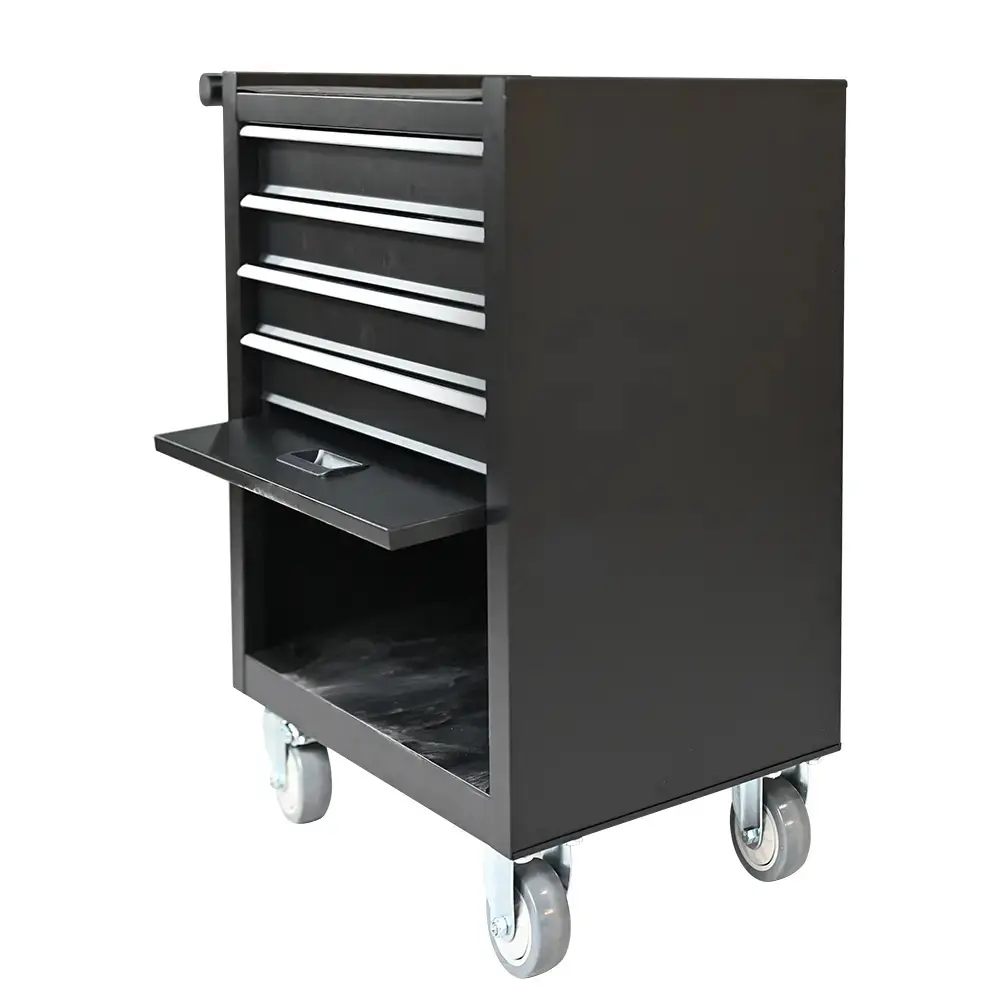
The product mix for a school bay is usually one mobile base plus one portable kit per student or per pair. The five drawer rolling tool cabinet trolley covers the base requirement for a teaching bay and is the line item the tender is usually written around.
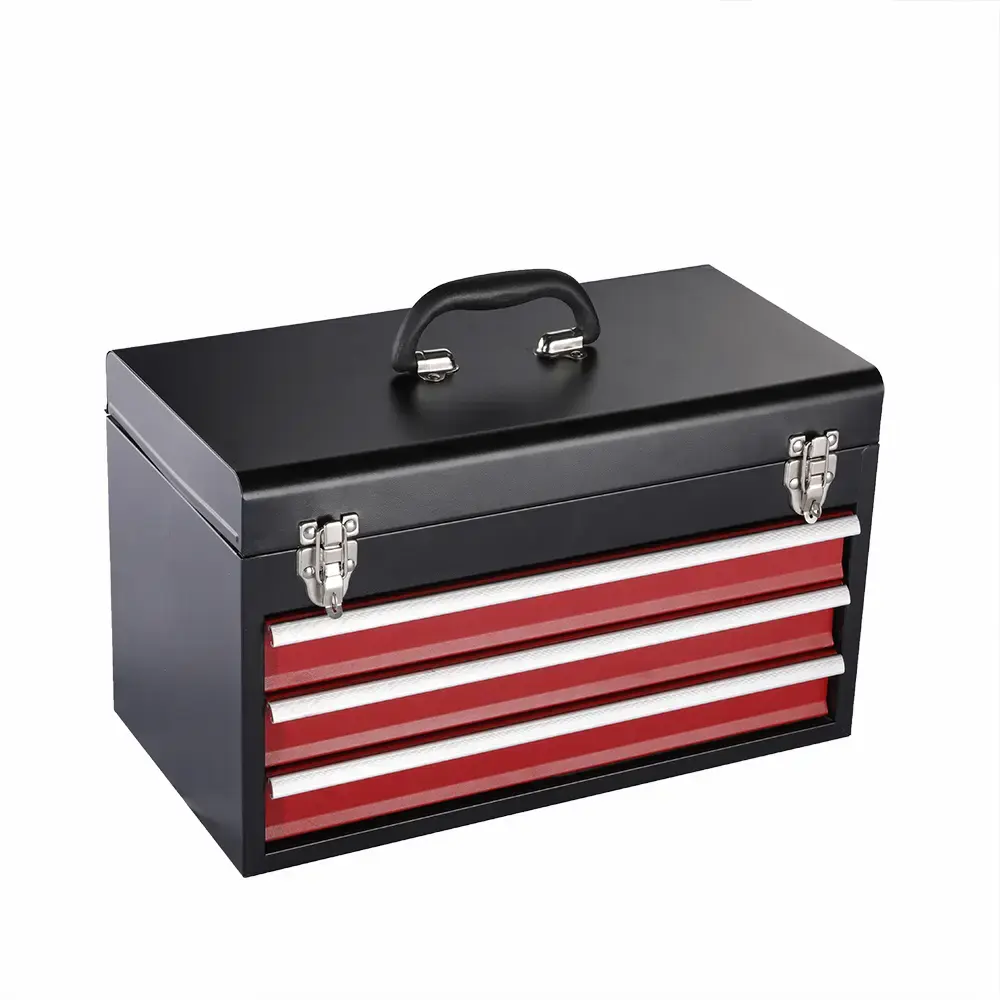
A personal unit such as the lockable portable metal tool box with drawer then gives each student a check-out item, which is what turns one bay specification into a repeatable bill of materials across an entire workshop floor.
One caution for this channel: schools ask about tip-over stability and about whether the unit can be secured to a wall or a bench. Answer that question before the tender closes, not after an incident.
What to Change in the Commercial Offer
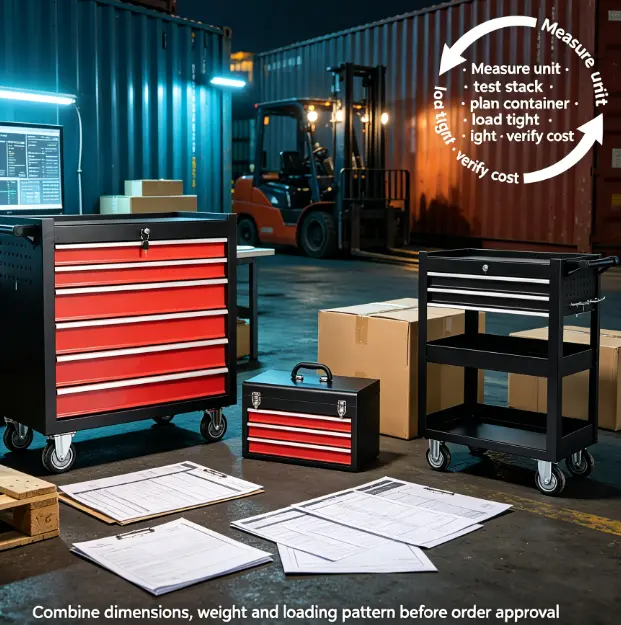
Selling into these three channels requires three small changes rather than a new product range. First, rewrite the specification sheet to lead with locking, load rating and dimensions instead of drawer count. Second, prepare a one page compliance statement covering warranty, spare parts availability and finish specification. Third, be ready to quote in bay quantities with a delivery schedule rather than in container quantities.
An outdoor rated unit such as the multipurpose lockable outdoor toolbox with two drawers also earns a place in the range for site and facility buyers who need something that can stand outside, and it should be photographed in that context rather than in a workshop.
The Takeaway
The garage is the smallest of the four markets for tool storage. Construction sites buy security and portability, facility maintenance buys inventory control and housekeeping, and trade schools buy a tender compliant specification: none of them need a better cabinet, they need a cabinet described in their own language. Importers who make that shift will find the ceiling was never the market.