
Leave Your Message



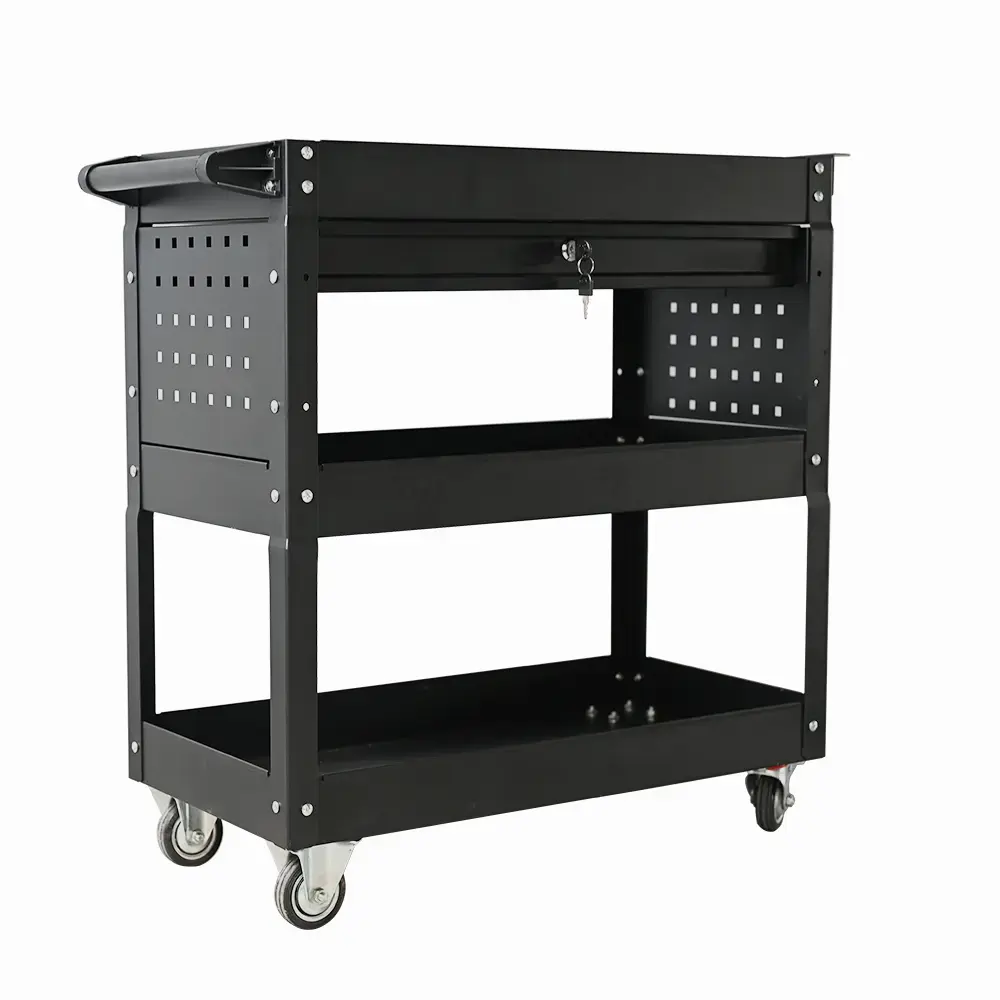
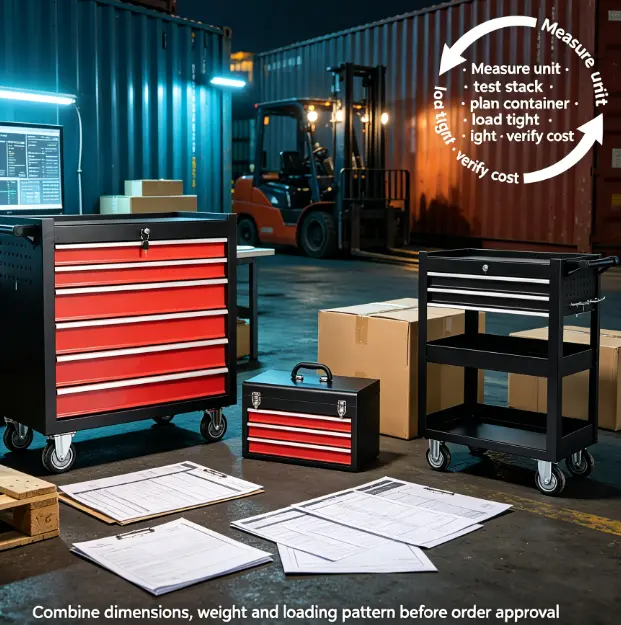

Flat-Pack vs Pre-Assembled: Assembly Time, Hardware Kits and Instruction Quality in Tool Cabinet Imports
A Workshop Fit-Out Lost Two Days to Missing Bolts
A workshop fit-out buyer in the Middle East ordered sixty Roller Cabinets for a new service centre and budgeted one hour per unit for assembly. The first pallet arrived flat-packed with hardware bags counted by weight rather than by piece, and every third cabinet was short by four bolts and two cam locks. The crew stopped work for two days waiting on a replacement parts shipment, and the fit-out handover slipped past the contract date. The unit price had looked excellent; the landed cost per installed cabinet was the worst in the buyer's history.
The Real Cost Is the Installed Unit, Not the Boxed Unit
Cabinets are quoted per carton but consumed per installed unit, and the difference between those figures is labour, hardware integrity and rework. Calculate a landed installed cost before comparing suppliers: unit price plus freight allocation plus assembly minutes multiplied by the local hourly rate plus an allowance for missing parts. A five dollar saving on the box disappears instantly if assembly runs thirty minutes longer. Request an assembly time measured on a random carton from a production batch, not a factory demonstration unit assembled by an engineer who has done it two hundred times.
When Flat-Pack Makes Sense and When It Does Not
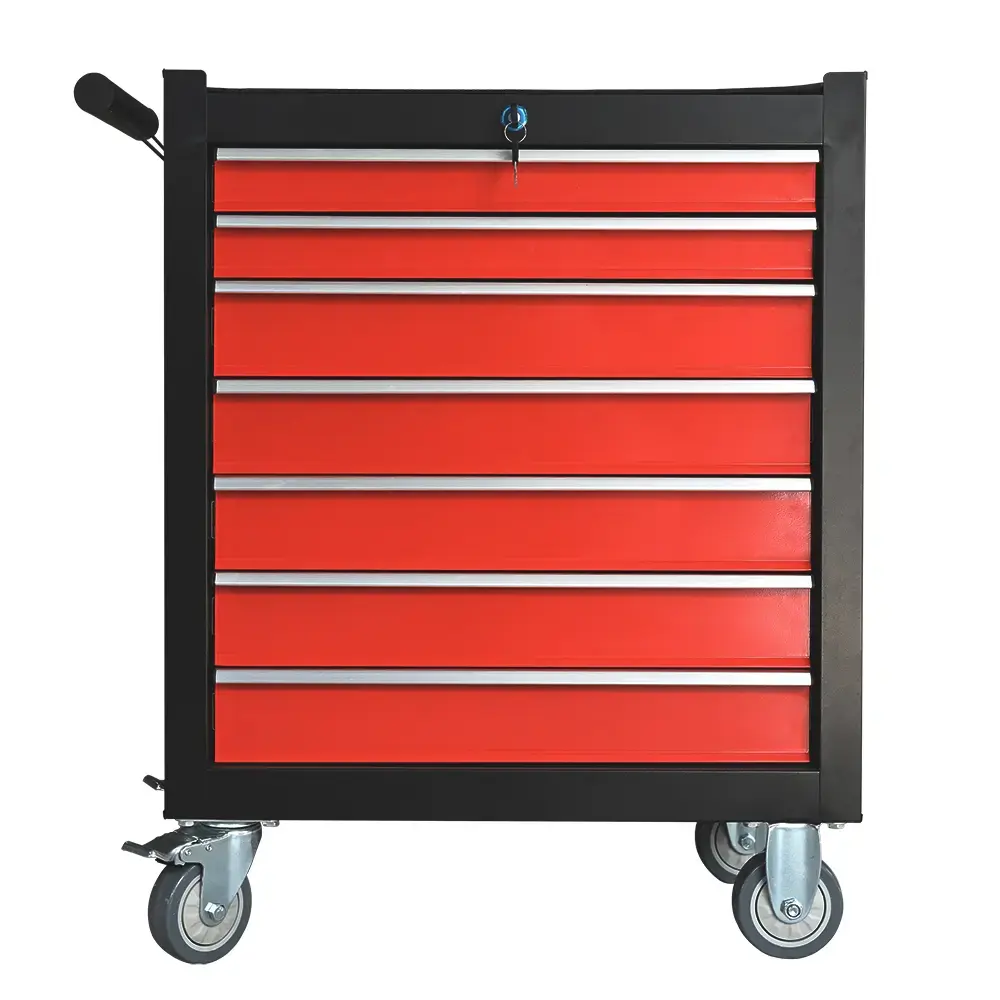
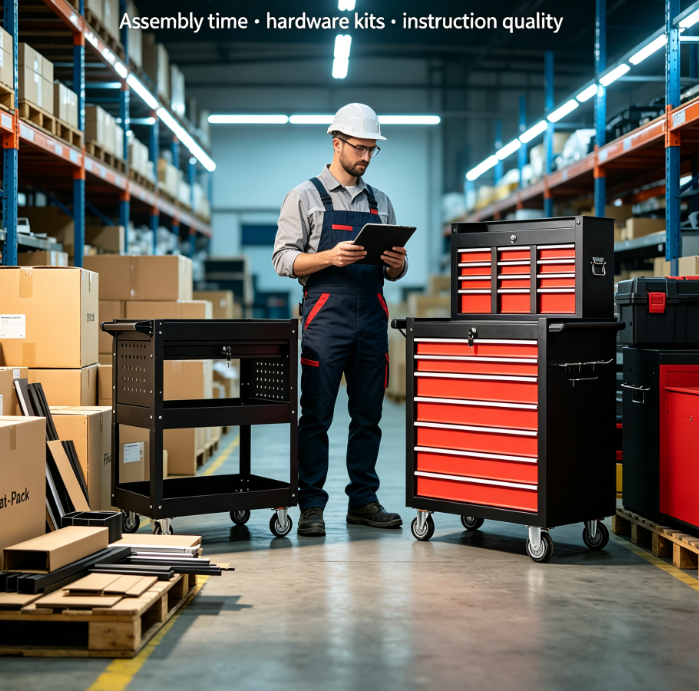
Flat-pack is the right answer when freight cost per unit dominates and the destination has cheap labour; it is the wrong answer when the site has a fixed handover date or expensive fitters. Split the order by destination reality rather than by habit: flat-pack for retail and ecommerce channels where the end user assembles at home, pre-assembled for workshop fit-outs and fleet customers who bill by the hour. A heavy duty metal tool storage cabinet trolley is a fair test Case, because its weight alone makes home assembly unpleasant and raises the return risk in online channels.
The Hardware Kit Is Where Cheap Suppliers Cut
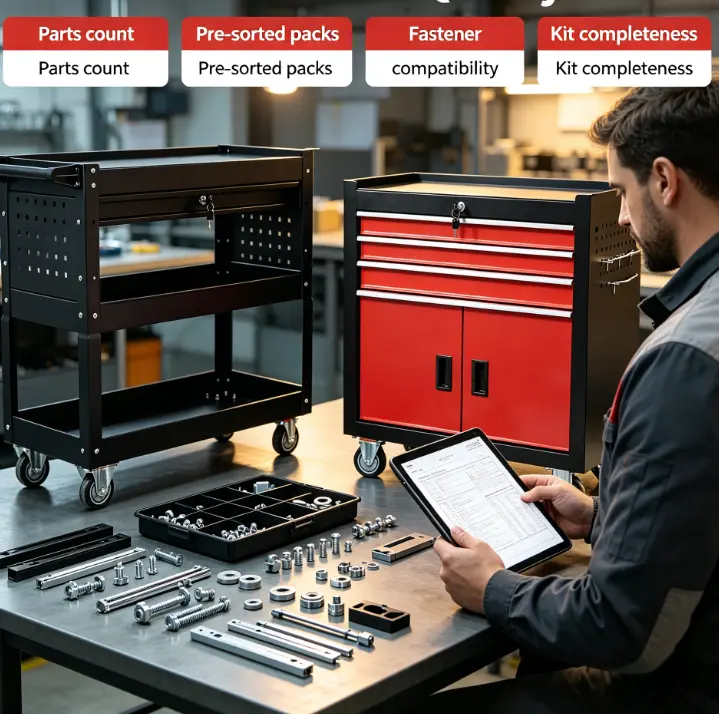
Hardware is invisible in the quote and painful on site, which is exactly why it is the first place a weak supplier saves money. Require piece-counted hardware bags sealed and labelled per model, and add a small overage allowance of two percent on fasteners. Weight-counted bags guarantee shortages across a large order. Grade-mark the fasteners in the specification as well, because an ungraded bolt in a load-bearing cabinet joint is a safety problem, not a convenience problem. Ask for a hardware list with quantity, size and grade per carton, then verify it on the first-piece inspection.
Spare parts should be negotiated at the same time. Buyers who discover after delivery that a single missing cam lock halts a cabinet end up paying air freight for a part that costs cents. Include a spare hardware kit equal to two percent of the order value in the contract.
Instruction Sheets: The Cheapest Quality Control You Have
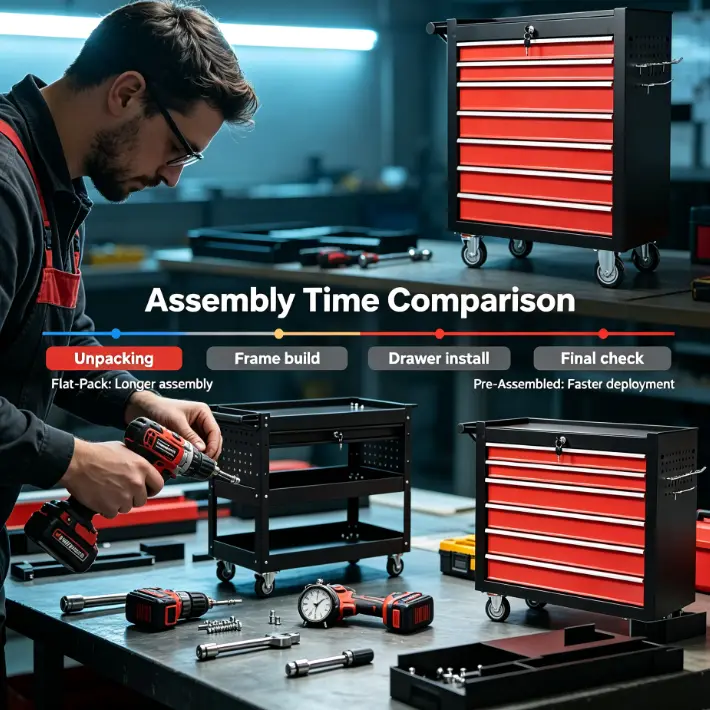
A good instruction sheet reduces assembly time more than any design change, yet it is usually an afterthought. Judge the sheet against four tests: exploded diagram with part letters, a hardware table that matches the bag labels, torque or tightness guidance on load-bearing joints, and local language text. Sheets with only line drawings and no part codes generate assembly errors that look like product defects in the warranty data. Have one non-technical person assemble a unit from the sheet alone before approving the artwork; if they hesitate, the sheet is not ready.
Modular Systems Multiply the Risk
Interlocking systems sell because the customer builds a wall of storage over several purchases, but they add an interchangeability requirement across production batches. Confirm that the interlock geometry and the colour finish are held constant across lots, because a small tooling change silently breaks compatibility with last season's units and the customer blames the dealer. A four drawer interlocking rolling trolley should lock to a unit bought two years earlier without modification, and that guarantee belongs in writing.
Colour consistency deserves the same attention. Request a physical colour chip signed by both parties and retained by the buyer, since powder coat shade drifts between batches and is obvious in a row of cabinets.
Packaging for the Route, Not for the Showroom
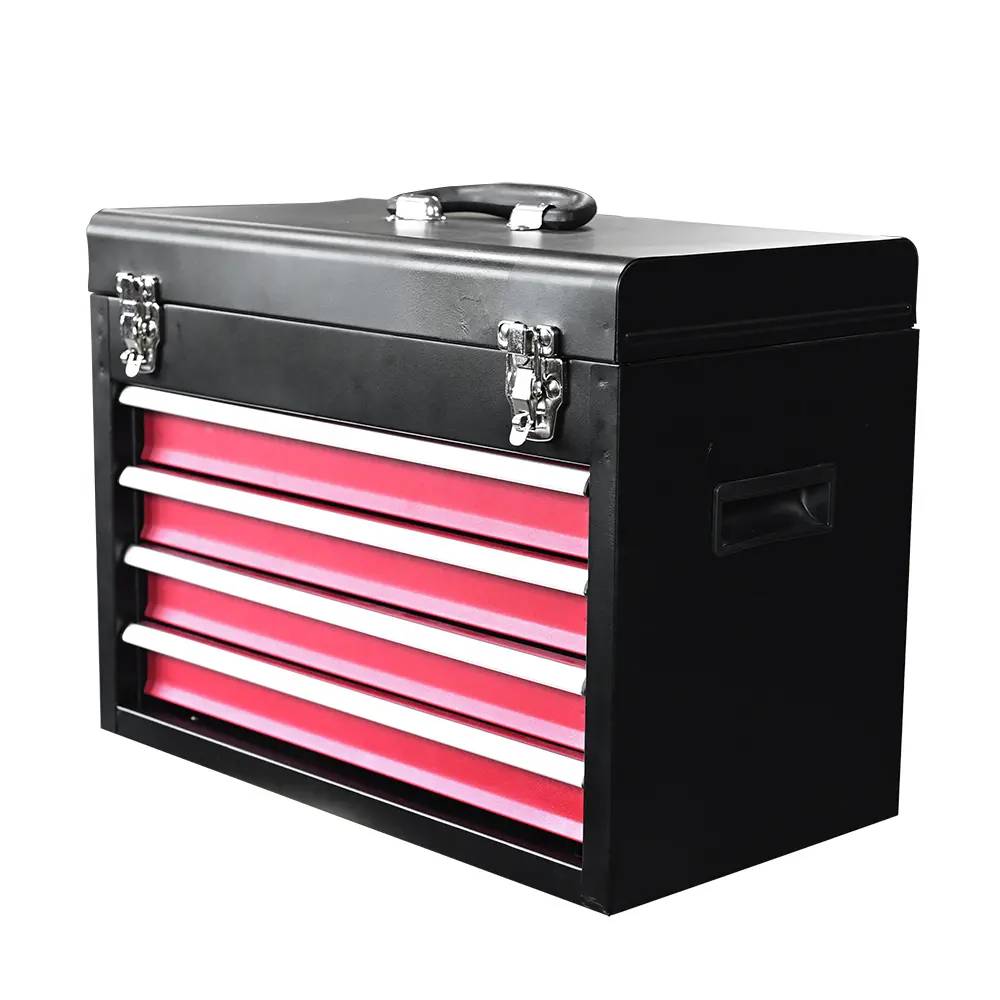
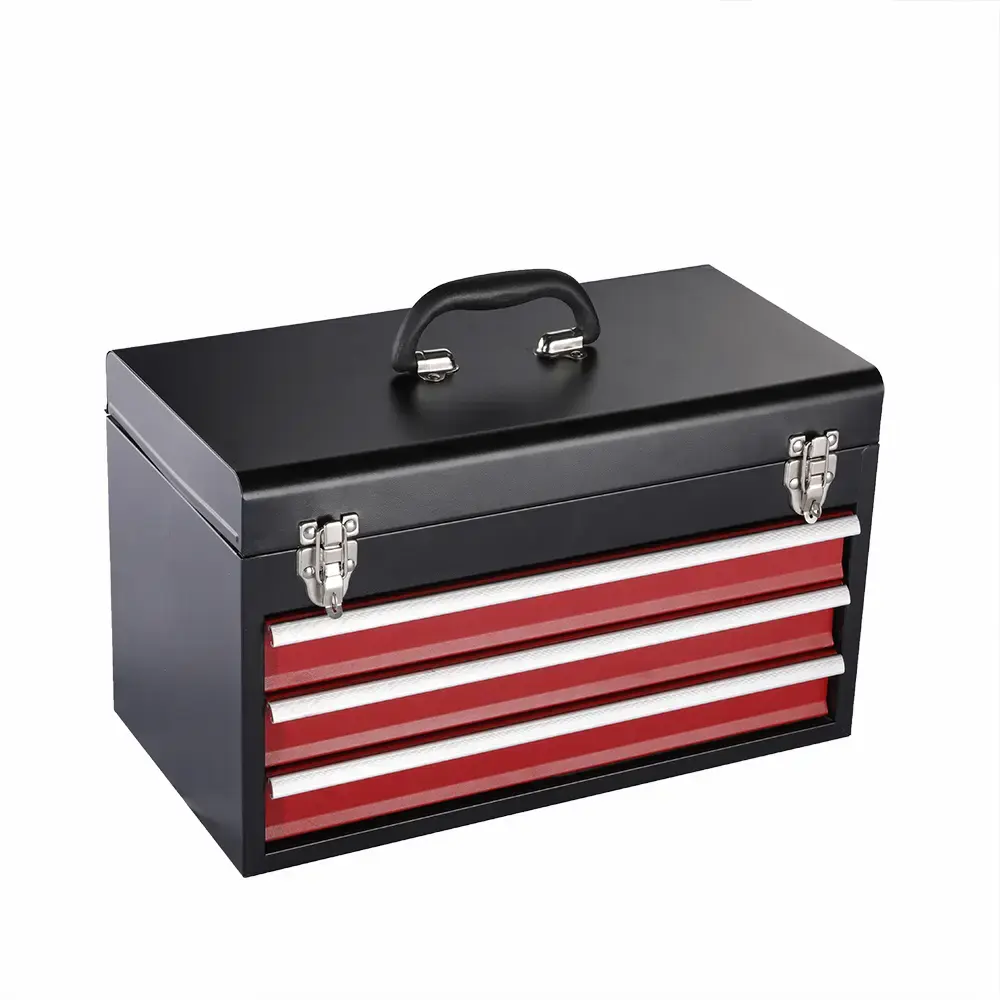
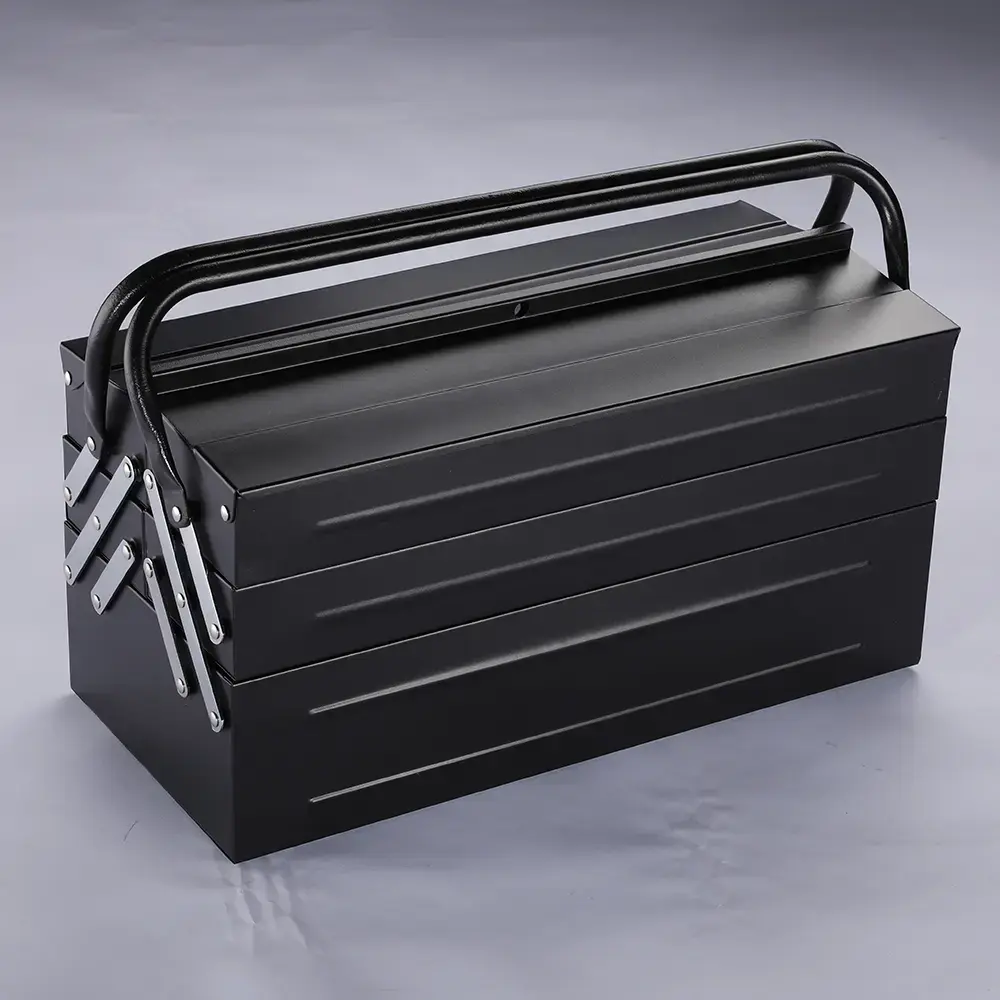
The carton must survive the actual route: container, port handling, last-mile delivery and often a stairs lift. Specify double-wall cartons with corner protection on heavy units and require an internal drop test at the agreed carton weight. For mixed shipments, a lockable multipurpose outdoor toolbox and a cantilever toolbox with trays should ship with their own internal separation so handles do not scuff cabinet panels in transit. Transit damage claims are the most avoidable cost in this category.
Handled boxes need a rule of their own. A three tier cantilever metal toolbox with trays carries several moving trays and two handles, so it needs a strap that holds the trays closed and a divider between the tiers. A tray that works loose inside the carton bends in transit and the unit comes straight back as a return.
The Bottom Line
Compare suppliers on landed installed cost, insist on piece-counted hardware with a spare allowance, and test the instruction sheet with someone who has never seen the product. A cabinet that arrives cheap and assembles badly costs more than a cabinet that arrives ready to work.