
Leave Your Message



Designing a Stackable Tool Storage System: The Interface Spec That Turns One Cabinet Into a Three-Unit Order
The Customer Who Bought a Cabinet and Never Bought the Rest
A workshop fit-out buyer in the Gulf imported a single model of roller cabinet for four years. It sold steadily, it never broke, and it never grew. Then a competitor arrived with a three-piece system: a Rolling Cabinet, a matching top chest that latched onto it without bolts, and a portable box that locked into the same stack. Within two seasons the competitor owned the account, not because the cabinet was better but because the second and third unit were already sold the moment the first one was bought. The first importer had a product. The second had a system, and a system compounds in a way that a single SKU never does.
For tool distributors and automotive aftermarket wholesalers, the most valuable design decision in a storage range is not the drawer count or the gauge of the steel. It is whether the units in the range share a mechanical interface, because a shared interface converts a one-time purchase into a ladder the customer climbs over several years. Here is what has to be specified to get that ladder, and the mistakes that break it.
Fix the Footprint Before Anything Else
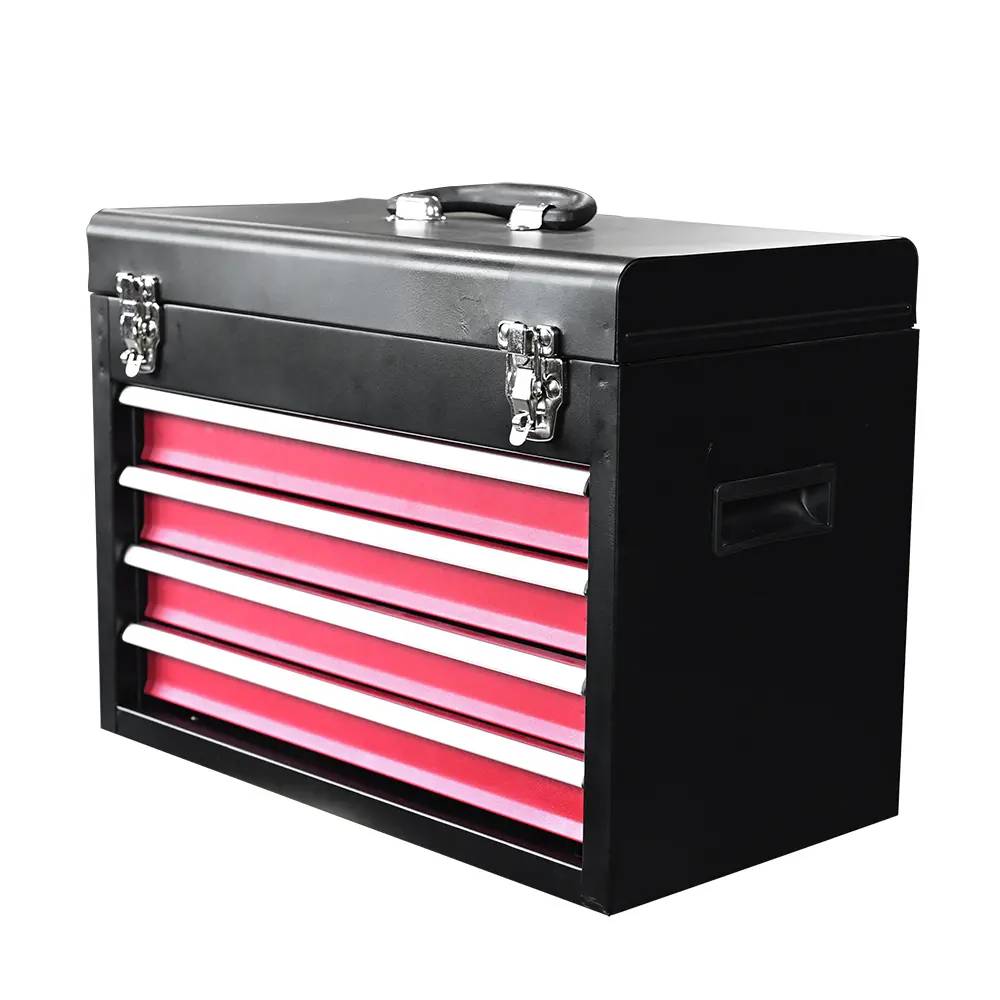
The interface starts with a number that almost nobody writes down: the top surface footprint of the base unit. Every stacking component above it has to match that rectangle. Specify the outer top dimensions and the recessed mating area separately, and require the factory to hold the recess dimension to a tighter tolerance than the overall cabinet, because a top chest that rocks on a cabinet gets returned even though nothing is technically wrong with it. Ask for the footprint to be declared on the specification sheet in millimetres, with a tolerance, and make it a contractual dimension rather than a reference one. A combination unit engineered around a shared footprint, such as the comprehensive tool storage cabinet with matching upper and lower toolboxes, is the clearest example of why that one number decides the whole system.

Interlock Hardware Is the Part That Actually Wears
Stacking systems fail at the latch. The moulded interlock, the metal tongue, or the twist lock that holds the upper box down is the component that sees impact, vibration and operator abuse every day. Require the interlock to be a replaceable part sold as a spare, and require a cycle or impact test figure rather than a photograph. The most common field failure in stacked storage is not the drawer slide, it is a cracked interlock that lets the top unit walk off the cabinet on a uneven floor, and that failure is always blamed on the whole product rather than on a five-dollar part. When you evaluate a second or third stacking option, check the same thing on the next unit up the range, which is why the matching configuration on the comprehensive tool storage cabinet with matching upper and lower toolboxes should be inspected at the interlock before the drawer is ever opened.
Weight Distribution Decides Whether the Stack Is Safe
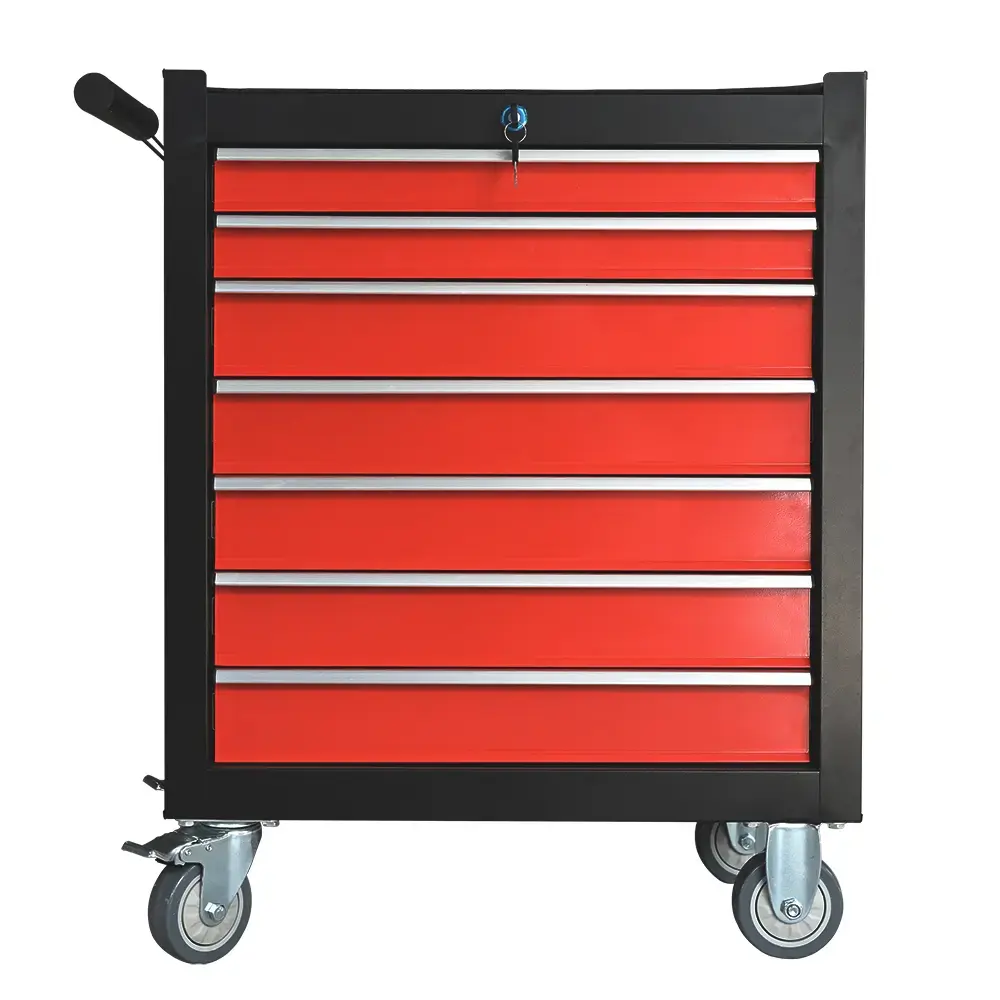
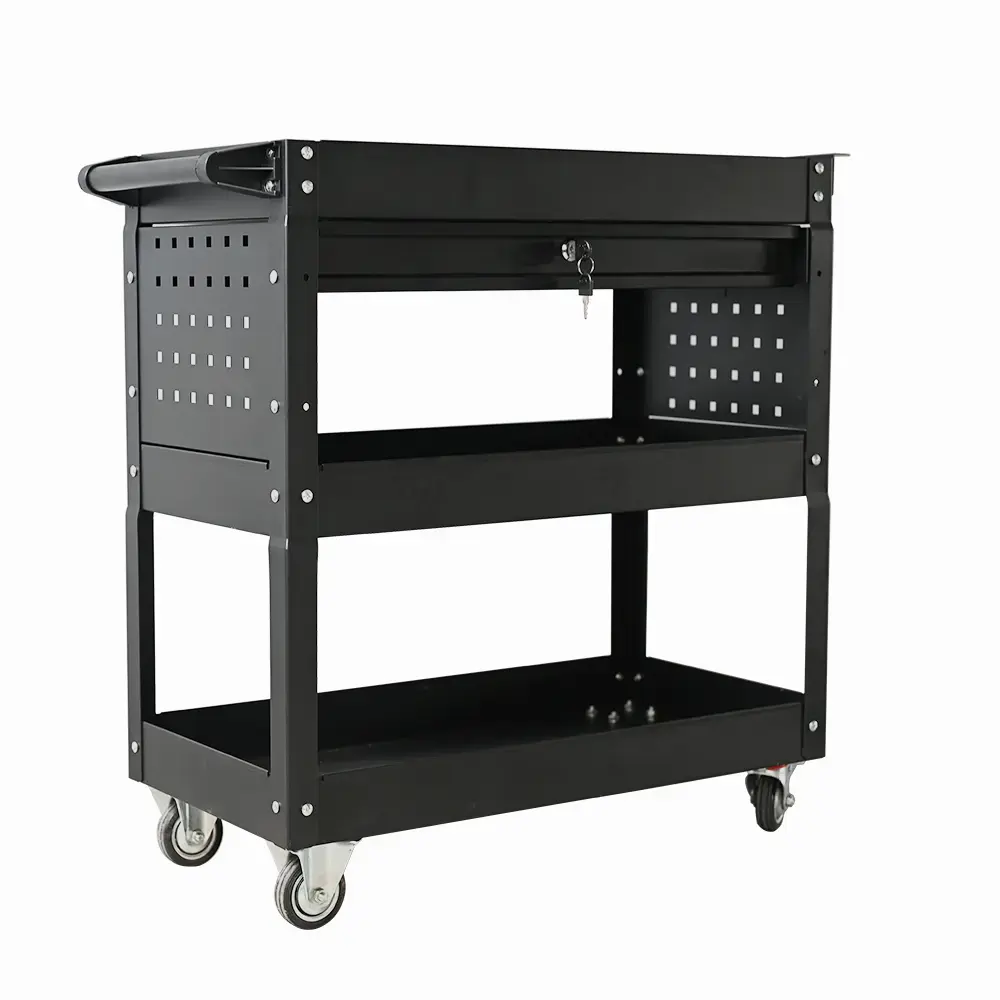
Once two or three units are stacked, the centre of gravity rises and the assembly becomes a tip-over risk on a sloped workshop floor or in a service van. Ask for a declared maximum stacked height and a stated rule about which unit carries the heaviest load, and put that rule on the carton and in the manual. The safe convention is heaviest at the bottom, and the range should be designed so the bottom unit is also the one with the largest casters and the widest track. Importers who skip this step end up with a warning letter from a distributor's insurer, which is a far more expensive document than an extra caster specification. A rolling base built for that duty, like the 4-drawer interlocking utility rolling trolley with universal wheel, should be quoted with its loaded stack height rather than on its own.
Keep the Latch and Lock Family Common Across the Range
A system is only a system if the small parts are shared. Standardise three things across every unit in the range: the key blank, the drawer pull profile, and the interlock type. When a customer adds a top chest two years later, the new unit should accept the existing key. Confirm with the factory that the lock programme is keyed-alike-capable across the whole family and that they will retain the key code on file for the life of the range, because a customer who cannot get a spare key for a two-year-old box will replace the whole stack with a competitor's. The same logic applies to the rolling elements of the range, and a matching unit such as the 4-drawer interlocking utility rolling trolley for high quality tool storage should be specifiable with the same lock and caster specification as the base cabinet.

Plan the Ladder So the Entry Unit Is Not the Destination
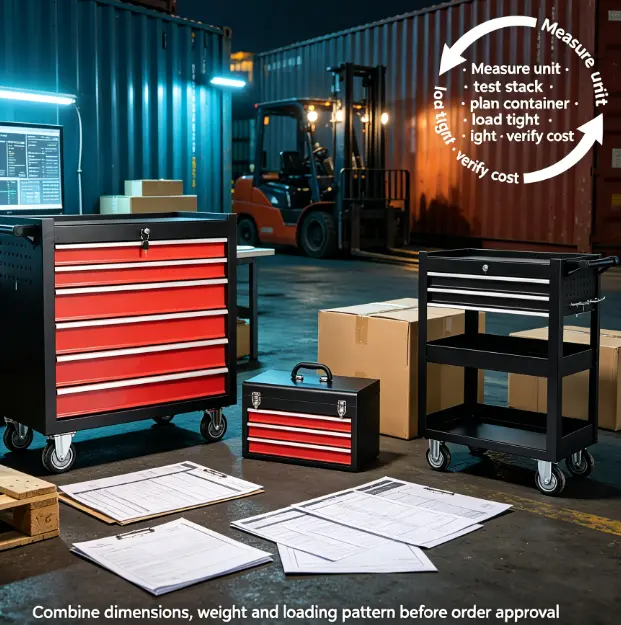
The commercial point of a system is that the first purchase should feel incomplete. Design the range so the entry unit has a clear, visible next step: a base cabinet that has a prepared top surface, a portable box that docks onto it, and a mid-chest that fills the gap. The mistake importers make is launching the entry unit and the top unit at the same price tier, which leaves the customer no reason to buy both. Price the ladder, publish it as a three-step system, and merchandise it with the three units photographed together, because the photograph does more selling than the specification sheet.
Portable Units Need to Leave the Stack Without Falling Apart
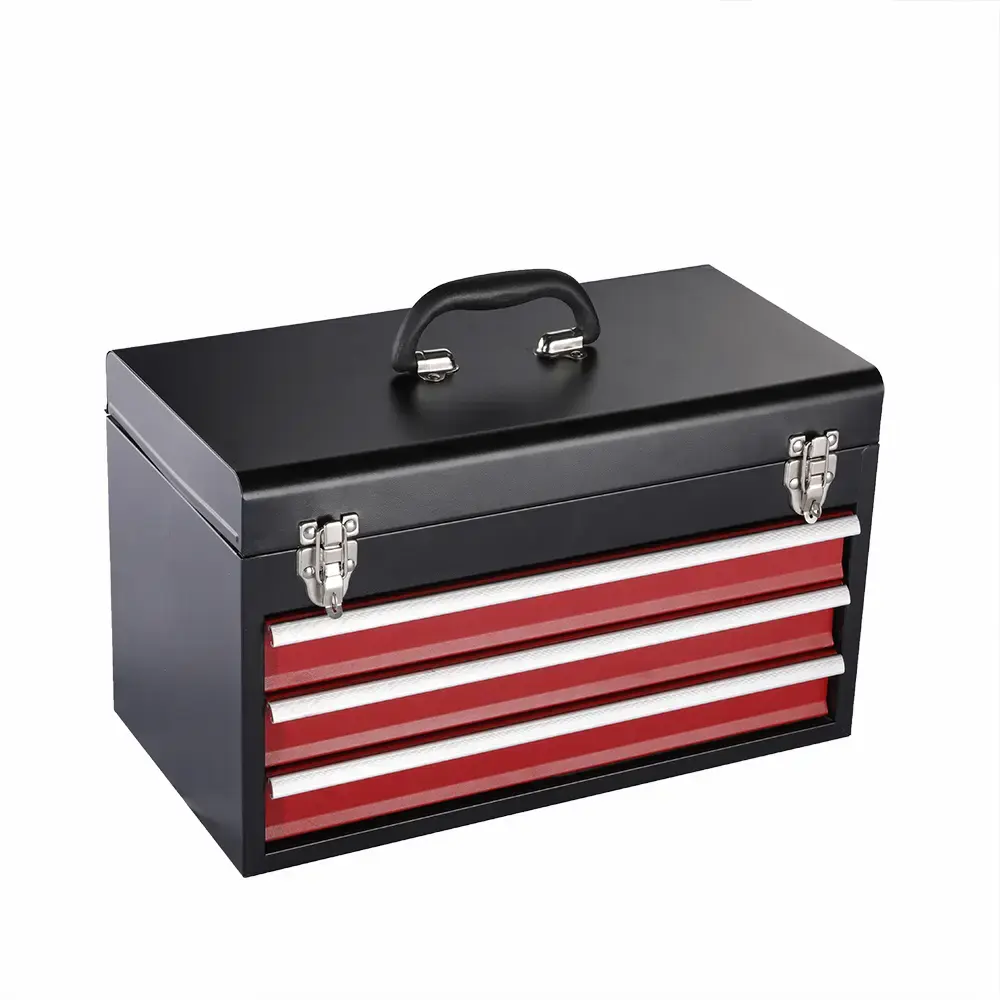
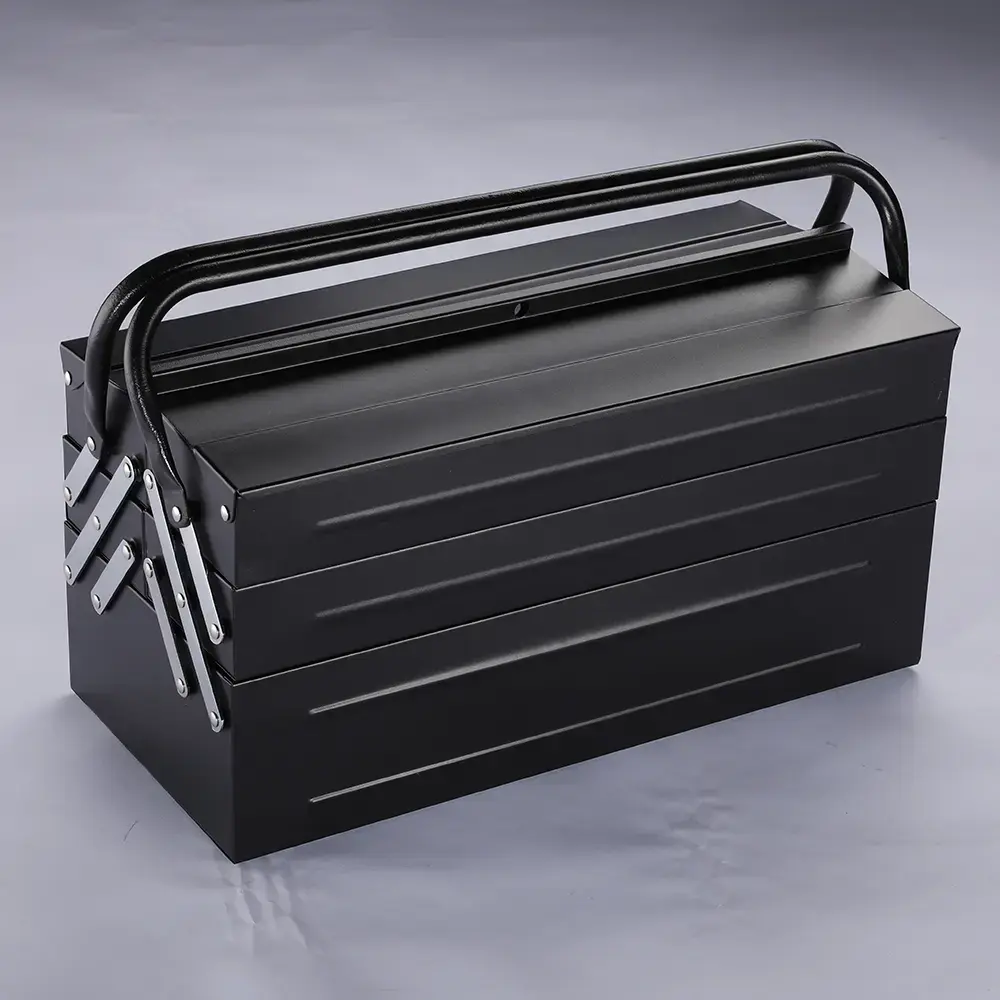
The weakest link in most systems is the box that is meant to be carried. It has to lock into the stack and survive being carried by one handle down a flight of stairs. Check the handle attachment method, the latch behaviour when the box is carried loaded, and whether the lid stays shut if the box is set down hard. Specify a carry test on the loaded box rather than a static load rating, because a static rating never reveals a latch that pops open at the bottom of a stairCase. A lockable portable unit designed to be part of a wider range, such as the multipurpose lockable outdoor toolbox with two drawers, should be evaluated as a carried object first and as a stacking object second.
Write the Interface Into the Supply Agreement
Finally, protect the system contractually. Require the factory to give written notice before changing any mould, footprint, interlock or lock specification, with a minimum notice period and an obligation to supply legacy spares for a defined number of years. A silent tooling change is the single event that destroys a storage range, because the new top chest no longer fits the old cabinet and every customer who bought the base unit is now locked out of the upgrade you have been selling them for three years. Systems are worth more than products, and that is exactly why they need a clause that keeps them stable.
