
Leave Your Message
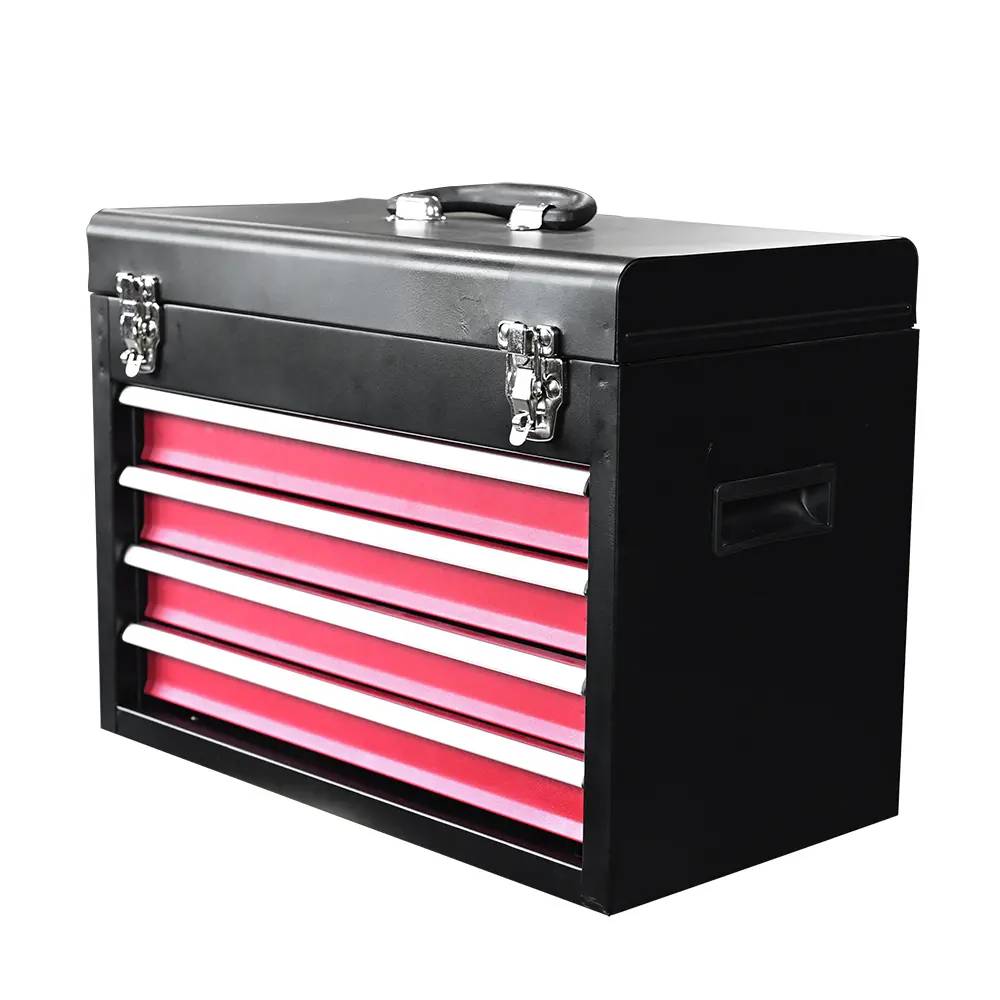
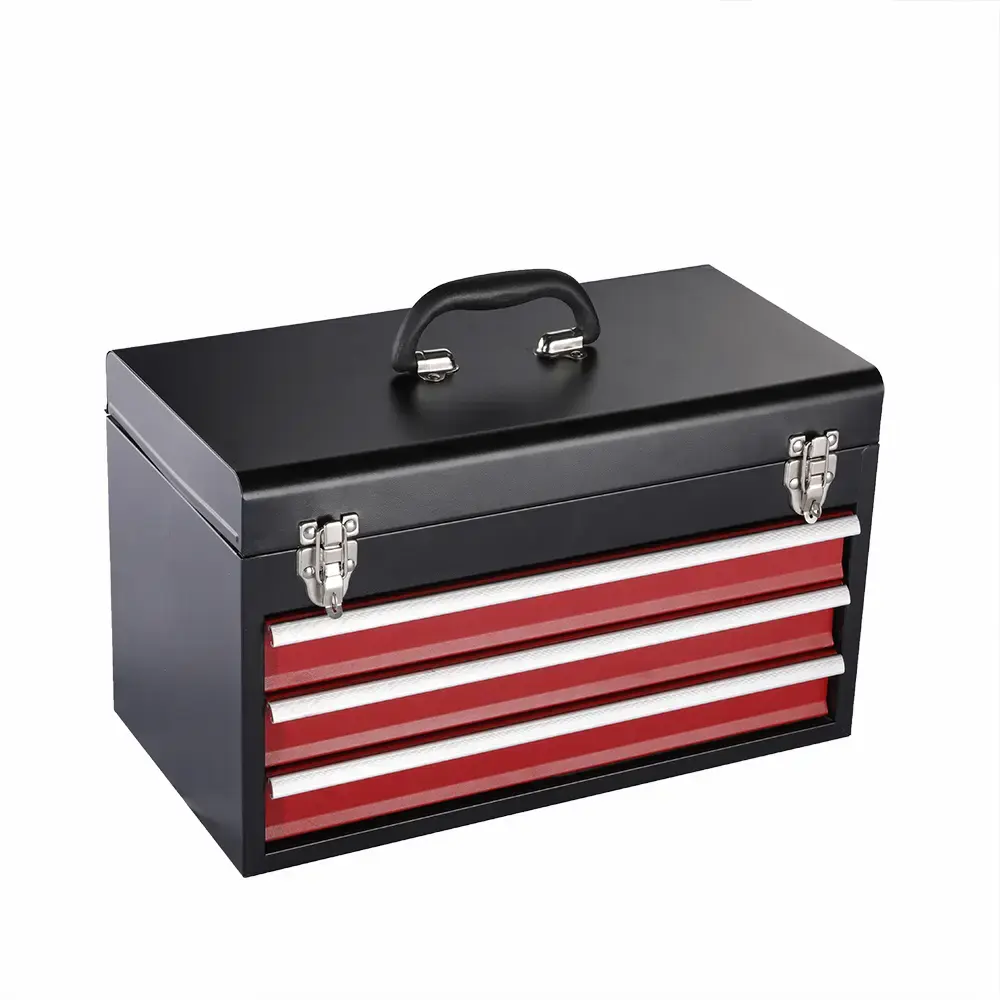

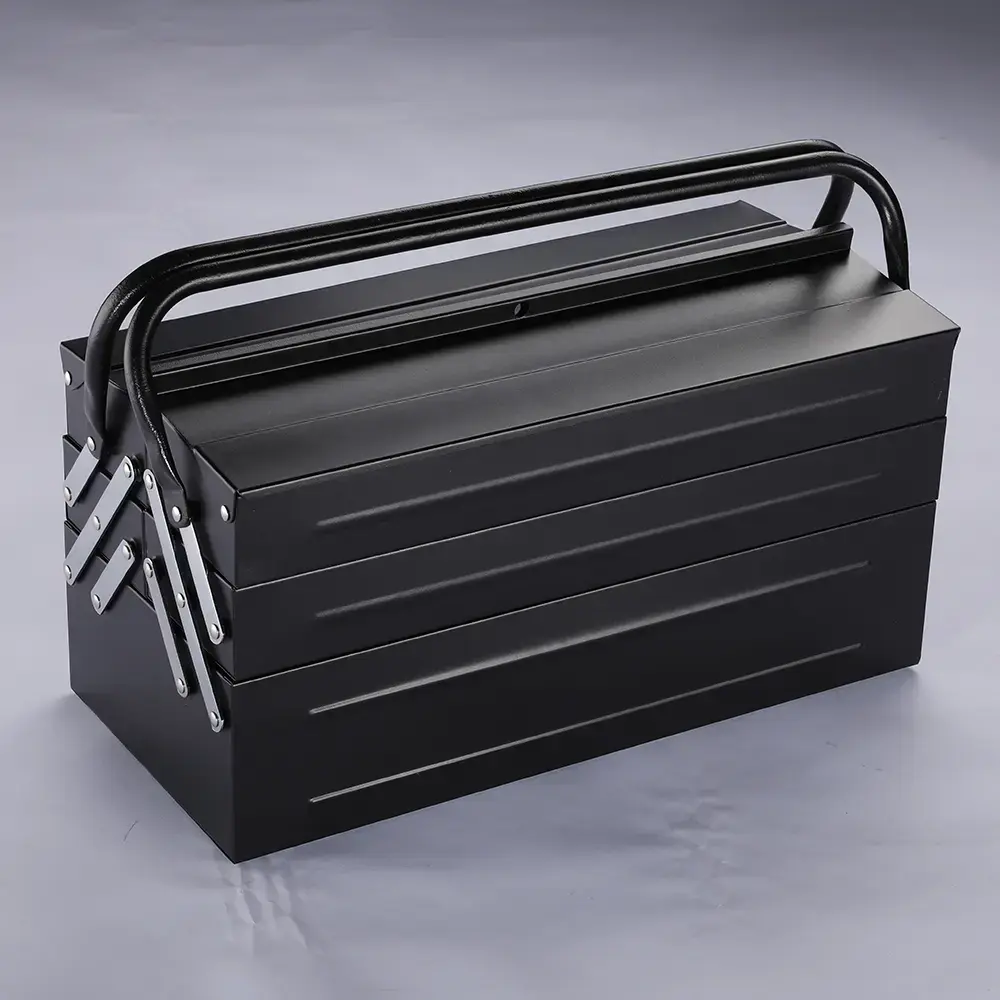
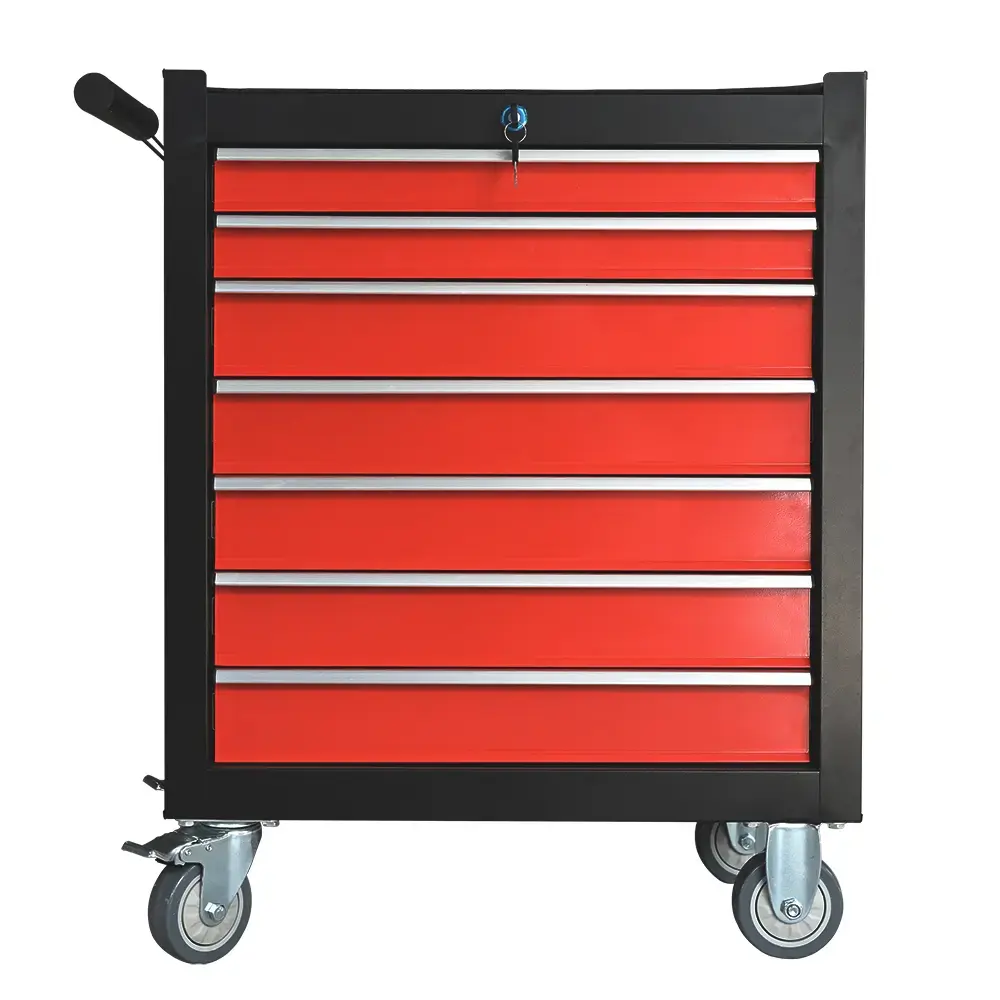


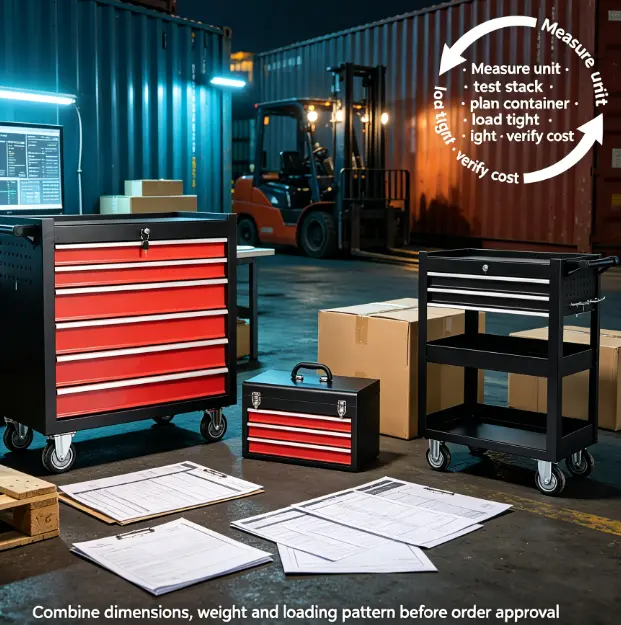

A Big Reveal of the Materials of Mobile Tool Cabinets
When choosing a mobile Tool Cabinet, the selection of material is of vital importance as it directly affects the durability, weight, corrosion resistance and cost of the tool cabinet. The common materials for mobile tool cabinets include cold-rolled steel, aluminum alloy and stainless steel. This article will reveal the advantages and disadvantages of these materials for you and help you choose the most suitable material for your tool cabinet based on your own needs.
First, cold-rolled steel material
Cold-rolled steel is a type of steel made through cold working techniques, featuring high strength and hardness. Its advantages include:
High strength: The tool cabinet made of cold-rolled steel can withstand considerable weight and impact, making it suitable for storing heavy tools.
Lower cost: Compared with aluminum alloy and stainless steel, cold-rolled steel has a relatively lower cost, making it suitable for users with limited budgets.
However, cold-rolled steel also has some disadvantages:
Heavy weight: Due to its high density, cold-rolled steel tool cabinets are relatively heavy, which may not be conducive to frequent movement.
Corrosion resistance is average: In a humid environment, cold-rolled steel is prone to rust and requires regular maintenance.

Second, aluminum alloy material
Aluminum alloy is a lightweight metal and is widely used in the manufacturing of mobile tool cabinets. Its advantages include:
Lightweight: The aluminum alloy tool cabinet is lightweight, making it easy to move and transport.
Corrosion resistance: Aluminum alloy has excellent corrosion resistance and is suitable for use in various environments.
The main disadvantages of aluminium alloy are:
High cost: Compared with cold-rolled steel, aluminum alloy has a higher cost and may not be suitable for users with very tight budgets.
Relatively low strength: Although aluminum alloy has good strength, it may not be as strong as cold-rolled steel when bearing extremely heavy objects.
Third, stainless steel material
Stainless steel is a material with extremely strong corrosion resistance and is widely used in high-end mobile tool cabinets. Its advantages include:
Strong corrosion resistance: Stainless steel performs well in damp or highly saline environments and hardly rusts.
Easy to clean: The stainless steel surface is smooth, making it easy to clean and maintain.
The disadvantages of stainless steel are:
The highest cost: Among the three materials, stainless steel has the highest cost and may not be suitable for users with limited budgets.
Heavy weight: Although not as heavy as cold-rolled steel, stainless steel tool cabinets are still relatively heavy.
Fourth, how to choose the appropriate material
When choosing a mobile tool cabinet, you need to decide on the material based on your own needs and budget
Limited budget: If the budget is limited, cold-rolled steel might be the most suitable choice as it has a lower cost.
Frequent movement required: If the tool cabinet needs to be moved frequently, aluminum alloy might be the best choice due to its lightness.
Damp environment: If the tool cabinet is to be placed in a damp environment, stainless steel may be the best choice due to its excellent corrosion resistance.
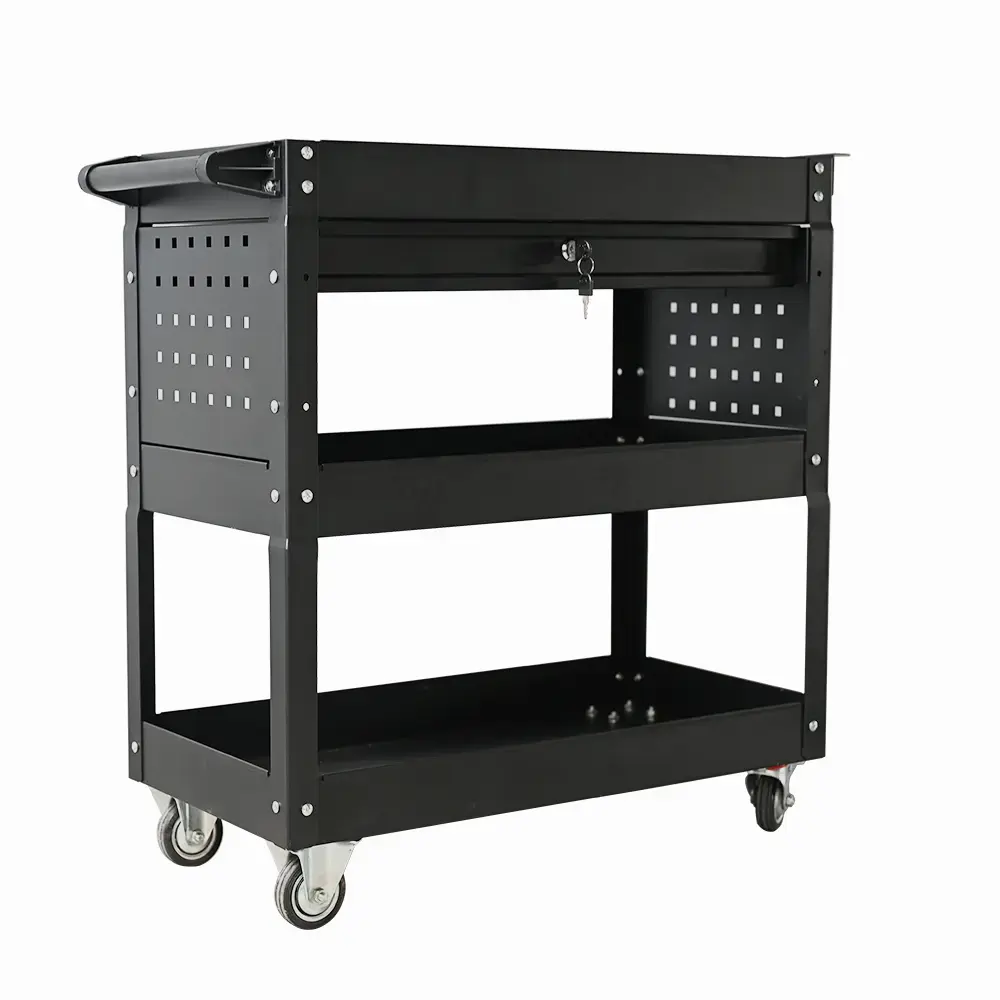
The material selection for a mobile tool cabinet should be comprehensively considered based on factors such as its strength, weight, corrosion resistance and cost. Cold-rolled steel, aluminum alloy and stainless steel each have their own advantages and disadvantages, and are suitable for different application scenarios and requirements. Understanding the characteristics of these materials can help you make a wiser choice and find the tool cabinet that best suits your needs.