
Leave Your Message
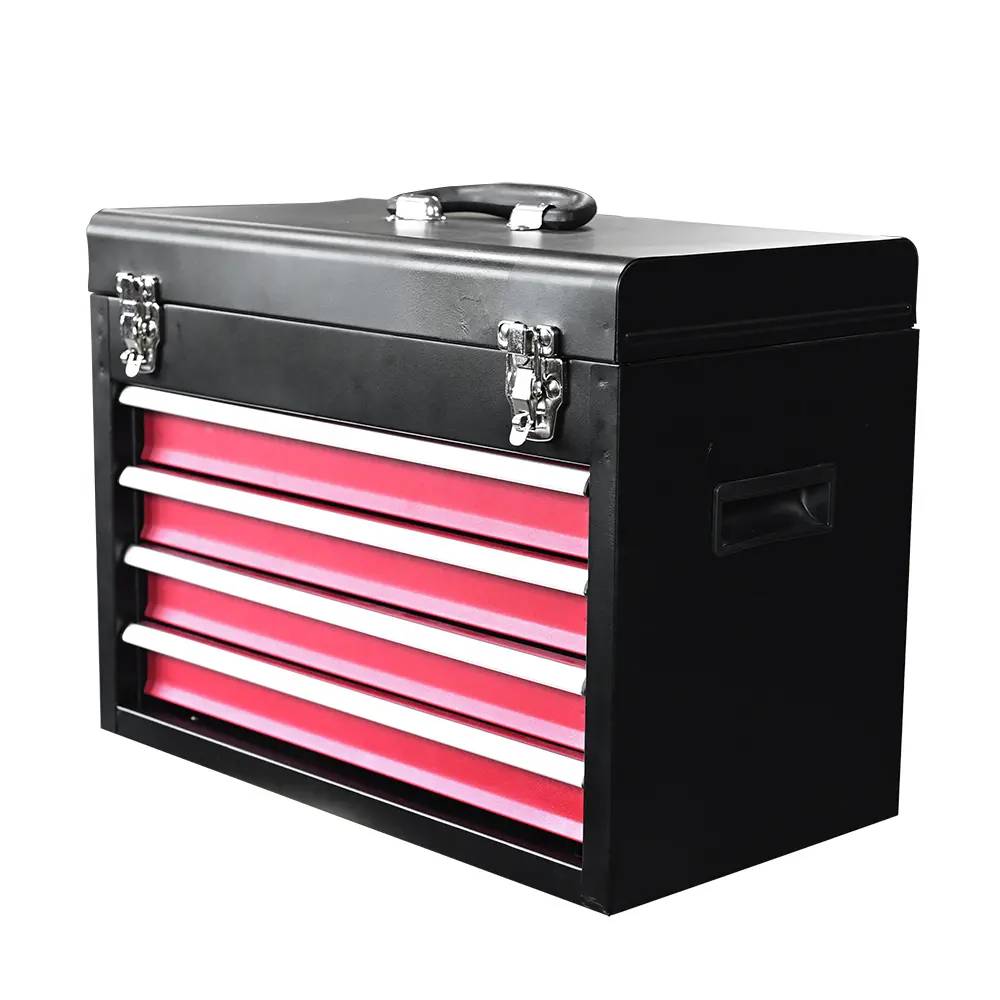
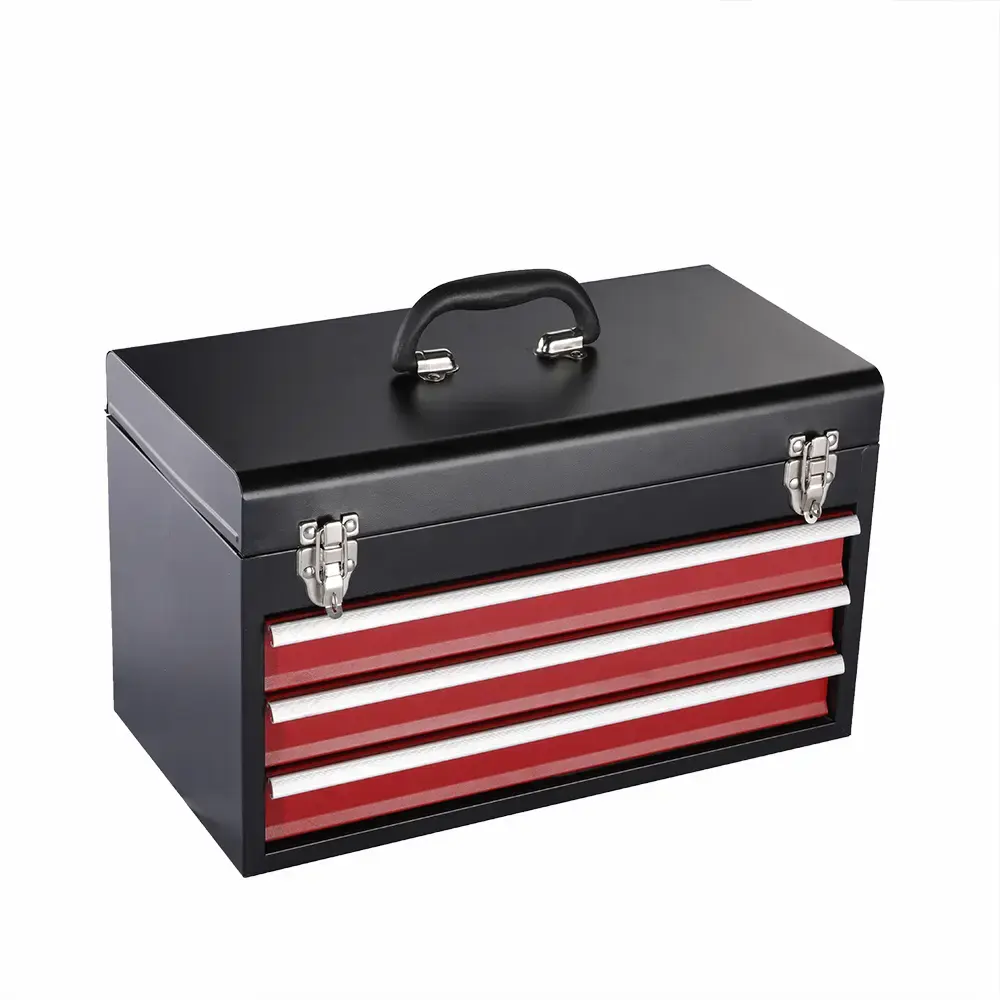

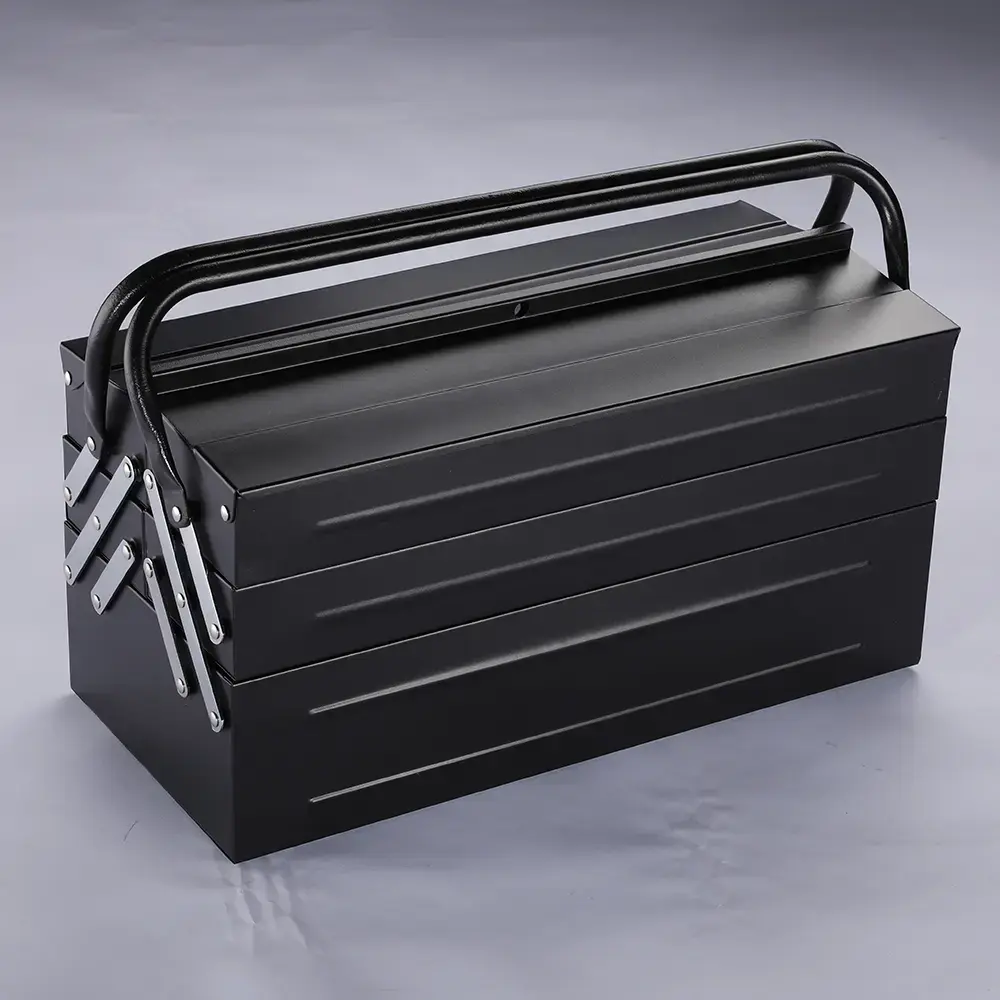
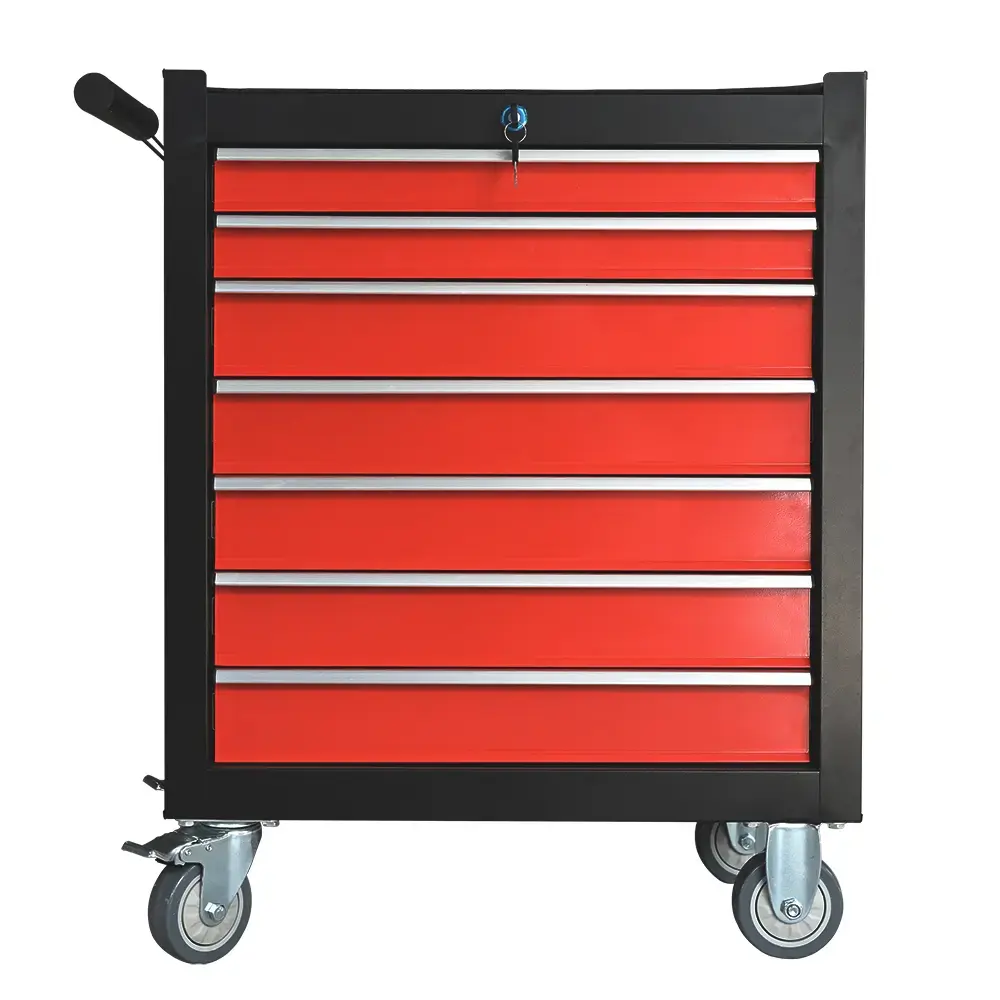


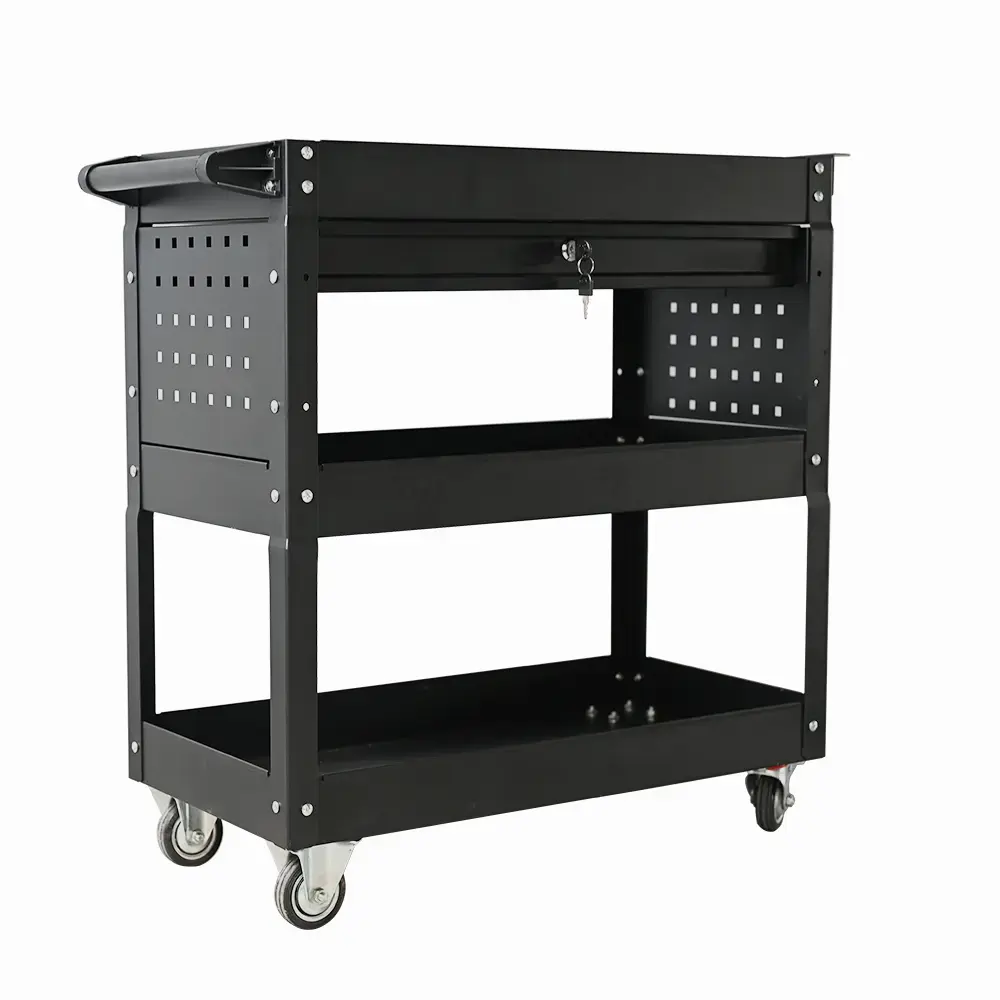
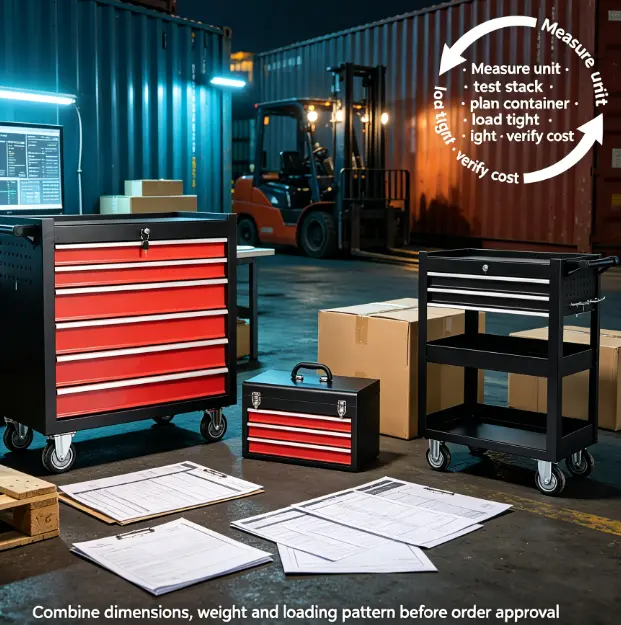

A Comprehensive Analysis of the Mobile Tool Cabinet Drawer System: Slide Rails, Partitions and Load-bearing Design
In various working scenarios, mobile Tool Cabinets are indispensable assistants, and their drawer systems are directly related to the user experience and efficiency. Today, we will delve into the drawer system of the mobile tool cabinet, covering aspects such as the type of slide rails, the partitioning method, and the load-bearing design, allowing you to fully understand its mysteries.
Slide rail type: The key to a smooth experience
The commonly used slides for mobile tool cabinets include ball slides and damping slides. Ball slide rails are usually composed of multiple precisely arranged balls. The balls roll between the tracks, significantly reducing friction. The advantages of this type of slide rail are very obvious. It can make the opening and closing of drawers extremely smooth. Even with frequent use, it can still maintain a smooth operation experience. When carrying heavy loads, ball guides can also easily handle the situation with their uniform force distribution, thus extending their service life. In many factory workshops, tool cabinets are used where a large number of tools are frequently accessed. Ball slide rails can ensure that the drawers are always flexible and easy to use.
The damping slide rail has a unique "gentle" characteristic. When the drawer is closed to the last distance, the damping device will come into play to slow down the closing speed of the drawer and prevent the drawer from hitting the cabinet body due to excessive force, which may cause noise and damage. This type of slide rail is particularly suitable for scenarios that require a quiet working environment, such as precision instrument repair shops. The damping slide rail not only prevents tools from being damaged by collisions but also maintains a quiet working atmosphere. Moreover, to a certain extent, it can also protect the slide rail itself and the cabinet structure, and extend the overall service life of the mobile tool cabinet.

Separation method: Create personalized storage
There are mainly two ways to separate drawers: fixed separation and adjustable separation. Fixed partitioning is to divide the internal space when making the drawer, and the size of each area is fixed. This method is suitable for storing tools with relatively fixed shapes and sizes. For instance, drawers specifically designed for various types of wrenches have fixed compartments that allow the wrenches to be neatly arranged, making them easy to access and preventing the tools from shaking or colliding inside the drawers. In some auto repair shops, commonly used tool sets have fixed sizes and shapes, and fixed compartments of drawers can fit well.
Adjustable partitions are more flexible and diverse. By using movable partitions, users can freely adjust the space layout inside the drawer according to the size and quantity of the tools actually stored. Today, there are many and various tools stored. Tomorrow, there might be large tools to be placed, and the adjustable divider comes in handy. The tool cabinets of home DIY enthusiasts often need to handle a variety of different tools. Adjustable compartments allow them to easily adjust the internal structure of the drawers according to each tool used, achieving efficient storage.
Load-bearing design: The guarantee of load-bearing work
Load-bearing design is one of the core considerations for the drawer system of mobile tool cabinets. The load-bearing capacity of a drawer directly determines the types and quantities of tools it can store. Generally speaking, the load-bearing capacity of a drawer is determined by the sliding rails, the material of the cabinet body, and the overall structural design. The slide rails and cabinet body made of high-quality steel, combined with a reasonable structure, can bear a greater weight. The drawers of the heavy-duty mobile tool cabinet, with reinforced slide rails and thick cabinet side panels, can each bear a weight of several hundred kilograms, meeting the storage requirements of heavy tools in large factories.
In practical use, the tools should be reasonably allocated to drawers with different load-bearing capacities according to their weight. For convenience, do not concentrate overly heavy tools in a drawer with limited load-bearing capacity. This not only affects the service life of the drawer but may also lead to safety hazards. Regularly inspect the slide rails of the drawers and the structure of the cabinet to check for any deformation, damage or other conditions, ensuring that the drawers are always in good load-bearing condition.
Understanding these key elements of the drawer system of the mobile tool cabinet can help you make wiser decisions when purchasing and using it, and enable the mobile tool cabinet to better serve your work.
