
Leave Your Message
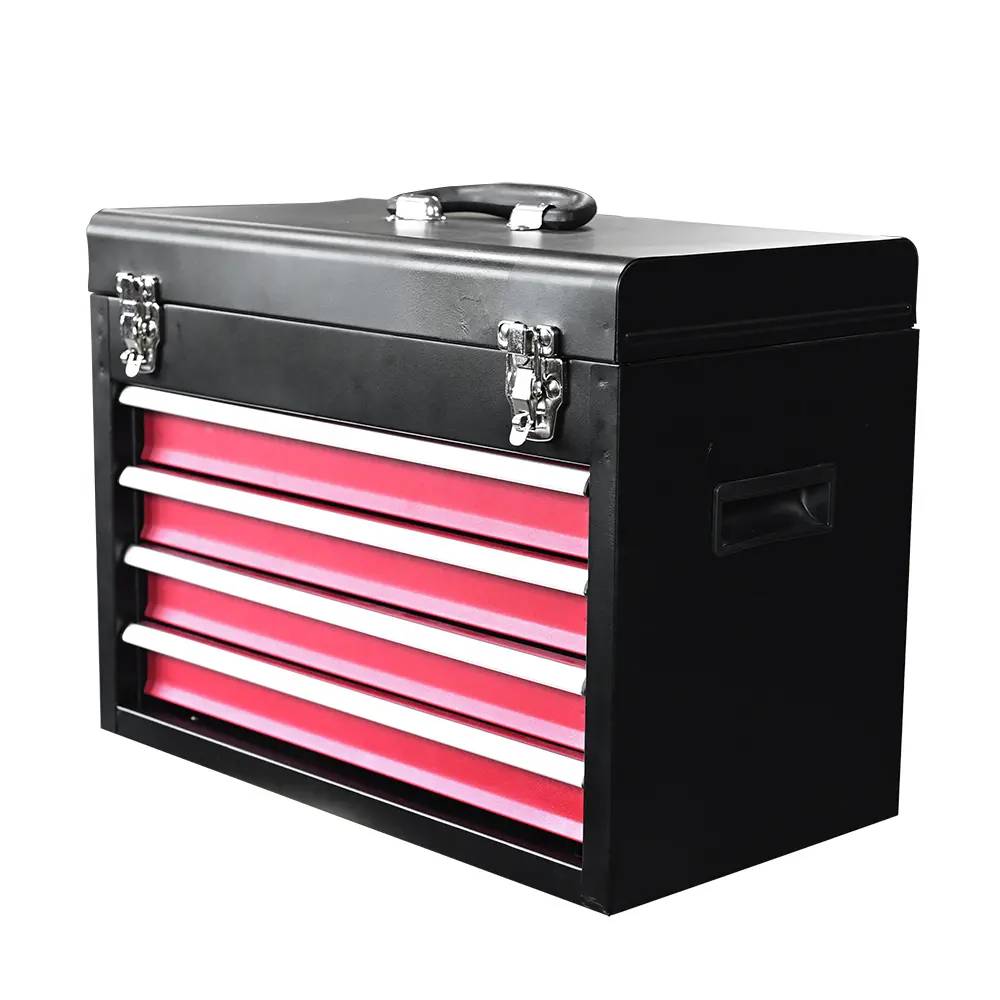
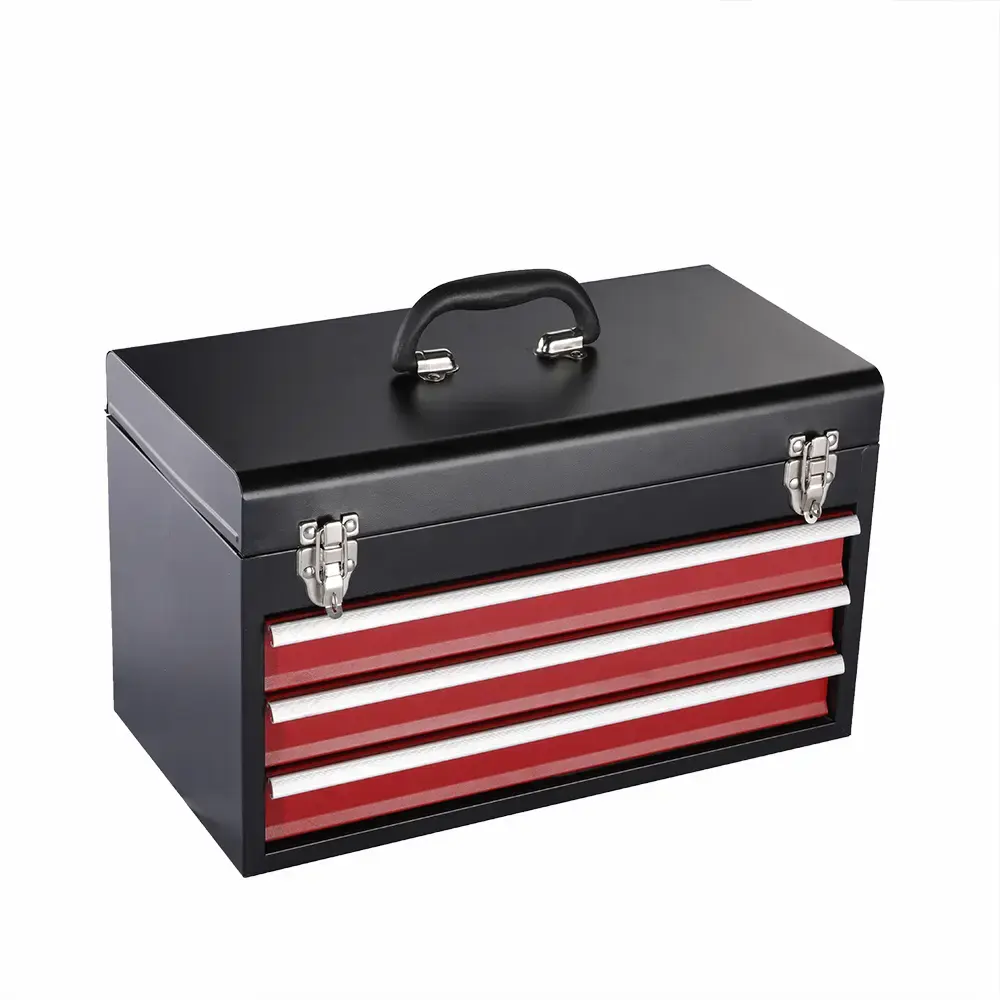

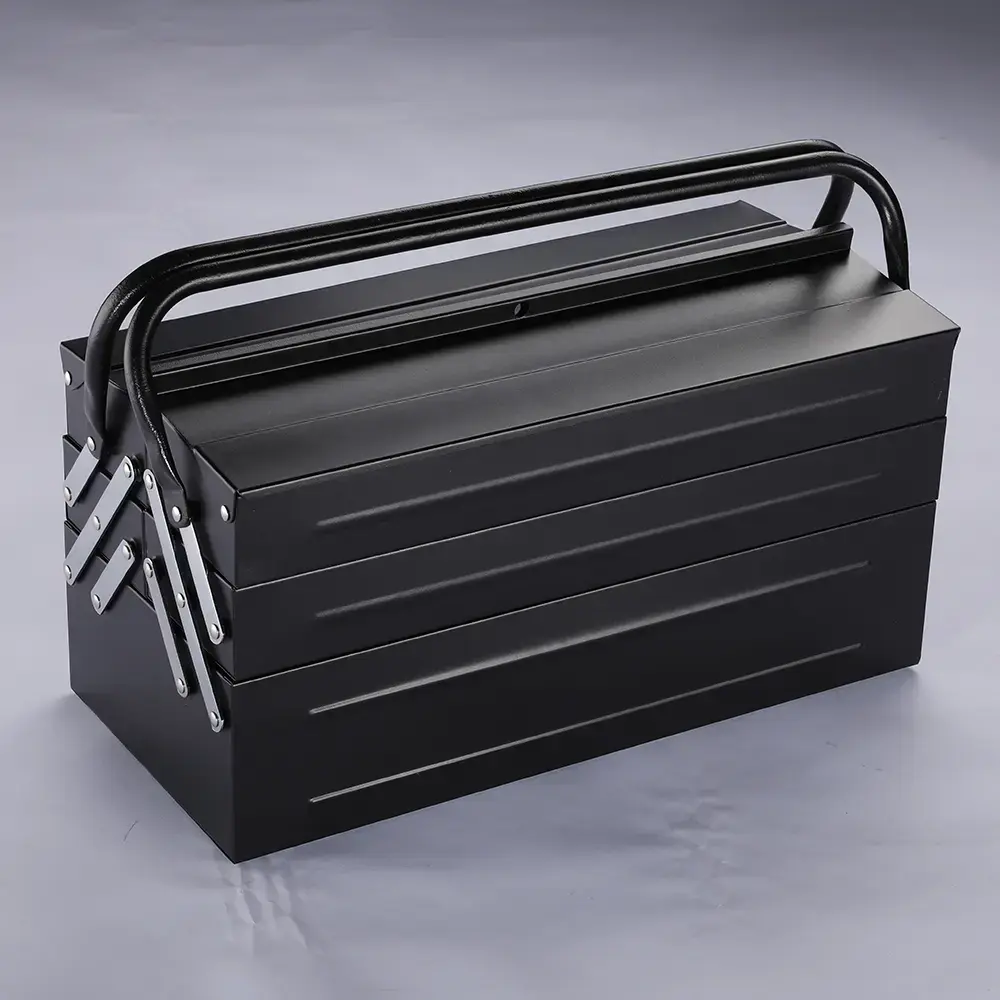
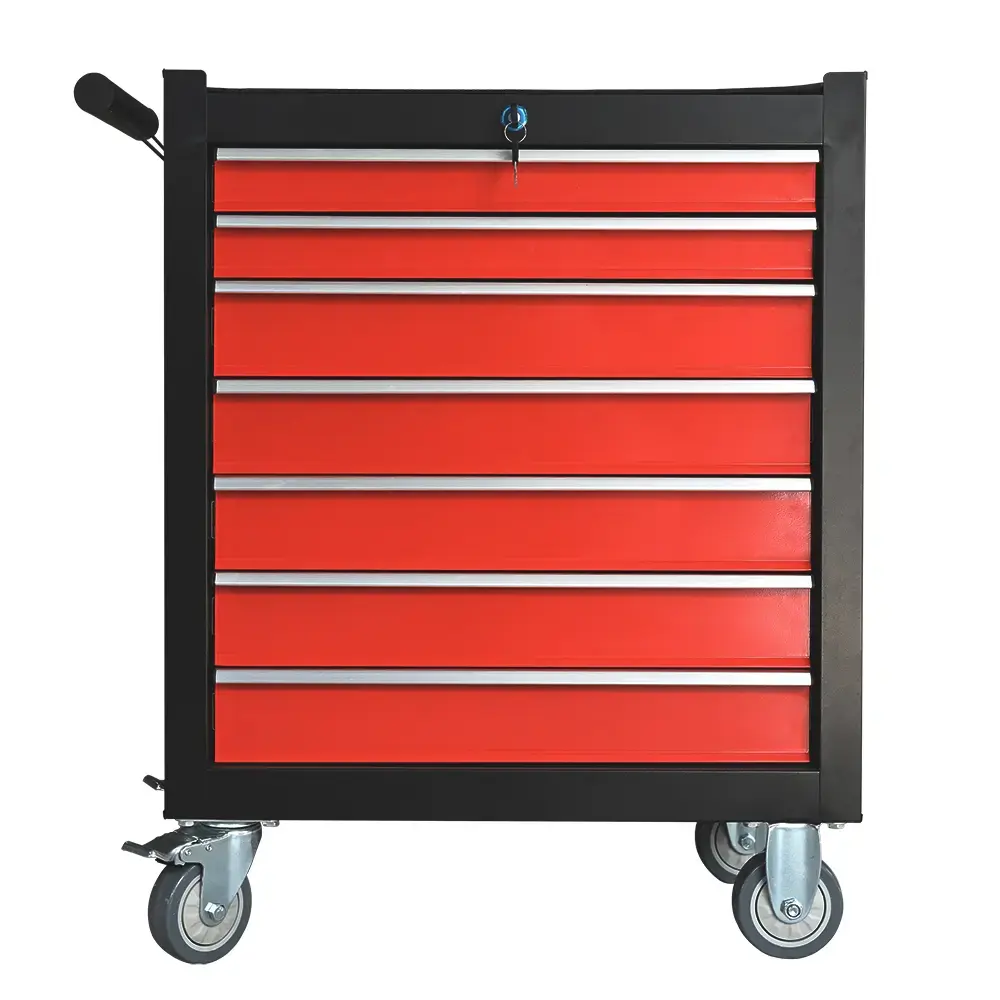


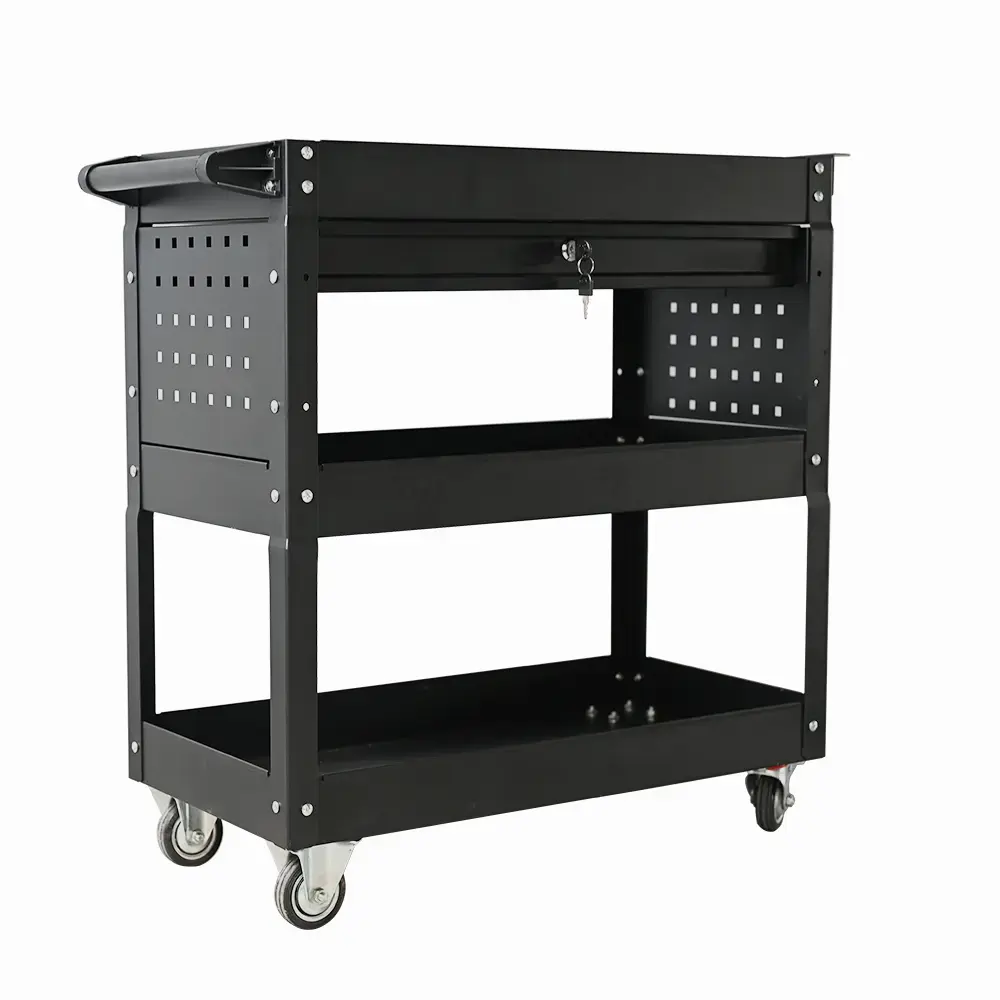
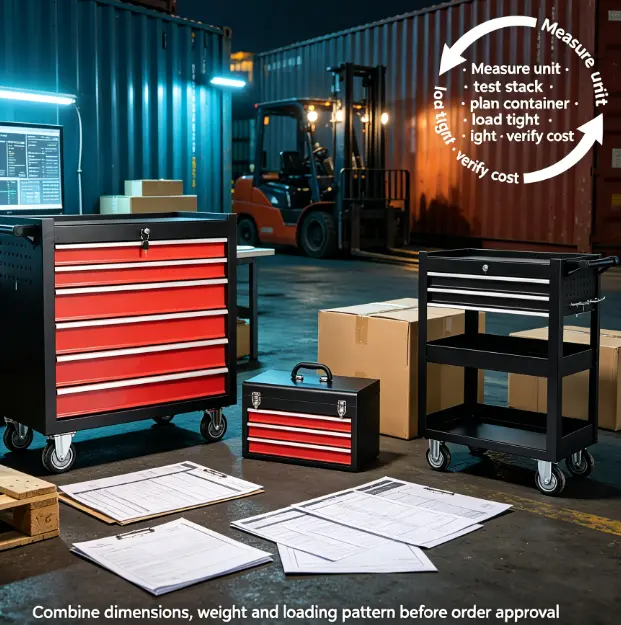

A deep analysis of the ergonomic design of mobile tool cabinets
In industrial operations and daily maintenance scenarios, mobile Tool Cabinets are important carriers for storing and accessing tools. For international wholesale purchasers and end users, an ergonomically designed mobile tool cabinet can not only significantly reduce fatigue during operation but also greatly enhance work efficiency. Next, we will delve into how ergonomics empowers the practicality and comfort of mobile tool cabinets from key design factors such as height, handle position, and drawer opening and closing angles.
Appropriate height: In line with the natural posture of the human body
The height design of the mobile tool cabinet directly affects the user's operation experience. The scientific height setting should conform to the range where the arms naturally droop and extend when the human body is standing. If the tool cabinet is too low, the user will have to frequently bend over to take and put in tools. Maintaining this posture for a long time can easily cause muscle strain in the waist. If it is too high, you need to stand on tiptoes or raise your arms to increase the burden on your shoulders and arms. The ideal height of a tool cabinet should be such that frequently used tools are easily accessible to users without having to bend over or raise their hands excessively. Generally speaking, it is appropriate to keep the overall height of a tool cabinet between 80 and 110 centimeters. The height of each drawer layer should also be reasonably divided based on the size and frequency of use of the tools to ensure that all kinds of tools are within easy reach and to reduce unnecessary bending and stretching of the body.

Handle position: Optimize handling comfort
The handle, as the control component of the mobile tool cabinet, its position and design are related to the ease of effort and comfort when pushing or pulling. Ergonomic handles should be installed on the side or the upper middle of the front of the tool cabinet, at a height approximately level with the natural drooping height of the human wrist. Such a position setting enables the user's arms to swing naturally and apply force smoothly when pushing or pulling the tool cabinet, avoiding fatigue caused by excessive bending or stretching of the arms. In addition, the shape and material of the handle are equally important. The arc-shaped design can fit the contour of the palm and reduce the sense of local pressure. The anti-slip material can ensure a stable grip in various working environments, reduce the risk of accidental dropping, and make the movement of the tool cabinet easier and safer.
The opening and closing Angle of the drawer: A balance between convenience and safety
The opening and closing Angle of the drawer directly affects the convenience of taking tools and the safety of operation. If the opening Angle of the drawer is too small, the user will find it difficult to clearly see the layout of the tools inside. When taking out small tools, they will have to fumble repeatedly, which will reduce work efficiency. If the Angle is too large, it will not only occupy too much space but also may cause the tool cabinet to tip over due to the shift of the center of gravity. A reasonable opening and closing Angle for drawers is usually between 90° and 120°. This Angle can not only fully display the tools inside the drawer, facilitating quick search and access, but also maintain the overall stability of the tool cabinet. At the same time, the design of the drawer's slide rail is also of vital importance. A high-quality slide rail should have smooth sliding performance and buffering function, reducing the resistance and impact force when opening and closing, avoiding tool collision damage caused by excessive force, and the buffering effect when closing the drawer should prevent hands from being pinched, ensuring the safety of the user.

Other detailed designs: Comprehensively enhance the experience
In addition to the above key factors, the ergonomic design of the mobile tool cabinet is also reflected in many details. For instance, the internal zoning layout of the tool cabinet should be scientifically planned based on the frequency and size of tool usage. Frequently used tools should be placed on the outer side and upper layer, while less frequently used ones should be stored on the inner side and lower layer. Adjustable partitions can be added inside the drawer to flexibly adapt to the shapes of different tools. In addition, the design of the casters at the bottom of the tool cabinet should also be ergonomic. The swivel casters combined with the braking device not only ensure flexible movement but also prevent sliding when in a fixed position. Moreover, the load-bearing capacity and noise reduction effect of the casters are equally important, ensuring that the tool cabinet moves smoothly and quietly, reducing noise interference and ground wear.