
Leave Your Message




At home, how to choose the most suitable way to assemble different tool cabinets
In home life, it is inevitable to have needs such as repairs and DIY. At such times, a practical Tool Cabinet becomes particularly important. However, there are numerous types of tool cabinets on the market. How can one choose and assemble a tool cabinet that suits their home? Here is a detailed introduction for you.
Select based on the type and quantity of tools
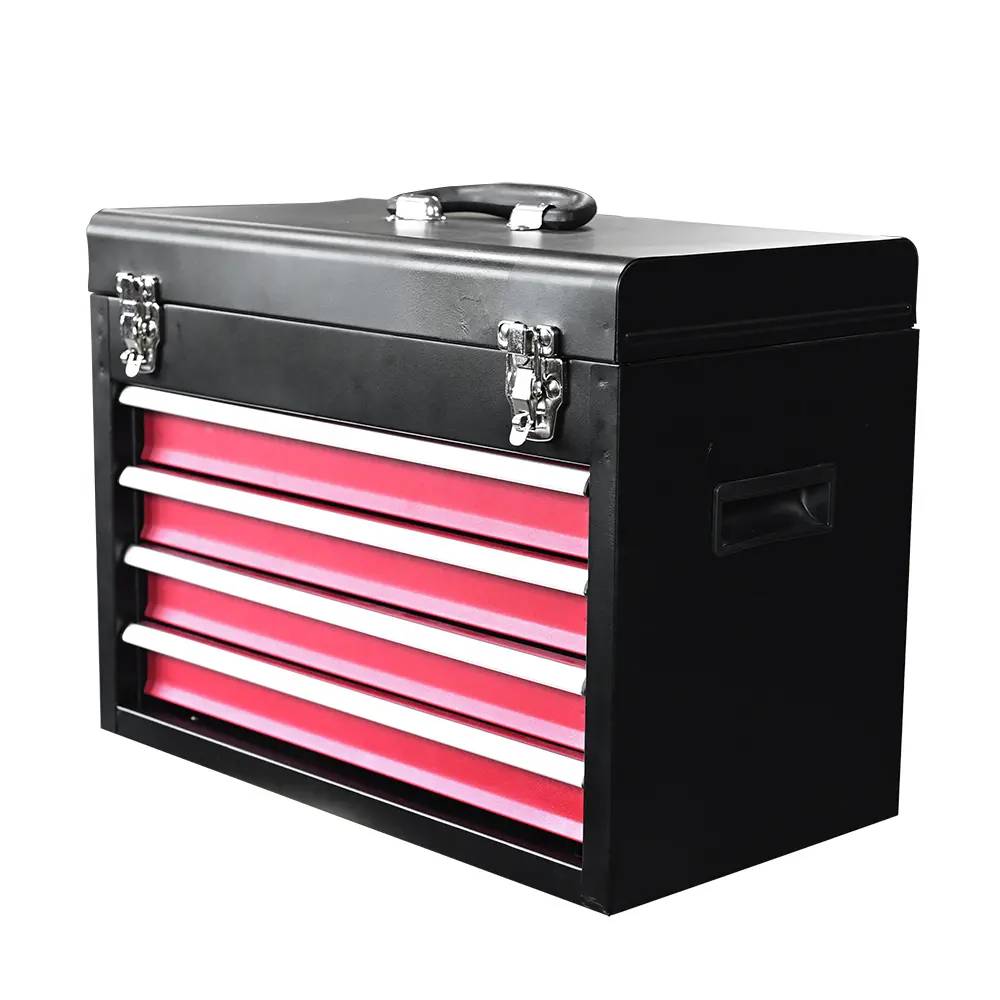
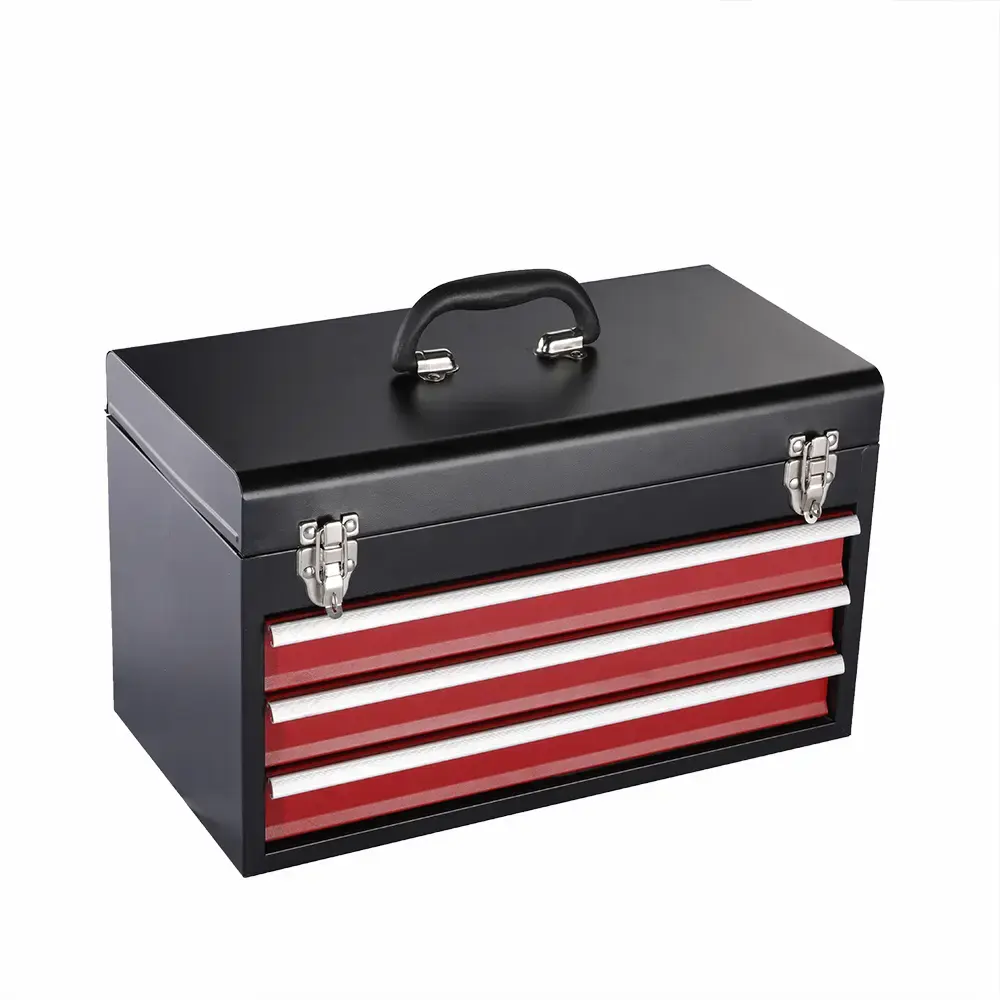
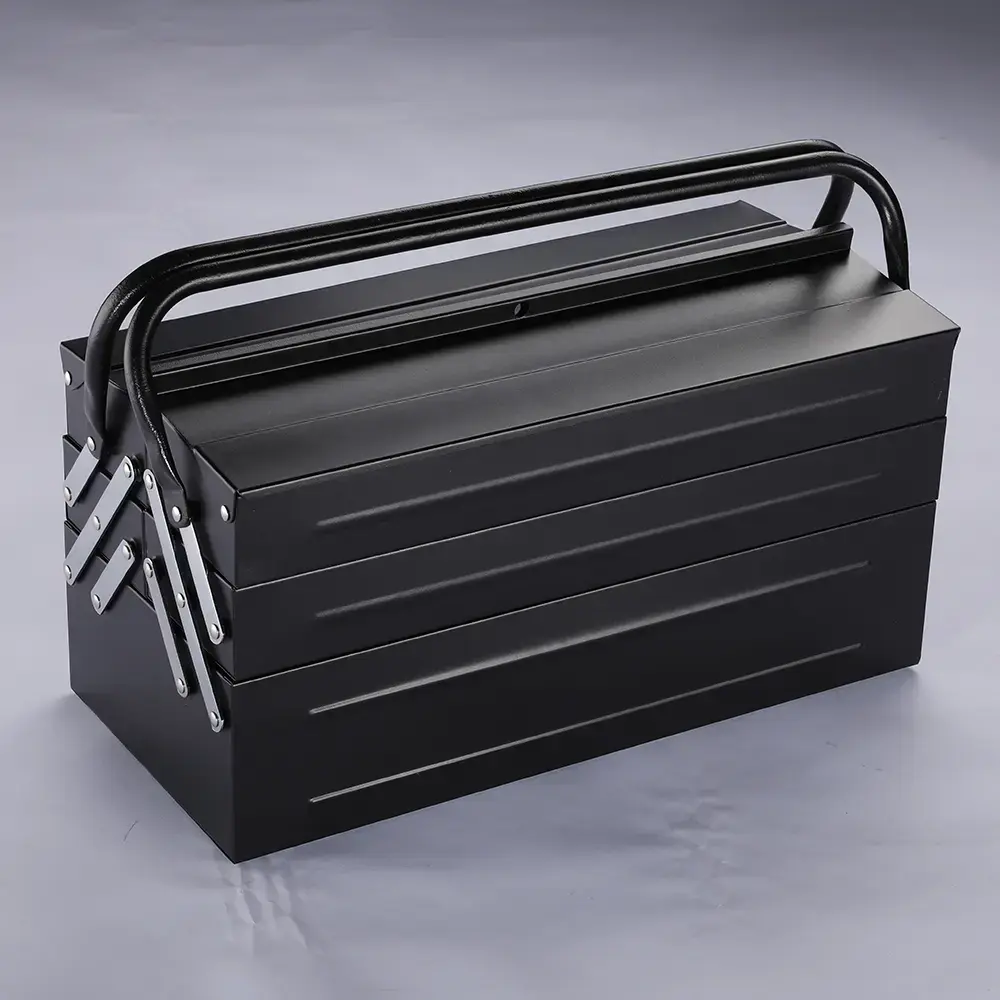
First of all, you need to count the tools at home. If you are a DIY enthusiast and own a large number of tools such as electric drills, electric saws, wrenches, screwdrivers, etc., you need to choose a tool cabinet with a large capacity and multiple functional zones. For example, there are styles with multiple drawers and compartments. The drawers can hold small tools and parts, while the compartments can be used to hold large tools. If you only do occasional simple home repairs and only have a few commonly used tools such as screwdrivers and hammers, a small single-door tool cabinet or a wall-mounted tool rack is sufficient. They don't take up much space and are convenient to use.

Consider the size and layout of the space
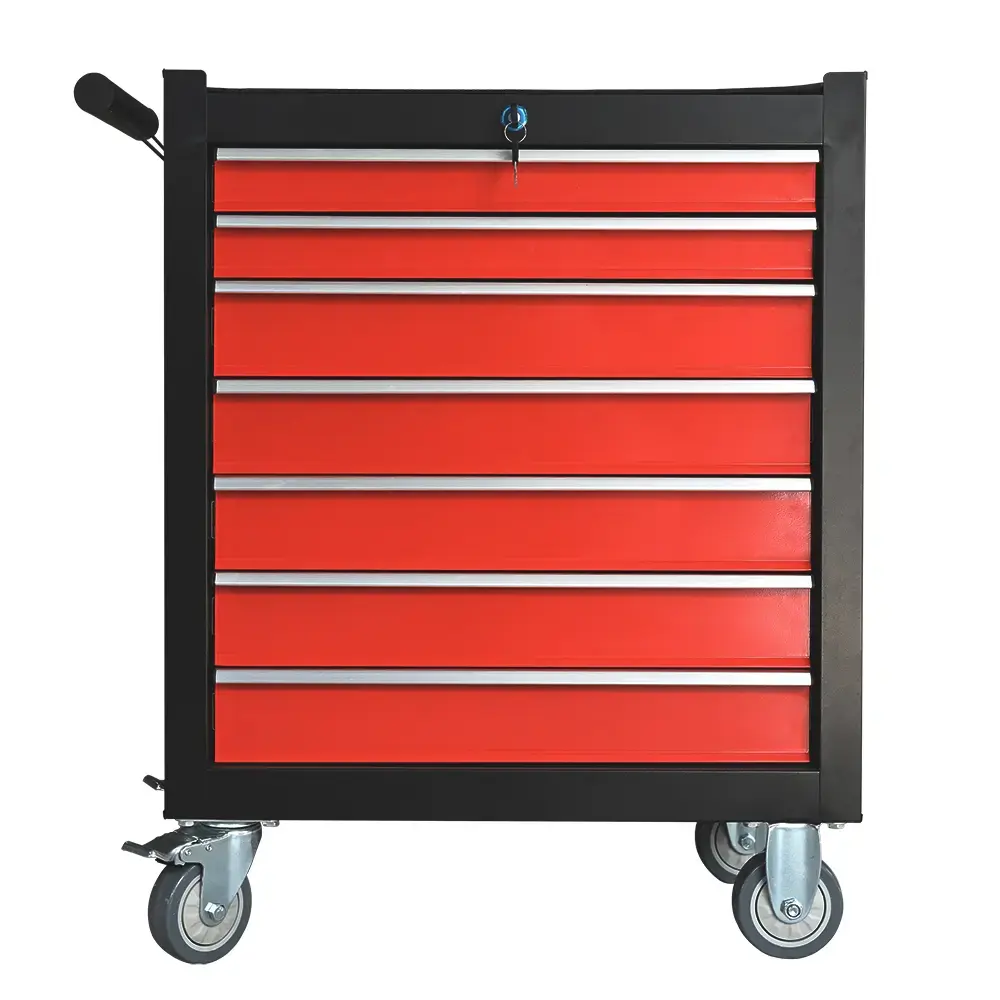
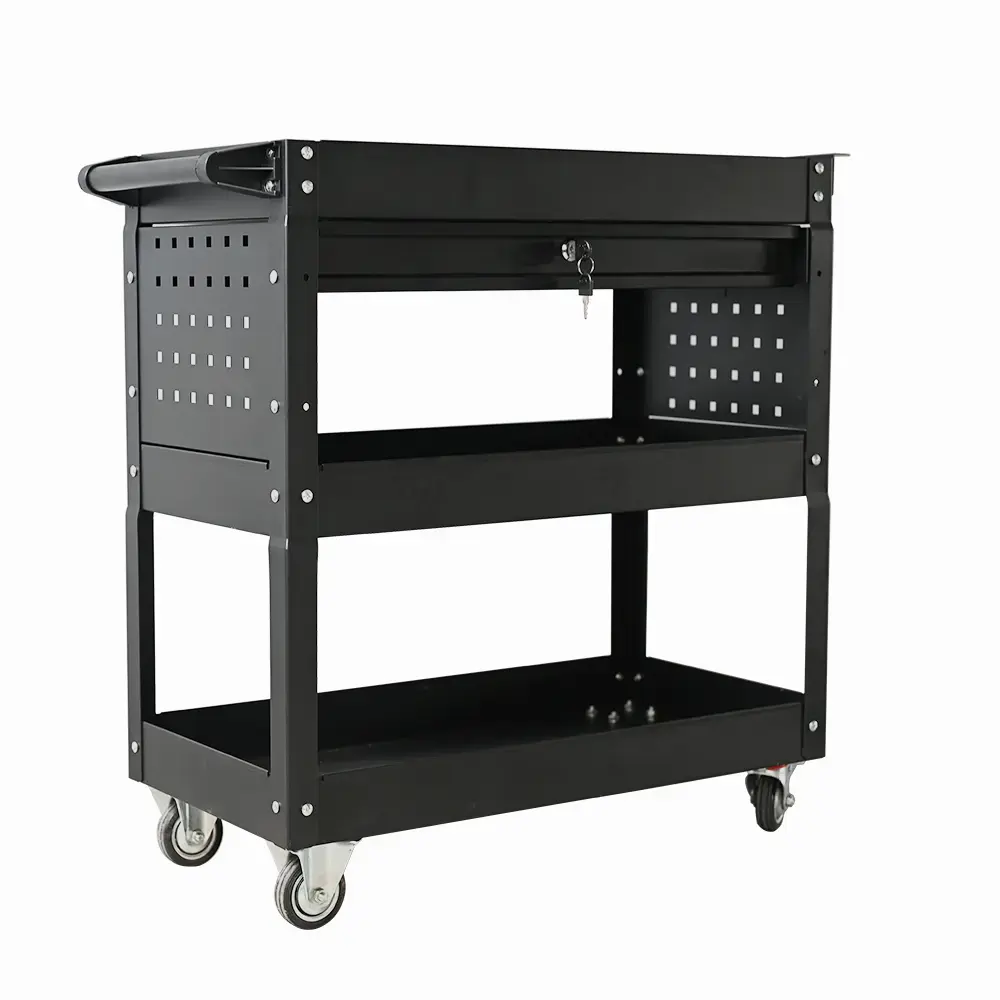
Spatial factors are crucial when choosing a tool cabinet. If your home has an independent storage room or garage, you can choose a larger-sized floor-standing tool cabinet. This type of cabinet has strong storage capacity and good stability. If the space at home is limited, for instance, there is only a small balcony or corner that can be used to store tools, then consider choosing a small, wall-mounted tool cabinet or a mobile tool cabinet with wheels. When not in use, it can be pushed to the corner and pulled out at any time when needed. At the same time, the coordination between the tool cabinet and the surrounding environment should also be taken into consideration to avoid affecting the overall beauty of the home.
Pay attention to the material of the tool cabinet
1.Steel tool cabinets: They are sturdy and durable, with strong load-bearing capacity, capable of withstanding heavy tools. They also have excellent anti-rust and moisture-proof properties, making them suitable for placement in garages, storage rooms and other environments. However, steel tool cabinets are relatively heavy and more expensive.
2. Wooden tool cabinet: With a natural appearance and good texture, it gives people a warm feeling and is suitable for placement in a home environment. It is relatively light in weight, making it convenient to move and assemble. However, its moisture-proof and rust-proof performance is not as good as that of steel tool cabinets. Special care should be taken when using it in a humid environment.
3. Plastic tool cabinet: It is lightweight, inexpensive and comes in a variety of colors, making it suitable for storing some small and relatively light tools. However, its sturdiness is not as good as that of metal materials, it is prone to damage and is not very suitable for placing heavy tools.
Understand the structure and function of the tool cabinet
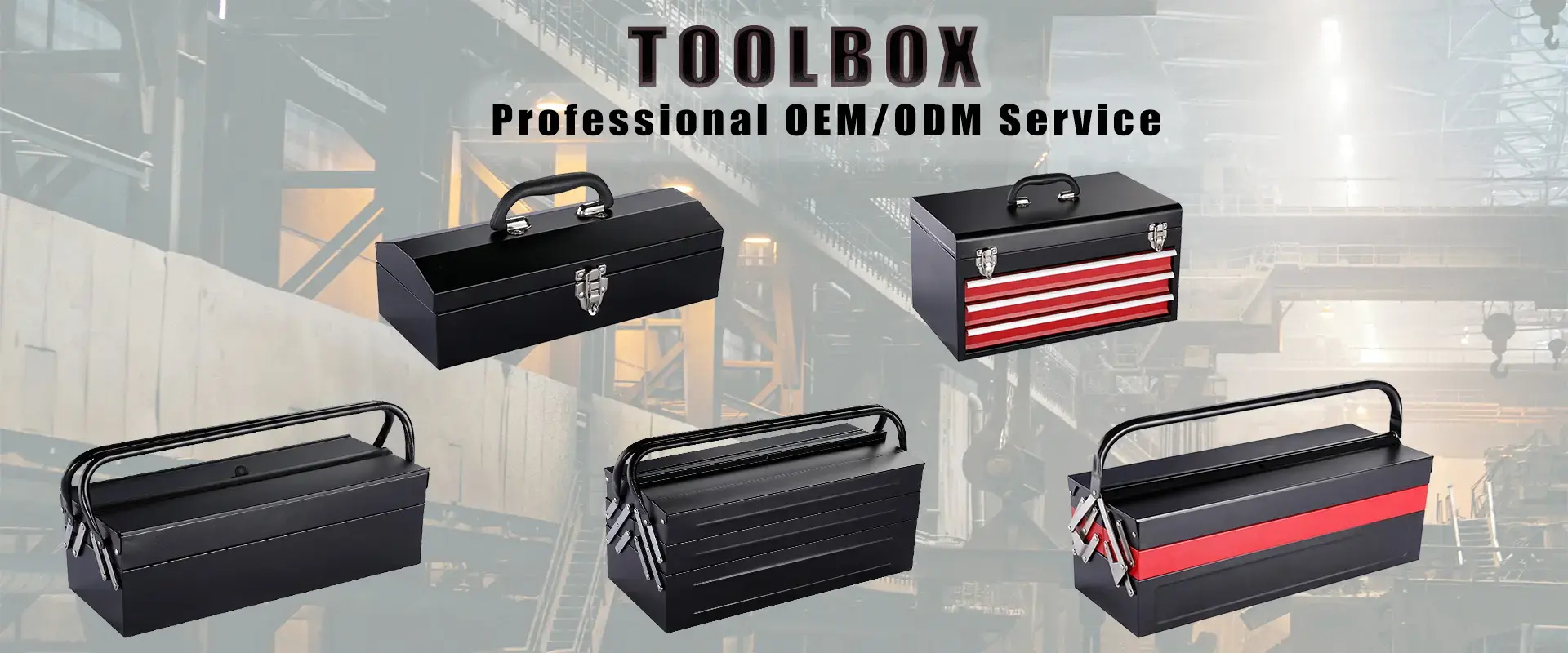
1. Drawer structure: The drawer-type tool cabinet is convenient for classifying and storing tools. Among them, the single-track drawer cannot be fully pulled out and has a relatively smaller load-bearing capacity. The double-track drawer can be fully pulled out and has a relatively large load-bearing capacity. The three-level rail drawer (ball guide rail) slides more smoothly and has better load-bearing capacity. If there are many and heavy tools, it is recommended to choose a tool cabinet with double or three-track drawers.
2. Cabinet door types: There are types such as swing doors and double doors. The tool cabinet with swing doors has good sealing performance and can prevent dust from entering. The double-door tool cabinet has a large opening space, making it convenient to take out large tools. You can choose according to your personal usage habits and the characteristics of the tool.
3. Functional accessories: Some tool cabinets are equipped with accessories such as hooks, partitions, and pegboards. The hooks can be used to hang tools with handles such as hammers and saws. The partition can be freely adjusted in height, facilitating the division of storage space. The pegboard can flexibly display and store various tools. When making a choice, you can select a tool cabinet with suitable accessories based on your own storage needs.
Choosing and assembling a suitable tool cabinet requires a comprehensive consideration of multiple factors such as tool types, space size, materials, and structural functions. Only in this way can a practical and convenient Tool Storage space be created, making home maintenance and DIY much easier.