
Leave Your Message
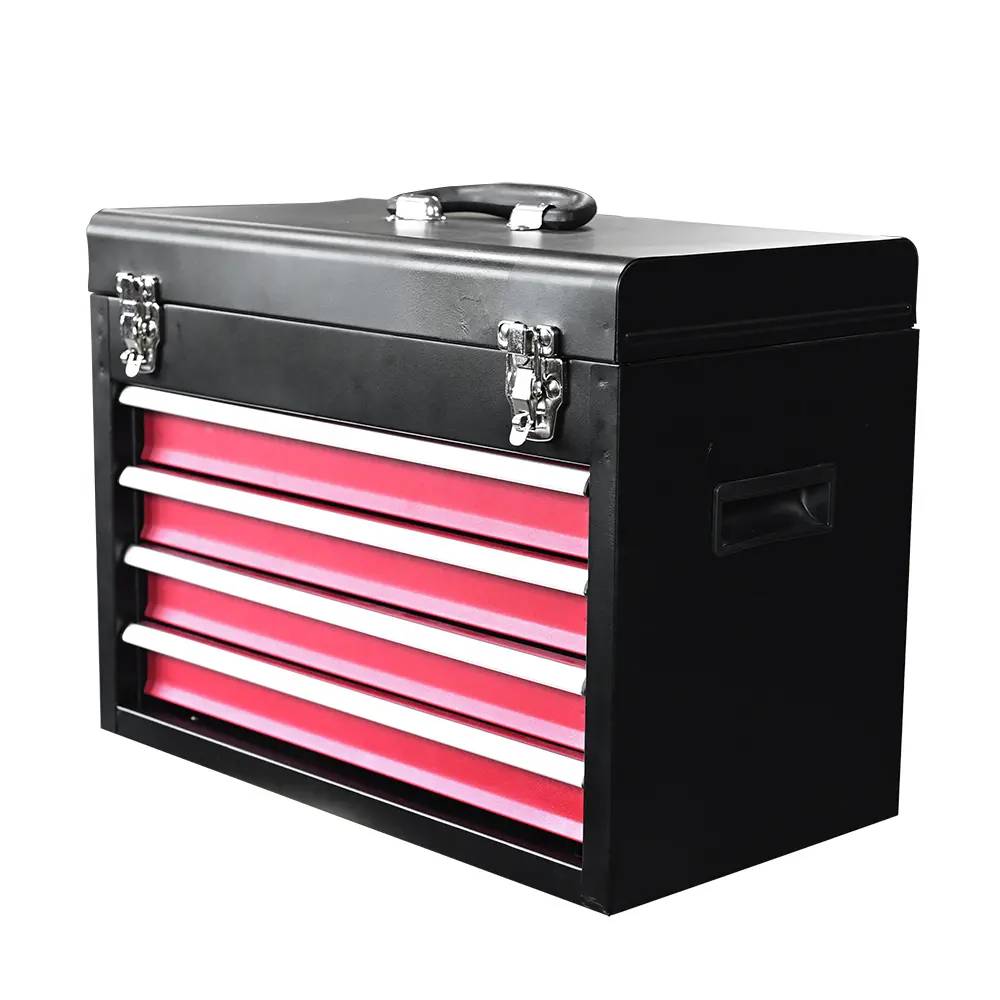
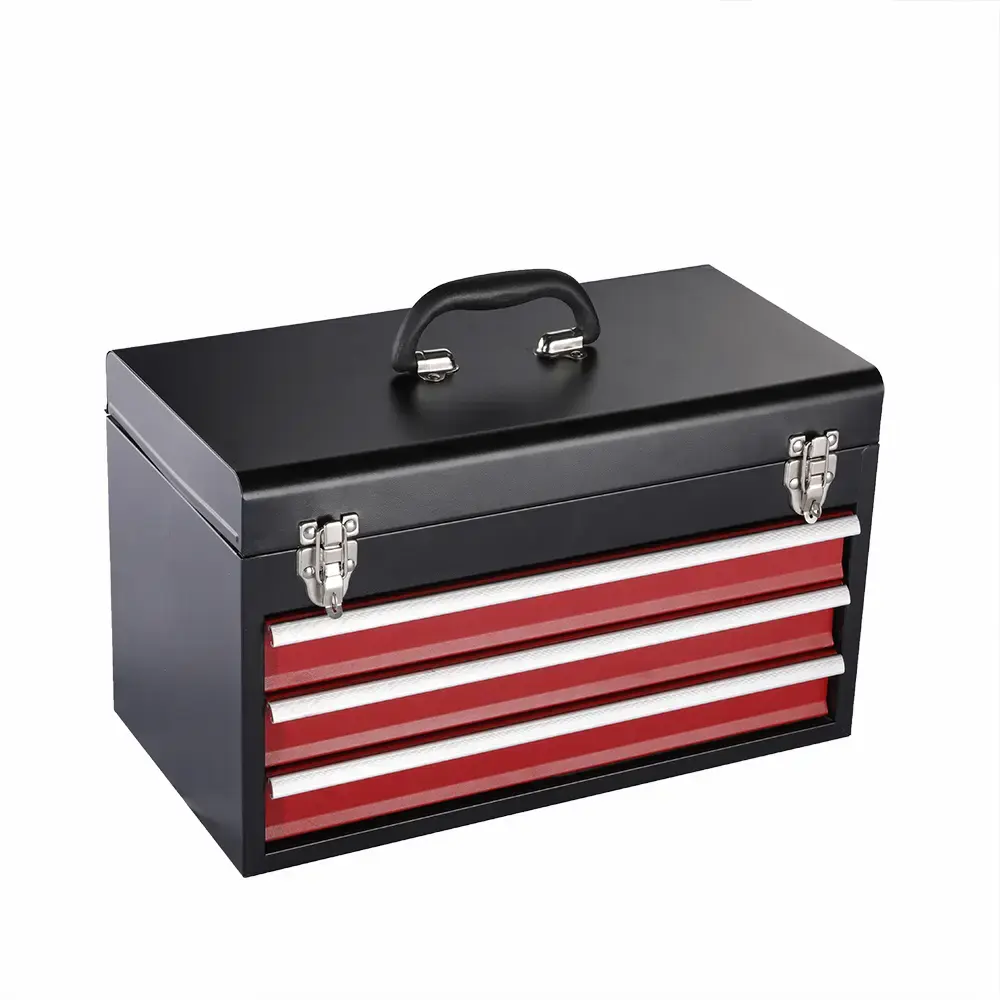

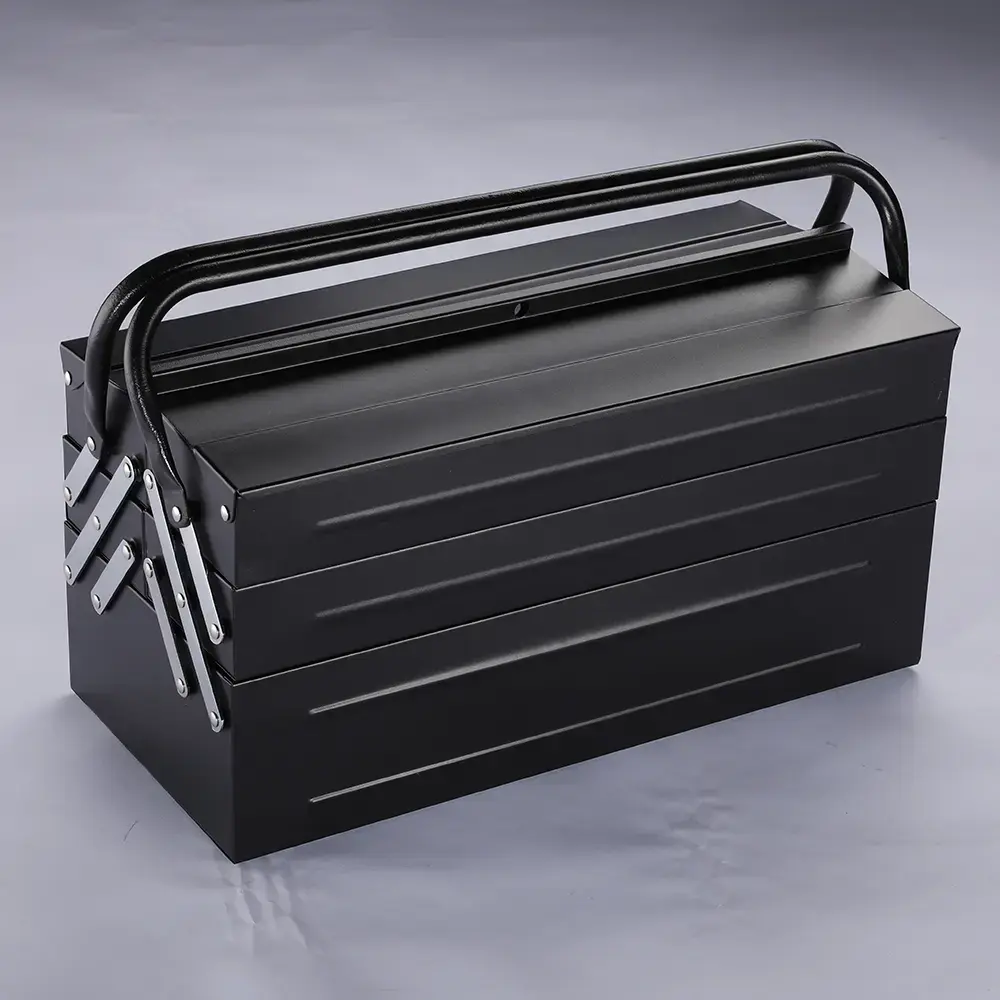
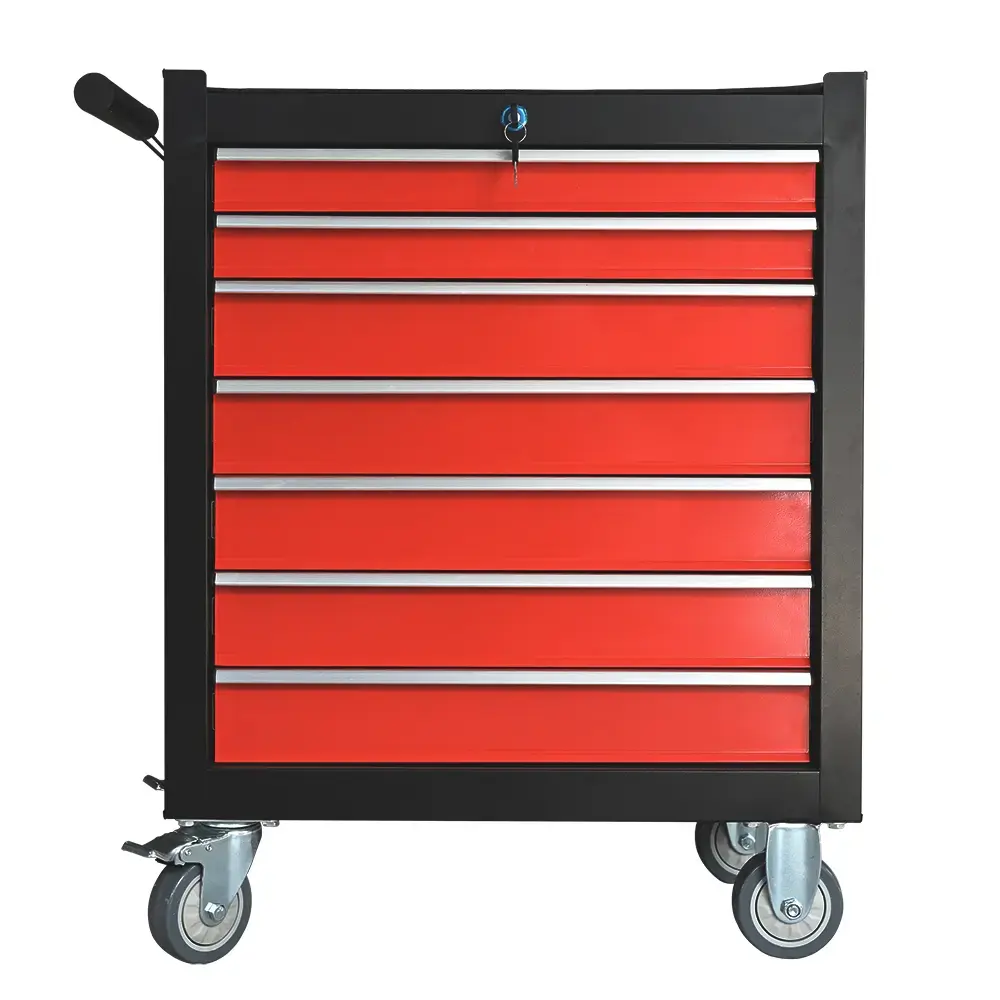



Ball Slide Rails and three-section slide rails: In-depth Analysis of Slide Rails for Tool Cabinet Drawers
In the design and use of Tool Cabinets, the selection of drawer slides is of vital importance. It not only affects the service life and operational convenience of the drawer, but also concerns the stability and practicality of the entire tool cabinet. Ball slide rails and three-section slide rails are currently the two most common types of slide rails on the market, each with its unique advantages and application scenarios. This article will delve into the differences between these two types of slide rails to help you better choose the slide rail system that suits your tool cabinet.
First, ball slide rails: A symbol of precision and durability
Ball slide rails are a type of slide rail system that uses balls as the sliding medium. Its core component is high-precision balls, which roll within the track, thereby converting sliding friction into rolling friction and significantly reducing the frictional force. This design enables the ball slide rail to exhibit extremely high smoothness and durability during use.
(1) Structure and Working Principle
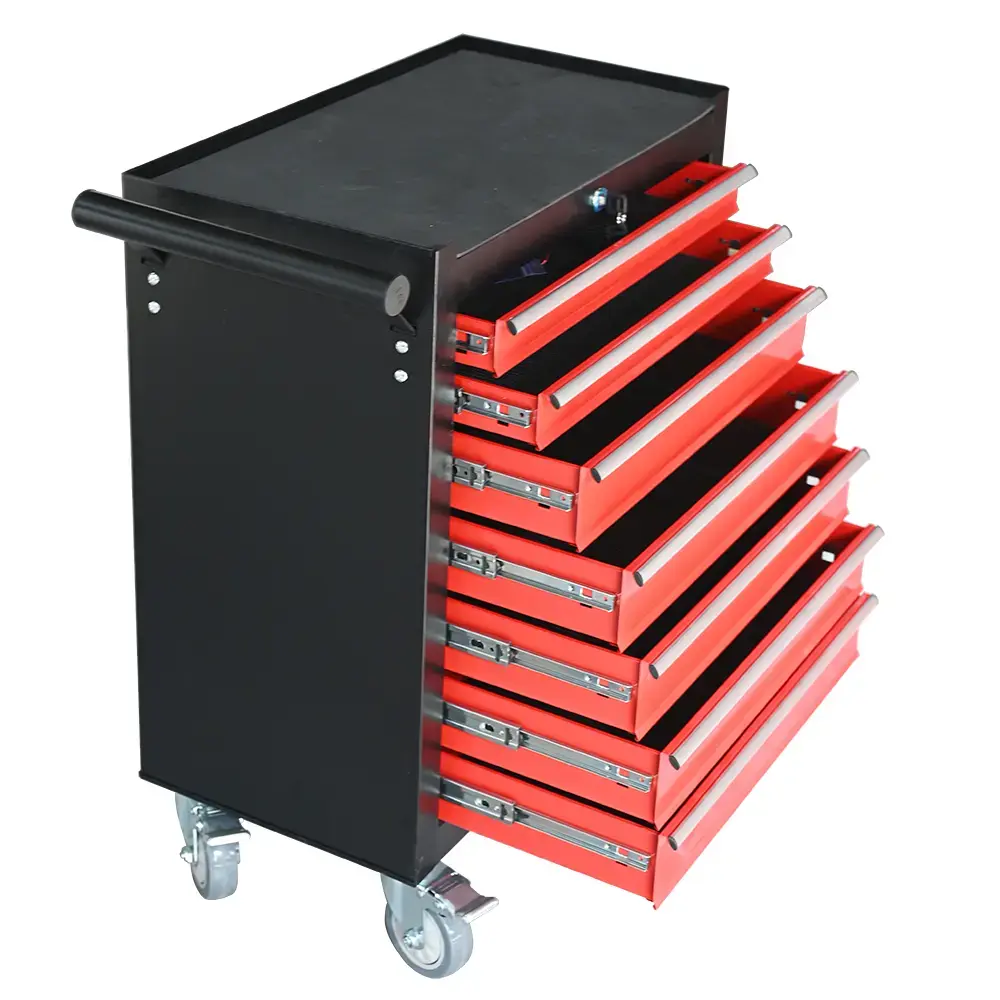
Ball slide rails are usually composed of outer rails, middle rails and inner rails. The outer rail is fixed to the cabinet body, the inner rail is fixed to the drawer, and the middle rail serves to connect and support. When the drawer is pulled out, the balls roll in the track, distributing the weight of the drawer and enabling it to move smoothly.
(2) Advantages
High load-bearing capacity: Ball slide rails can withstand considerable weight and are suitable for medium and heavy-duty application scenarios. This is particularly important for tool cabinets, as they usually need to store heavier tools and equipment.
Smooth and durable: The small rolling friction of the balls makes the pushing and pulling of the drawer more smooth. Meanwhile, high-quality ball guides have a long service life under normal usage conditions.
Silent operation: A good ball slide rail operates almost silently, providing users with a quiet operating environment.
(3) Application
Ball slide rails are widely used in scenarios such as office furniture, kitchen cabinets and Toolboxes that require high load-bearing capacity and smooth operation. In tool cabinets, ball slide rails can ensure the stability and durability of drawers under frequent use and heavy loads.
Second, three-section slide rails: Optimization of space and function
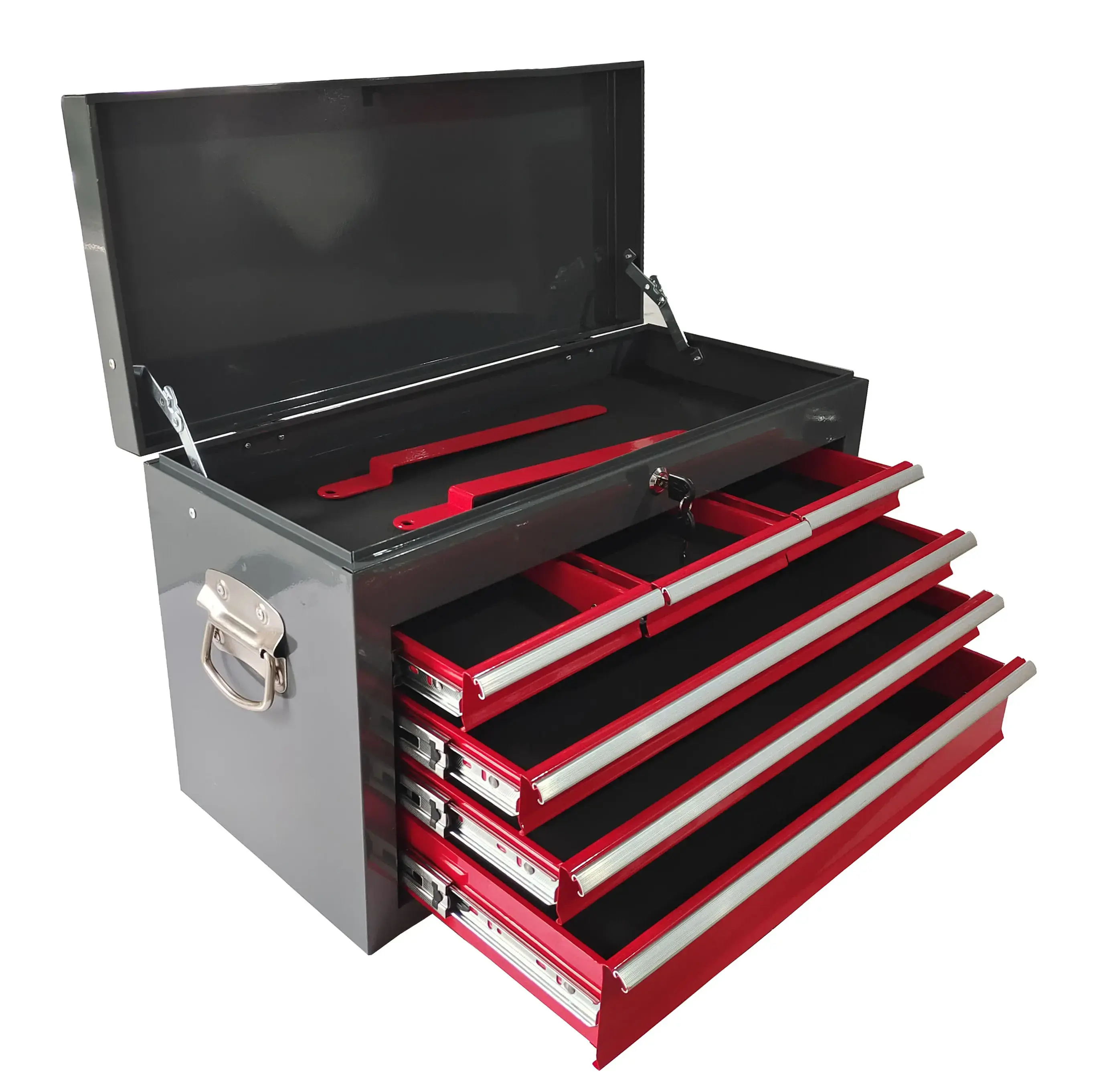
A three-section slide rail is a slide rail system composed of three sections, including a fixed rail, an intermediate rail and a movable rail. This design enables the drawer to be fully pulled out, providing a larger storage and retrieval space. Three-section slide rails are more complex in structure than ball slide rails, but their functions and advantages are also more significant.
(1) Structure and Working Principle
The fixed rails of the three-section slide rails are installed on the cabinet body, the middle rails connect the fixed rails and the movable rails, and the movable rails are installed on the drawers. Through a three-stage telescopic mechanism, the drawer can be fully pulled out, achieving a 100% utilization rate of drawer space.
(2) Advantages
Full pull-out design: The greatest advantage of the three-section slide rail lies in its full pull-out function. This means that the drawer can be fully pulled out, allowing users to easily access the items deep in the drawer. This is very practical for tool cabinets, as they usually store various small tools and parts. The full pull-out design can greatly improve the efficiency of access.
High load-bearing capacity: The structural design of the three-section slide rail enables it to withstand considerable weight. In the tool cabinet, this high load-bearing capacity can ensure the stability and safety of the drawers when storing heavy tools.
Multiple functional options: The three-section slide rail can also be equipped with a variety of functional devices, such as self-closing, damping systems and separation devices. These functions can further enhance the user experience. For instance, the self-closing device ensures that the drawer automatically closes when closed, preventing it from accidentally sliding out.
(3) Application
Three-section slide rails are widely used in scenarios where frequent opening and closing are required or heavy items need to be stored. In the tool cabinet, the full pull-out design of the three-section slide rail and its high load-bearing capacity make it an ideal choice for slide rails.
Third, comparison between ball slide rails and three-section slide rails
(1) Structural complexity
The structure of the ball slide rail is relatively simple, mainly consisting of the outer rail, the middle rail and the inner rail. The three-section slide rail, on the other hand, is composed of three sections and has a more complex structure. This structural difference gives the three-section slide rail an advantage in the full pull-out function, but it also increases the difficulty of installation and maintenance.
(2) Load-bearing capacity
Both types of slide rails have a relatively high load-bearing capacity, but the three-section slide rail, due to its structural design, can usually bear a greater weight. In a tool cabinet, if heavy tools and equipment need to be stored, a three-section slide rail might be a better choice.
(3) Operational convenience
Ball guides are renowned for their smooth operation, while the full pull-out design of the three-section guide provides greater access space. In actual use, users can choose the appropriate type of slide rail according to their own needs. If high convenience of access is required, a three-section slide rail is a better choice. If more emphasis is placed on the smoothness of operation and the quietness effect, ball guides are more suitable.
(4) Service life
High-quality ball slide rails have a long service life under normal usage conditions. Due to its complex structure, the three-section slide rail may require more frequent maintenance. However, modern three-section slide rails are usually equipped with various protective devices, such as damping systems and self-closing devices, which can effectively extend the service life of the slide rails.
Fourth, select the appropriate slide rail
Choosing the appropriate slide rail system is crucial to the overall performance of the tool cabinet. After understanding the basic characteristics of ball slide rails and three-section slide rails, some other factors also need to be considered to ensure that the selected slide rails can meet the specific requirements of the tool cabinet.
Fifth, installation and maintenance
(1) Installation process
Whether it is ball slide rails or three-section slide rails, correct installation is the key to ensuring their long-term stable operation. The installation of ball slide rails is relatively simple. Usually, it is only necessary to fix the outer rail on the cabinet body and the inner rail on the drawer. The installation of the three-section slide rail requires more steps and precision because its structure is more complex. When installing, it is necessary to ensure the alignment and fixation of the tracks to prevent the slide rails from getting stuck or loosening during use.
(2) Maintenance Requirements
The maintenance of ball slide rails is relatively simple. The main requirement is to regularly clean the dust and debris inside the rails to prevent the balls from getting stuck. For three-section slide rails, in addition to cleaning the rails, it is also necessary to regularly check the tightness of the connecting parts to ensure the normal extension and retraction of the slide rails. Some high-end three-section slide rails are equipped with self-lubricating systems, which can reduce the frequency of maintenance, but regular inspections are still required.
Sixth, cost consideration
Cost is also an important factor when choosing slide rails. Ball slide rails are usually quite affordable and are suitable for users with limited budgets. However, three-section slide rails are relatively more expensive due to their complex design and more functional options. However, considering the full pull-out function and high load-bearing capacity of the three-section slide rail, it may offer a higher cost performance in long-term use. In the application scenarios of tool cabinets, if heavy tools need to be accessed frequently, investing in a high-quality three-section slide rail may bring a better user experience and a longer service life.
Seventh, Industry Standards and Certifications
When choosing slide rails, it is also necessary to pay attention to industry standards and certifications. High-quality slide rails usually comply with international standards, such as ANSI (American National Standards Institute) or DIN (German Industrial Standard), etc. These standards ensure the quality and performance of the slide rails, providing users with reliable guarantees. In addition, some slide rails may also pass specific safety certifications, such as UL (Underwriters Laboratories) certification, which indicates that the slide rails can provide sufficient safety and reliability during use.
Eighth, Future Trends and Innovations
With the continuous advancement of technology, the slide rail industry is also constantly innovating. For instance, some new types of slide rails adopt advanced materials and manufacturing processes, enhancing their durability and performance. Meanwhile, intelligent slide rail systems have also begun to emerge. These systems can be automatically controlled and adjusted through sensors and microcontrollers, providing users with a more intelligent experience. In the application of tool cabinets, these innovative slide rail technologies may bring about higher efficiency and a better user experience.
Ninth, Conclusion
Ball slide rails and three-section slide rails each have their unique advantages and application scenarios. Ball slide rails are favored for their smooth operation and durability, while three-section slide rails stand out for their full pull-out function and high load capacity. When choosing the slide rails for a tool cabinet, it is necessary to comprehensively consider factors such as structural complexity, load-bearing capacity, operational convenience, service life, installation and maintenance, cost, and industry standards. By thoroughly understanding these factors, you can select the most suitable slide rail system for your tool cabinet, thereby enhancing the overall performance and service life of the tool cabinet.
In today's highly competitive market environment, choosing a high-quality slide rail system not only enhances the user experience of the tool cabinet but also increases the added value of the product. Whether you are a manufacturer or a user of tool cabinets, it is very important to understand the characteristics and technical parameters of the slide rails. By constantly keeping an eye on industry trends and technological innovations, you can select the most suitable slide rail system for your tool cabinet, thus standing out in the market.