Leave Your Message
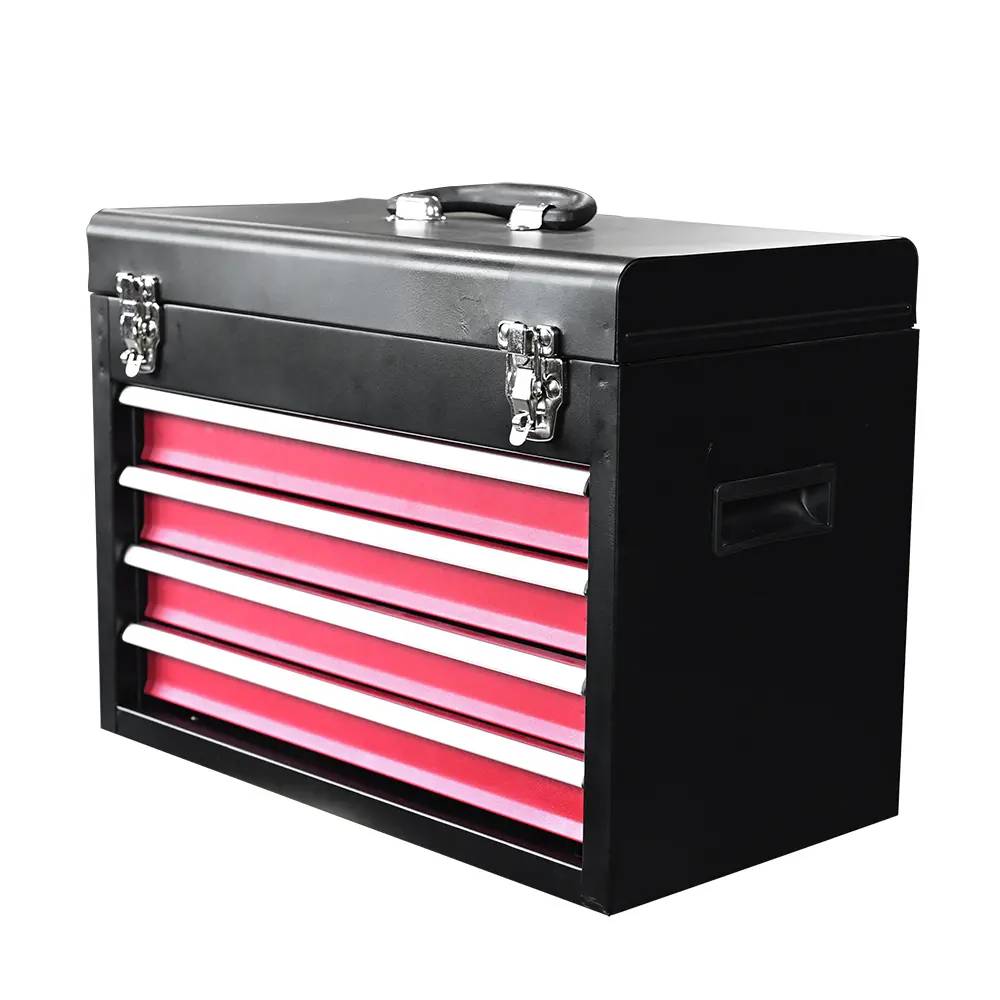
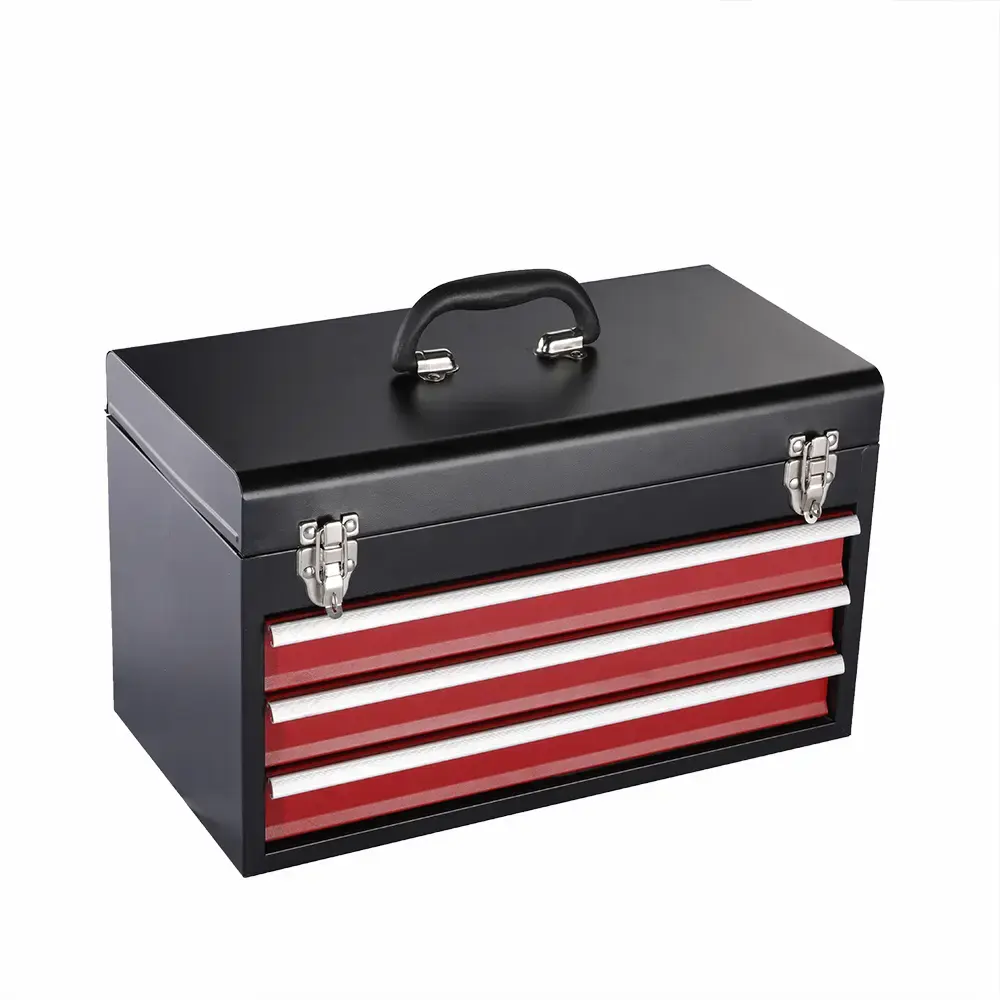

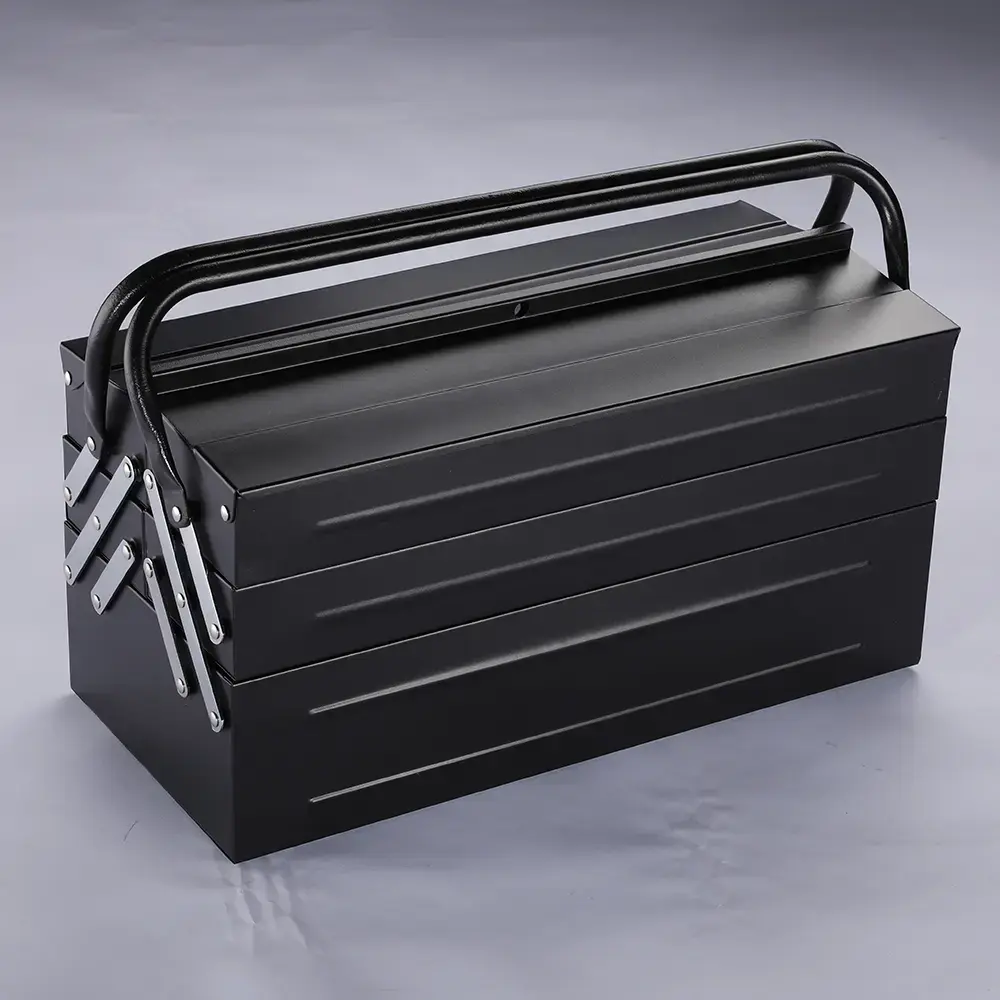
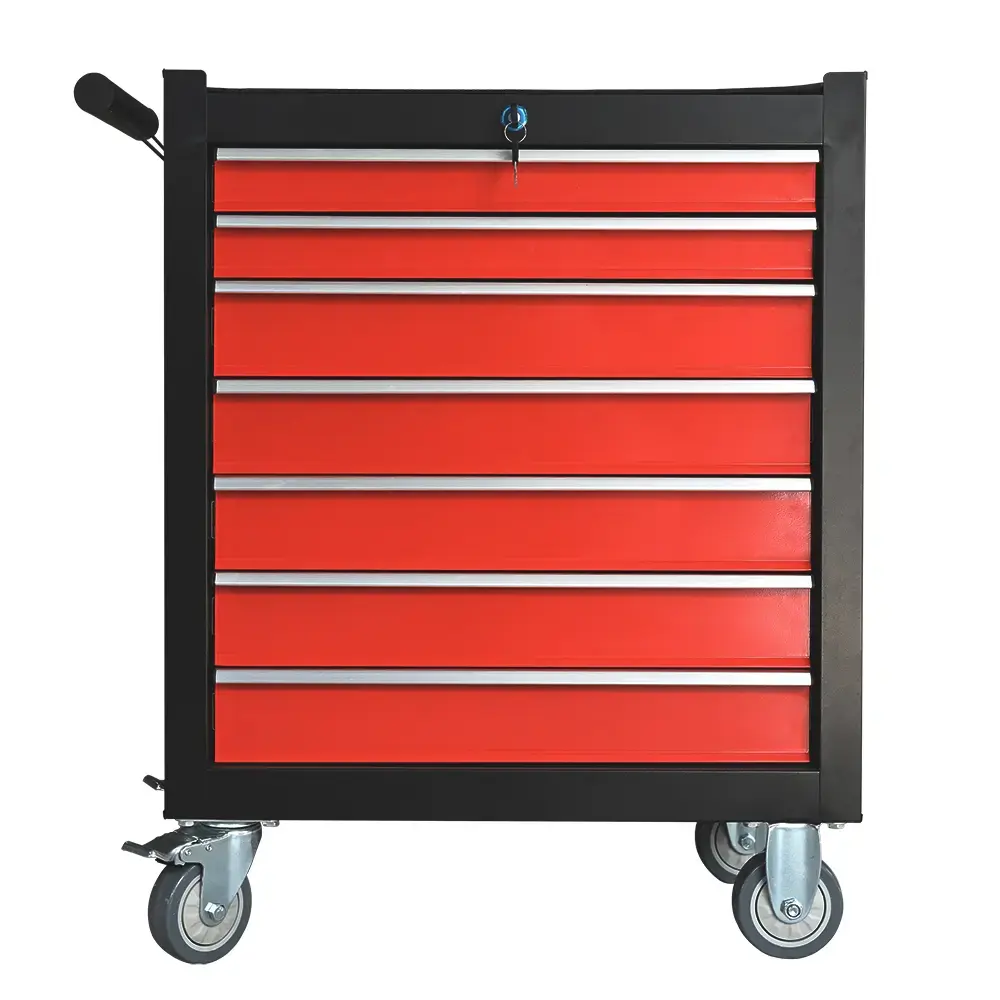


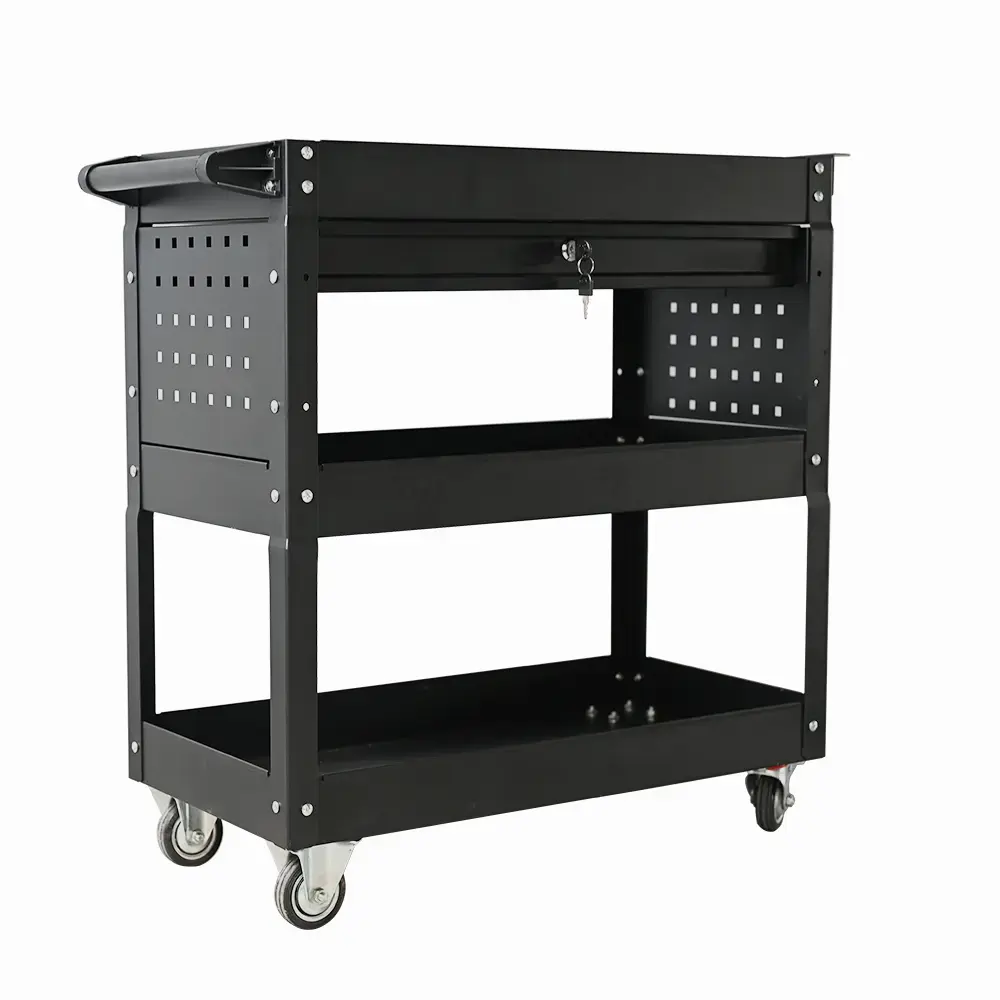
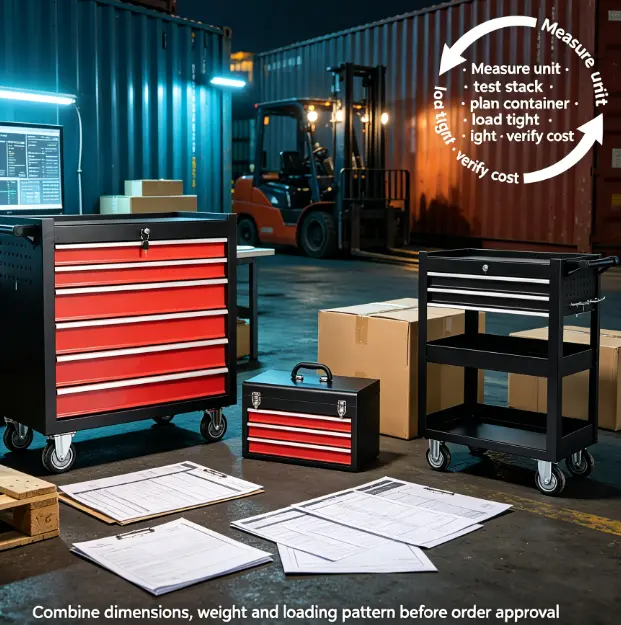

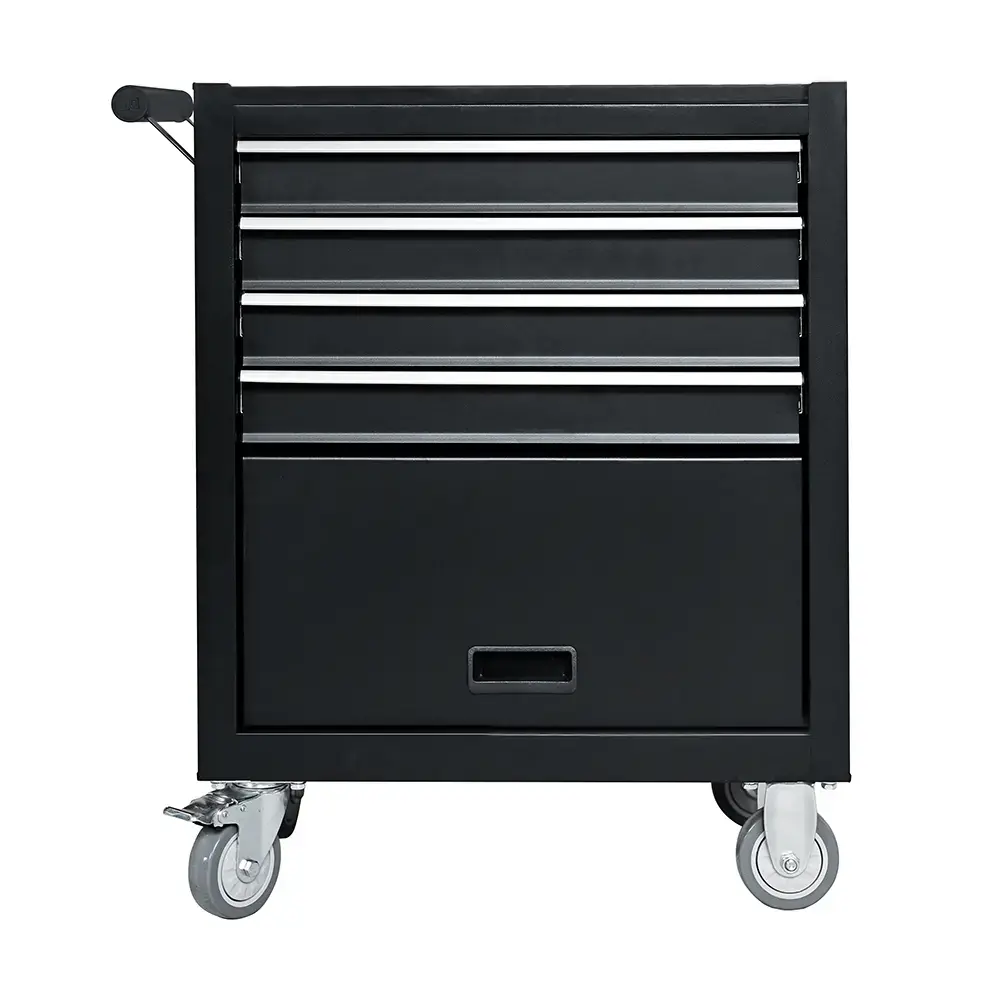
Common Problems and Solutions for Customs clearance of wholesale black tool cabinets
A few days ago, an old customer sent me a message, with a hint of anxiety in his tone: "This batch of black Tool Cabinets has been lying at the dock for nearly two weeks. The customs said there was a problem with our declaration documents." I have witnessed too many similar situations over the past years. Industrial storage devices like tool cabinets may seem to have a simple structure, but when they are imported in bulk, the customs clearance process often gets stuck in some unexpected details.
The wholesale purchase of black tool cabinets, especially when the quantity reaches the level of full cabinets, customs clearance is no longer a simple matter of filling out forms and paying taxes. Customs officials handle hundreds and thousands of shipments every day, and their inspection standards for industrial products are far more stringent than imagined. Batch cabinets with a uniform black color show highly consistent contours under X-ray scanning, which is more likely to trigger manual inspection - the system will default that this might be "homogeneous bulk goods" that require key supervision.
Those recurring declaration traps
The incorrect classification of HS codes ranks first on the problem list. Tool cabinets may be classified under customs codes 9403.20 (metal office furniture) or 8302.41 (metal fittings), depending on the structural design. Last year, a North American purchaser, in an attempt to save 3 percentage points on tariffs, declared a mobile tool cabinet with drawers as a "metal shelf". However, when it was randomly inspected by the customs, it was found that the top workbench had a tool slot design. It was directly identified as a professional Tool Storage device. Not only did it have to pay back taxes, but it also left a record due to false declaration. The most reliable approach is to have the supplier provide a detailed product technical parameter specification at the stage of signing the purchase contract, including seemingly trivial data such as the thickness of the board, load-bearing standards, and types of drawer slides. All these will become the key basis for classification decisions.
The integrity of the file chain is another major problem area. In addition to the regular commercial invoices, packing lists and bills of lading, black tool cabinets often also require descriptions of material composition. The new REACH regulation amendment implemented by the European Union in 2024 has put forward stricter requirements for cadmium content detection in metal surface treatment processes. If the cabinet body adopts the electrostatic powder coating process, the MSDS safety data sheet of the coating material must be provided. The more concealed issue is the problem of the certificate of origin - when the metal plates of the cabinet body are from India, the drawer slides are purchased from Germany, and the final assembly is in China, how should the certificate of origin be issued for such a "three-nation bloodline" product? Confirming the supplier's material traceability system and the qualification to issue the certificate of origin in advance can avoid the embarrassment of finding out that the documents are non-compliant only after the goods arrive at the port.
Packaging compliance should also not be ignored. During sea transportation, tool cabinets are usually fully palletized and covered with film, and then wrapped with high-strength packing straps. However, some Middle Eastern ports have mandatory fumigation requirements for wooden packaging materials, even if it is just the supporting wooden strips of pallets. The more challenging issue is the label problem. The Mexican customs requires that all imported industrial equipment must be marked in Spanish on the packaging with the product name, model, net weight, gross weight, and the complete address of the manufacturer. If these details rely on the factory's "routine operations", it is often only discovered after arriving at the port that the label information is missing or the language does not match.

In specific markets, customs clearance challenges are more regional
Sending black tool cabinets to project sites in the Middle East has obvious benefits - the dark surface is less likely to show sand and dust, making it suitable for outdoor working environments. However, the certification requirements for industrial products by the Saudi customs are extremely complicated. The SASO certification certificate must be obtained before shipment, and the nameplate information on each container must be checked one by one. Last year, a car repair center in Dubai purchased 50 black mobile tool cabinets. Due to a character difference between the model code on the nameplate and the certification certificate, the entire batch of goods was temporarily detained for a full nine days.
The Southeast Asian market presents a completely different picture. The PTI port (Tanjong Parapas) in Malaysia is highly efficient in handling cargo such as tool containers, but it is particularly sensitive to the declared value. If the declared price of a single unit is more than 30% lower than the benchmark price of similar products in the customs database, it will almost trigger the price verification procedure. Indonesia requires that all industrial equipment imports must hold an import license API, and the application period for this license is as long as 45 days. Many purchasers only think of applying for a license when the goods are almost delivered, and as a result, they have to pay high container detention fees at the port.
Let professionals handle professional matters
Rather than getting one's own team entangled in the complicated customs declaration details, it might be a wiser choice to deeply bind with an experienced customs declaration agency. A high-quality customs declaration partner will get involved as soon as you confirm your order. They are not only familiar with the regulatory requirements of the destination port but also can predict and remind you of the documents to prepare. For instance, they know that the ISF declaration of tool containers by the US CBP must be completed 24 hours before shipment, and precise factory addresses and container seal numbers need to be provided. They are also well aware of the Russian customs' requirements for radioactive testing of metal products and can arrange for third-party testing in advance and issue reports.
More importantly, they can coordinate the breathing rhythm of the entire logistics chain. The shipping time for the tool cabinet from Shanghai Port to Hamburg, Germany is approximately 32 days. Experienced customs brokers will initiate the pre-customs clearance process seven days before the ship arrives at the port and submit the documents to the customs system for queuing. This art of time difference enables goods to be released within 24 hours after docking at the port, rather than waiting at the yard for document review. Especially when the purchase volume reaches full containers or even multiple containers, the daily savings in container detention fees can consume a considerable amount of profits.
Of course, as the purchaser, you cannot neglect your own preparatory work either. Establish a checklist for evaluating the customs clearance capabilities of suppliers: Do they have more than five years of export experience? Could you provide a complete sample of the export customs declaration form? Are you familiar with the certification system of your destination country? These issues should be raised during the inquiry stage instead of finding out that the supplier cannot even issue the most basic fumigation certificate when the goods have already been delivered and loaded onto the ship.
At present, the customs clearance systems of major ports around the world are all migrating to digitalization, but this does not mean that the process has become simpler. The electronic declaration system has even higher requirements for data accuracy - a single character error may lead to the rejection of an entire declaration. Keep the product descriptions in all documents highly consistent, from the purchase contract to the invoice to the packing list. The name "Black Steel Tool Cabinet" must not be changed to "Black Metal Storage Cabinet" in any document. Such subtle differences might have been overlooked in the era of manual order review, but in today's AI pre-inspection system, they are the red flags that trigger verification.
Ultimately, the customs clearance work for bulk purchases of black tool cabinets is essentially an art of risk management. Rather than striving for the lowest cost at each stage, it's better to seek the optimal solution for the total cost that allows you to sleep soundly throughout the night. After all, the ultimate mission of a tool cabinet is to quietly carry tools in the workshop, not to bask in the sun at the dock.