
Leave Your Message




0102030405
Cost-Effective Double-Drawer Outdoor Tool Boxes: Buying Guide
2026-04-13
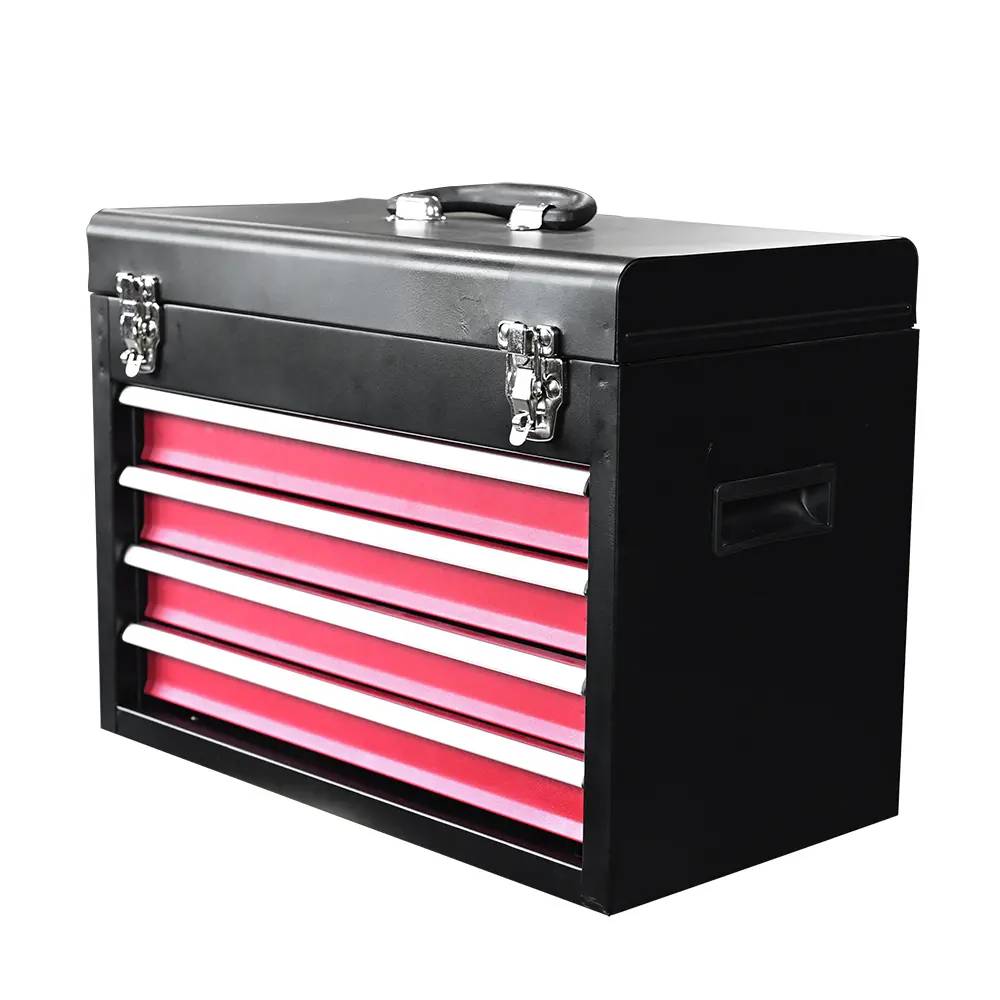
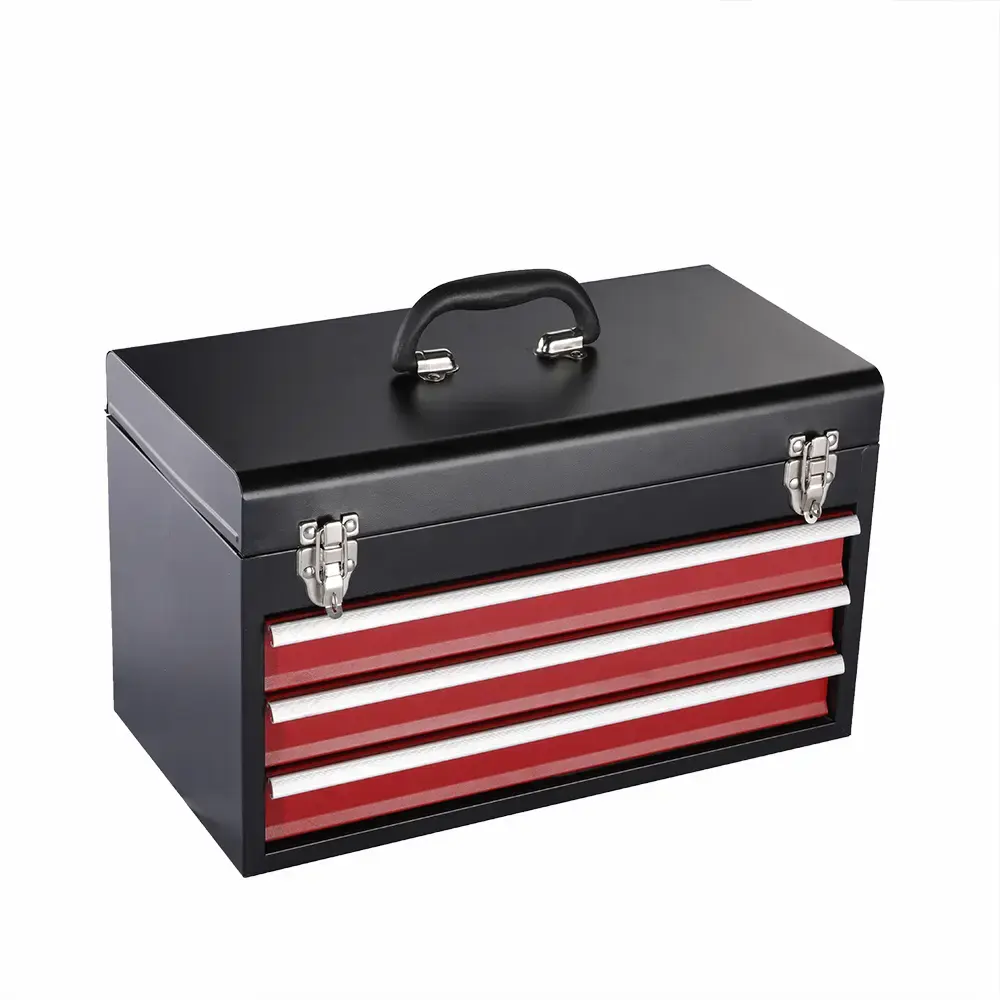
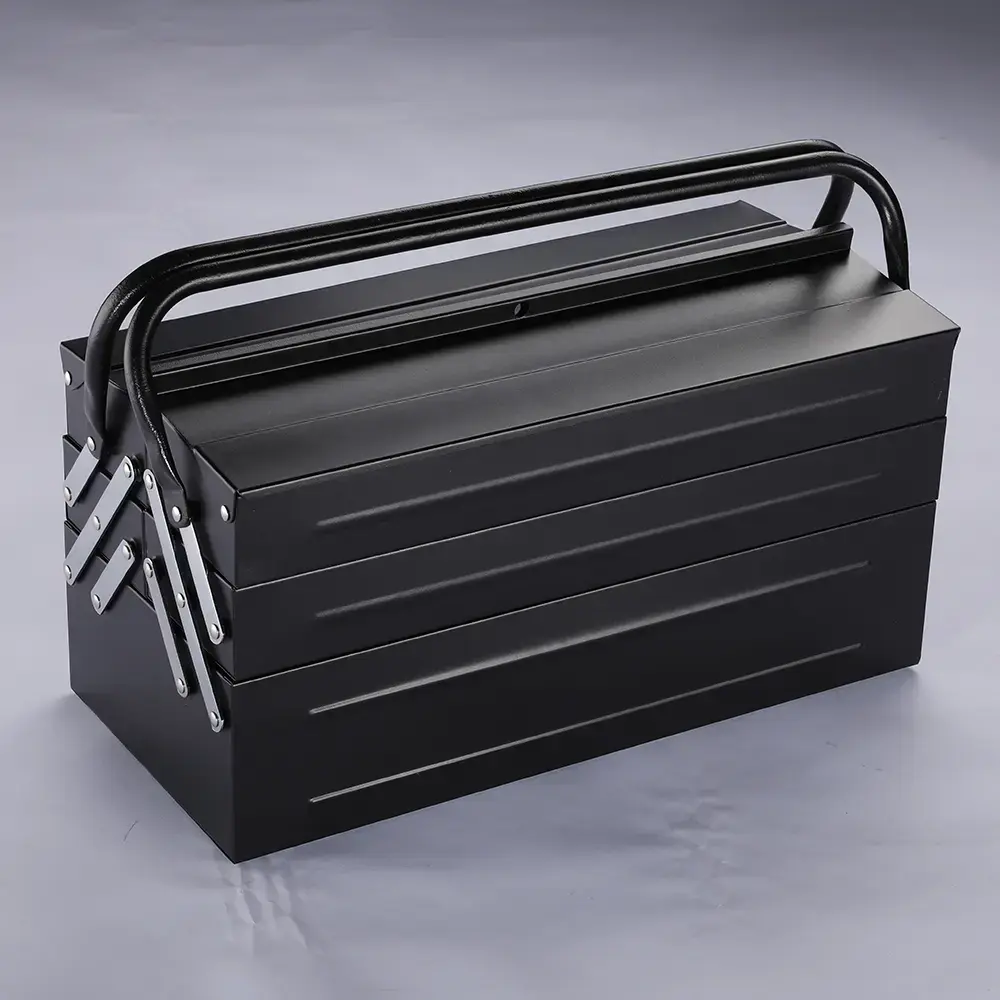
In the building materials and hardware tools wholesale industry, outdoor tool boxes represent a stable-demand and representative product category. Among them, the double‑drawer outdoor tool box is widely popular among professional users and DIY enthusiasts due to its excellent balance of portability, storage capacity, and organization efficiency. For building material wholesalers, selecting a model that excels in cost‑effectiveness, durability, functional design, and market acceptance is critical to ensuring inventory turnover, customer satisfaction, and long-term profitability. This guide analyzes the core value and key selection criteria of double‑drawer outdoor tool boxes from a professional buyer’s perspective.

1. Market Demand Insight: Why Double-Drawer Design Has Become the Mainstream Choice
Before evaluating specific products, it is essential to understand their market positioning and user needs. The popularity of double‑drawer outdoor tool boxes is no accident—they precisely solve the following user pain points:
Efficiency & Organization
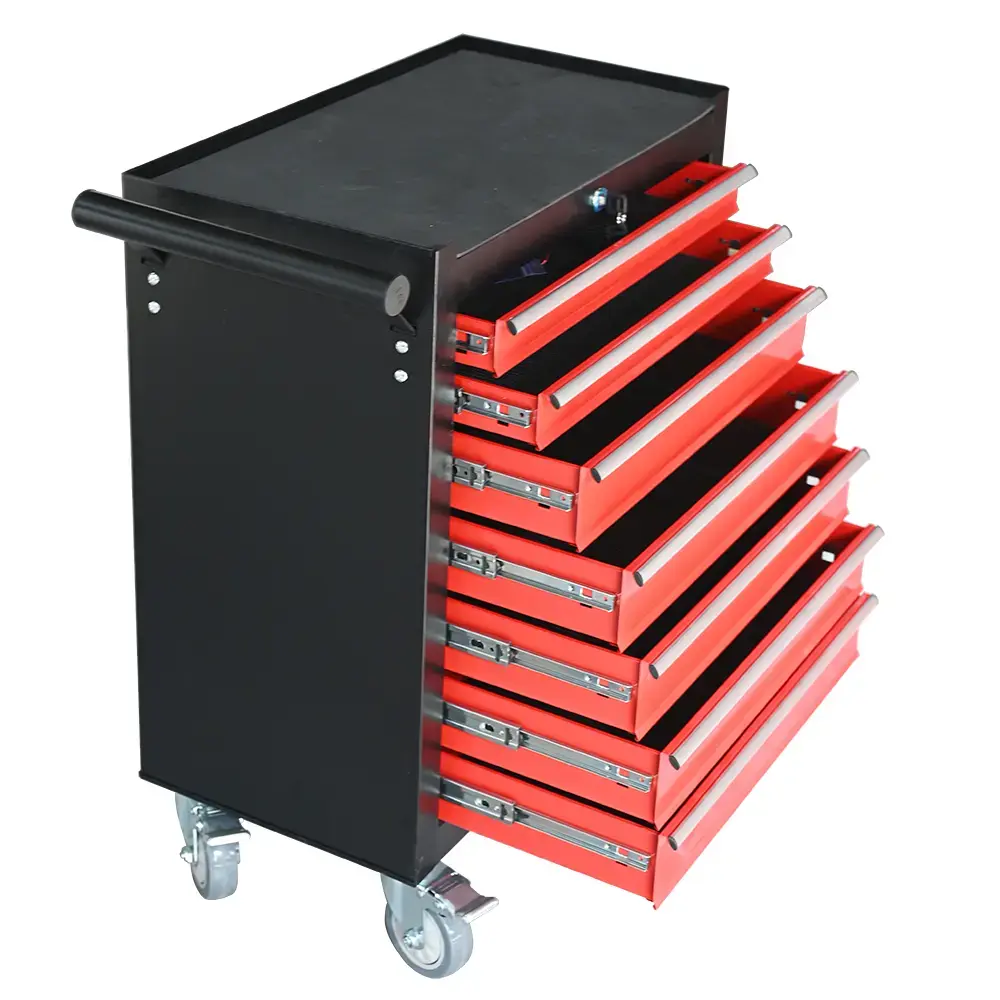
Compared with single‑compartment tool boxes, the double‑drawer design allows users to sort and access tools quickly. Small frequently used Hand Tools, drill bits, screwdriver bits, and accessories can be stored in the upper drawer, while larger power tools and materials fit in the lower drawer or main compartment. This structure significantly reduces tool‑searching time and improves on‑site work efficiency.
Balanced Portability & Capacity
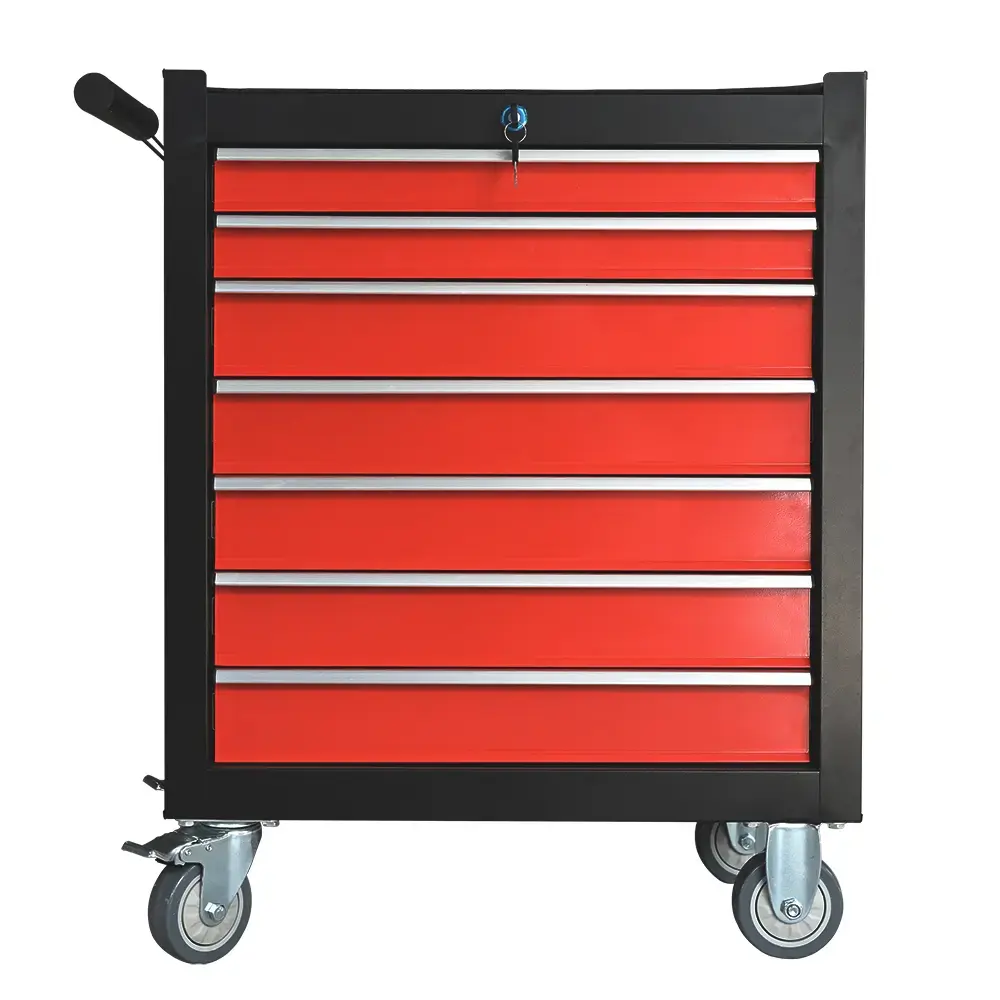
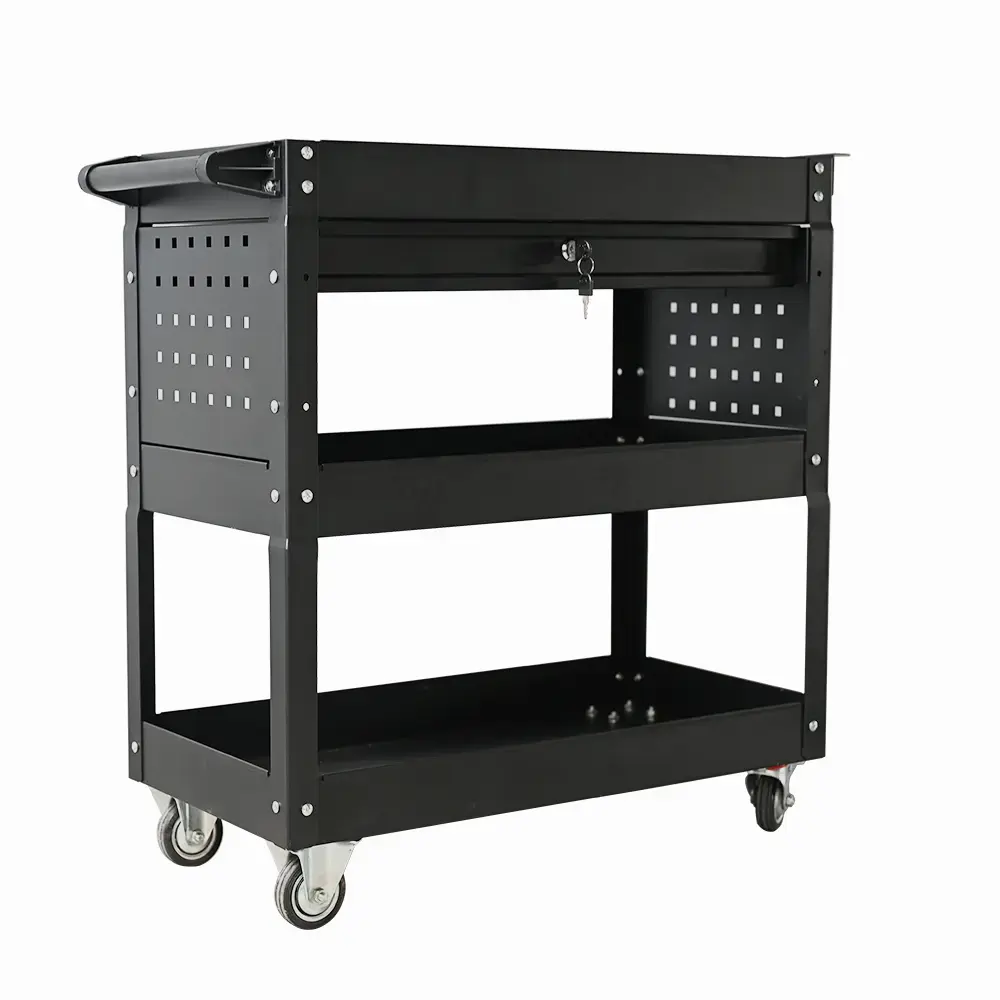
Traditional multi‑drawer Tool Cabinets are bulky and hard to move, while basic toolboxes offer limited storage. Double‑drawer tool boxes are typically equipped with heavy‑duty casters and telescopic handles, delivering substantial storage while enabling the convenience of amobile workstation—ideal for construction sites, maintenance sites, and other frequently relocated work scenarios.
Improved Security
The double‑drawer structure usually features a more precise closing system and sturdy latches, providing better dustproof, moisture‑proof, and anti‑theft protection for tools, especially in outdoor or shared work environments. Many professional users rely on them as a secure storage solution for personal tools.
2. Core Sourcing Dimensions: How to Evaluate Cost-Effectiveness & Product Quality
“Cost‑effectiveness” never means simply low prices, but optimal overall performance and durability within the target price range. Buyers should conduct a systematic evaluation across these key dimensions:
Structure & Material: The Foundation of Durability
- Box Body Material: The most cost‑effective mainstream options are impact‑modified resin or thickened structural plastic, which must offer strong impact resistance, UV resistance (anti‑fading), and temperature stability. Premium models add reinforced metal frames or metal corner guards to protect the box during collisions and stacking.
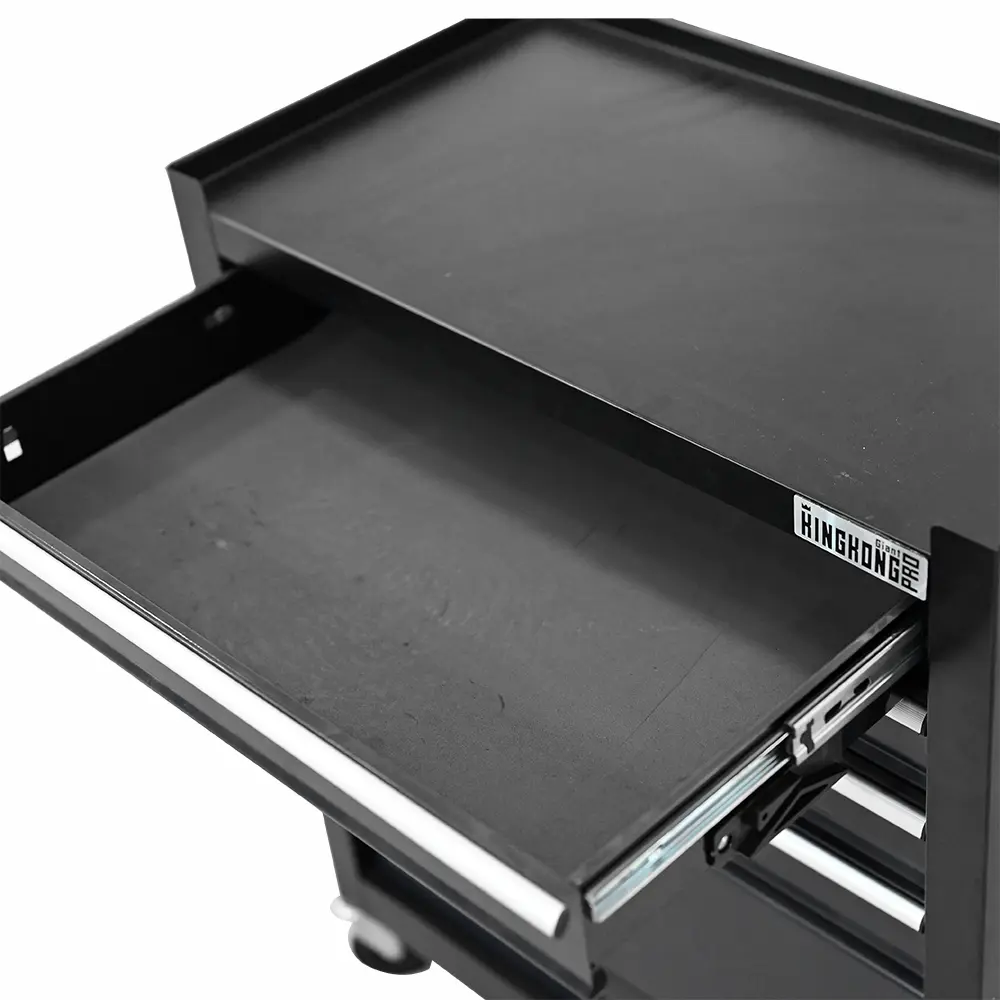
- Drawer System: This is a key evaluation point. Drawers must open and close smoothly and seal tightly. Check whether slides are made of metal or high‑strength plastic—these offer far greater load capacity and durability than simple plastic groove rails. Drawer sidewalls should be high enough to prevent small items from spilling during movement.
- Locks & Sealing: Dual-latch design (one on each side) ensures even compression of the lid, enhancing sealing and security. High‑quality latches feel solid and resist damage after repeated use. Full perimeter sealing strips on the lid effectively block dust and water to protect internal tools.
Function & Design: Practicality in Use
- Internal Space Layout: Besides drawers, does the main compartment include adjustable dividers or modular storage trays? These allow customized layouts based on tool shapes and maximize space utilization. Is there a mesh pocket or securing strap inside the top lid for documents, manuals, or long tools?
- Mobility & Carrying System: Heavy‑duty swivel casters (usually 8 inches) should roll smoothly on rough ground. The telescopic handle must be sturdy, extend smoothly, and accommodate users of different heights. Some models add side handles and top stacking grooves for easier handling and multi‑unit storage.
- Accessories & Expandability: Does it support padlocks? Are there external mounting points or extension plates for temporary item placement? These details greatly enhance practical value.
Safety & Certification: Compliance Assurance
- Industry Certifications: For products exported to global markets, safety and material certifications are mandatory. Examples include the CE mark (EU safety compliance) and RoHS (Restriction of Hazardous Substances). These are not only market access requirements but also strong proof of product quality.
- Testing Standards: Ask manufacturers whether products have passed drop testing, caster rolling life testing, load testing, and other reliability evaluations. These data objectively reflect extreme performance.

3. Sourcing Strategy & Supplier Evaluation Recommendations
Based on the above product analysis, wholesalers should follow these steps when developing sourcing strategies and selecting suppliers:
Clarify Target Market & Customer Tier
Identify whether your customers are professional construction contractors, factory maintenance teams, or household DIY users. Professional markets demand exceptional durability and load capacity and accept premium pricing, while the mass market is more price‑sensitive. Clear positioning helps you select products within your target price range.
Partner with Integrated Manufacturers, Not Pure Traders
Prioritize manufacturers with independent R&D and integrated production capabilities. They better control costs, quality, and lead times and can refine products based on your feedback. Verify ISO 9001 quality management certification—a key indicator of stable production processes.
Sample Testing Is Critical
Always request samples for on‑site testing before bulk ordering: simulate full loading (to rated maximum weight), tow across different surfaces, repeatedly open/close drawers and latches, and test stacking stability. This is the only reliable way to verify whether real performance matches marketing claims.
Optimize Packaging & Logistics
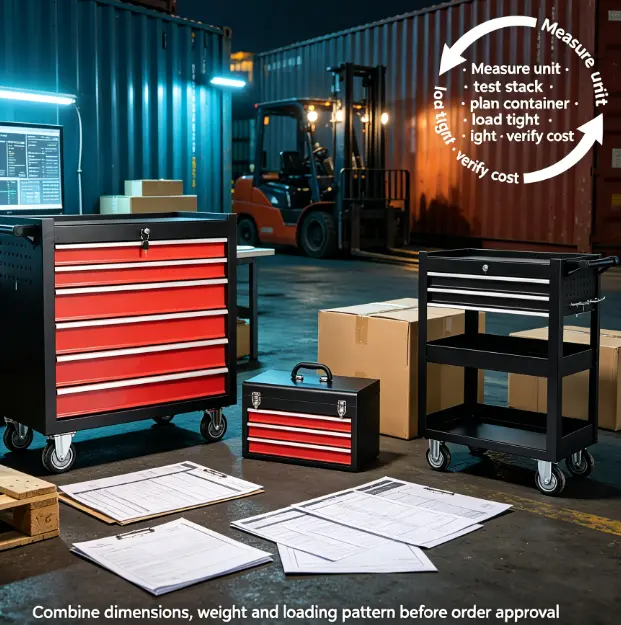
Tool boxes are large, so packaging directly affects shipping costs and damage rates for sea and land transport. Reliable manufacturers provide sturdy, compact, stackable export packaging. Explore mixed-container loading with other tools to optimize overall logistics expenses.
After-Sales Support & Spare Parts Supply
Confirm whether suppliers can stably supply long‑term replacement parts such as casters, telescopic handles, latches, and drawer slides. A responsive spare parts system is essential for maintaining customer relationships and resolving after‑sales issues.
Conclusion
Selecting a successful double‑drawer outdoor tool box for your building materials wholesale business is a systematic process that balances cost, performance, market demand, and supply chain reliability. Buyers should go beyond simple price comparison and conduct in‑depth evaluations of structural materials, functional design, safety certifications, and overall manufacturer strength. By using a rigorous selection process to identify products that perform reliably in real‑world conditions and deliver genuine value to end users, you will build strong channel competitiveness and brand reputation, achieving sustainable business growth.