
Leave Your Message




0102030405
Customize Tool Cabinets with Branding & Colors: The Ultimate Guide
2026-07-21
For global hardware distributors, automotive repair chains, and industrial equipment service providers building their private label Tool Storagelines, Tool Cabinets, tool trolleys, and tool boxes represent the most visible offline brand assets in retail and workshop environments. Off-the-shelf, standardized cabinets offer little differentiation from competitors. Full customization including branded identification and exclusive color matching through professional manufacturing partners has become the core strategy to create product distinctiveness, increase retail markup, and strengthen customer loyalty.
This guide is written exclusively for B2B buyers worldwide, breaking down the entire process of private label tool cabinet customization. It covers standards for branding implementation, color matching, supplier selection, sampling, mass production, quality control, and delivery, addressing procurement needs across hardware distribution, automotive repair, engineering machinery, industrial workshop storage, and other sectors. It also helps buyers avoid common risks in private label customization such as color deviation, logo peeling, unclear MOQ requirements, and substandard coating weatherability. The content is optimized to match international search habits and fully covers core and long-tail keywords related to private label tool cabinet customization.
1. Basics & Procurement Value of Private Label Tool Storage Customization
1.1 What is Private Label Tool Storage?
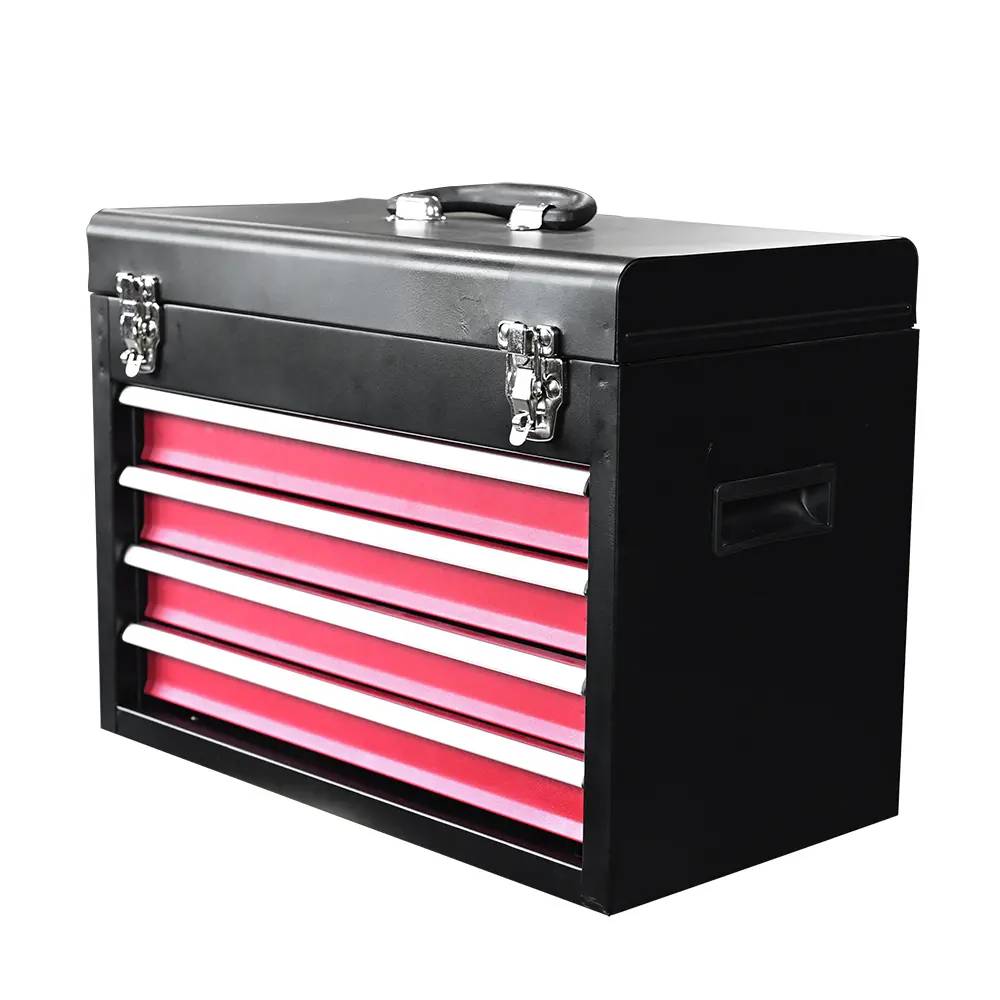
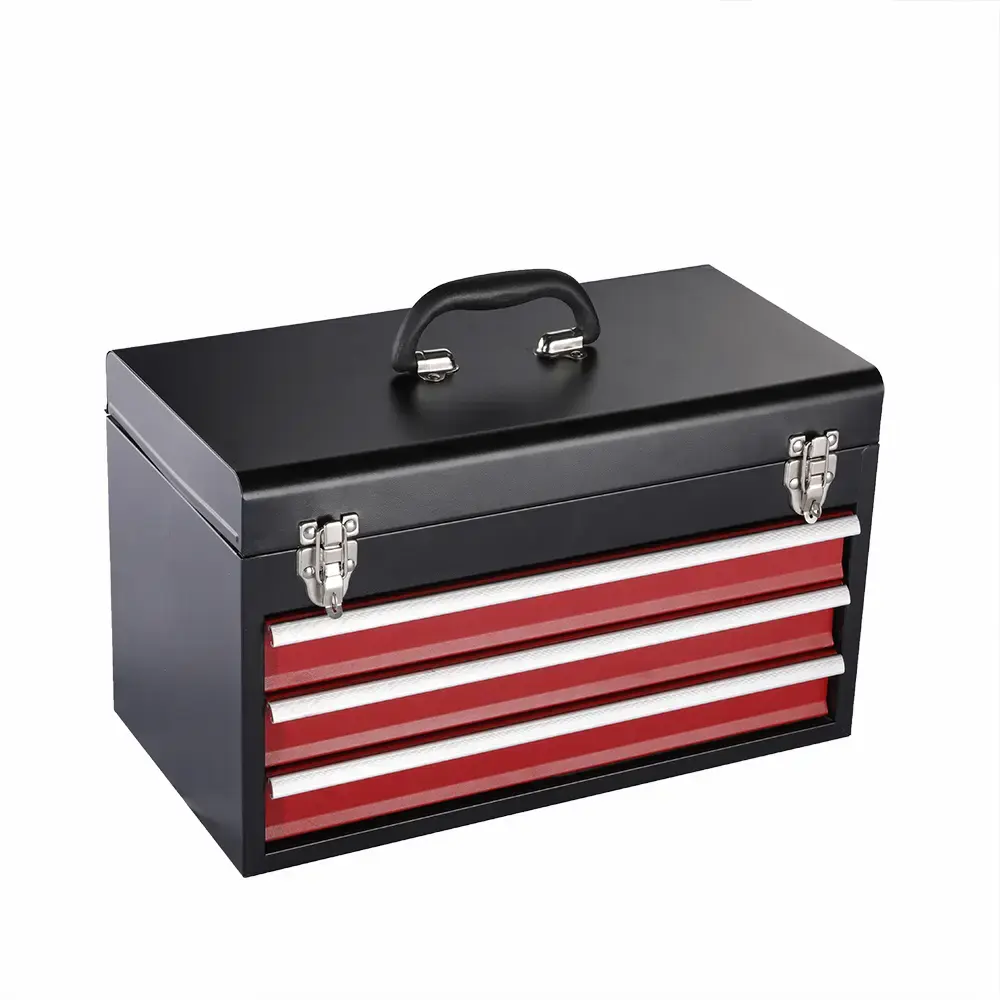
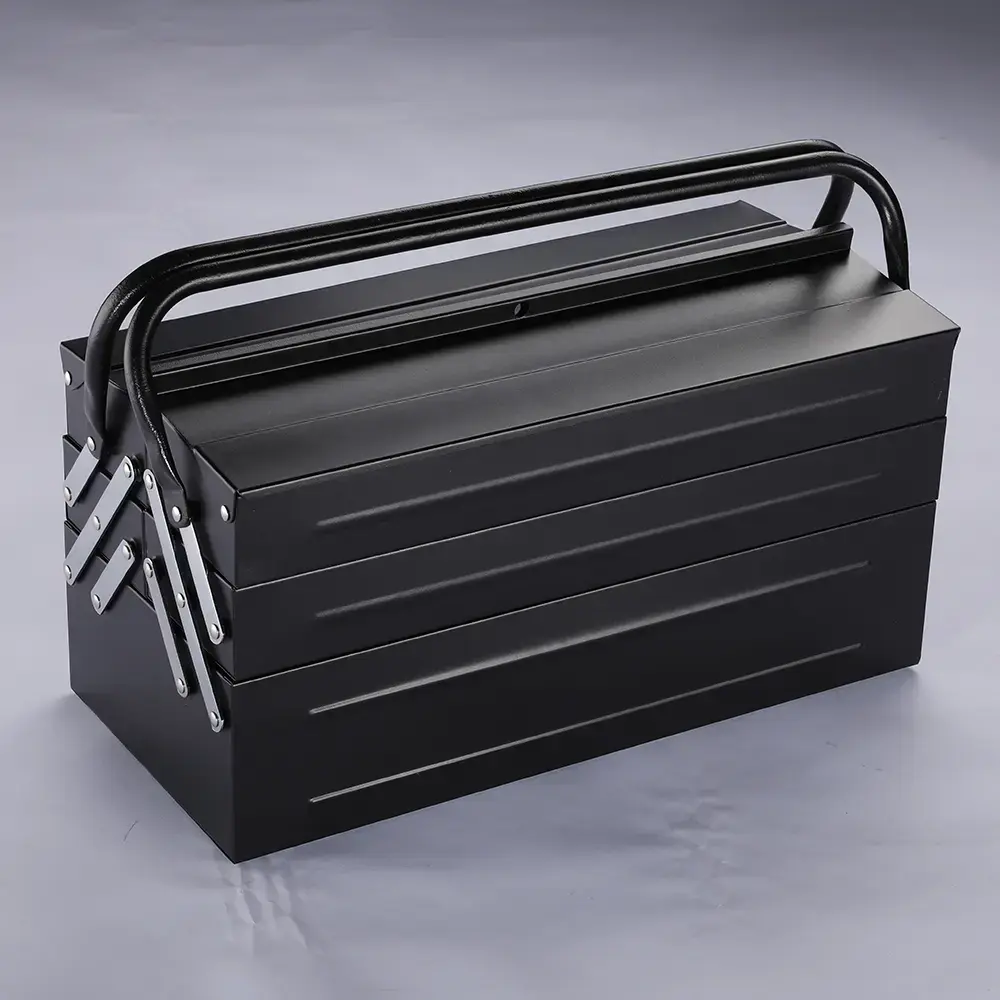
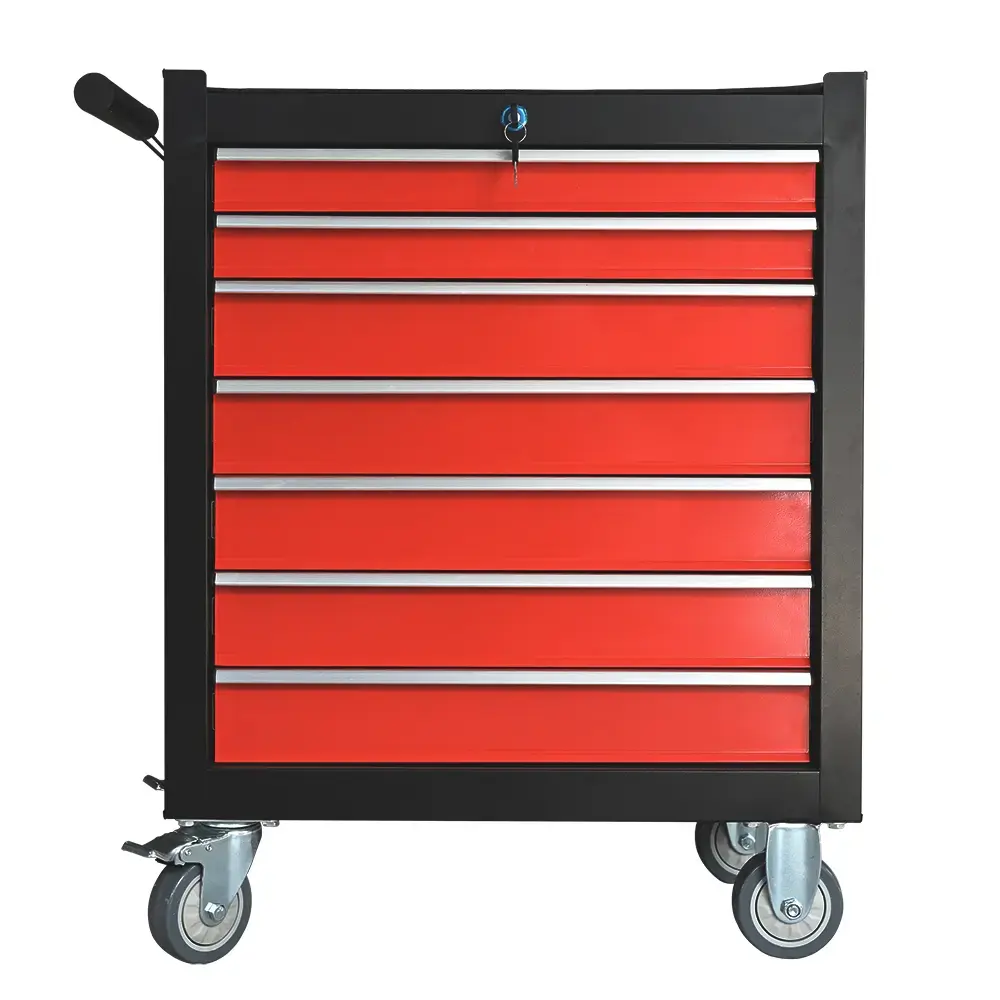
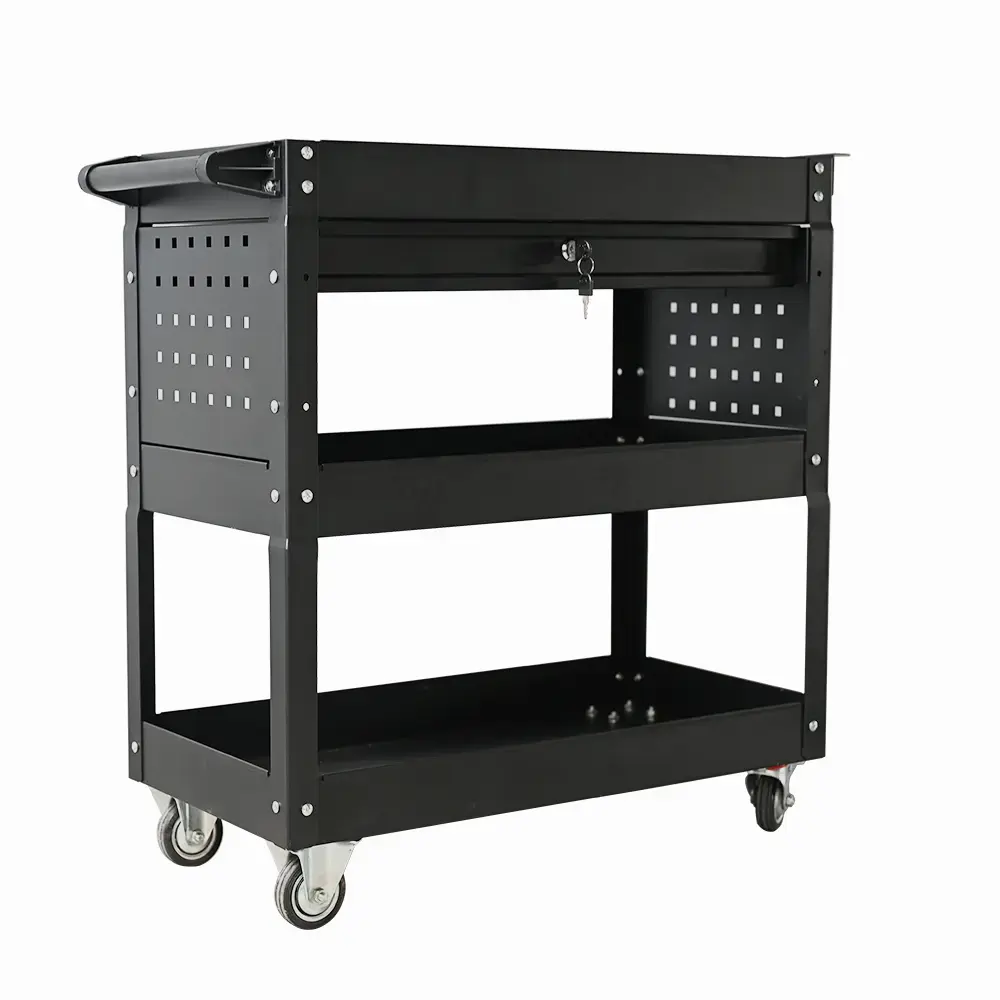
Private label tool storage refers to customized metal storage solutions where buyers provide their own trademarks, brand visual guidelines, and color standards. The manufacturer completes cabinet production, surface coating, logo application, and exclusive packaging, with finished products displaying only the buyer’s brand and no original factory identification. The category includes stationary tool cabinets, mobile tool trolleys, tiered tool boxes, combination workstations, and other heavy-duty storage solutions.
Unlike generic off-the-shelf products, fully customized cabinets align appearance, color, branding, internal structure, and outer packaging with the buyer’s brand identity, suitable for retail display, corporate bulk orders, cross-border e-commerce stores, and authorized distribution channels.
1.2 Core Commercial Benefits for B2B Buyers
- Brand Differentiation Barrier: Most standard tool cabinets use basic colors such as black and red. Custom exclusive brand colors + custom logos create immediate visual separation from commodity-style products and improve consumer recall.
- Increased Retail Markup: Custom branded cabinets typically support a 15%–30% higher retail price compared to generic models, offsetting sampling and color-matching costs.
- Unified Channel Branding: Chain automotive workshops and industrial consumable distributors can standardize tool storage visuals across locations, forming a complete branded product ecosystem.
- Targeted Regional Adaptation: Customize load-bearing capacity, color schemes, and design styles for European and American home garages, Southeast Asian repair workshops, and heavy industrial facilities to match local aesthetic preferences.
2. Full Customization of Tool Cabinet Branding (Branding Implementation)
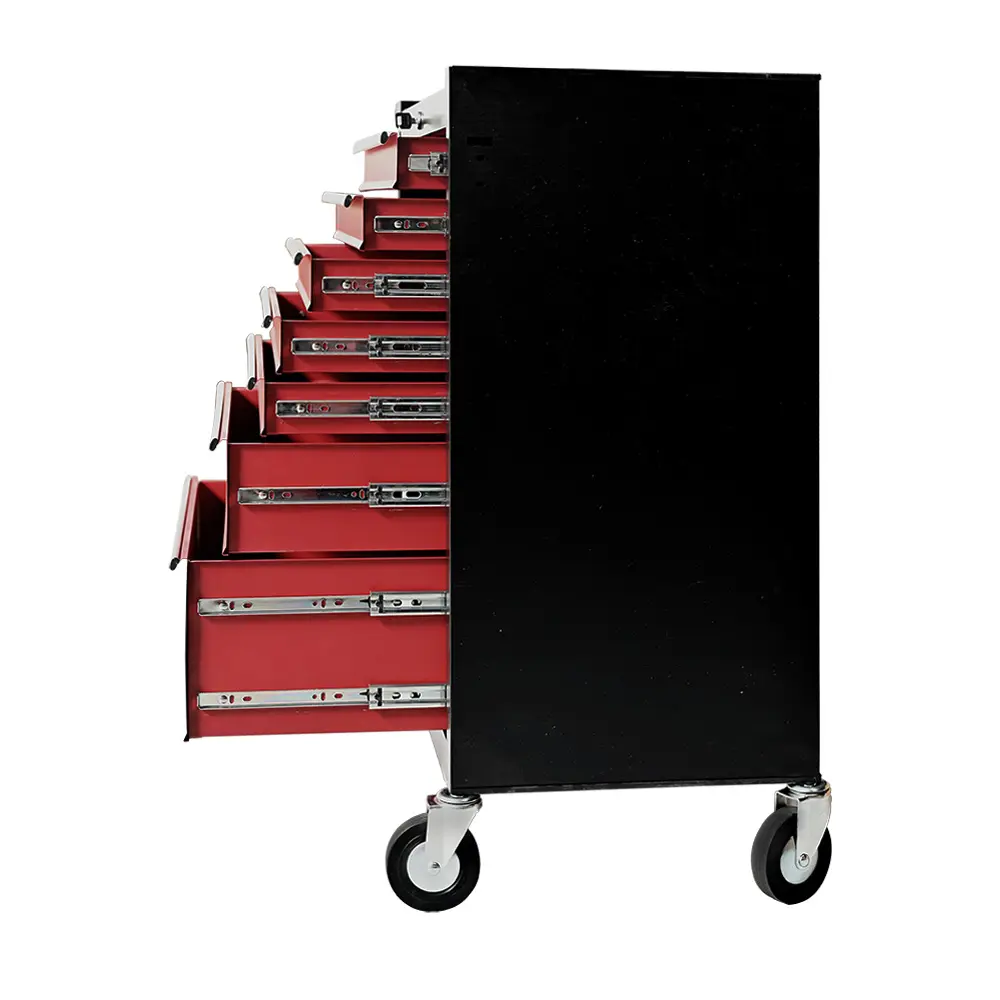
Branding customization covers three major areas: cabinet body marking, accessory identification, and export-oriented branded packaging. Buyers must clarify specifications item by item to avoid misalignment, wear, or poor definition during mass production.
2.1 Logo Customization Processes & Selection Criteria
| Customization Process | Suitable Scenarios | Advantages | Procurement Inspection Points |
|---|---|---|---|
| Electrostatic Powder Integrated Logo Printing | Large-volume long-term orders, heavy-duty industrial tool cabinets | One-piece coating, scratch-resistant, oil and corrosion resistant, no peeling over long-term use | Verify logo line precision, clean edges, consistent positioning across batches |
| Screen Printing Logo | Small-to-medium batches, budget-limited orders | Short sampling lead time, low MOQ, flexible revisions | Resists fading when wiped with alcohol or oil; no discoloration in storage environments |
| Stamped Metal Nameplate | High-end automotive workstations, heavy-duty combination cabinets | Premium appearance, enhances product positioning for high-end lines | Flat nameplate, secure fastening, no warping or rust risk |
| Laser Engraved Logo | Stainless steel worktops, metal tool box panels | Permanent marking, no fading, ideal for minimalist industrial brands | Uniform engraving depth, no sheet penetration or surface scratches |
Practical Procurement Suggestions: For long-term core cabinets in automotive and industrial settings, prioritize powder-integrated logo printing. For test-market and small-batch distribution, screen printing is more cost-effective. Premium flagship models can use metal nameplates to boost perceived value.
2.2 Synchronized Branding on Accessories & Components
True brand consistency extends beyond the main cabinet. Unified visual identity across accessories creates a complete product image:
- Drawer handles, side handrails, and caster covers can be printed with small brand logos.
- top panel storage bins and sorting trays support color matching and mini logo printing.
- Lock dust covers and drawer anti-slip mats can display brand slogans or service information.
- User manuals, warranty cards, and installation stickers are fully replaced with buyer-branded versions.
2.3 Export-Optimized Branded Packaging
Cross-border buyers require a complete branded packaging system to ensure smooth customs clearance and clear end-user recognition:
- Outer cartons printed with brand logo, model number, and contact information, with all factory identifiers removed.
- Inner pearl cotton and protective film can include single-color brand printing.
- Custom retail color boxes and product hangtags are available for brick-and-mortar and supermarket sales.
- Export documents and material reports only display the buyer’s brand, with factory information fully redacted.
2.4 Intellectual Property Protection in Procurement Contracts
Private label agreements must include IP protection clauses:
- Manufacturer may not use the buyer’s logo or exclusive color scheme for other client orders.
- No unauthorized resale of branded finished inventory.
- After order completion, all brand files, molds, and screens must be deleted or returned to prevent brand identity leakage.

3. Full Color Customization Process: Color Standards, Coating & Color Difference Control
Color is the most critical visual identifier for private label tool cabinets. International buyers commonly use two industrial standards: RAL color cards and Pantone color cards. Electrostatic powder coating is the dominant finishing process for metal tool storage. Buyers must control the entire workflow from color selection to sampling and mass-production consistency.
3.1 Global Industrial Color Standard Selection
- RAL Color Card: The universal standard for European and American industrial and automotive repair sectors. Fixed color numbers allow precise powder matching. Popular options include matte black, engineering red, industrial blue, equipment gray, and safety orange, ideal for long-term standardized industrial procurement.
- Pantone Color Card: Preferred for retail brands and chain stores creating exclusive brand colors. Higher saturation supports custom muted tones, high-contrast brand accents, and modern palettes, suitable for home garage and e-commerce retail lines.
- Special Custom Finishes: Two-tone contrasting cabinets, brushed metal effects, and matte/semi-gloss/high-gloss sheen levels. TGIC-free eco-friendly powder coatings comply with EU REACH and RoHS, reducing customs risks.
3.2 Complete Color Customization Procurement Workflow
- Buyer provides official RAL/Pantone color number, coating finish (matte/high-gloss), and weather resistance requirements.
- Factory produces metal powder color swatches and ships physical samples for in-person verification; online image-only confirmation is prohibited.
- After swatch approval, a full prototype cabinet is produced and inspected under workshop lighting, natural daylight, and indoor lighting to verify color consistency.
- Before mass production, spray parameters and powder batches are locked. A single powder batch is used for each order to control batch-to-batch variation.
- For coastal or tropical export destinations, UV-resistant powder coating is required to prevent outdoor fading.
3.3 Common Color Customization Pitfalls & Avoidance Strategies
- Online-only color approval: Screen-based color distortion is unavoidable; physical metal swatches are mandatory.
- Ignoring eco-coating standards: EU markets require heavy-metal-free powder compliant with REACH to prevent cargo detention.
- Poor two-tone process control: Multi-color spraying requires separate baking cycles; low-cost factories often suffer bleeding or color mixing.
- Unspecified color deviation tolerance: Contract must specify ΔE ≤ 2 for batch color difference, with free rework for out-of-tolerance products.
4. Five Core Evaluation Dimensions for Private Label Tool Cabinet Suppliers
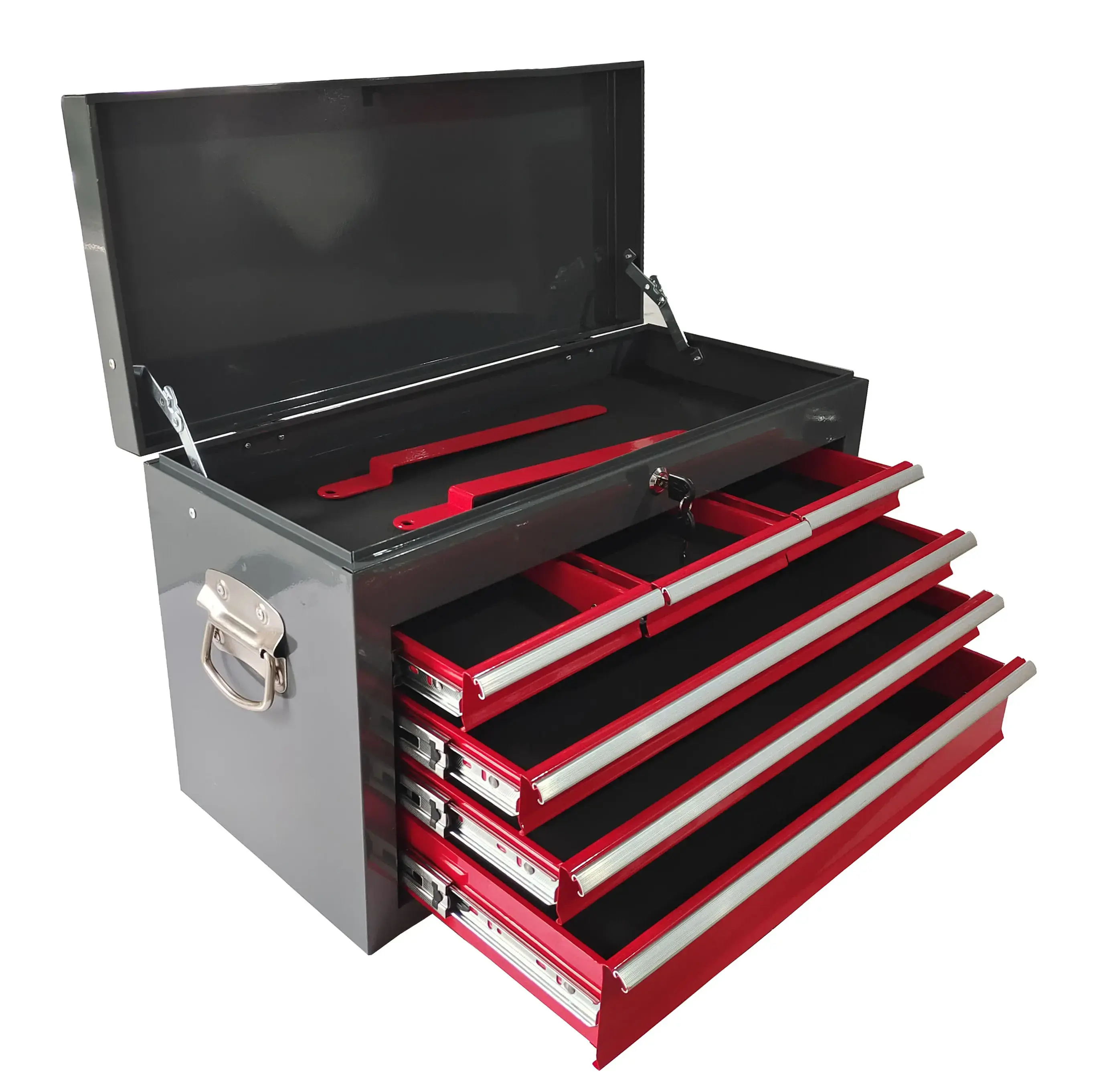
When selecting manufacturers capable of private label tool storage customization, buyers should evaluate more than price, focusing on customization capacity, production capacity, quality control, export certification, and MOQ policies.
4.1 End-to-End Customization Capability
Top private label factories maintain full in-house production: sheet metal stamping, welding, powder coating, logo printing, and packaging, with no outsourcing of coating or printing.
- In-house coating line: Enables independent color matching and batch consistency control; outsourced spraying carries high color deviation risk.
- In-house printing workshop: Supports multi-process logo sampling and shorter lead times.
- Mold and structure development: Adjusts drawer layouts and dimensions for combined ODM structure and branding customization. Factories relying on external coating or printing lack stability and are unsuitable for long-term private label partnerships.
4.2 MOQ & Sample Policies
MOQ policies vary significantly by factory; buyers should match suppliers to their order scale:
- Small-batch test orders: Some factories offer MOQs as low as 50 units for standard colors; 100–200 units for exclusive colors and logos.
- Large-volume annual distribution: Repeat customers may negotiate reduced MOQs and waived color-matching fees.
- Sample policy: Paid sampling with fee rebate upon bulk order confirmation to minimize trial risk. Clarify whether color-matching and logo plate-making fees are deductible against mass orders to control upfront costs.
4.3 Quality Control & Coating Testing Standards
Export-capable factories must implement complete inspection protocols, with two key customization-related tests:
- Powder coating testing: Salt spray test, abrasion resistance test, and UV weathering report to ensure long-term durability.
- Logo adhesion test: Resistance to repeated oil and alcohol wiping, critical for harsh automotive workshop environments. Buyers should request batch color inspection records and third-party test reports (SGS) for material and environmental compliance to meet import requirements.
4.4 Export Compliance & International Trade Support
- Basic certifications: ISO 9001 Quality Management System for standardized customization.
- Environmental compliance: RoHS and REACH test reports for EU, Australian, and North American markets.
- Trade services: Support for FOB, CIF, DDP terms; multilingual technical support; independent branded packing lists and customs invoices.
- Delivery guarantee: Clear production lead times with buffer for color matching and printing; contractual penalties for delays.
4.5 Production Flexibility & Aftermarket Parts Support
Reliable factories accommodate new product testing, peak-season restocking, and replacement part needs:
- Sufficient monthly capacity for full-container bulk customization.
- Flexible production lines for rapid small-batch reorders for long-term partners.
- Branded replacement components (slides, casters, locks) available separately for end-user after-sales support.

5. Standardized Procurement Process: From Sampling to Mass Production
Step 1: Submit Complete Customization Documentation
Provide the factory with all brand assets: vector logo, RAL/Pantone code, finish requirement, logo position, engineering drawings, packaging rules, and environmental standards. All specifications must be documented in writing to avoid miscommunication.
Step 2: Approve Color Swatches & Logo Samples
The factory first provides physical metal powder swatches and logo test prints. Buyers verify color, definition, and durability in person before full prototype production.
Step 3: Full Inspection of Finished Prototype
Upon sample arrival, conduct multi-dimensional inspection:
- Appearance: Overall color consistency, logo position, edge finishing, coating defects.
- Performance: Smooth drawer operation, load-bearing test, lock security.
- Coating durability: Oil wipe test to confirm no fading on logo or surface.
- Packaging: Branded outer carton and internal protection meeting ocean shipping standards. Only after full approval should mass production be released.
Step 4: In-Production Checks & Pre-Shipment Inspection
During mass production, require mid-batch semi-finished photos. Arrange third-party pre-shipment inspection focusing on:
- Batch color consistency
- Logo printing uniformity
- Coating integrity
- Branded packaging compliance Non-conforming batches must be fully reworked; mixed loading is not permitted.
Step 5: Standardized Re-Order Management
Establish a dedicated brand customization archive storing color numbers, logo files, and process specifications. Subsequent orders skip repeated sampling, ensuring stable visual and quality consistency while shortening lead times.

6. Risk Avoidance Guide for Private Label Tool Storage Procurement
- Hidden color-matching fees: Confirm all costs upfront and define bulk-order rebate terms.
- Uncontrolled batch color difference: Avoid factories without in-house coating lines; define color tolerance and rework responsibilities in contracts.
- Premature logo wear: Prioritize powder-integrated printing and conduct oil-resistant testing during sampling.
- Residual factory branding: Require full removal of original logos and model numbers throughout production and packaging.
- Non-compliant eco-coatings: Obtain powder test reports before customization; use TGIC-free powder for EU markets.
- Unexpected MOQ increases: Lock MOQ in writing at the start of cooperation to prevent mid-process threshold hikes.