
Leave Your Message




Design of Load-bearing Beams for Tool Cabinets: How to Avoid Deformation and Fracture
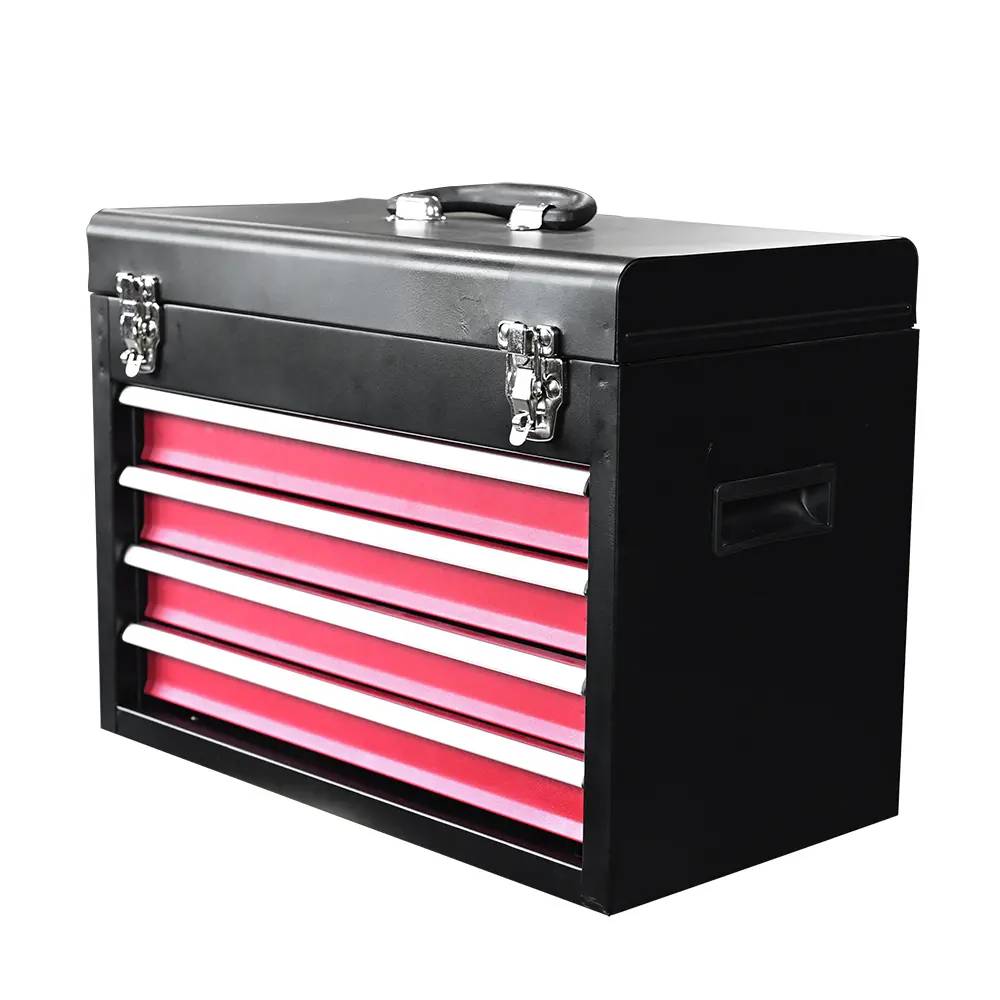
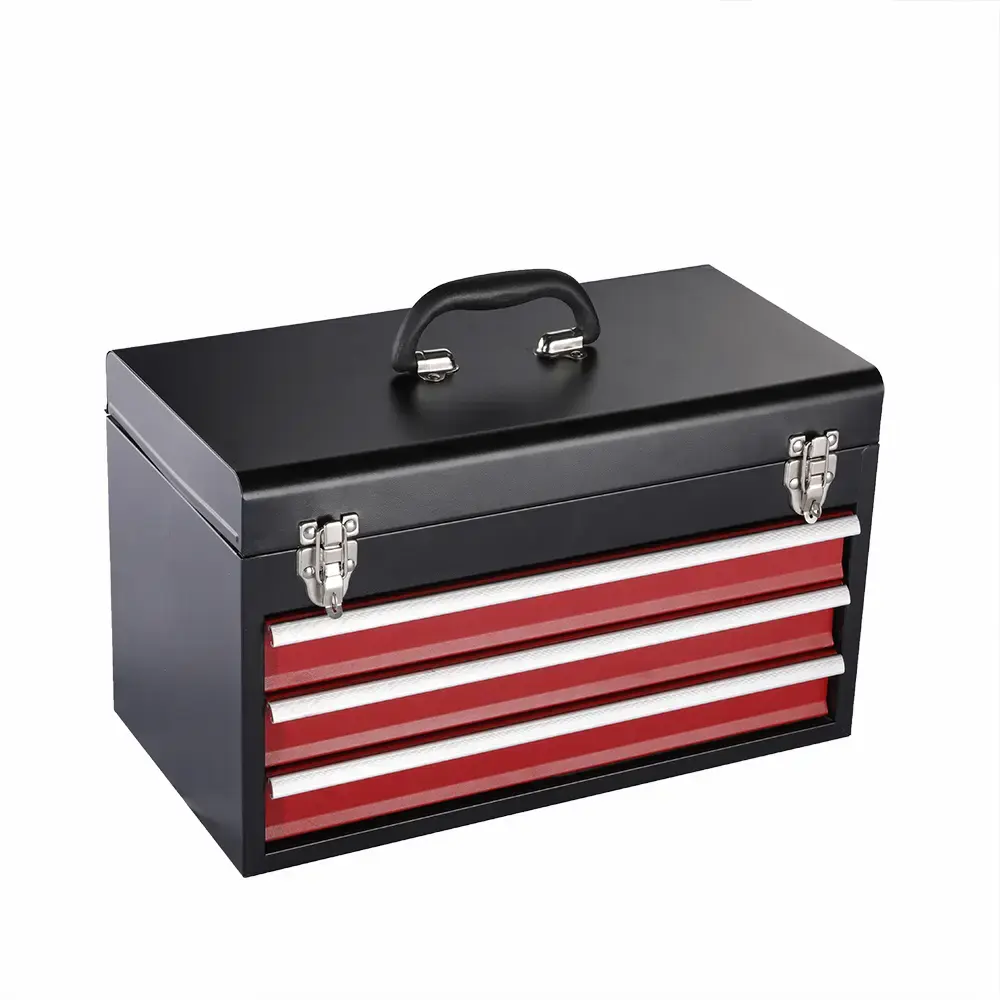
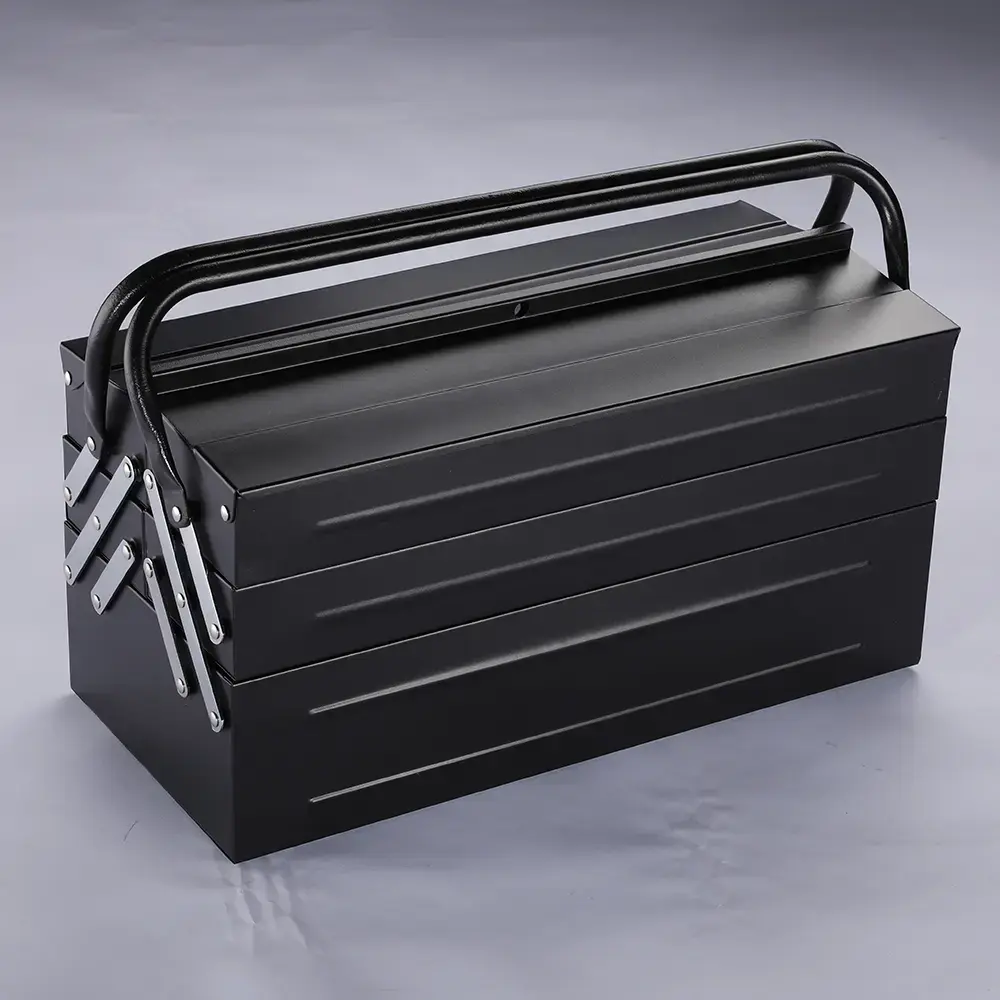
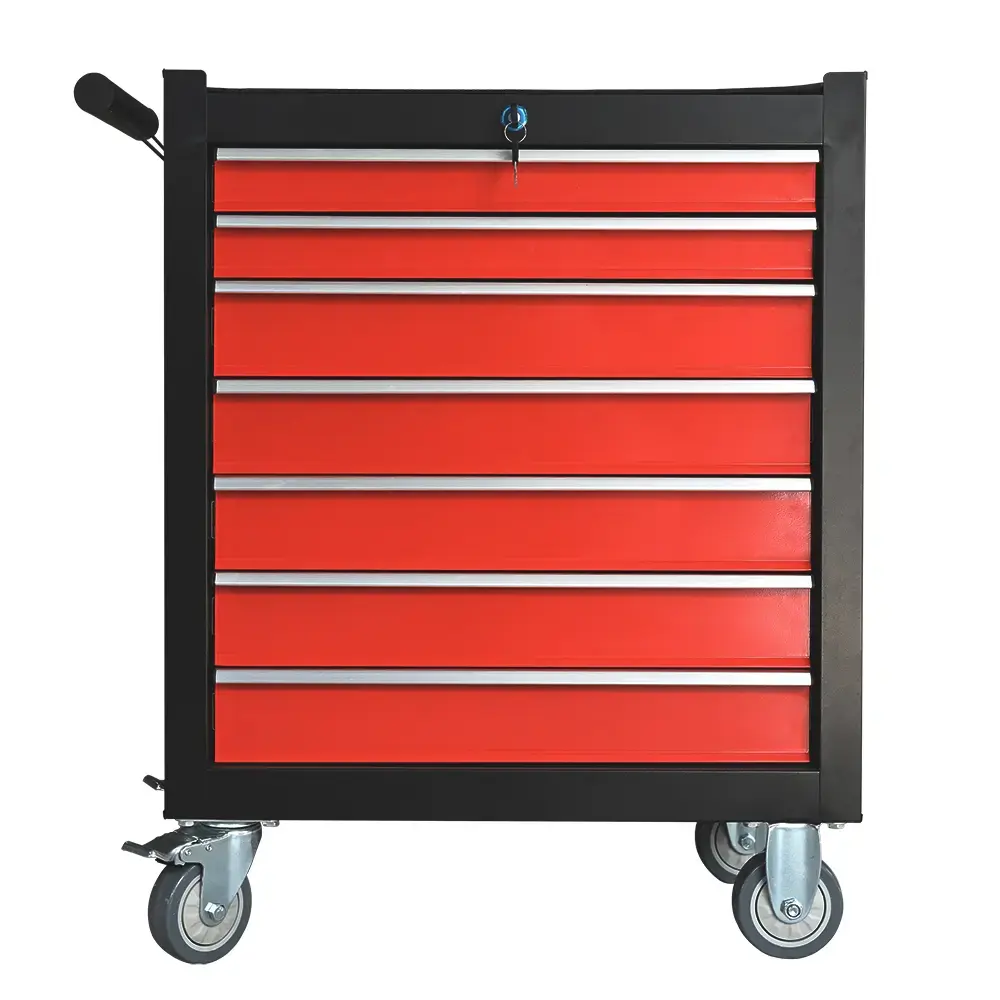
In industrial environments, Tool Cabinets, as important facilities for storing and managing various tools and equipment, the design of their load-bearing beams is of vital importance. A well-designed load-bearing crossbeam can not only effectively prevent deformation and fracture, but also ensure the stability and safety of the tool cabinet, thereby improving work efficiency and service life.
First, selection of crossbeam materials
Material is the fundamental factor influencing the performance of crossbeams. Commonly used materials include steel, aluminum alloy, etc. Steel features high strength and excellent resistance to deformation, making it suitable for tool cabinets with high load-bearing requirements. Aluminum alloy, on the other hand, is relatively light in weight and has good corrosion resistance, making it suitable for applications where weight is a requirement.
When choosing materials, the yield strength and tensile strength of the materials also need to be taken into consideration. Yield strength determines the stress value at which a material begins to undergo plastic deformation under force, while tensile strength indicates the maximum stress that a material can withstand before fracture. By rationally selecting materials, the load-bearing capacity of the crossbeam can be effectively enhanced, and the risks of deformation and fracture can be reduced.
Second, design of the crossbeam section
The cross-sectional shape of the crossbeam has a significant impact on its load-bearing capacity. Common cross-sectional shapes include rectangular, square, I-shaped, etc. Rectangular and square cross-sections have a simple structure and good bending resistance, making them suitable for general load-bearing requirements. The I-shaped cross-section performs well in terms of bending and torsional resistance, and is particularly suitable for crossbeams that bear large loads.
In addition, the optimization of cross-sectional dimensions is also of vital importance. Increasing the height of the cross-section can significantly enhance the moment of inertia of the crossbeam, thereby strengthening its bending resistance. At the same time, reasonably controlling the width-to-thickness ratio of the cross-section can effectively prevent the occurrence of local buckling. By precisely calculating and optimizing the cross-sectional dimensions, the weight of the crossbeam can be reduced while ensuring its load-bearing capacity, and the material utilization rate can be improved.
Third, selection of connection methods
The connection method between the crossbeam and other components of the tool cabinet plays a crucial role in its overall stability. Common connection methods include welding, bolt connection and riveting, etc. Welded connections have high strength and rigidity, but the welding process has high requirements, and the welding process may have a certain impact on the material properties. Bolt connections have the advantages of easy installation and strong disassemblability, and are suitable for occasions where frequent disassembly and assembly are required. Riveted connections perform well in terms of shear strength and are suitable for connection parts subjected to relatively large shear forces.
When choosing the connection method, it is necessary to comprehensively consider factors such as the usage requirements of the tool cabinet, production costs and processing techniques. A reasonable selection of the connection method can not only ensure the tight connection between the crossbeam and the tool cabinet, but also enhance the overall stability and reliability of the tool cabinet.
Fourth, structural optimization design
In addition to the selection of materials, cross-sections and connection methods, structural optimization design is also an important means to avoid deformation and fracture of crossbeams. For instance, adding reinforcing ribs to the crossbeam can effectively enhance its bending and torsional resistance. The layout of reinforcing ribs should be reasonably designed based on the force conditions of the crossbeam. Generally, adding reinforcing ribs at the parts of the crossbeam where the force is greater can significantly enhance its load-bearing capacity.
In addition, it is also very important to rationally design the supporting structure of the crossbeam. Adding support points can effectively reduce the span of the crossbeam, thereby lowering its deflection and stress. In some special circumstances, a double-layer beam structure can also be adopted to further enhance the load-bearing capacity of the tool cabinet.
Fifth, analysis of practical application Cases
In practical applications, the design of the load-bearing crossbeams of tool cabinets needs to take into account a variety of factors comprehensively. For instance, in the design of a tool cabinet in a certain factory, due to the need to store a large number of heavy tools and equipment, higher requirements were placed on the load-bearing capacity of the crossbeams. The designers adopted high-strength steel as the material for the crossbeam, optimized the cross-sectional shape and size of the crossbeam, and added reinforcing ribs and support structures. Through these measures, the deformation and fracture problems of the crossbeam under high loads were successfully solved, and the stability and safety of the tool cabinet were improved.

Sixth, Summary
The design of the load-bearing crossbeam of a tool cabinet is a complex and significant process, which requires comprehensive consideration from multiple aspects such as material selection, cross-sectional design, connection methods, and structural optimization. By rationally selecting materials, optimizing the cross-sectional shape and size, choosing appropriate connection methods, and conducting structural optimization design, the deformation and fracture of the crossbeam during use can be effectively avoided, thereby enhancing the stability and safety of the tool cabinet. In practical applications, these design principles and methods should be flexibly applied based on specific usage requirements and environmental conditions to ensure that the performance of the tool cabinet reaches the best state.