
Leave Your Message
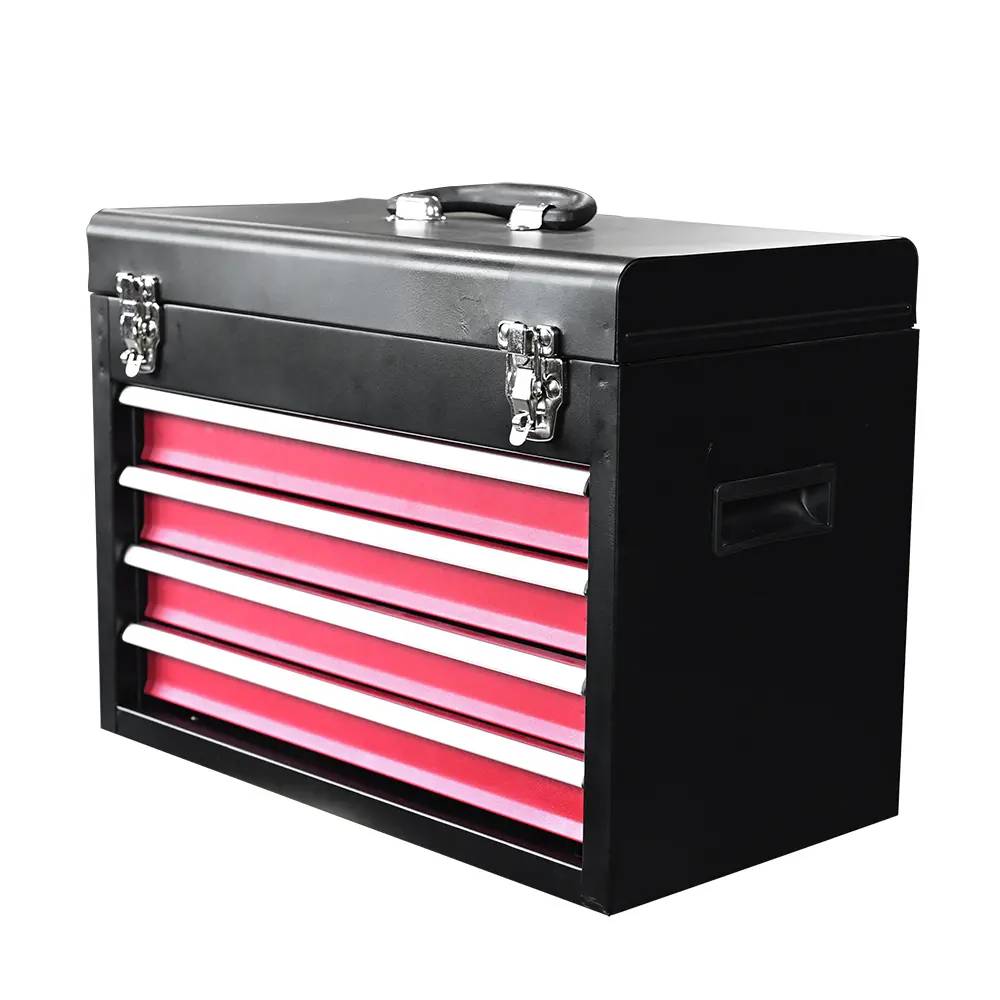
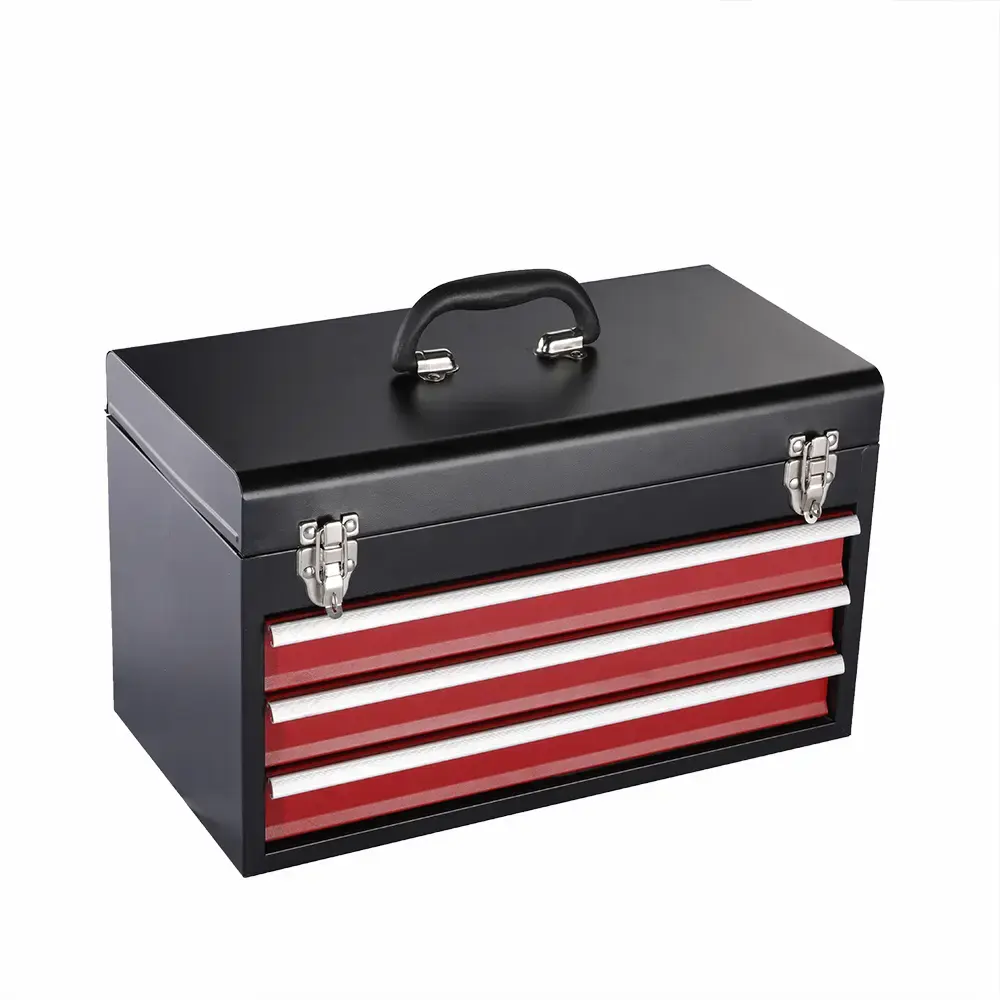

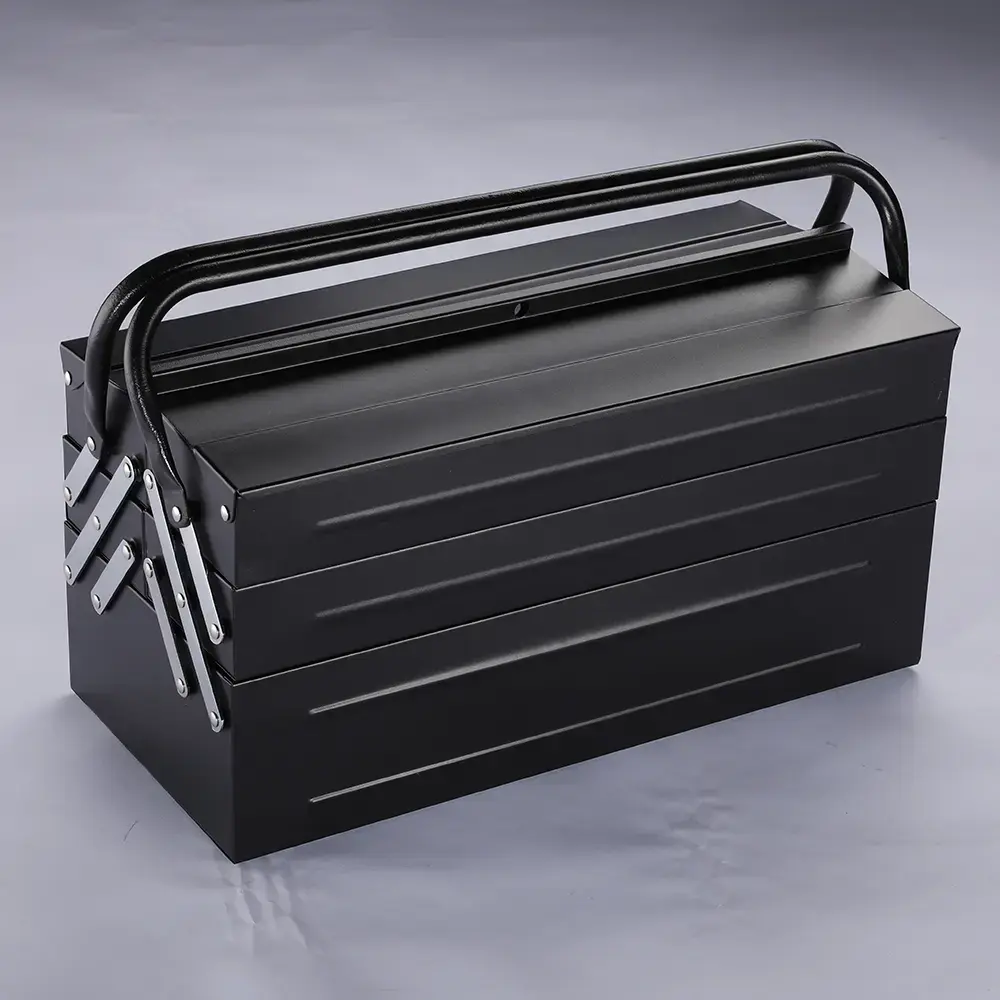
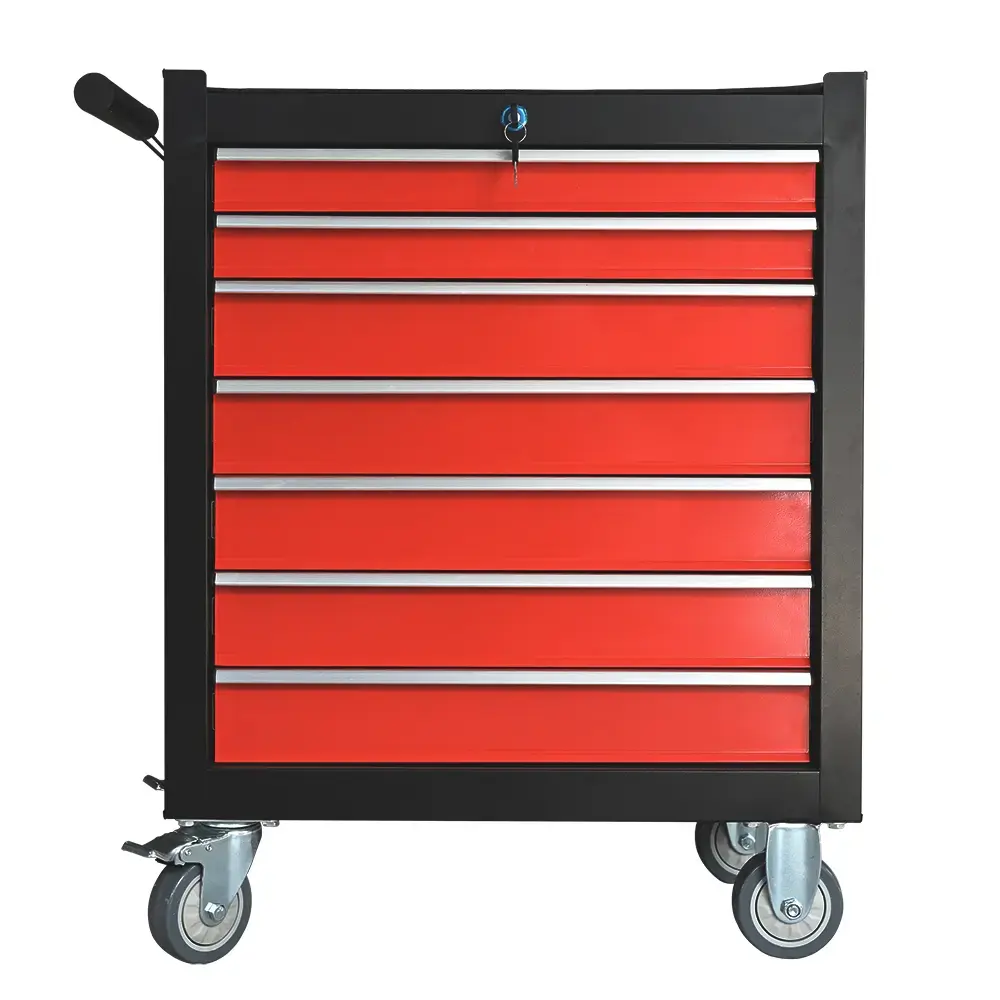



Development Opportunities for Industrial Tool Cabinets in Supporting the New Energy Industry
Development Opportunities for Industrial Tool Cabinets in Supporting the New Energy Industry
Industrial tool cabinets serve as core foundational equipment for the new energy sector, yet their compatibility issues are often overlooked. Many enterprises face problems like moisture damage to precision components and non-compliant tool traceability due to using standard cabinets, directly impacting production line efficiency. This article dissects key points for tool cabinet adaptation to new energy scenarios through real-world Cases and industry data, helping you pinpoint supporting business opportunities. Analysis follows across core dimensions including intelligence and customization.
Smart Tool Cabinets: How to Meet Compliance Demands in New Energy Scenarios?
With intensified safety inspections, the new energy sector imposes increasingly stringent compliance requirements for tool management. Manual registration systems are being phased out, making smart tool cabinets essential.
A distributed photovoltaic project in an industrial park encountered challenges by initially using standard cabinets for maintenance tools. Inventory took excessive time, and tool losses delayed repairs, causing excessive fluctuations in PV output.
Subsequently, the project adopted smart tool cabinets with RFID traceability and automatic temperature/humidity control modules. This enabled sub-second tracking of tool issuance and return, maintained stable internal conditions even during rainy seasons with humidity exceeding 90%, reduced insulation tool wear by 60%, cut fault response time from 15 minutes to 200 milliseconds, and boosted self-consumption rates to 78%.
Common Question: Which new energy systems must smart tool cabinets be compatible with?
The core requirement is integration with the enterprise MES system to enable data exchange between tool inventory and production line data. Additionally, they must meet IP66 protection standards and adapt to diverse environments, including outdoor and workshop settings.
Customized Tool Cabinets: Solving Protection Challenges in Lithium Battery Workshops
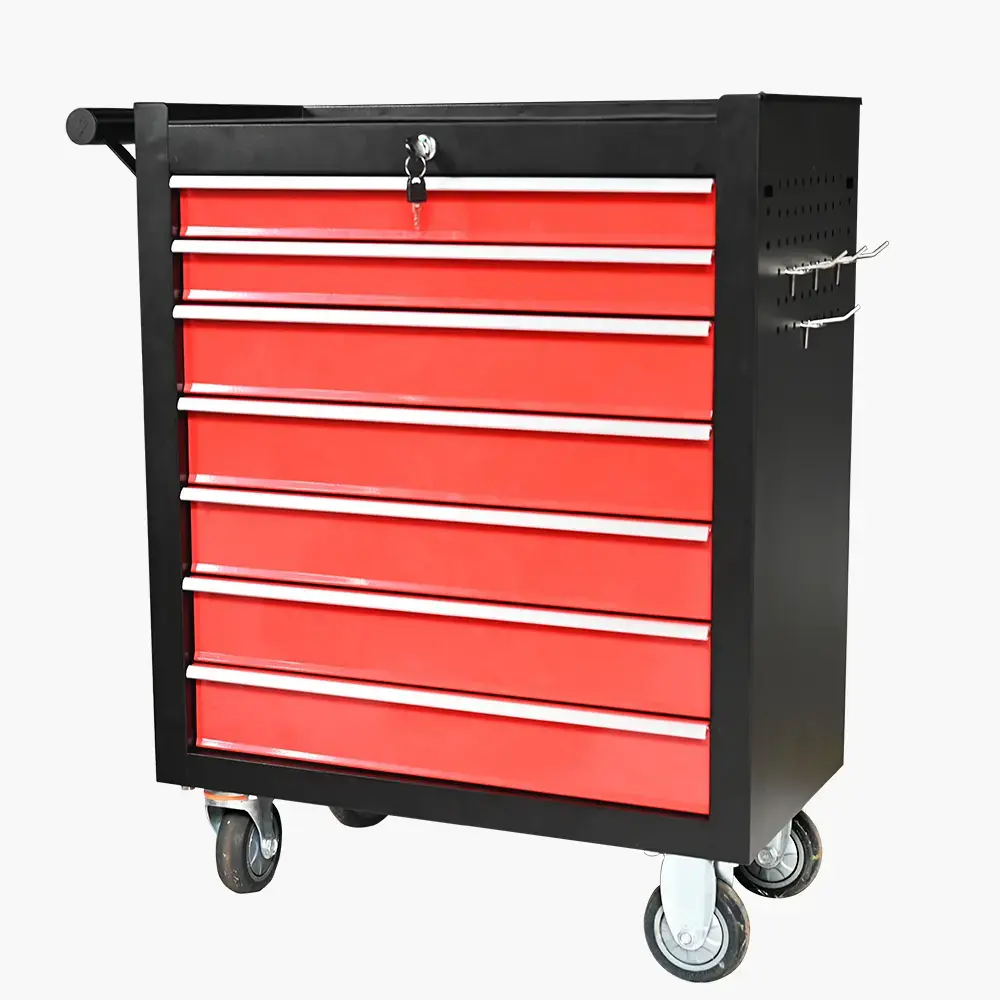
Lithium battery workshops feature high dust levels and corrosive conditions, demanding exceptional sealing and corrosion resistance from tool cabinets. Standard cabinets often suffer from dust infiltration and component rust, compromising tool precision.
A leading domestic battery manufacturer implemented customized tool cabinets for its cell production lines. These cabinets feature dual-layer anti-corrosion treatment inside and out, along with specialized ventilation ports to prevent dust ingress.
Additionally, they reserve over 10% spare terminal space to accommodate heat-generating components like PLCs and inverters. Paired with Blue e air conditioning temperature control systems, they ensure precision Tool Storage environments meet standards, supporting stable production line operation.
Common Question: Does custom tool cabinet design extend delivery lead times?
Selecting the right supplier mitigates this risk. Solutions incorporating digital twin modeling technology can reduce design cycles by 30%, balancing customization with efficiency.
Energy Storage Facility Tool Cabinets: Balancing Safety and Operational Efficiency
Energy storage facilities feature extreme temperature fluctuations and dense battery clusters, demanding tool cabinets that simultaneously ensure safety protection and rapid access. This is a core pain point for many cross-border buyers.
In a 100MWh energy storage project, initial tool cabinets lacked fire suppression integration. During an inspection, abnormal battery cluster heating was detected. Delayed tool retrieval nearly caused a safety incident.
Upgraded cabinets now feature built-in CO₂ sensors linked to the station's fire suppression system. Within 0.5 seconds of detecting anomalies, the system cuts power while intelligently locating emergency tools via digital ledgers. Response time improved to 15ms, extending battery cycle life by 15%.
Common Question: What standards must outdoor energy storage tool cabinets meet?
Minimum IP66 waterproof rating required, with freeze-protection heating capabilities for stable operation across ±15°C temperature variations.
FAQ: High-Frequency Questions on New Energy Industry Tool Cabinet Procurement
1. What certifications should be prioritized for cross-border procurement of new energy tool cabinets?
Core certifications include EU CE and North American UL. Compliance with State Grid's “Electrochemical Energy Storage Station Safety Standards” is also required to ensure lawful operation in target markets.
2. Are maintenance costs high for smart tool cabinets?
Not significantly. High-quality products incur annual maintenance costs averaging only 3%-5% of the purchase price. Routine cleaning of sensors and system updates suffice to ensure stable operation.
3. How can I determine if a tool cabinet suits my renewable energy application?
First, clarify the usage environment (workshop/outdoor, temperature/humidity range). Next, identify tool types (precision/standard, explosion-proof requirements). Finally, collaborate with suppliers to develop customized solutions.
The rapid growth of the renewable energy sector has created incremental demand for industrial tool cabinets. Whether through smart traceability, customized protection, or safety interlocking, the core principle remains aligning with specific application needs. Selecting the right industrial tool cabinet not only meets compliance requirements but also enhances operational efficiency, becoming a key driver for cost reduction and efficiency gains in new energy projects. In the future, with technological advancements, industrial tool cabinets will play an increasingly vital role in new energy infrastructure.
Meta Description
Industrial tool cabinets serve as core supporting equipment in the new energy sector, offering smart and customized solutions for photovoltaic, energy storage, and lithium battery applications to address compliance, protection, and efficiency challenges. This article deconstructs selection criteria using real-world case studies, empowering cross-border buyers and B2B clients to strategically identify opportunities. Avoid pitfalls in tool cabinet selection with this definitive guide.
Keywords
Industrial tool cabinets, smart tool cabinets for new energy, customized tool cabinets for lithium battery workshops, tool cabinets for energy storage power stations, cross-border procurement of industrial tool cabinets