
Leave Your Message




0102030405
Enhance Auto Shop Efficiency with Black Tool Cabinets
2025-11-27
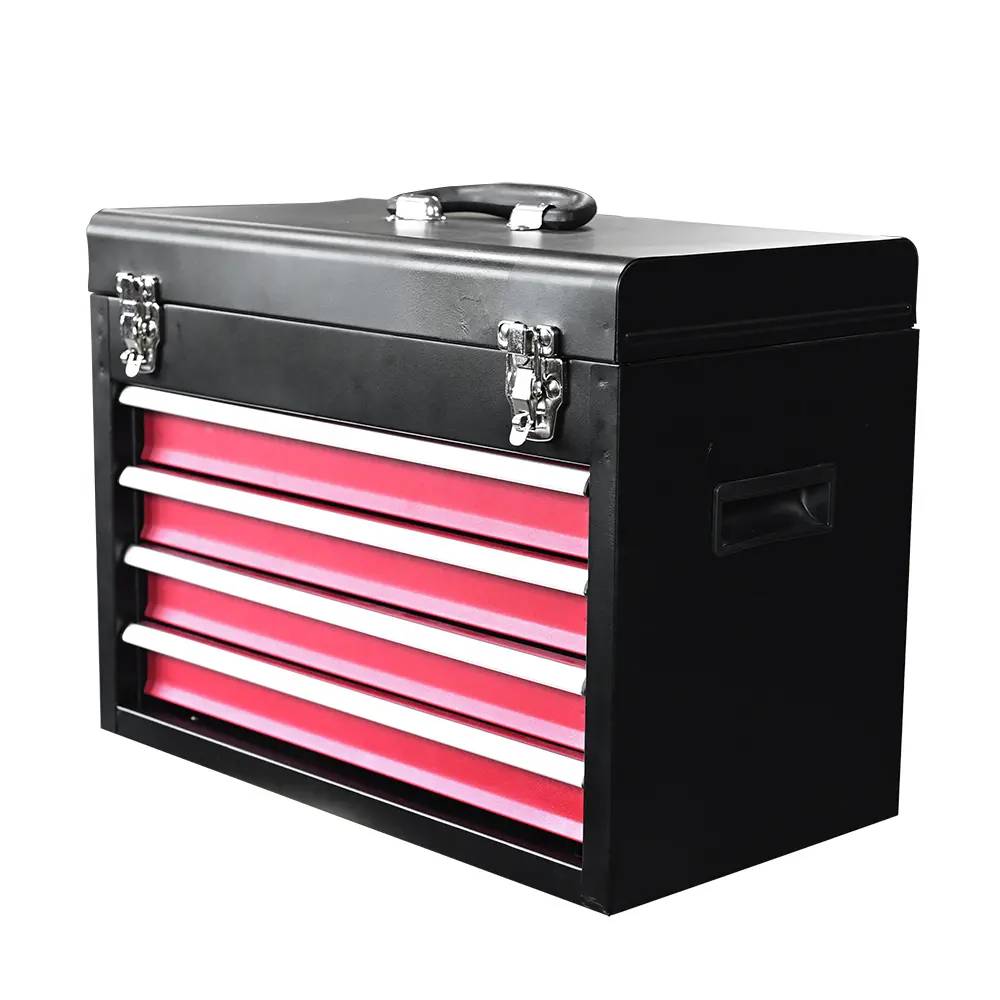
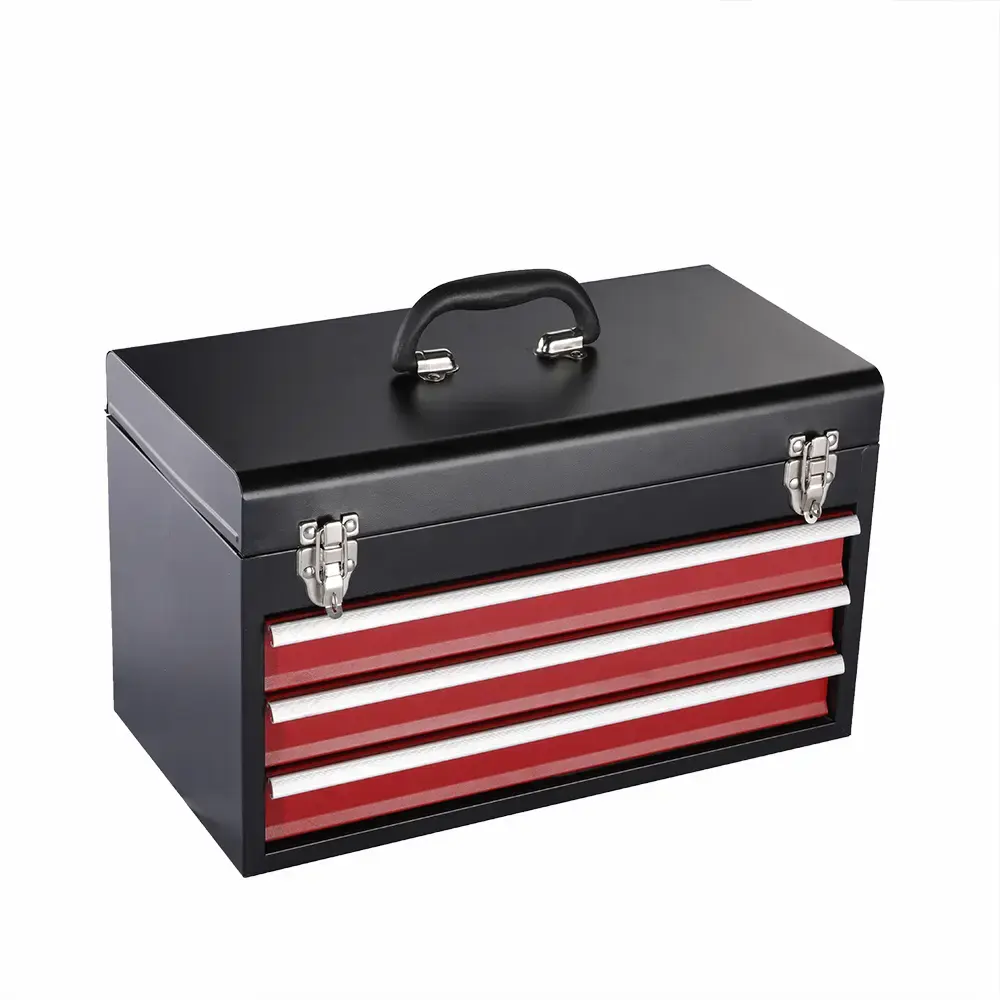
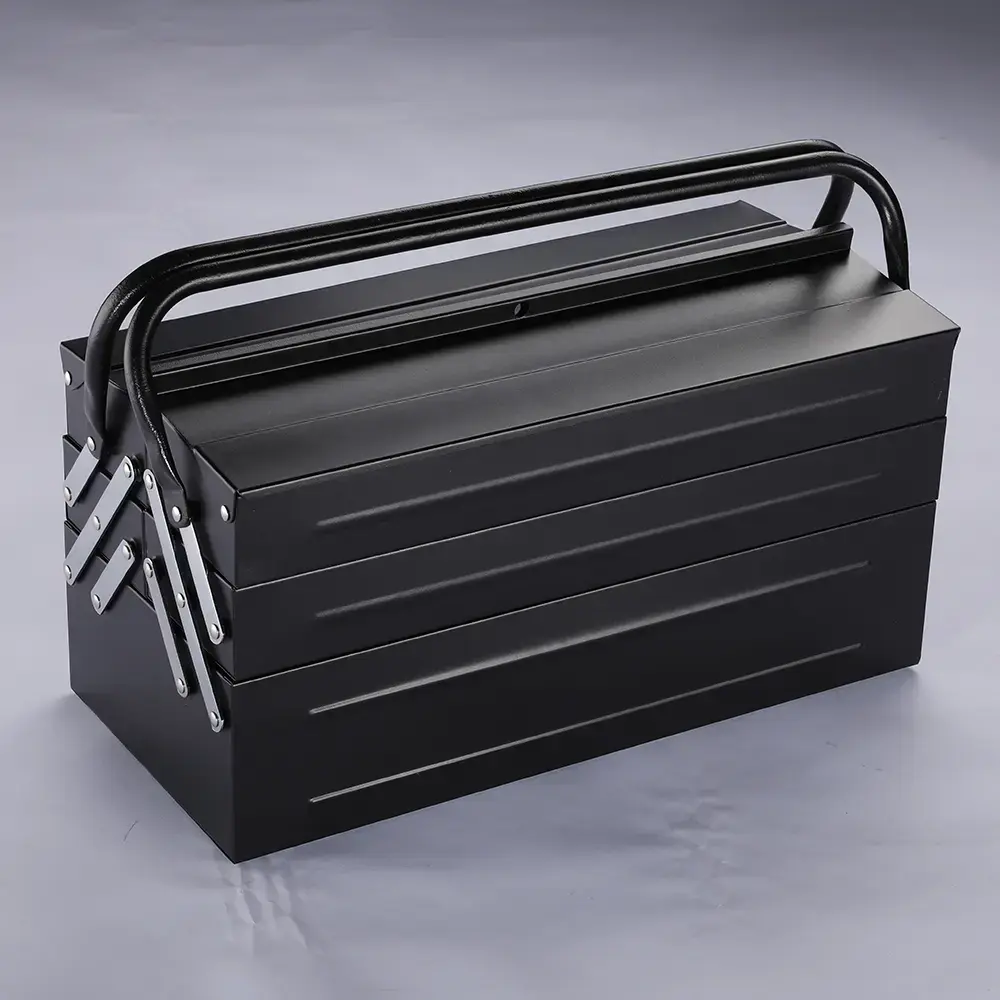
In the high-paced environment of automotive repair, organization isn't just about aesthetics—it's a critical factor that directly impacts turnaround times, technician productivity, and ultimately, customer satisfaction. Among the various storage solutions available, black Tool Cabinets have emerged as a preferred choice for professional workshops worldwide. Their practical applications extend far beyond simple storage, fundamentally transforming how repair facilities operate on a daily basis.
The Professional Edge of Black Finishes
The color choice for workshop furniture might seem purely cosmetic, but in automotive settings, black tool cabinets offer distinct functional advantages. The dark powder-coated finish effectively masks grease stains, oil smudges, and everyday wear that are inevitable in repair environments. This maintains a professional appearance throughout long service hours without requiring constant cleaning. More importantly, the matte black surface reduces glare under bright workshop lighting, decreasing eye strain for technicians who frequently glance between tools and vehicle components.
Constructed from cold-rolled steel typically measuring 0.8-1.0mm in thickness, these cabinets withstand the demands of heavy daily use. The powder coating process ensures uniform coverage without the "grainy" texture common in inferior paint applications, preventing chipping and corrosion even when exposed to various automotive fluids.
Modular Configuration for Dynamic Workflows
Modern auto repair involves diverse tasks—from diagnostic work requiring precision instruments to heavy mechanical repairs demanding robust Hand Tools. A single, monolithic storage unit rarely serves all purposes effectively. This is where modular black tool cabinet systems demonstrate their true value.
Central Workstation Integration
A typical configuration positions a black tool cabinet as the foundation of a technician's primary workstation. The cabinet, often featuring 15-20 drawers of varying heights, sits beneath a stainless steel worktop that serves as both tool staging area and temporary parts holder. The stainless steel surface, resistant to oil contamination and easy to wipe clean, complements the black cabinet body while providing practical functionality.
Above the main cabinet, wall-mounted black storage units with LED lighting illuminate frequently used tools stored on pegboards. These upper cabinets often incorporate gas spring lifts, allowing smooth one-handed operation even when technicians have their hands full. The integrated lighting eliminates shadows cast by overhead fixtures, ensuring small components and tool markings remain clearly visible.
Mobility Meets Stability
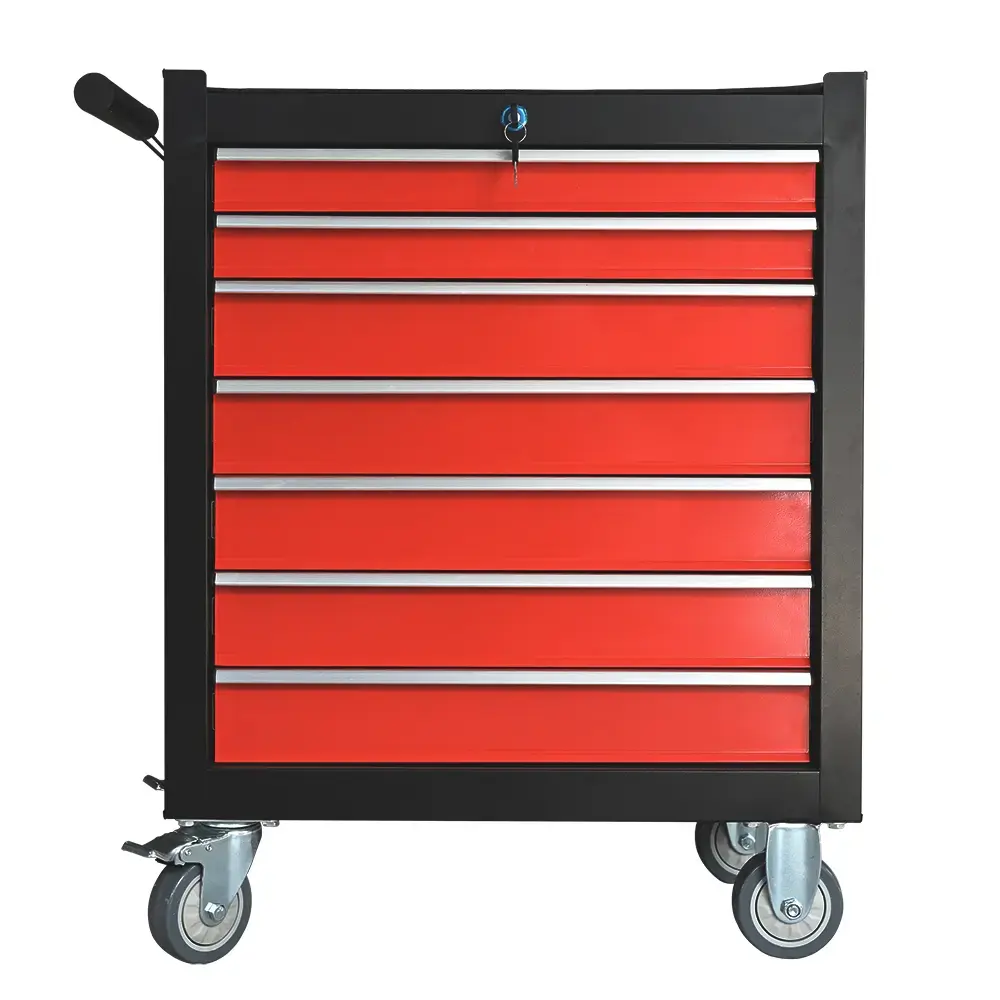
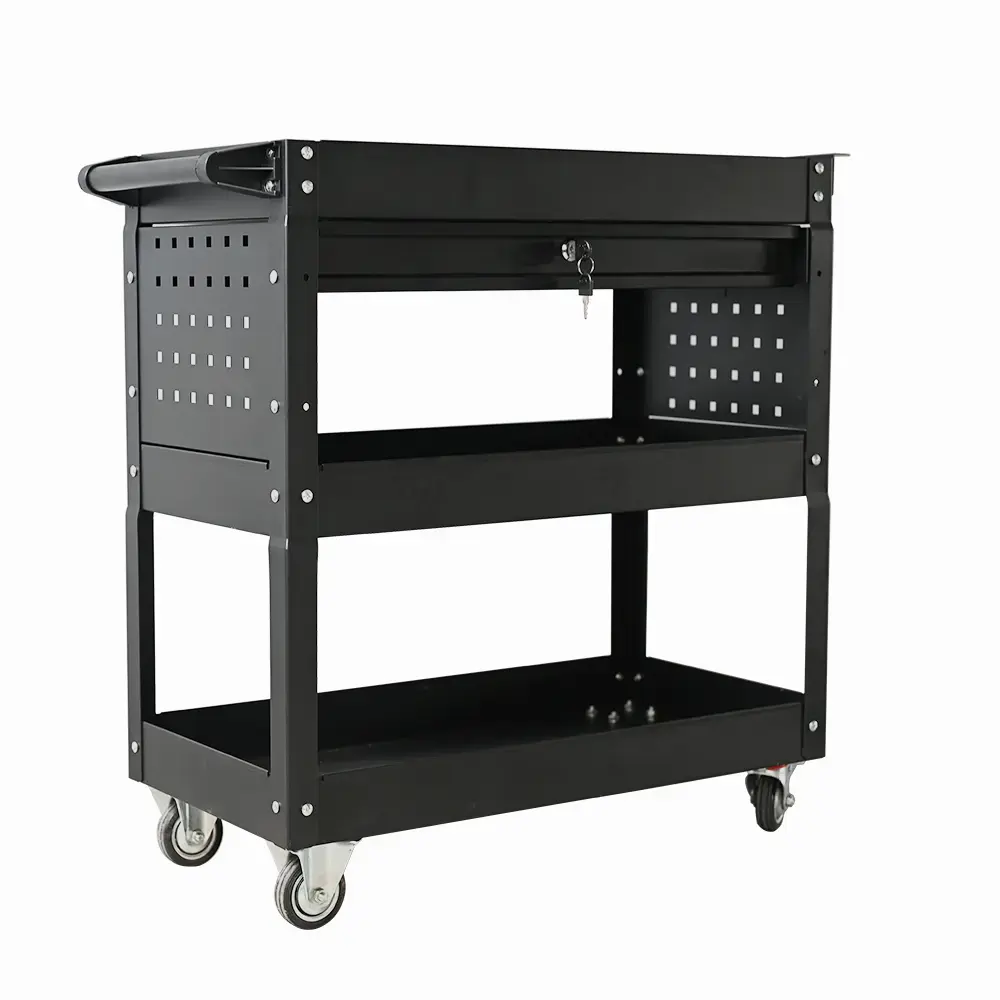
One of the most practical applications in busy shops involves mobile black tool cabinets mounted on heavy-duty casters. Six-wheel designs, with two locking casters and four swivel wheels, allow technicians to transport an entire tool collection directly to the vehicle being serviced. This mobility proves invaluable during extensive repairs that require tools at multiple locations around a vehicle.
During transmission overhauls, for instance, a technician can roll the cabinet to the lift bay, position it beside the vehicle, and lock the wheels to create a stable tool station. All necessary sockets, torque wrenches, and specialty tools remain within arm's reach throughout the multi-hour procedure. Once completed, the cabinet easily relocates to the next service bay, eliminating time wasted walking back and forth to a central tool room.
Intelligent Organization Systems
Effective tool management goes beyond simply having enough drawers. Professional-grade black tool cabinets implement sophisticated organization principles that directly impact repair efficiency.
Weight-Based Drawer Distribution
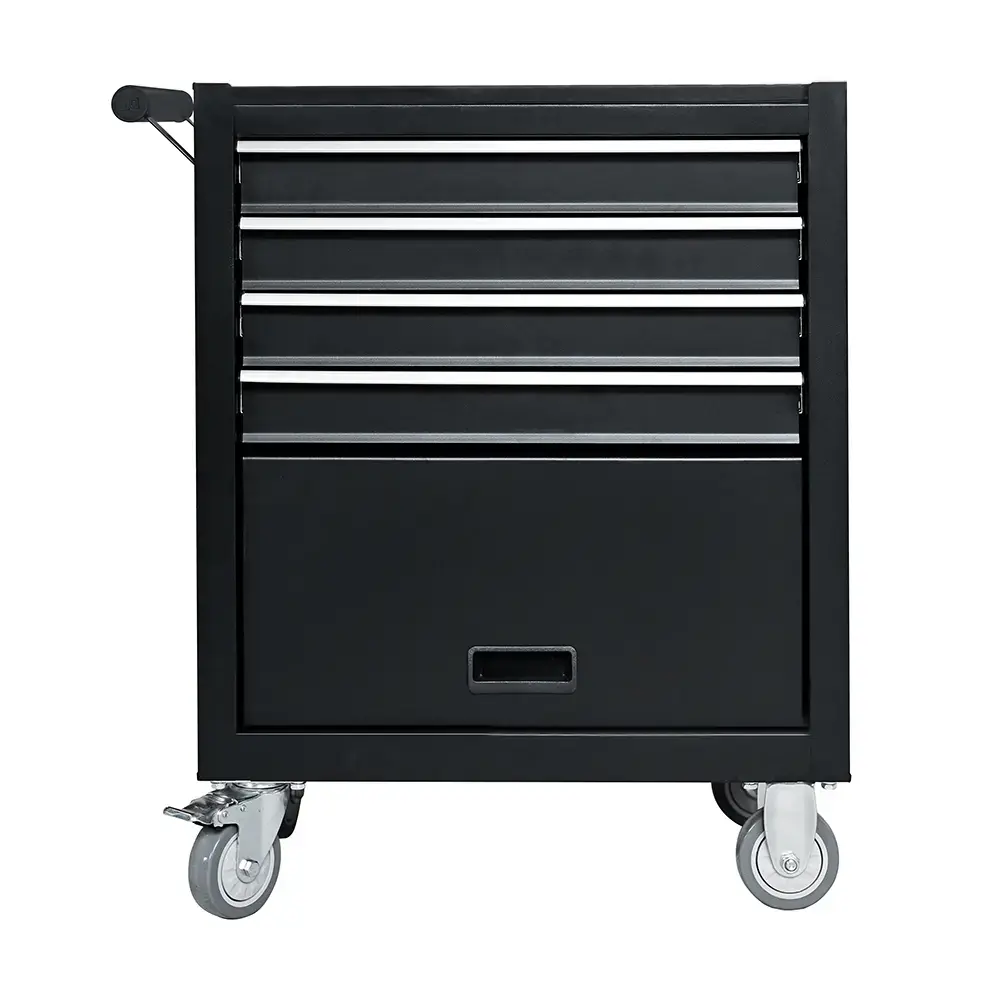
Heavy items like impact wrenches, breaker bars, and hydraulic fittings naturally belong in lower drawers where the cabinet's structure provides maximum support. Middle drawers house frequently accessed hand tools—ratchets, pliers, and screwdrivers arranged in custom-fit foam inserts that display each tool's silhouette. This shadow-board approach allows instant visual inventory: missing tools immediately stand out, reducing loss and ensuring complete sets return from job sites.
Upper drawers safely store precision instruments—digital calipers, multimeters, and diagnostic tablets—in padded compartments that prevent damage from vibration and accidental impacts. Some configurations include double-wall drawer construction with ball-bearing slides rated for 35-45kg loads, ensuring smooth operation even when fully loaded with dense metal tools.
Integrated Power and Connectivity
Contemporary black tool cabinets address modern diagnostic needs by incorporating built-in power solutions. European-standard outlets mounted on side panels or hanging boards provide direct electricity for cordless tool chargers, laptops running diagnostic software, and inspection lighting. This eliminates hazardous extension cord runs across shop floors and ensures devices remain charged and ready.
Advanced setups feature USB charging ports and even network cable routing, allowing scan tools to maintain internet connectivity for software updates and technical database access directly at the service bay.
Safety and Security Protocols
Professional workshops must control tool access for both safety and inventory management. Black tool cabinets accommodate this with robust locking mechanisms. Central locking systems, often featuring tubular security locks, secure all drawers simultaneously with a single key turn. For shops with multiple technicians, individual drawer locks allow personal tool security while sharing the main cabinet structure.
The black finish itself contributes to safety by clearly demarcating Tool Storage zones from vehicle work areas. In busy shops with multiple technicians, this visual boundary reduces accidental tool placement on vehicle surfaces, preventing paint scratches and damage.
Long-Term Maintenance and Performance
Regular maintenance ensures these investments deliver value across years of intensive use. Monthly inspection routines should include checking caster wheel locks for proper engagement, lubricating drawer slides with dry silicone spray to prevent dust accumulation, and tightening hinge screws on cabinet doors.
The powder-coated black surface requires minimal care—simple wiping with a degreaser-saturated cloth removes built-up grime without damaging the finish. Unlike painted surfaces that chip and reveal bright metal underneath, quality black coatings maintain their uniform appearance even if scratched, as the base material typically matches the dark finish.
Quarterly deep-cleaning protocols involve emptying all drawers, vacuuming debris from corners and slides, and inspecting foam inserts for wear. This process often reveals forgotten specialty tools, effectively expanding the shop's capabilities without additional purchases.
Workflow Optimization in Practice
Consider a typical day in a transmission specialist shop. Morning brings multiple vehicles requiring service. Technicians begin by rolling their black tool cabinets to assigned lifts, each cabinet pre-stocked based on anticipated job types. The visual organization system means team members can locate specific torx bits or pressure gauges within seconds, not minutes.
During a clutch replacement, the technician works systematically—removing fasteners into magnetic trays on the cabinet top, organizing pressure plate bolts in labeled drawer compartments, and keeping the service manual on a document holder mounted to the cabinet side. The black cabinet's presence creates a defined workflow island, containing all project elements in one organized zone.
When an unexpected issue arises—perhaps a stripped bolt requiring an extractor set—the technician doesn't waste time searching communal tool cages. The extractor set, rarely used but critical, resides in its designated foam cutout in drawer 14. Its presence confirms availability before the technician even reaches for it, maintaining job momentum.
Conclusion
The practical applications of black tool cabinets in automotive repair environments demonstrate that these are not mere storage furniture but essential workflow infrastructure. Their durable construction, intelligent organization systems, and professional aesthetics directly contribute to measurable improvements in service times, tool longevity, and shop safety.
For repair facilities seeking to elevate operational standards, implementing a well-designed black tool cabinet system represents a strategic investment in efficiency. The modular nature allows customization to specific service specialties—whether collision repair, electrical diagnostics, or general maintenance—while the mobility options adapt to evolving shop layouts and service methodologies.
As vehicles become more complex and service intervals tighten, the difference between profitable operations and struggling shops often lies in these details of organization and efficiency. Black tool cabinets, when properly integrated into daily workflows, provide the foundation upon which superior automotive service is built.