Leave Your Message




0102030405
Ensure Stable Tool Cabinet Supply During Peak Orders: A Guide
2026-08-04
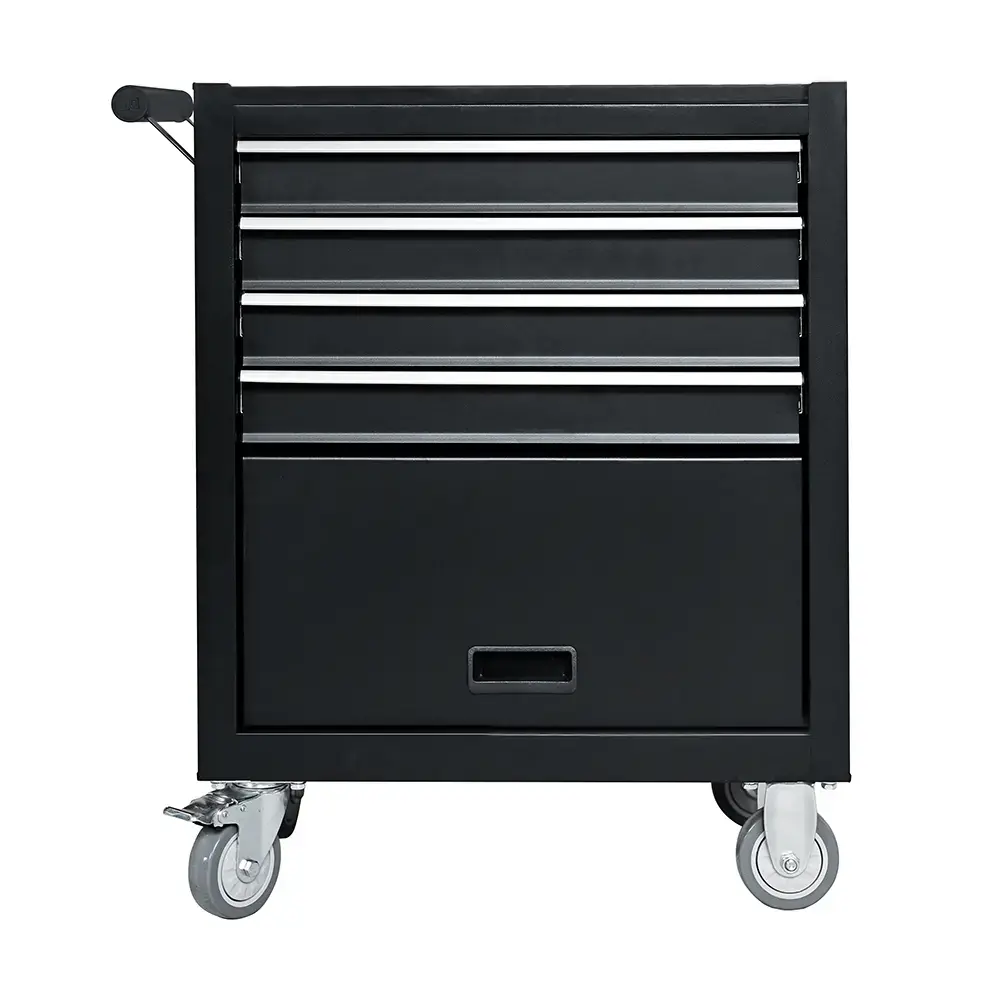
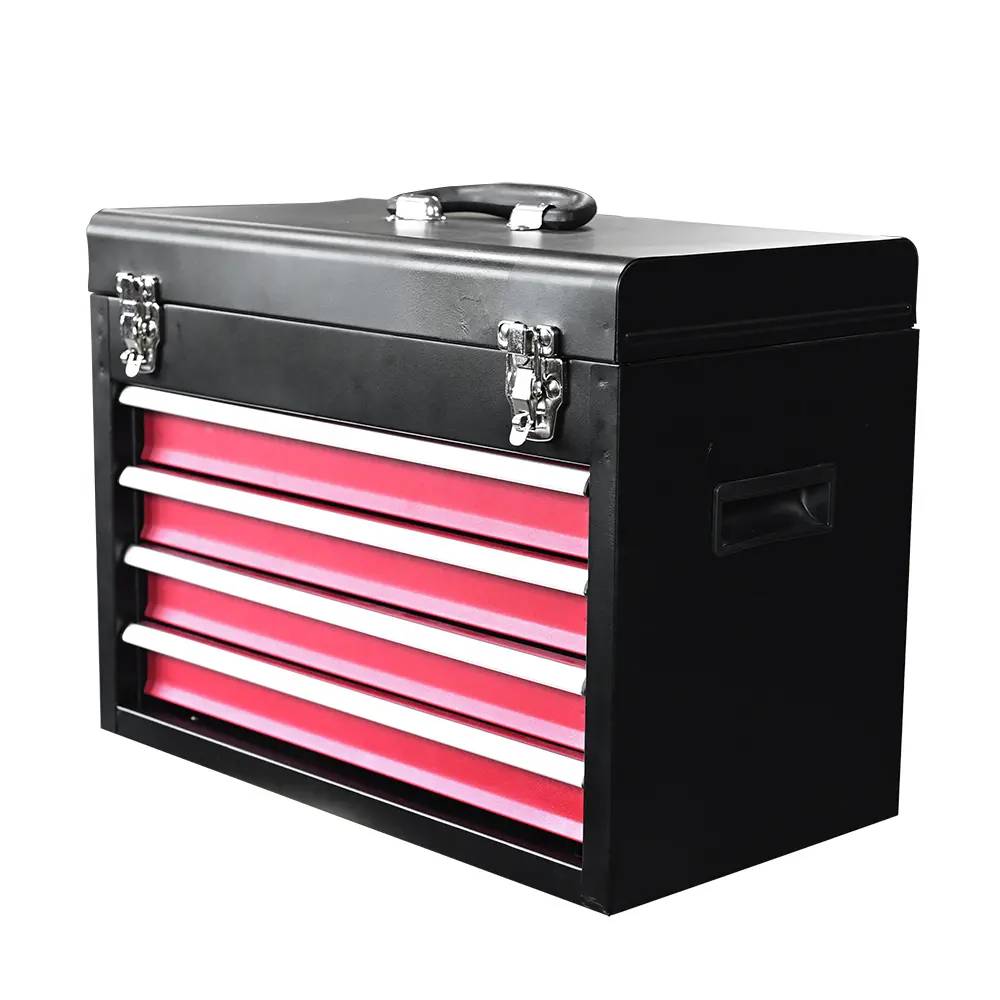
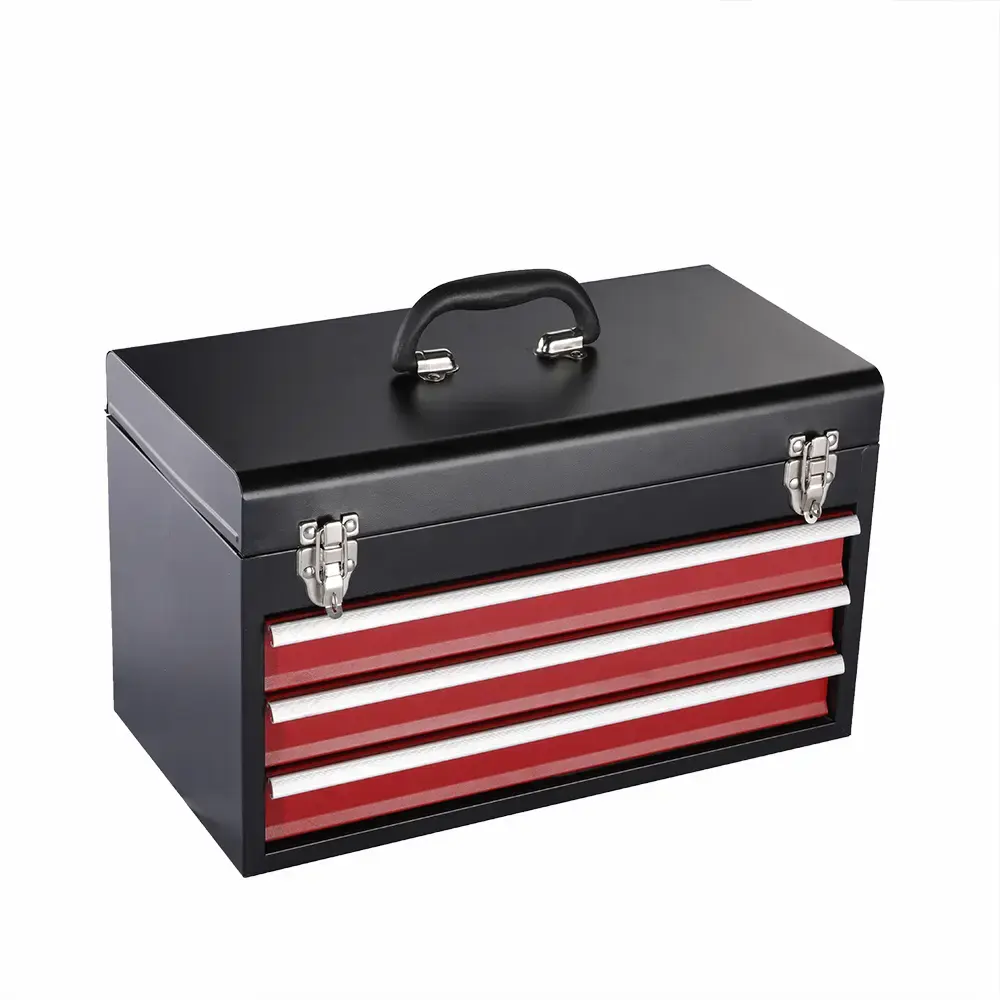
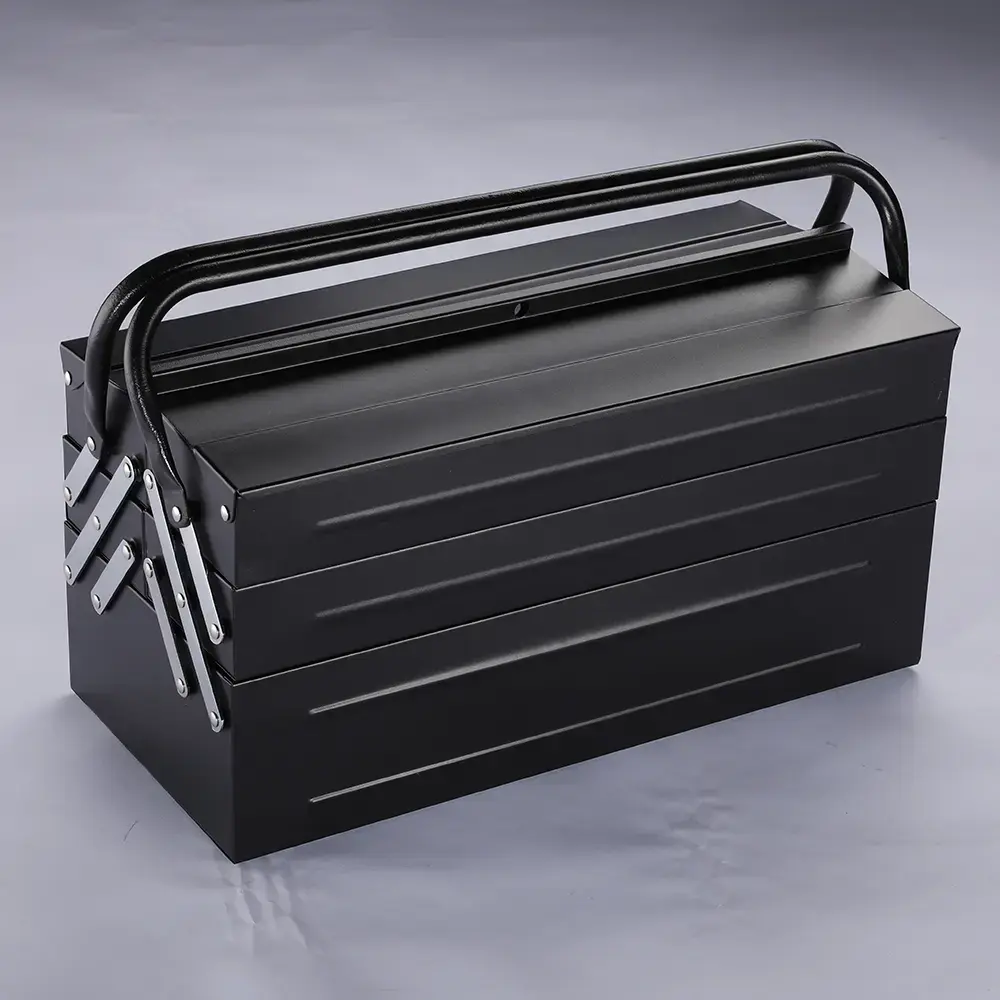
For wholesalers, distributors, and brand owners purchasing Tool Storage equipment (Tool Cabinets, tool carts, tool boxes, etc.), stable supply during peak order seasons remains the core challenge in supply chain management. Whether the North American market begins stocking for year-end promotions in Q3, or the European market sees demand surges during the spring startup season, tool cabinet demand spikes sharply during specific periods. Ensuring consistent supply during these high-demand windows—avoiding sales losses and customer churn from delayed deliveries—is a strategic imperative for every procurement professional. This article provides a systematic peak-season supply security strategy for buyers, covering supplier evaluation, capacity planning, logistics coordination, and risk management.
I. Understanding the Root of Peak-Season Supply Challenges
Tool cabinet manufacturing is a typical metalworking industry involving sheet cutting, stamping, welding, surface treatment (powder coating), assembly, and multiple other processes. During peak seasons, every link in the supply chain faces pressure—from raw steel suppliers’ delivery capacity, to manufacturers’ production scheduling, to container booking and ocean freight timelines. Congestion at any node can lead to final delivery delays.
Industry data shows that during peak seasons, tool cabinet manufacturers’ lead times typically extend from 30–45 days in off-peak periods to 1–3 months. Some suppliers’ bulk production lead times may further stretch from 45–60 days. This significant lead-time extension means buyers without forward planning risk missing critical sales windows entirely.
II. Supplier Evaluation: Core Metrics for Peak-Season Security
To ensure stable supply during peaks, the first step is building a scientific evaluation system during supplier selection—not just focusing on price and MOQ.
1. Verification of Actual Production Capacity
Buyers must verify suppliers’ real production capabilities, not rely solely on marketing materials. Key evaluation metrics include factory area, headcount, and core equipment configuration/quantity. Industry benchmarks show reliable suppliers typically have ≥2,000 m² production facilities and ≥50 employees. Additionally, buyers should inquire about flexible production unit allocation mechanisms to handle sudden order surges during peaks.
2. On-Time Delivery (OTD) Rate
OTD rate is the most direct metric for measuring production discipline. Buyers should request historical OTD data; top industry suppliers maintain ≥95% OTD. Repeat order rate is also critical—>20% repeat orders typically indicate end-user satisfaction and consistent service quality validated by the market.
3. Raw Material Inventory Strategy
Tool cabinets primarily use cold-rolled steel and SPCC. During peaks, steel price volatility and supply shortages pose delivery risks. Mature suppliers maintain ≈1 month of raw material inventory at full production capacity to buffer upstream market fluctuations. Buyers should confirm strategic raw material stockpiles and access to Material Test Certificates (MTC).
III. Peak-Season Capacity Reservation & Order Planning Strategies
Even with reliable suppliers, buyers’ forward planning remains critical.
1. Pre-Book Production Capacity
Before peak season (90 days in advance recommended), communicate annual/quarterly forecasts to suppliers to secure priority production scheduling. For stable-volume buyers, long-term supply agreements with 1–2 top-rated strategic suppliers deliver better peak stability than spreading orders across multiple low-cost factories.
2. Tiered Sourcing & Supplier Portfolio
Over-reliance on a single supplier creates peak-season risk. Buyers should implement a tiered sourcing system:
- Partner with one high-capacity, proven primary supplier for long-term collaboration
- Maintain 1–2 backup suppliers for emergencies This strategy ensures stable core order delivery while providing buffer capacity when primary suppliers reach production limits.
3. Early Ordering & Rolling Forecasts
Buyers should release order requirements early based on historical sales data and market trends. Peak lead times extend from 30 days (off-peak) to 45–60+ days, requiring adjusted procurement timelines. Implementing rolling demand forecasts (e.g., quarterly rolling plans) lets suppliers pre-stock materials and schedule production—an effective way to shorten actual lead times.

IV. Quality Assurance: Non-Negotiable Standards During Peaks
When order volumes surge, some suppliers may relax quality controls. Buyers must establish clear acceptance standards and strengthen oversight during peaks.
1. Clear Technical Specifications & Inspection Standards
Define critical parameters in procurement checklists:
- Material thickness (industrial-grade cabinets use 1.0–1.2 mm cold-rolled steel)
- Drawer slide load-bearing capacity
- Powder coating corrosion resistance (48–72-hour salt spray test required) For North American/EU exports, confirm compliance with RoHS, REACH, and other hazardous substance regulations.
2. Third-Party Inspection & Process Control
For new suppliers or large peak-season orders, commission third-party inspectors (SGS, TÜV) for process audits and pre-shipment inspections on initial production runs. Require quality documentation including welding strength reports and coating adhesion test reports (per ISO 2409).
V. Collaborative Logistics & Ocean Freight Management
Tool cabinets are large, heavy items—ocean freight represents a significant portion of total procurement costs. Peak-season container shortages and rate hikes are common challenges.
1. Pre-Book Container Space
Coordinate annual shipping plans with suppliers’ logistics teams or freight forwarders to secure priority loading slots before peaks. Stable annual-volume buyers can negotiate dedicated loading schedules with suppliers.
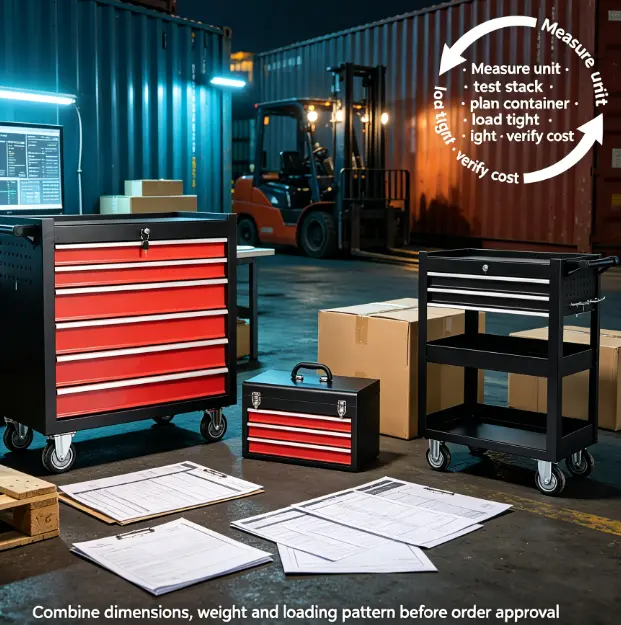
2. Optimize Container Loading
Maximize space utilization while ensuring transport safety by collaborating with suppliers on packaging design and loading plans. Clearly define Incoterms (FOB, EXW) and prepare export customs clearance processes in advance to shorten factory-to-port cycles.

VI. Peak-Season Supply Security Checklist
Before peak season, buyers should conduct a systematic review using this checklist:
- Have supplier production equipment lists and capacity data been on-site verified?
- Are raw material inventory levels sufficient for peak production?
- Is peak lead time confirmed in writing (including penalty clauses)?
- Are quality inspection standards and third-party inspection arrangements finalized?
- Have annual forecasts/quarterly rolling plans been submitted to suppliers?
- Is container booking priority secured?
- Are backup supplier contacts and capacity information updated?
Conclusion
Stable tool cabinet supply during peak seasons is not accidental—it results from forward planning, scientific supplier evaluation, and systematic risk management. From on-site production capacity verification, pre-booking capacity and container space, to upholding quality standards during peaks, every requires proactive buyer involvement and meticulous management. As the global tool storage market grows, buyers ensuring peak-season supply stability gain significant competitive advantages. Building a tailored peak-season supply security system is not just responsible for current orders—it’s an investment in long-term supply chain competitiveness.