
Leave Your Message




0102030405
Explosion Proof Tool Cabinet vs Ordinary Tool Cabinet: Essential Differences
2025-12-16
Explosion Proof Tool Cabinet vs Ordinary Tool Cabinet: Essential Differences
In industrial tool management, the choice of Tool Storage equipment is closely related to production safety, operational compliance and long-term cost control. Many workshop managers and safety supervisors often confuseexplosion proof Tool Cabinets with ordinary tool cabinets, thinking that the former is just a "reinforced version" of the latter. In fact, there is an essential gap between them based on different core demands. This article will deeply analyze these differences, helping you accurately match storage solutions with actual production scenarios.
1. Core Design Goal: Safety Priority vs Storage Demand
The most fundamental difference between the two lies in their core design concepts. Ordinary tool cabinets take tool storage and management as the core goal, focusing on functions such as classified storage, easy access and space saving. Most of them are designed to meet the basic needs of tool placement in conventional workshops, and there is no special consideration for potential safety hazards such as flammable and explosive substances in the environment.
In contrast, explosion proof tool cabinets are built withhazardous environment safety as the primary principle. Their design starts from preventing fire and explosion accidents. Every detail, from the structure to the accessories, is designed to avoid spark generation, isolate flammable gases and liquids, and ensure that even if there are flammable substances inside or outside the cabinet, it will not trigger dangerous reactions. This is a design logic that ordinary tool cabinets never involve.
2. Material Selection: Special Explosion Proof Materials vs Conventional Materials
Material selection is the physical basis for reflecting the essential differences. Ordinary tool cabinets are mostly made of ordinary cold-rolled steel plates with a certain thickness. The material only needs to meet the load-bearing capacity and basic durability, and there is no special requirement for flame retardancy, static electricity resistance and other properties. Some low-cost ordinary tool cabinets even use thin steel plates, which can only meet the needs of light tool storage.
Explosion proof tool cabinets must use high-quality special materials. The cabinet body is usually made of thickened high-strength steel plates, and the surface is treated with electrostatic spraying to prevent static electricity accumulation. For cabinets used to store flammable liquids, the inner liner may also be equipped with flame-retardant and corrosion-resistant materials. In addition, key components such as hinges and locks are made of copper or other non-sparking metals to avoid sparks caused by friction or collision—this is a crucial detail that ordinary tool cabinets cannot achieve.
3. Safety Mechanism: Comprehensive Protection vs Basic Closure
The safety mechanism is the core embodiment of the essential difference between the two. Ordinary tool cabinets only have basic closure functions, relying on locks to prevent tool loss, and there is no additional safety protection design. In environments with flammable gases, dust or static electricity, ordinary tool cabinets may even become a potential safety hazard—for example, static electricity generated by tool friction inside the cabinet cannot be released, which may ignite flammable substances in the environment.
Explosion proof tool cabinets are equipped with a complete set of explosion proof safety mechanisms. First, they are equipped with professional electrostatic grounding devices to guide the static electricity generated inside and outside the cabinet to the ground in a timely manner, eliminating the risk of static ignition. Second, the cabinet door adopts an explosion-proof sealing structure, which can isolate the internal and external environments and prevent flammable gases from entering or leaking. Some high-grade explosion proof tool cabinets are also equipped with pressure relief devices. When the internal pressure is too high due to special circumstances, the pressure can be released in a controlled manner to avoid cabinet body explosion. These safety mechanisms form a multi-layer protection system that ordinary tool cabinets do not have.
4. Application Scenarios: Hazardous Areas vs Conventional Workshops
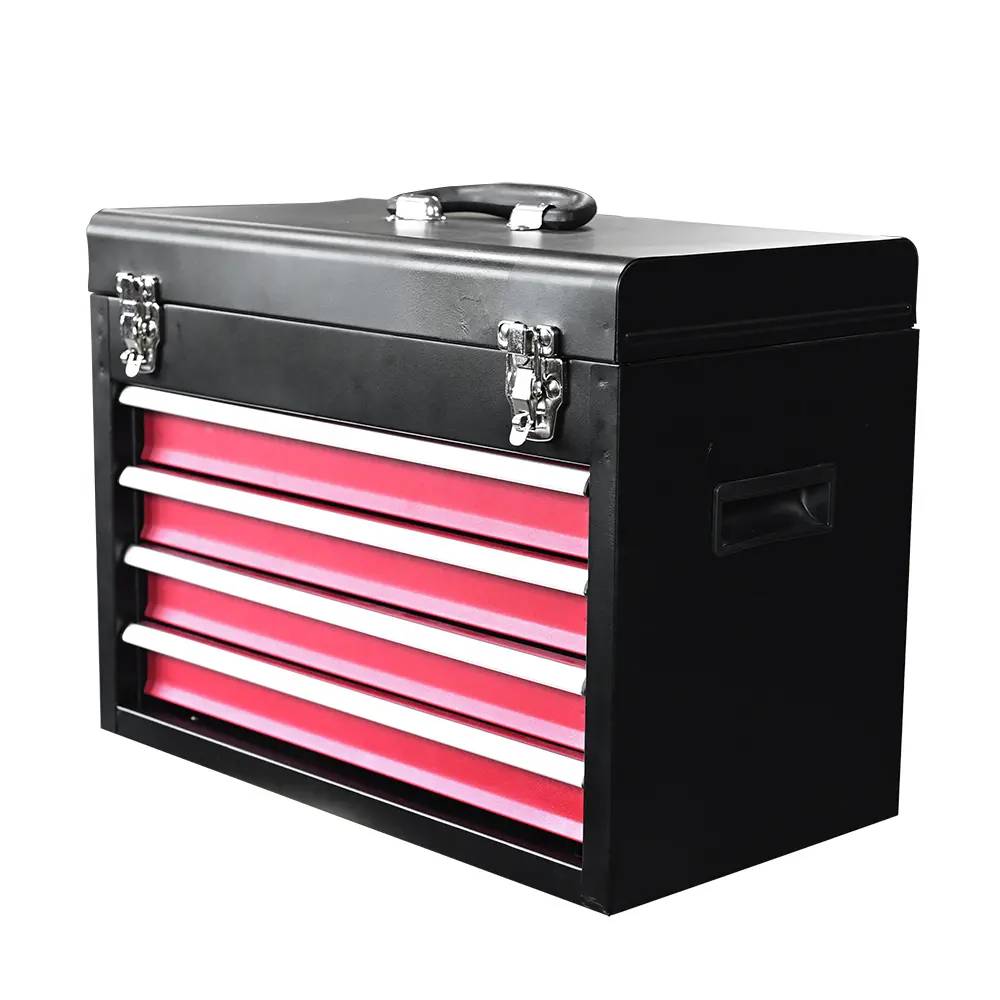
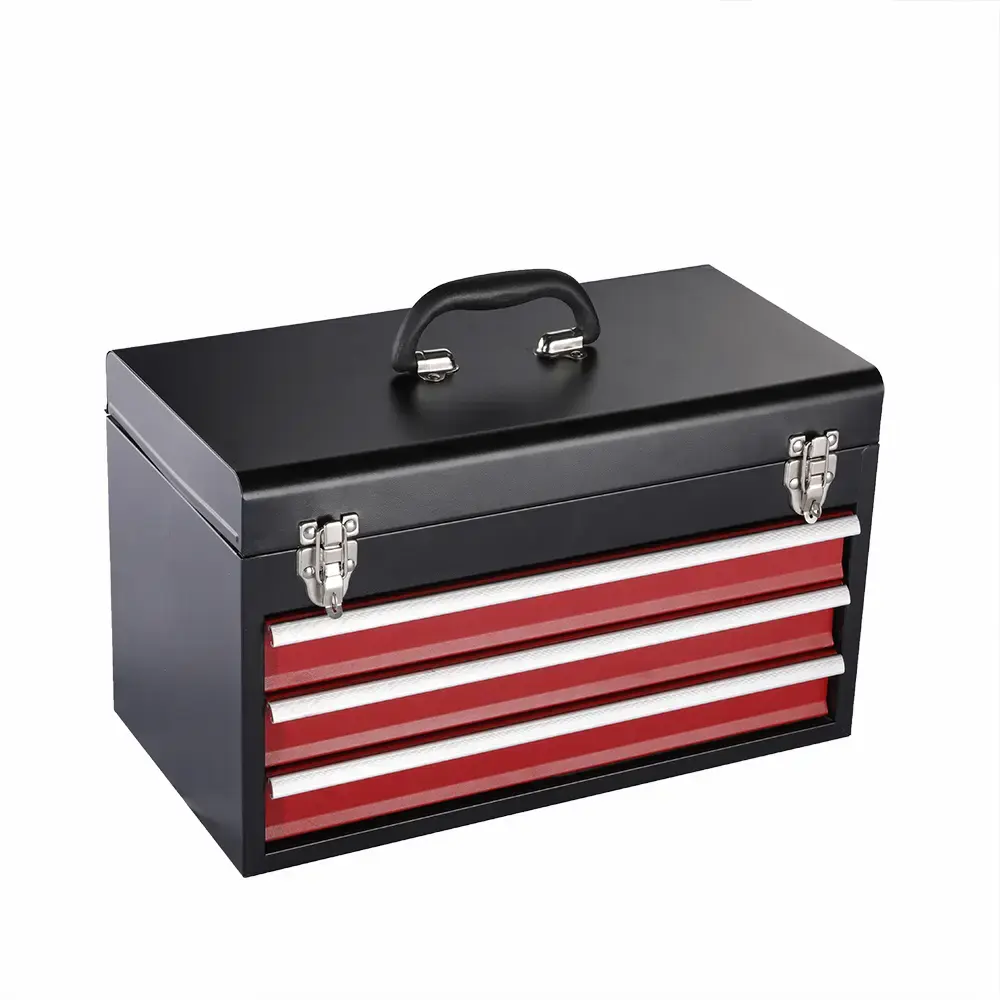
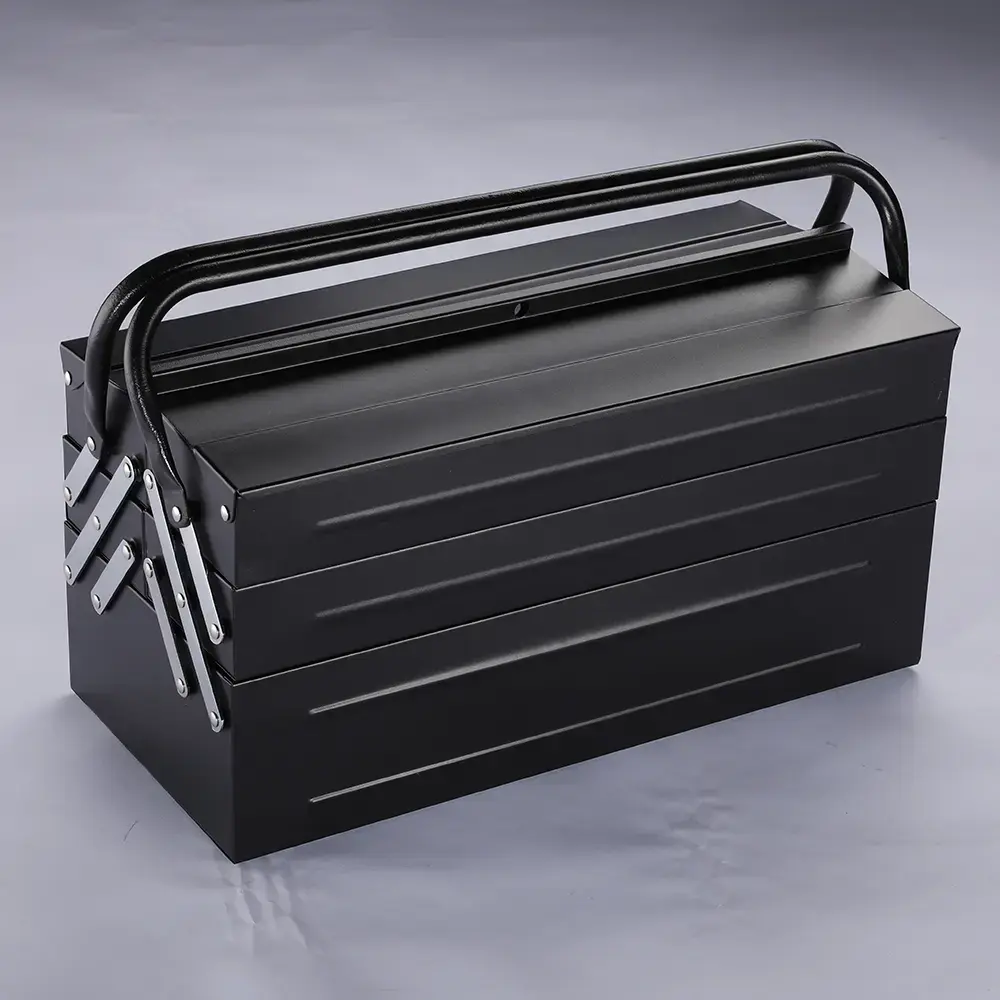
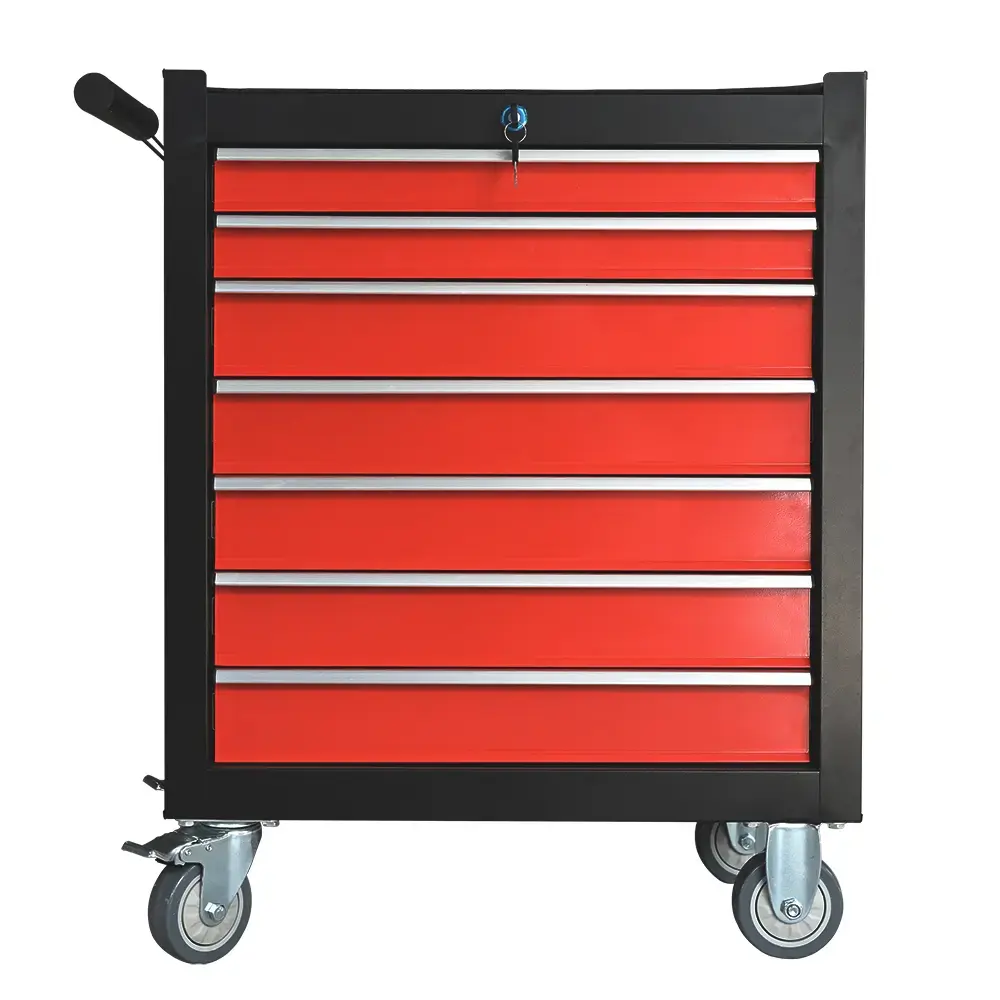
The difference in design and function directly determines the difference in application scenarios. Ordinary tool cabinets are widely used in conventional workshops, machinery processing plants, maintenance stations and other environments where there are no flammable, explosive or corrosive hazardous substances. They are mainly used to store wrenches, screwdrivers, measuring tools and other conventional tools, meeting the basic tool management needs of general industrial production.
Explosion proof tool cabinets are mainly used in hazardous areas such as petrochemical plants, chemical workshops, oil depots, and coal mines. These areas often have flammable gases (such as natural gas, gasoline vapor), flammable liquids (such as ethanol, acetone) or combustible dust (such as coal dust, flour dust). The use of explosion proof tool cabinets can ensure the safe storage of tools in these high-risk environments and help enterprises meet relevant industrial safety operation standards and regulatory requirements.

Conclusion
To sum up, explosion proof tool cabinets and ordinary tool cabinets are not just different in "explosion proof performance", but in essence, they are two types of equipment designed for different core demands. Ordinary tool cabinets focus on practical storage, while explosion proof tool cabinets focus on absolute safety in hazardous environments. For enterprises, choosing the right tool cabinet is not only a matter of meeting daily operation needs, but also an important measure to ensure production safety and comply with industry regulations. When selecting, it is necessary to accurately judge based on the actual environment and tool storage requirements to avoid potential safety hazards caused by improper selection.