
Leave Your Message
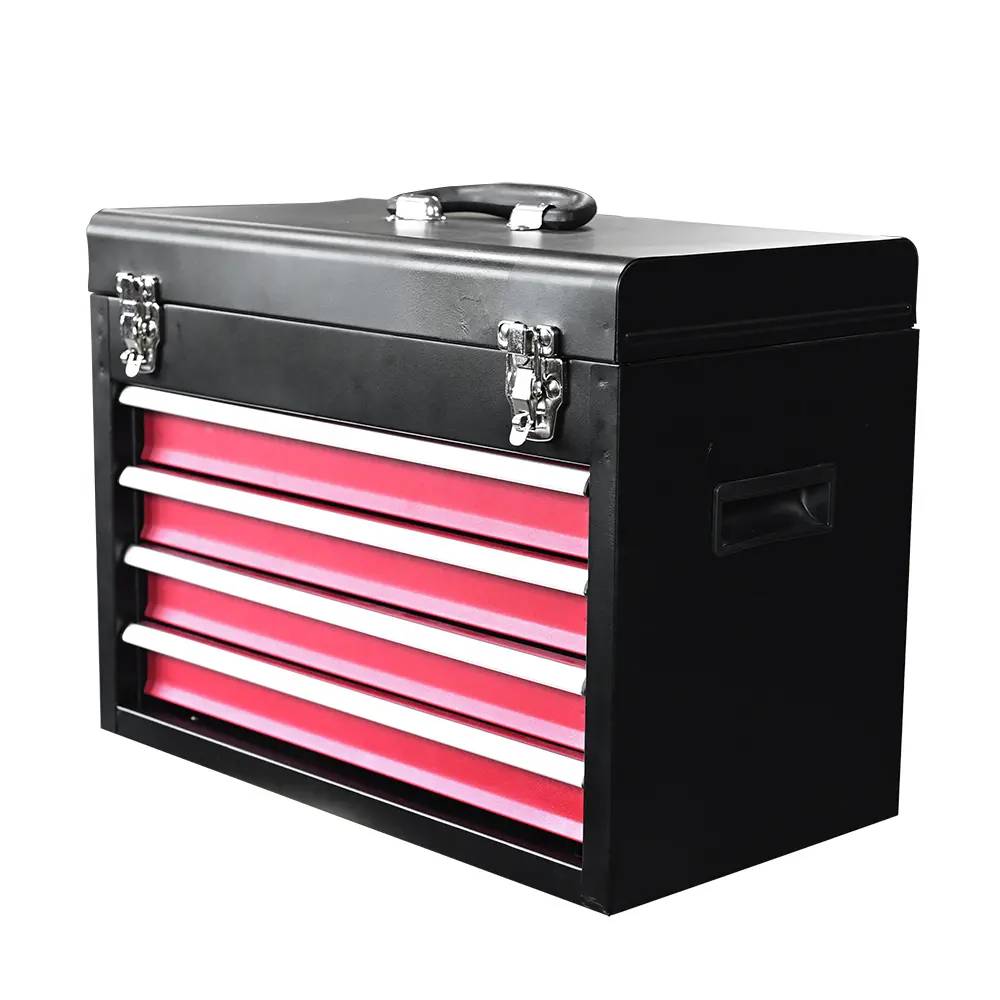
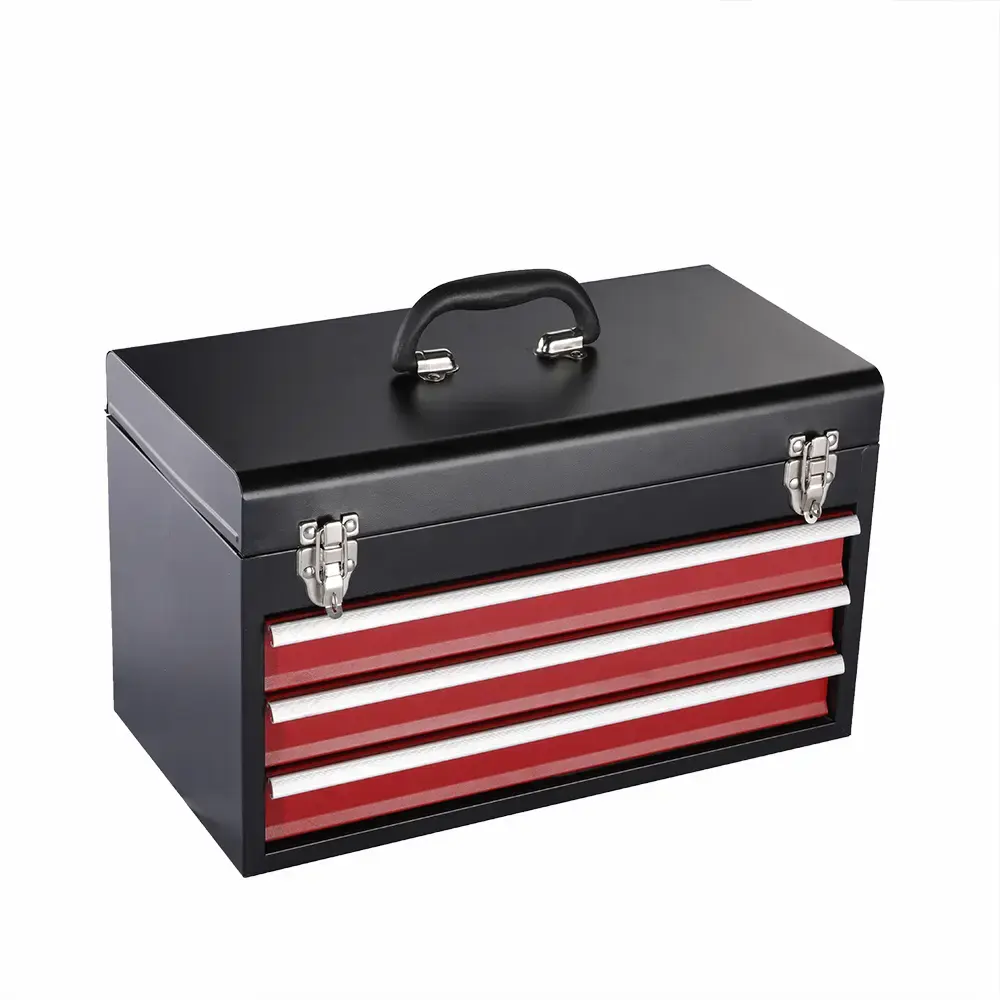

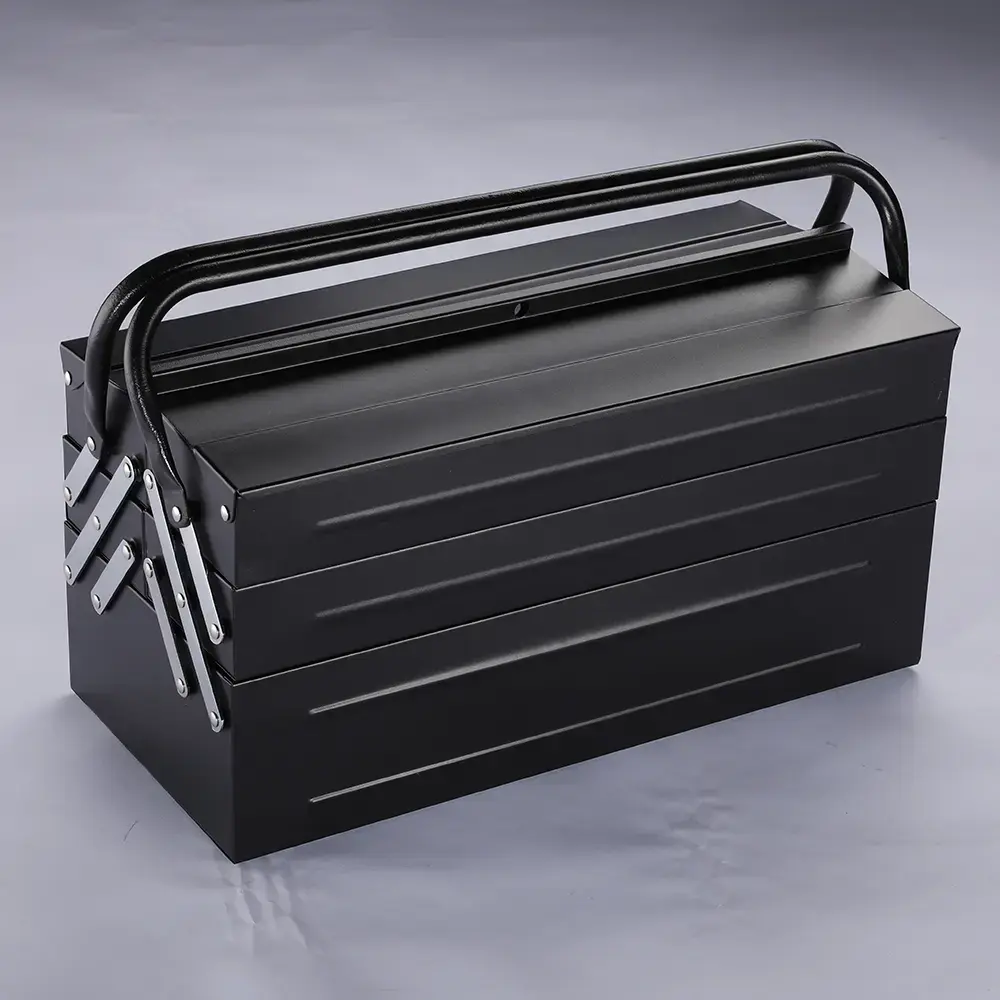
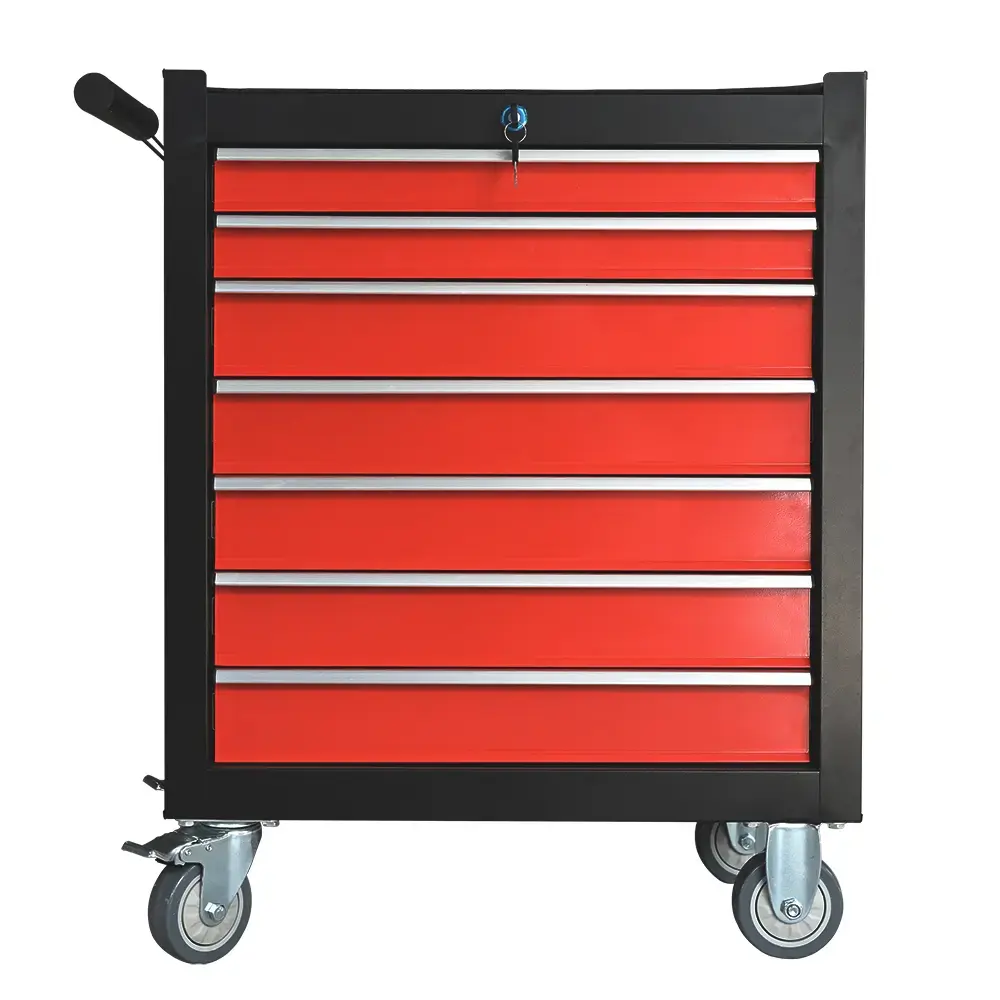


Frequent accidents of tool carts overturning? 4 Tips to Stabilize Your Work Equipment
In industrial production and maintenance operations, tool carts have become important equipment for storing and transporting tools due to their convenience. However, accidents of tool carts overturning are not uncommon. They not only cause damage to the tools and delay the work progress, but also may threaten the safety of the operators. For international wholesale purchasers, helping customers solve the stability issue of tool carts can not only enhance the product usage experience but also strengthen their professional image. The following four practical strategies will effectively reduce the risk of tool vehicles overturning and ensure the safety and efficiency of operations.
First, scientific load: Allocate tools and equipment reasonably
The primary reason for a tool cart to tip over is often an unreasonable load. Many operators, in pursuit of efficiency, randomly stack heavy tools on high-rise partitions or concentrate them on one side, causing the vehicle's center of gravity to shift. The scientific distribution of loads should follow the principle of "heavy at the bottom, light at the top, and balanced on both sides".
When loading, prioritize placing heavy tools such as electric drills and wrenches in the bottom drawers or partitions to distribute the weight by taking advantage of the wide load-bearing surface at the bottom. Light tools such as screwdrivers and measuring instruments are placed on the upper floors. If the tool cart is equipped with multiple drawers, it is necessary to ensure that the load on each layer is uniform to avoid tilting caused by local excessive weight. In addition, for equipment with irregular shapes, straps or anti-slip pads should be used for fixation to prevent changes in the center of gravity due to sliding during movement. For example, when transporting an electric cutting saw, using elastic straps to tightly fix it to the frame can not only prevent the equipment from shifting but also reduce the amplitude of vehicle shaking.

Second, structural reinforcement: Optimized design enhances stability
The structural design of the tool cart directly affects its anti-toppling ability. Some tool carts, in pursuit of lightness, adopt thin frames and small-sized wheels, which are highly prone to overturning when fully loaded or on uneven ground. Through structural reinforcement, the stability of the vehicle can be significantly enhanced.
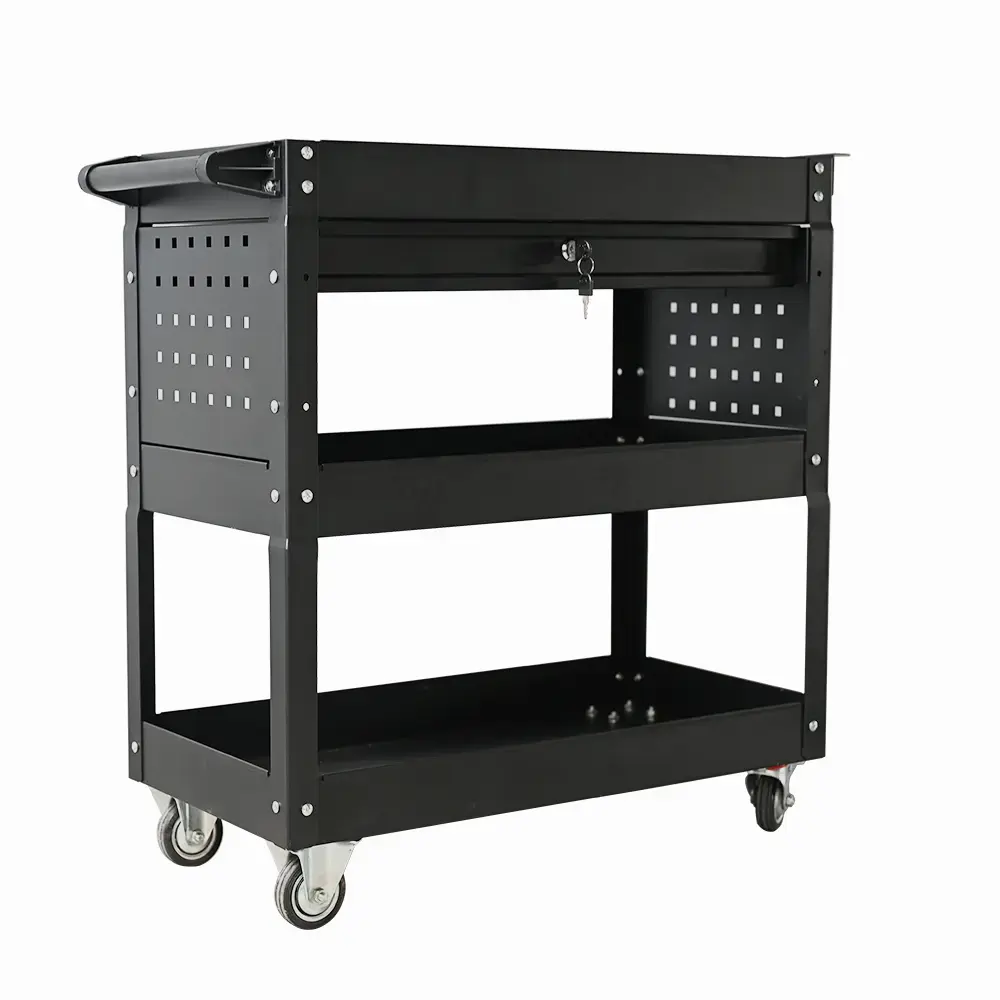
First of all, choose a tool cart with a sturdy frame. Give priority to the frame welded with thickened steel, as it has a stronger ability to resist deformation. Secondly, increase the size of the wheels and arrange them reasonably. Large-diameter wheels can offer better ground adaptability, especially when driving on rough or uneven ground, which can reduce the center of gravity fluctuations caused by bumps. Compared with the two-wheel design, the four-wheel symmetrical layout can provide a more stable support surface. In addition, installing anti-tilt brackets on tool carts is also an effective measure. Foldable brackets can be added to both sides or the rear of the vehicle. When the tool vehicle is parked, the brackets can be unfolded to form a triangular support structure, which can remain stable even on slopes or soft ground.
Third, standardized operation: Master the correct implementation techniques
Incorrect operating habits are common factors causing tool carts to tip over. High-speed sharp turns, sudden pulling and pushing, and pushing with one hand holding the handlebars will all disrupt the vehicle's balance. Standardized operation can minimize the risk of accidents to the greatest extent.
When pushing the tool cart, the operator should hold the handlebars with both hands and keep their body at the center line at the rear of the vehicle to ensure effective control of the vehicle. When turning, slow down in advance and turn the direction slowly to avoid overturning due to centrifugal force. When going up or down a slope, it is essential to use a reverse approach to bring the heavier load closer to the ground, thereby increasing the friction between the vehicle and the ground. At the same time, avoid sudden braking or acceleration during the pushing process. A smooth operation rhythm helps maintain the stability of the vehicle's center of gravity. If the tool cart is equipped with a braking device, it is essential to lock the wheels in time when stopping to prevent the vehicle from overturning due to accidental sliding.

Fourth, regular maintenance: Inspect and repair potential hazards
Tool carts that have been in use for a long time may have their stability reduced due to problems such as component wear and loose screws. Regular maintenance can promptly identify and address potential hazards, ensuring that the vehicle is always in good working condition.
During maintenance, it is necessary to focus on checking whether there are cracks at the welding points of the frame. If minor cracks are found, immediate repair welding treatment should be carried out. Check the wear condition of the wheel bearings and replace the wheels that rotate poorly or are severely worn in time. At the same time, tighten all screws and connectors to prevent structural instability caused by loosening. In addition, if the drawer slide rails of the tool cart get stuck, the debris should be cleared in time and lubricant applied to prevent the balance of the vehicle from being affected by the poor opening and closing of the drawers. By establishing a regular maintenance system, the service life of tool carts can be prolonged and the risk of overturning caused by equipment failures can be reduced.
The prevention of tool cart overturning accidents requires efforts from multiple aspects such as load management, structural optimization, operation norms and equipment maintenance. Mastering these four core strategies can not only effectively enhance the stability of tool vehicles but also provide a solid guarantee for operational safety and efficiency. For international wholesale purchasers, passing on these practical solutions to customers not only demonstrates professional service capabilities but also enhances customers' trust and reliance on the products, thus gaining an advantageous position in market competition.